



Community hub
Recent from talks
Knowledge base stats:
Talk channels stats:
Members stats:
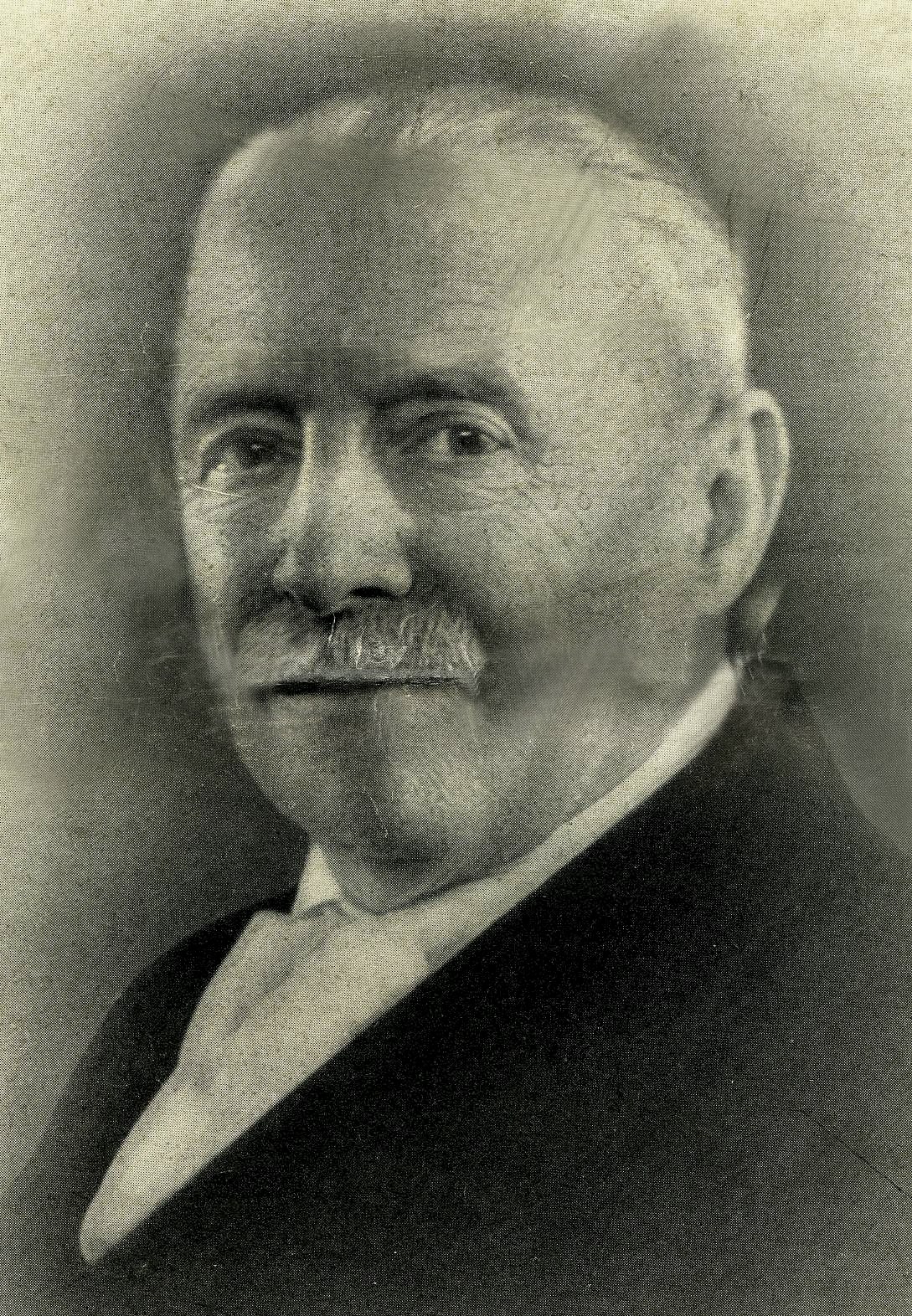
Adam Egede-Nissen
Adam Hjalmar Egede-Nissen (29 June 1868 – 4 April 1953), was a Norwegian postmaster and politician, who began his political career in the Liberal Party and was first elected to the Storting (parliament) in 1900. He later switched to the Labour Party before eventually joining the Communist Party of Norway, serving as party chairman from 1934 to 1946.
Adam Hjalmar Egede-Nissen was born on an Øvre Rinnan farm in Frol Municipality (today part of Levanger Municipality) in Nordre Trondheim county, where his father Paul Christian Egede-Nissen (1835–1891) was then serving in the medical corps of the Norwegian Army. Having qualified as a medical doctor in 1858 and having been active as a military physician in the Italian liberation struggle led by Giuseppe Garibaldi, by 1863 Paul Egede-Nissen was practicing medicine in Tromsø; in 1867 he was a commissioned officer with the rank of major and was a regimental surgeon stationed with the army at Levanger. Adam Egede-Nissen's mother was Sophie Amalie Normann of Harstad (1826–1912), widow of Søren Schøning (1816–1861), who had been a merchant on Grøtøya island in Karlsøy Municipality; she married his father in 1863, and the couple had three children, Pauline Fayette Egede-Nissen (born 1864), Søren Kristian Henrik Egede-Nissen (born 1866), and Adam Egede-Nissen, born in 1868. Besides his two full siblings, he had a stepbrother, Jakob Schøning.
Adam Egede-Nissen graduated from Trondheim Cathedral School in 1886, receiving his Cand philol. (master's degree) two years later. In 1887 he was appointed as a post office assistant in Nordland county; and in 1890 as a mail clerk; he transferred in the following year to become a mail clerk in Bergen. He was postmaster in Vardø (in Finnmark near the Russian border) from 1897 to 1911, when he became postmaster in Stavanger. On 13 May 1899, during his time in Vardø, he founded the newspaper "Finnmarken"; he was its editor for many years.
Egede-Nissen was a member of the municipal council of Vardø Municipality from 1903 to 1911. With Vardø being the easternmost municipality in Norway — and indeed in all of Western Europe — it formed a thriving duty-free centre for the Pomor trade of Norwegian pollock for Russian rye grain and other goods brought by merchants from Arkhangelsk. Making use of his contacts with Russian merchants and officials, Egede-Nissen was among the first Norwegians to establish working links with anti-Tsarist Russian groups. As early as 1902 he had begun printing and smuggling literature across the border into Russia promoting democracy and socialism. In 1906 he was a co-founder of Nordens Klippe, a decidedly socialist Norwegian mineworkers union.
In 1900 Egede-Nissen was first elected to the Storting, representing the Liberal Party for the towns of Hammerfest-Vardø-Vadsø electoral area. During his first term in parliament, he was a member of the Standing Committee on Roads (1900–1903). During some of his time in parliament, fellow socialist Thorolf Bugge, who had worked in the Vardø post office with him since 1898, served as acting postmaster there (1901 to 1906).
Having been re-elected in 1903, Egede-Nissen broke with the Liberals in 1905 and joined the Labour Party in the Storting, becoming one of its leaders. He was re-elected for the Labour Party at the next two parliamentary elections in 1906 and 1909, representing the same constituency as before. From 1903 through 1912 he was a member of the Standing Committee on the Military, and during the years from 1906 to 1912 the Storting elected him as a member of the Lagting.
Egede-Nissen gained prominence during the August 1909 parliamentary debate on army reorganization, espousing the then radical ideas of neutrality and military disarmament.
From 1910 he served as one of nine members of a parliamentary alcohol commission which was mandated to chart Norway's future laws on the sale of wine, beer and distilled spirits. The Storting adopted their 1918 majority report, in which the commission recommended that all importation and sale of alcohol be conducted through controlled storehouses (samlag), the profits of which flowed into the Norwegian Treasury (Statskassen), while breweries and distilleries remained privately owned — a position held by a six-member majority of the committee. Egede-Nissen and Sven Aarrestad, parliamentary leader of the Temperance Party (Avholdspartiet), however, contended that the government should restrict the legal sale of alcohol by allowing individual municipalities to vote to ban its local sale and set a goal of eventually achieving national prohibition, at least of distilled spirits, whilst a third dissenter, famed Norwegian physician and psychiatrist Johan Scharffenberg, supported an immediate total prohibition of all liquor sales, characterizing alcohol as "this nerve poison that turns people into animals."
Hub AI
Adam Egede-Nissen AI simulator
(@Adam Egede-Nissen_simulator)
Adam Egede-Nissen
Adam Hjalmar Egede-Nissen (29 June 1868 – 4 April 1953), was a Norwegian postmaster and politician, who began his political career in the Liberal Party and was first elected to the Storting (parliament) in 1900. He later switched to the Labour Party before eventually joining the Communist Party of Norway, serving as party chairman from 1934 to 1946.
Adam Hjalmar Egede-Nissen was born on an Øvre Rinnan farm in Frol Municipality (today part of Levanger Municipality) in Nordre Trondheim county, where his father Paul Christian Egede-Nissen (1835–1891) was then serving in the medical corps of the Norwegian Army. Having qualified as a medical doctor in 1858 and having been active as a military physician in the Italian liberation struggle led by Giuseppe Garibaldi, by 1863 Paul Egede-Nissen was practicing medicine in Tromsø; in 1867 he was a commissioned officer with the rank of major and was a regimental surgeon stationed with the army at Levanger. Adam Egede-Nissen's mother was Sophie Amalie Normann of Harstad (1826–1912), widow of Søren Schøning (1816–1861), who had been a merchant on Grøtøya island in Karlsøy Municipality; she married his father in 1863, and the couple had three children, Pauline Fayette Egede-Nissen (born 1864), Søren Kristian Henrik Egede-Nissen (born 1866), and Adam Egede-Nissen, born in 1868. Besides his two full siblings, he had a stepbrother, Jakob Schøning.
Adam Egede-Nissen graduated from Trondheim Cathedral School in 1886, receiving his Cand philol. (master's degree) two years later. In 1887 he was appointed as a post office assistant in Nordland county; and in 1890 as a mail clerk; he transferred in the following year to become a mail clerk in Bergen. He was postmaster in Vardø (in Finnmark near the Russian border) from 1897 to 1911, when he became postmaster in Stavanger. On 13 May 1899, during his time in Vardø, he founded the newspaper "Finnmarken"; he was its editor for many years.
Egede-Nissen was a member of the municipal council of Vardø Municipality from 1903 to 1911. With Vardø being the easternmost municipality in Norway — and indeed in all of Western Europe — it formed a thriving duty-free centre for the Pomor trade of Norwegian pollock for Russian rye grain and other goods brought by merchants from Arkhangelsk. Making use of his contacts with Russian merchants and officials, Egede-Nissen was among the first Norwegians to establish working links with anti-Tsarist Russian groups. As early as 1902 he had begun printing and smuggling literature across the border into Russia promoting democracy and socialism. In 1906 he was a co-founder of Nordens Klippe, a decidedly socialist Norwegian mineworkers union.
In 1900 Egede-Nissen was first elected to the Storting, representing the Liberal Party for the towns of Hammerfest-Vardø-Vadsø electoral area. During his first term in parliament, he was a member of the Standing Committee on Roads (1900–1903). During some of his time in parliament, fellow socialist Thorolf Bugge, who had worked in the Vardø post office with him since 1898, served as acting postmaster there (1901 to 1906).
Having been re-elected in 1903, Egede-Nissen broke with the Liberals in 1905 and joined the Labour Party in the Storting, becoming one of its leaders. He was re-elected for the Labour Party at the next two parliamentary elections in 1906 and 1909, representing the same constituency as before. From 1903 through 1912 he was a member of the Standing Committee on the Military, and during the years from 1906 to 1912 the Storting elected him as a member of the Lagting.
Egede-Nissen gained prominence during the August 1909 parliamentary debate on army reorganization, espousing the then radical ideas of neutrality and military disarmament.
From 1910 he served as one of nine members of a parliamentary alcohol commission which was mandated to chart Norway's future laws on the sale of wine, beer and distilled spirits. The Storting adopted their 1918 majority report, in which the commission recommended that all importation and sale of alcohol be conducted through controlled storehouses (samlag), the profits of which flowed into the Norwegian Treasury (Statskassen), while breweries and distilleries remained privately owned — a position held by a six-member majority of the committee. Egede-Nissen and Sven Aarrestad, parliamentary leader of the Temperance Party (Avholdspartiet), however, contended that the government should restrict the legal sale of alcohol by allowing individual municipalities to vote to ban its local sale and set a goal of eventually achieving national prohibition, at least of distilled spirits, whilst a third dissenter, famed Norwegian physician and psychiatrist Johan Scharffenberg, supported an immediate total prohibition of all liquor sales, characterizing alcohol as "this nerve poison that turns people into animals."