



Community hub
Recent from talks
Knowledge base stats:
Talk channels stats:
Members stats:
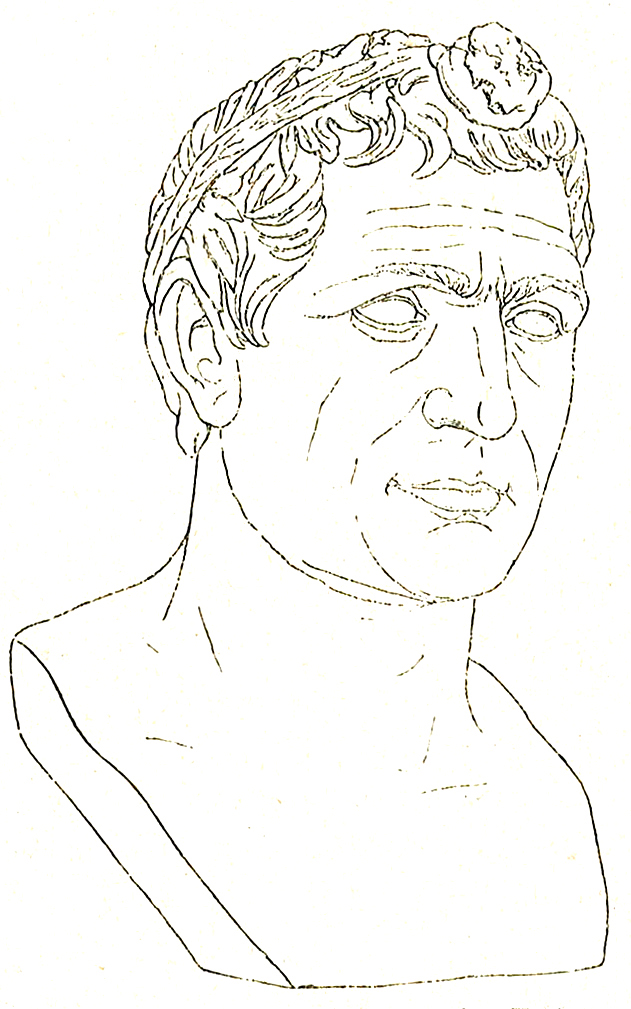
Agathocles of Syracuse
Agathocles (Ancient Greek: Ἀγαθοκλῆς, Agathoklḗs; 361–289 BC) was a tyrant of Syracuse from 317 BC and king of much of Sicily from 304 BC until his death. Agathocles began his career as a military officer, and raised his profile as a supporter of the democratic faction in Syracuse against the oligarchic civic government. His opponents forced him into exile and he became a mercenary leader. He eventually made his way back to Syracuse and was elected as a general. A few years later he took control through a coup d'état. In practice he was a tyrant, although a democratic constitution theoretically remained in force.
Agathocles had led a long, costly war against the Carthaginians, who ruled the western half of Sicily, between 311 and 306 BC. In a military campaign he led the invasion of Carthage's North African heartland in 310 BC. After initial successes he abandoned his army in Africa and returned to Sicily in 307 BC, where he made peace with the Carthaginians and restored the status quo ante bellum. He then assumed the royal title and managed to bring almost the entire Greek portion of Sicily, and part of Calabria, under his control. Agathocles came close to bringing the entirety of Magna Graecia under his control but his attempt to establish a dynasty fell apart as a result of conflict within his family.
Agathocles was a son of Carcinus, who came from Rhegium. Carcinus was expelled from his hometown, so he migrated to Thermae Himeraeae and married a local citizen woman. Thermae, which was located on the north coast of Sicily, belonged to the western part of the island, which was under Carthaginian control. The couple had two sons, Antander and Agathocles. In 343 BC, when Agathocles was around eighteen years old, the family re-settled in Syracuse. Carcinus had answered a call from the commander Timoleon, which had overthrown the tyrannical regime of Dionysius II. Timoleon sought new citizens for the city, which had been depopulated by the civil wars. Thus, Carcinus and Agathocles acquired Syracusan citizenship. According to the sources, Carcinus was a potter and Agathocles followed him in his profession. Modern historians generally argue that he must have been a wealthy man who owned a pottery workshop. In later times, Agathocles frequently advertised his lower class origins and used them as part of his self-presentation as a ruler, since performative modesty and presenting himself as a man of the people would be important parts of his persona.
Agathocles began his military career during Timoleon's rule. He initially served as a soldier and then as an officer. Later, after Timoleon's death in 337 BC, Agathocles participated in an expedition against Acragas and began a relationship with the general, Damas, who promoted him to chiliarch. After Damas' death, Agathocles married his widow. This made him one of the richest men in Syracuse, which gave him a good platform to begin his political ascent.
After Timoleon's death, Syracuse descended into the traditional conflict between democrats and oligarchs. The oligarchs had the upper hand and ruled the city as a club, called "the Six Hundred". Agathocles' elder brother, Antander, was elected to a generalship, during this period, so he must have had good relationships with members of the ruling circle. Agathocles, on the other hand, spoke in the people's assembly and placed himself on the side of the opposition democrats, but he was unable to overcome their power. After a successful campaign to defend Croton in southern Italy from the Bruttii, he denied an award for bravery which he felt he had earnt. After this, he openly opposed the government and openly accused the leading oligarchs, Sosistratus and Heracleides, of seeking to become tyrants. These accusations were not successful and the two oligarchs solidified their power. Agathocles' situation in Syracuse was then untenable and he declared that he was compelled to leave the city. This does not necessarily mean that he was formally exiled.
Agathocles went to southern Italy, where he led the life of a mercenary captain. At the same time, he built up an independent power base, as preparation for a return to Syracuse. His first military effort was a failure, however: he attempted to bring the major city of Croton in Calabria under his control by force, probably in alliance with the local democrats, but he was completely defeated and had to flee with his surviving followers to Tarentum. The Tarentines accepted him into their mercenary forces, but they distrusted him because of his ambition and plots, which led to his dismissal. After this, he gathered together democrats who had been expelled from their cities by local oligarchs. An opportunity appeared at Rhegium, the hometown of Agathocles' father. There, the democrats were in power, but the city was attacked by forces led by the Syracusan oligarchs, who wanted to help the local oligarchs take power by force. Agathocles defeated this Syracusan expeditionary force, which destabilised Sosistratus and Heracleides' position in Syracuse and as a result they were overthrown in a coup. The democrats returned to power and drove the leading oligarchs out of Syracuse. The exiled oligarchs allied themselves with the Carthaginians. These developments allowed Agathocles to return home around 322 BC.
Agathocles distinguished himself in the subsequent battles against the Carthaginians and oligarchs, but did not manage to acquire a leading position in the city. Instead, the Syracusans chose to request a commander from their mother city, Corinth, in accordance with a law established by Timoleon. The Corinthians sent one Acestorides, who organised an amnesty for the oligarchs, made peace with the Carthaginians, and exiled Agathocles. The radical democrats were forced out and a moderate oligarchy was established. Acestorides even attempted to have Agathocles assassinated. Agathocles established a private army, apparently funded from his own assets. He took advantage of the fact that the Syracusans were considered oppressive by other cities in Sicily and successfully presented himself as a supporter of these cities' interests against the Syracusans. He managed to take over Leontini and even led an attack on Syracuse. The situation became so tenuous for the oligarchs in Syracuse that they reached out to the Carthaginians for help.
Agathocles outpaced the oligarchs. He negotiated with the Carthaginian commander in Sicily, Hamilcar, and convinced him to withdraw. Allegedly, they had concluded a personal agreement to support each other in establishing themselves as sole rulers of their respective cities. After the loss of Carthaginian support, Syracuse was isolated. The citizens, who did not really wish to fight for oligarchy, agreed to allow Agathocles to return home. He swore the Syracuse "great oath", promising that he would not establish a tyranny. After that, he was elected commander in chief of the Syracusan army in 319/318 BC.
Hub AI
Agathocles of Syracuse AI simulator
(@Agathocles of Syracuse_simulator)
Agathocles of Syracuse
Agathocles (Ancient Greek: Ἀγαθοκλῆς, Agathoklḗs; 361–289 BC) was a tyrant of Syracuse from 317 BC and king of much of Sicily from 304 BC until his death. Agathocles began his career as a military officer, and raised his profile as a supporter of the democratic faction in Syracuse against the oligarchic civic government. His opponents forced him into exile and he became a mercenary leader. He eventually made his way back to Syracuse and was elected as a general. A few years later he took control through a coup d'état. In practice he was a tyrant, although a democratic constitution theoretically remained in force.
Agathocles had led a long, costly war against the Carthaginians, who ruled the western half of Sicily, between 311 and 306 BC. In a military campaign he led the invasion of Carthage's North African heartland in 310 BC. After initial successes he abandoned his army in Africa and returned to Sicily in 307 BC, where he made peace with the Carthaginians and restored the status quo ante bellum. He then assumed the royal title and managed to bring almost the entire Greek portion of Sicily, and part of Calabria, under his control. Agathocles came close to bringing the entirety of Magna Graecia under his control but his attempt to establish a dynasty fell apart as a result of conflict within his family.
Agathocles was a son of Carcinus, who came from Rhegium. Carcinus was expelled from his hometown, so he migrated to Thermae Himeraeae and married a local citizen woman. Thermae, which was located on the north coast of Sicily, belonged to the western part of the island, which was under Carthaginian control. The couple had two sons, Antander and Agathocles. In 343 BC, when Agathocles was around eighteen years old, the family re-settled in Syracuse. Carcinus had answered a call from the commander Timoleon, which had overthrown the tyrannical regime of Dionysius II. Timoleon sought new citizens for the city, which had been depopulated by the civil wars. Thus, Carcinus and Agathocles acquired Syracusan citizenship. According to the sources, Carcinus was a potter and Agathocles followed him in his profession. Modern historians generally argue that he must have been a wealthy man who owned a pottery workshop. In later times, Agathocles frequently advertised his lower class origins and used them as part of his self-presentation as a ruler, since performative modesty and presenting himself as a man of the people would be important parts of his persona.
Agathocles began his military career during Timoleon's rule. He initially served as a soldier and then as an officer. Later, after Timoleon's death in 337 BC, Agathocles participated in an expedition against Acragas and began a relationship with the general, Damas, who promoted him to chiliarch. After Damas' death, Agathocles married his widow. This made him one of the richest men in Syracuse, which gave him a good platform to begin his political ascent.
After Timoleon's death, Syracuse descended into the traditional conflict between democrats and oligarchs. The oligarchs had the upper hand and ruled the city as a club, called "the Six Hundred". Agathocles' elder brother, Antander, was elected to a generalship, during this period, so he must have had good relationships with members of the ruling circle. Agathocles, on the other hand, spoke in the people's assembly and placed himself on the side of the opposition democrats, but he was unable to overcome their power. After a successful campaign to defend Croton in southern Italy from the Bruttii, he denied an award for bravery which he felt he had earnt. After this, he openly opposed the government and openly accused the leading oligarchs, Sosistratus and Heracleides, of seeking to become tyrants. These accusations were not successful and the two oligarchs solidified their power. Agathocles' situation in Syracuse was then untenable and he declared that he was compelled to leave the city. This does not necessarily mean that he was formally exiled.
Agathocles went to southern Italy, where he led the life of a mercenary captain. At the same time, he built up an independent power base, as preparation for a return to Syracuse. His first military effort was a failure, however: he attempted to bring the major city of Croton in Calabria under his control by force, probably in alliance with the local democrats, but he was completely defeated and had to flee with his surviving followers to Tarentum. The Tarentines accepted him into their mercenary forces, but they distrusted him because of his ambition and plots, which led to his dismissal. After this, he gathered together democrats who had been expelled from their cities by local oligarchs. An opportunity appeared at Rhegium, the hometown of Agathocles' father. There, the democrats were in power, but the city was attacked by forces led by the Syracusan oligarchs, who wanted to help the local oligarchs take power by force. Agathocles defeated this Syracusan expeditionary force, which destabilised Sosistratus and Heracleides' position in Syracuse and as a result they were overthrown in a coup. The democrats returned to power and drove the leading oligarchs out of Syracuse. The exiled oligarchs allied themselves with the Carthaginians. These developments allowed Agathocles to return home around 322 BC.
Agathocles distinguished himself in the subsequent battles against the Carthaginians and oligarchs, but did not manage to acquire a leading position in the city. Instead, the Syracusans chose to request a commander from their mother city, Corinth, in accordance with a law established by Timoleon. The Corinthians sent one Acestorides, who organised an amnesty for the oligarchs, made peace with the Carthaginians, and exiled Agathocles. The radical democrats were forced out and a moderate oligarchy was established. Acestorides even attempted to have Agathocles assassinated. Agathocles established a private army, apparently funded from his own assets. He took advantage of the fact that the Syracusans were considered oppressive by other cities in Sicily and successfully presented himself as a supporter of these cities' interests against the Syracusans. He managed to take over Leontini and even led an attack on Syracuse. The situation became so tenuous for the oligarchs in Syracuse that they reached out to the Carthaginians for help.
Agathocles outpaced the oligarchs. He negotiated with the Carthaginian commander in Sicily, Hamilcar, and convinced him to withdraw. Allegedly, they had concluded a personal agreement to support each other in establishing themselves as sole rulers of their respective cities. After the loss of Carthaginian support, Syracuse was isolated. The citizens, who did not really wish to fight for oligarchy, agreed to allow Agathocles to return home. He swore the Syracuse "great oath", promising that he would not establish a tyranny. After that, he was elected commander in chief of the Syracusan army in 319/318 BC.