



Community hub
Community hub
Recent from talks
Knowledge base stats:
Talk channels stats:
Members stats:
Antonio Gil Y'Barbo
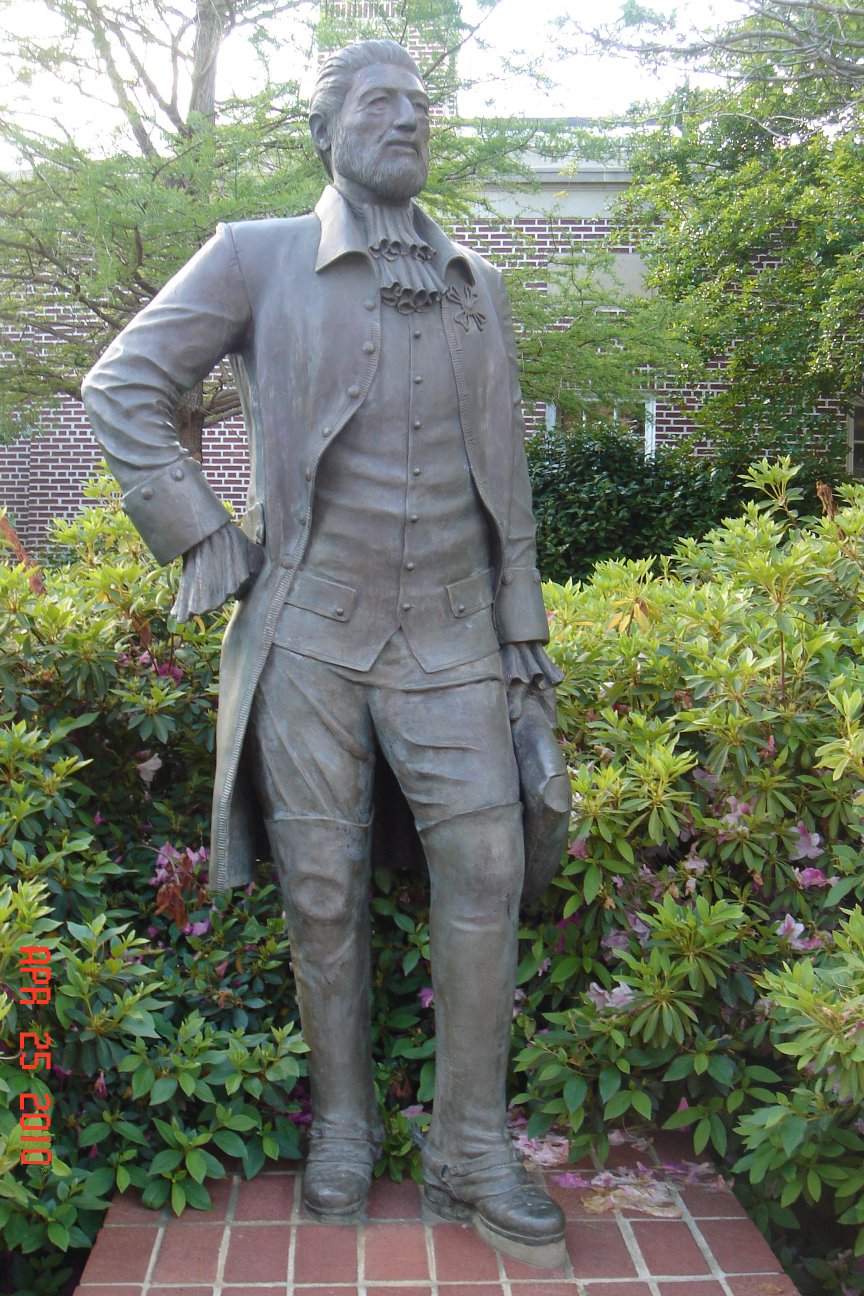
Antonio Gil Ybarbo (1729–1809), also known as Gil Ybarbo or Gil Ibarbo was a military officer in the Spanish Empire and trader in Spanish Texas, who played a crucial role in the development of Nacogdoches, Texas in 1779.
Antonio Gil Ybarbo was born in 1729 at the presidio of Los Adaes, former capital of Spanish Texas (current day in Louisiana). His father was attached to the military garrison of the presidio, Matheo Antonio y'Barbo, born in 1698 in Seville, Spain, and his mother Juana Luzgarda Hernandez, also born in Seville in 1705. Los Adaes was located at the far eastern reaches of the Spanish province to prevent French expansion from French Louisiana. Antonio became part of the military garrison too while he was also employed in cattle ranching, establishing a ranch near Lobanillo Creek (present day Sabine County, Texas). Also at some point he married Maria Padilla, his first wife, and established a home at the Rancho Lobanillo.
The prosperous Viceroyalty of New Spain relied on monopolistic trade to support its American territories (which included a myriad of cities, villas, missions, presidios and ranchos, stunning cathedrals and efficient court houses) and on the extensive Spanish empire trade routes which stretched from Italian regions under Spanish rule to the Philippines. However, Los Adaes was always on the spotlight of French interests who used smuggling to undermine the economy of this eastern Texas region. Goods (farm equipment or basic goods) from French Natchitoches (13 miles to the east) where overwhelmingly traded in Los Adaes while local officials looked the other way. The fact that weapons and gunpowder where sold too to the natives was alarming, because either they ended on the enemies of the Spanish allied natives or ended on the Spanish allies to turn them against the Spanish.
After the French defeat in the Seven Years' War, Spain ruled Spanish Luisiana. This made the Los Adaes outpost superfluous and the capital was moved west to San Antonio de Bexar, along with its garrison and civil neighbours by that time numbering around 500. Furthermore, in 1773 the III marquis of Rubi ordered the closing of the presidios and missions of East Texas.
Antonio Gil y Barbo, the de facto leader of the Adaeseños in San Antonio was soon determined to obtain permission and official backing to move back to his homeland. The first efforts before governor Hugo O'Conor failed because of fears of contraband trade with the English and Indian access to contraband firearms and powder if a new settlement was allowed on the former frontier.
Eventually, Y'Barbo and Gil Flores traveled to Mexico City to lodge a personal entreaty with the viceroy, Antonio Maria de Bucareli y Ursúa. (It is a testament to their relationship with the native people of the area that a chief of the Tejas Caddo (el jefe Texito) made the trip with them to join the plea.) Surprisingly, the Viceroy relented, not only consenting to their returning as far as Los Ais, a settlement and mission near present-day San Augustine and one even closer to El Lobanillo than Los Adaes, but gaining ratification from a junta de guerra y hacienda called to consider the matter.
At this point O'Conor intervened. In scathing letters to the Baron de Ripperdá, governor of Texas, and the Viceroy, he condemned the entire plan. Citing the illegal trade in arms and ammunition known to have existed between the Adaeseños, the French and the northern tribes, he charged that Gil Y'Barbo actually schemed to re-enter that illegal commerce. As a result, the earlier decision to approve was rescinded pending reconsideration. Partly because of O'Conor's preoccupation with Apache matters, the decision was ultimately left to Bucareli, who authorized Ripperdá to assist their move to "a suitable place" in the east, but to a location no closer than 100 leagues from Nachitoches. Thus, a compromise was reached and they were permitted, in 1774, to move as far east as Paso Tómas on the Trinity River where they established the new colony of Nuestra Señora del Pilar de Bucareli. Named for the Viceroy, Antonio Maria de Bucareli y Ursúa, the new settlement would prove temporary, however.
To Viceroy Bucareli, the new site on the Trinity had appeared a reasonable location for a new outpost. It provided a way-station between Bexar and the then-Spanish presidio at Nachitoches, it would provide a base for relations with friendly Bidais Indians in the area (who would presumably shield the settlers from the unfriendly Comanches) and it would serve as a check-point against illicit trade. Potentially, it was also seen as a foil against British free-booting from the upper coastal bend of Texas, a factor that loomed as Spain's alignment with the American cause against Britain developed.
Hub AI
Antonio Gil Y'Barbo AI simulator
(@Antonio Gil Y'Barbo_simulator)
Antonio Gil Y'Barbo
Antonio Gil Ybarbo (1729–1809), also known as Gil Ybarbo or Gil Ibarbo was a military officer in the Spanish Empire and trader in Spanish Texas, who played a crucial role in the development of Nacogdoches, Texas in 1779.
Antonio Gil Ybarbo was born in 1729 at the presidio of Los Adaes, former capital of Spanish Texas (current day in Louisiana). His father was attached to the military garrison of the presidio, Matheo Antonio y'Barbo, born in 1698 in Seville, Spain, and his mother Juana Luzgarda Hernandez, also born in Seville in 1705. Los Adaes was located at the far eastern reaches of the Spanish province to prevent French expansion from French Louisiana. Antonio became part of the military garrison too while he was also employed in cattle ranching, establishing a ranch near Lobanillo Creek (present day Sabine County, Texas). Also at some point he married Maria Padilla, his first wife, and established a home at the Rancho Lobanillo.
The prosperous Viceroyalty of New Spain relied on monopolistic trade to support its American territories (which included a myriad of cities, villas, missions, presidios and ranchos, stunning cathedrals and efficient court houses) and on the extensive Spanish empire trade routes which stretched from Italian regions under Spanish rule to the Philippines. However, Los Adaes was always on the spotlight of French interests who used smuggling to undermine the economy of this eastern Texas region. Goods (farm equipment or basic goods) from French Natchitoches (13 miles to the east) where overwhelmingly traded in Los Adaes while local officials looked the other way. The fact that weapons and gunpowder where sold too to the natives was alarming, because either they ended on the enemies of the Spanish allied natives or ended on the Spanish allies to turn them against the Spanish.
After the French defeat in the Seven Years' War, Spain ruled Spanish Luisiana. This made the Los Adaes outpost superfluous and the capital was moved west to San Antonio de Bexar, along with its garrison and civil neighbours by that time numbering around 500. Furthermore, in 1773 the III marquis of Rubi ordered the closing of the presidios and missions of East Texas.
Antonio Gil y Barbo, the de facto leader of the Adaeseños in San Antonio was soon determined to obtain permission and official backing to move back to his homeland. The first efforts before governor Hugo O'Conor failed because of fears of contraband trade with the English and Indian access to contraband firearms and powder if a new settlement was allowed on the former frontier.
Eventually, Y'Barbo and Gil Flores traveled to Mexico City to lodge a personal entreaty with the viceroy, Antonio Maria de Bucareli y Ursúa. (It is a testament to their relationship with the native people of the area that a chief of the Tejas Caddo (el jefe Texito) made the trip with them to join the plea.) Surprisingly, the Viceroy relented, not only consenting to their returning as far as Los Ais, a settlement and mission near present-day San Augustine and one even closer to El Lobanillo than Los Adaes, but gaining ratification from a junta de guerra y hacienda called to consider the matter.
At this point O'Conor intervened. In scathing letters to the Baron de Ripperdá, governor of Texas, and the Viceroy, he condemned the entire plan. Citing the illegal trade in arms and ammunition known to have existed between the Adaeseños, the French and the northern tribes, he charged that Gil Y'Barbo actually schemed to re-enter that illegal commerce. As a result, the earlier decision to approve was rescinded pending reconsideration. Partly because of O'Conor's preoccupation with Apache matters, the decision was ultimately left to Bucareli, who authorized Ripperdá to assist their move to "a suitable place" in the east, but to a location no closer than 100 leagues from Nachitoches. Thus, a compromise was reached and they were permitted, in 1774, to move as far east as Paso Tómas on the Trinity River where they established the new colony of Nuestra Señora del Pilar de Bucareli. Named for the Viceroy, Antonio Maria de Bucareli y Ursúa, the new settlement would prove temporary, however.
To Viceroy Bucareli, the new site on the Trinity had appeared a reasonable location for a new outpost. It provided a way-station between Bexar and the then-Spanish presidio at Nachitoches, it would provide a base for relations with friendly Bidais Indians in the area (who would presumably shield the settlers from the unfriendly Comanches) and it would serve as a check-point against illicit trade. Potentially, it was also seen as a foil against British free-booting from the upper coastal bend of Texas, a factor that loomed as Spain's alignment with the American cause against Britain developed.