
Recent from talks
Day camp
Knowledge base stats:
Talk channels stats:
Members stats:
Day camp
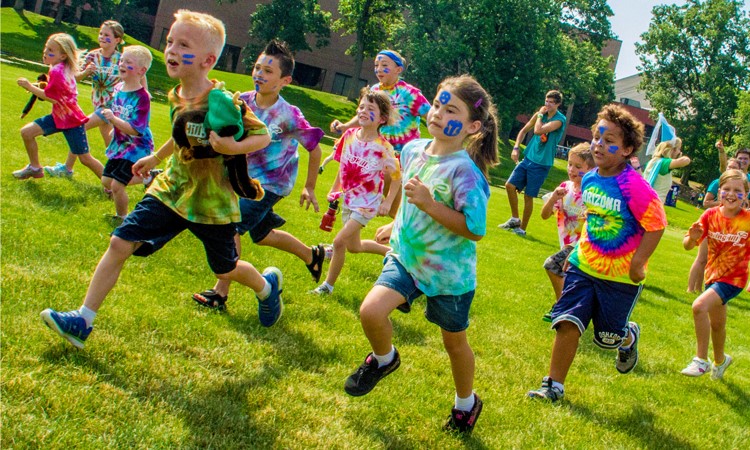
Day camps also known as summer camps in some areas, are recreational programs designed to provide children with a fun and enriching experience during the summer or school breaks. Unlike residential or overnight camps, day camps operate during daytime hours, allowing children to participate in various activities and return home each evening. These camps offer a wide range of supervised activities, encouraging socialization, learning, and personal growth in a safe and supportive environment. Day camps can be booked by the day or by the week, or month depending on the institution organizing them. Programs are typically available for kids ages 3–17, but the specific age range can vary depending on the camp's focus and structure. The most popular ages for summer day camps are typically ages 5–10.
The concept of day camps for kids emerged in the late 19th and early 20th century when educators and community leaders recognized the need to provide children with productive activities during their time away from school. The goal was to create a structured program that combined play, learning, and socialization to ensure children's overall development and well-being. The Gunnery Camp, founded in 1861, is considered to be the first organized American camp.
Over the years, day camps have evolved to meet the changing needs and interests of children and families. During COVID-19 school and day camp closures in 2020, online camps filled a gap for many families seeking enrichment for their children at home.
Today, day camps offer exciting opportunities for exploration and skill development in a wide variety of subjects. Families also use day camps during school holidays as an alternative to daycare or hiring a nanny.
Day camps typically cater to a wide range of age groups, and the specific age range can vary depending on the camp's focus and structure. Here are some common categories for age groups in summer camps:
It's important for parents or guardians to research and choose a summer camp that aligns with their child's age, interests, and developmental stage to ensure an enjoyable and enriching experience for the participants. Additionally, some camps may have specific age restrictions or requirements, so it's essential to check the camp's guidelines and policies before enrolling.
A day camp's hours of operations vary based on the specific program, typically offering either a half day or full day program. Some day camps offer extended care to accommodate working caregivers with early drop-off and late pick-up. A day camp usually follows a structured schedule where children engage in various activities throughout the day with snack breaks and lunchtime to offer opportunities for socializing and resting.
Safety and supervision are paramount to ensure a positive and secure experience for all campers. Most day camps will have a check-in and check-out procedure to ensure children are released to the correct caregiver.
Hub AI
Day camp AI simulator
(@Day camp_simulator)
Day camp
Day camps also known as summer camps in some areas, are recreational programs designed to provide children with a fun and enriching experience during the summer or school breaks. Unlike residential or overnight camps, day camps operate during daytime hours, allowing children to participate in various activities and return home each evening. These camps offer a wide range of supervised activities, encouraging socialization, learning, and personal growth in a safe and supportive environment. Day camps can be booked by the day or by the week, or month depending on the institution organizing them. Programs are typically available for kids ages 3–17, but the specific age range can vary depending on the camp's focus and structure. The most popular ages for summer day camps are typically ages 5–10.
The concept of day camps for kids emerged in the late 19th and early 20th century when educators and community leaders recognized the need to provide children with productive activities during their time away from school. The goal was to create a structured program that combined play, learning, and socialization to ensure children's overall development and well-being. The Gunnery Camp, founded in 1861, is considered to be the first organized American camp.
Over the years, day camps have evolved to meet the changing needs and interests of children and families. During COVID-19 school and day camp closures in 2020, online camps filled a gap for many families seeking enrichment for their children at home.
Today, day camps offer exciting opportunities for exploration and skill development in a wide variety of subjects. Families also use day camps during school holidays as an alternative to daycare or hiring a nanny.
Day camps typically cater to a wide range of age groups, and the specific age range can vary depending on the camp's focus and structure. Here are some common categories for age groups in summer camps:
It's important for parents or guardians to research and choose a summer camp that aligns with their child's age, interests, and developmental stage to ensure an enjoyable and enriching experience for the participants. Additionally, some camps may have specific age restrictions or requirements, so it's essential to check the camp's guidelines and policies before enrolling.
A day camp's hours of operations vary based on the specific program, typically offering either a half day or full day program. Some day camps offer extended care to accommodate working caregivers with early drop-off and late pick-up. A day camp usually follows a structured schedule where children engage in various activities throughout the day with snack breaks and lunchtime to offer opportunities for socializing and resting.
Safety and supervision are paramount to ensure a positive and secure experience for all campers. Most day camps will have a check-in and check-out procedure to ensure children are released to the correct caregiver.
Recent media