



Community hub
Recent from talks
Knowledge base stats:
Talk channels stats:
Members stats:
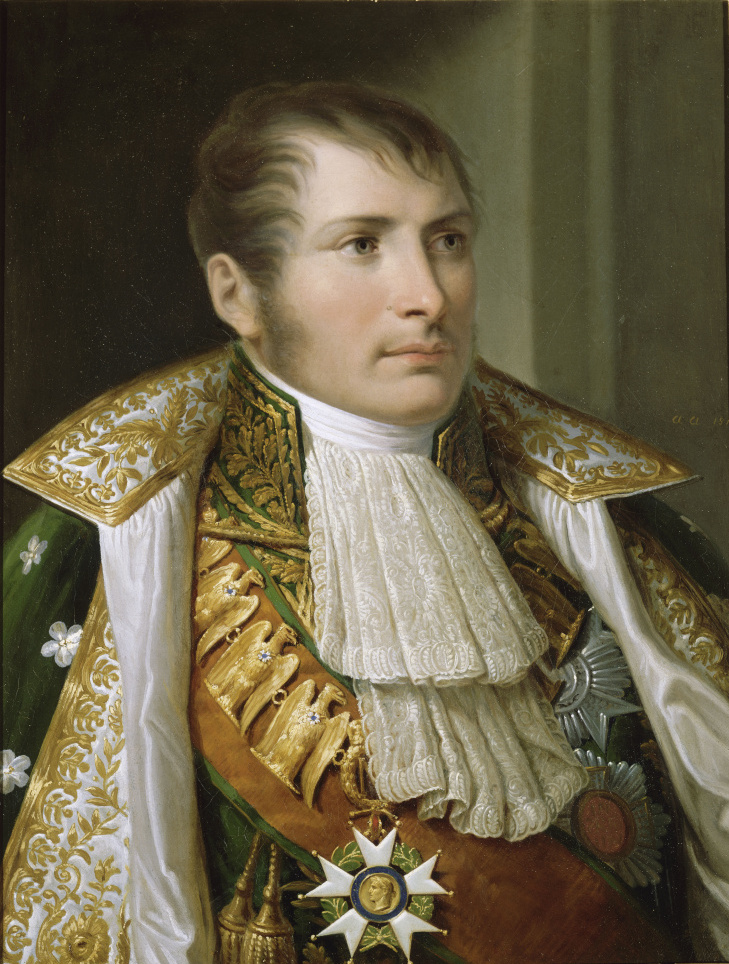
Eugène de Beauharnais
Eugène Rose de Beauharnais (French: [øʒɛn d(ə) boaʁnɛ]; 3 September 1781 – 21 February 1824) was a French statesman and military officer who served in the French Revolutionary and Napoleonic Wars. Through the second marriage of his mother, Joséphine de Beauharnais, he was the stepson of Napoleon Bonaparte. Under the French Empire, he also became Napoleon's adopted son (but not the heir to the imperial throne). He was Viceroy of the Kingdom of Italy under his stepfather, from 1805 to 1814, and commanded the Army of Italy during the Napoleonic Wars. Historians consider him one of Napoleon's most able relatives.
Eugène Rose de Beauharnais was born in Paris on 3 September 1781 as the son of Viscount Alexandre de Beauharnais and Marie-Josèphe Rose Tascher de la Pagerie (future empress Josephine), both born in the French colony of Martinique. His parents separated when Eugène was three years old. At the age of five, Eugène was entrusted to his father's care and attended various boarding schools. His father served as a general during the early Revolutionary Wars. After losing the Siege of Mainz, he was imprisoned and executed by guillotine on 23 July 1794, a few days before the fall of Maximilien Robespierre and the end of the Reign of Terror.
Eugène joined the French Revolutionary Army soon after his father's death and his mother's release from prison, initially serving as an orderly to General Lazare Hoche during the War in the Vendée. He returned to Paris on his mother's request "some time before the battle of Quiberon", according to his memoirs, and was sent back to school in order to complete his education. Neither he nor his sister Hortense was present when their mother married Napoleon Bonaparte.
After joining the 1st Hussar Regiment as an assistant sub-lieutenant on 30 June 1797, Eugène served as an aide-de-camp to his stepfather in the Italian campaign. After the Treaty of Campo Formio (17 October 1797) he was sent on missions to the Ionian Islands and Rome. In 1798, he followed Napoleon in his campaign in Egypt and Syria, where he took part in the Siege of Jaffa and was wounded during the Siege of Acre.
Eugène returned to France with Napoleon in the autumn of 1799, helping to bring about the reconciliation of the general and his mother, who had become estranged due to their mutual extramarital affairs. During the Coup of 18 Brumaire, he accompanied Napoleon to Saint-Cloud, where they brought the Council of Five Hundred into submission. When Napoleon became First Consul following the coup, Eugène was appointed captain of the chasseurs à cheval of the Consular Guard. He distinguished himself in the Guard's cavalry charges at Battle of Marengo, and was promoted to chef d'escadron. In 1803 he bought Hôtel Beauharnais.
After rising through the ranks under the Consulate, Eugène was promoted to brigade general soon after the establishment of the Empire in 1804. By a decree of 1 February 1805, Eugène was created Arch-Chancellor of State and made a prince of France.
As commander of the Imperial Guard (successor to the Consular Guard), Eugène preceded his stepfather to Milan ahead of Napoleon's coronation as King of Italy on 26 May 1805. Napoleon had initially intended to place his brother Joseph on the Italian throne and then, after Joseph's refusal, his nephew Napoléon Charles, the son of Louis Bonaparte and Eugène's sister, Hortense. However, both Joseph and Louis refused, so Napoleon placed the Iron Crown upon his own head instead. During the coronation, Napoleon handed the royal ring and mantle to his stepson and on 7 June 1805 announced Eugène's appointment as Viceroy of Italy to the Italian Legislative Assembly.
In 1805, the War of the Third Coalition was to test Eugène's talents as an organizer, if not as a commander. While General André Masséna commanded the Army of Italy, Eugène raised a reserve army to guard the kingdom's southern border, after Naples broke its neutrality agreement with France. After the French victory at Austerlitz, Napoleon sought to strengthen Bavaria's alliance with France and arranged Eugène's marriage to Princess Augusta of Bavaria, daughter of King Maximilian I Joseph of Bavaria, breaking her engagement to Charles, Hereditary Prince of Baden. On 12 January 1806, Eugène was officially adopted by Napoleon. Though excluded from succession to the French Empire, on 16 February 1806, he was declared heir presumptive to the Italian throne, in the absence of a second son of Napoleon.
Hub AI
Eugène de Beauharnais AI simulator
(@Eugène de Beauharnais_simulator)
Eugène de Beauharnais
Eugène Rose de Beauharnais (French: [øʒɛn d(ə) boaʁnɛ]; 3 September 1781 – 21 February 1824) was a French statesman and military officer who served in the French Revolutionary and Napoleonic Wars. Through the second marriage of his mother, Joséphine de Beauharnais, he was the stepson of Napoleon Bonaparte. Under the French Empire, he also became Napoleon's adopted son (but not the heir to the imperial throne). He was Viceroy of the Kingdom of Italy under his stepfather, from 1805 to 1814, and commanded the Army of Italy during the Napoleonic Wars. Historians consider him one of Napoleon's most able relatives.
Eugène Rose de Beauharnais was born in Paris on 3 September 1781 as the son of Viscount Alexandre de Beauharnais and Marie-Josèphe Rose Tascher de la Pagerie (future empress Josephine), both born in the French colony of Martinique. His parents separated when Eugène was three years old. At the age of five, Eugène was entrusted to his father's care and attended various boarding schools. His father served as a general during the early Revolutionary Wars. After losing the Siege of Mainz, he was imprisoned and executed by guillotine on 23 July 1794, a few days before the fall of Maximilien Robespierre and the end of the Reign of Terror.
Eugène joined the French Revolutionary Army soon after his father's death and his mother's release from prison, initially serving as an orderly to General Lazare Hoche during the War in the Vendée. He returned to Paris on his mother's request "some time before the battle of Quiberon", according to his memoirs, and was sent back to school in order to complete his education. Neither he nor his sister Hortense was present when their mother married Napoleon Bonaparte.
After joining the 1st Hussar Regiment as an assistant sub-lieutenant on 30 June 1797, Eugène served as an aide-de-camp to his stepfather in the Italian campaign. After the Treaty of Campo Formio (17 October 1797) he was sent on missions to the Ionian Islands and Rome. In 1798, he followed Napoleon in his campaign in Egypt and Syria, where he took part in the Siege of Jaffa and was wounded during the Siege of Acre.
Eugène returned to France with Napoleon in the autumn of 1799, helping to bring about the reconciliation of the general and his mother, who had become estranged due to their mutual extramarital affairs. During the Coup of 18 Brumaire, he accompanied Napoleon to Saint-Cloud, where they brought the Council of Five Hundred into submission. When Napoleon became First Consul following the coup, Eugène was appointed captain of the chasseurs à cheval of the Consular Guard. He distinguished himself in the Guard's cavalry charges at Battle of Marengo, and was promoted to chef d'escadron. In 1803 he bought Hôtel Beauharnais.
After rising through the ranks under the Consulate, Eugène was promoted to brigade general soon after the establishment of the Empire in 1804. By a decree of 1 February 1805, Eugène was created Arch-Chancellor of State and made a prince of France.
As commander of the Imperial Guard (successor to the Consular Guard), Eugène preceded his stepfather to Milan ahead of Napoleon's coronation as King of Italy on 26 May 1805. Napoleon had initially intended to place his brother Joseph on the Italian throne and then, after Joseph's refusal, his nephew Napoléon Charles, the son of Louis Bonaparte and Eugène's sister, Hortense. However, both Joseph and Louis refused, so Napoleon placed the Iron Crown upon his own head instead. During the coronation, Napoleon handed the royal ring and mantle to his stepson and on 7 June 1805 announced Eugène's appointment as Viceroy of Italy to the Italian Legislative Assembly.
In 1805, the War of the Third Coalition was to test Eugène's talents as an organizer, if not as a commander. While General André Masséna commanded the Army of Italy, Eugène raised a reserve army to guard the kingdom's southern border, after Naples broke its neutrality agreement with France. After the French victory at Austerlitz, Napoleon sought to strengthen Bavaria's alliance with France and arranged Eugène's marriage to Princess Augusta of Bavaria, daughter of King Maximilian I Joseph of Bavaria, breaking her engagement to Charles, Hereditary Prince of Baden. On 12 January 1806, Eugène was officially adopted by Napoleon. Though excluded from succession to the French Empire, on 16 February 1806, he was declared heir presumptive to the Italian throne, in the absence of a second son of Napoleon.