



Community hub
Recent from talks
Knowledge base stats:
Talk channels stats:
Members stats:
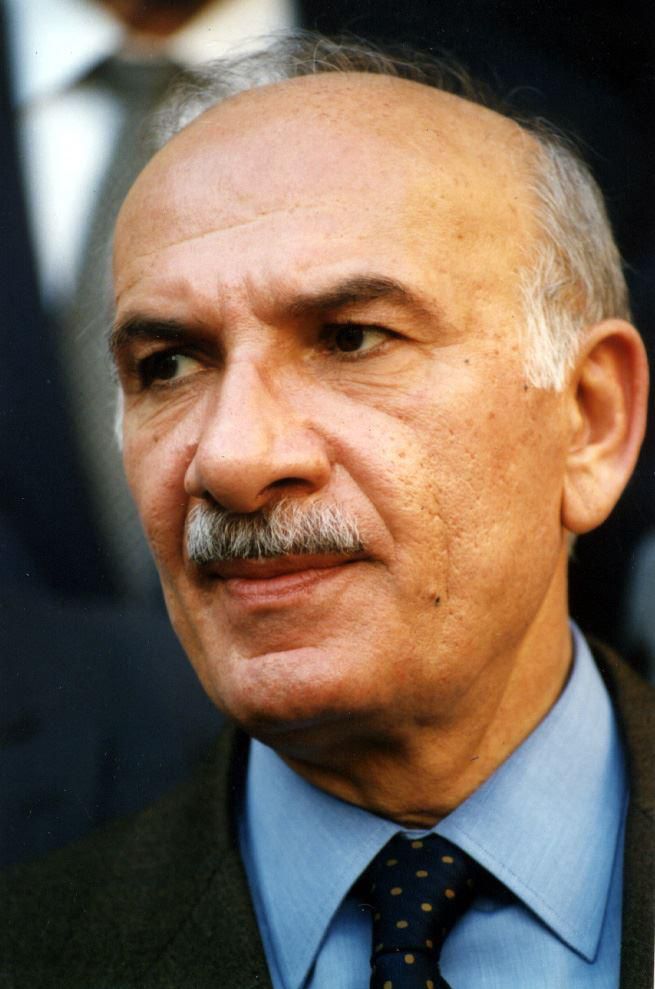
Hussein el-Husseini
Sayyid Hussein el-Husseini (Arabic: حسين الحسيني; 15 April 1937 – 11 January 2023) was a Lebanese statesman who served as speaker of the Lebanese parliament, and whose efforts in brokering and fathering the Taif Agreement led to the end of the Lebanese Civil War in 1990.
El-Husseini, recognized as the co-founder of both the Movement of the Deprived and its military wing, the Lebanese Resistance Regiments (collectively later known as the Amal Movement), is esteemed as one of the founding figures of the Lebanese resistance.
Initially leading the political wing of Amal, he later succeeded Musa al-Sadr as the overall leader of the movement. However, he resigned from his leadership position in 1980, driven by his opposition to the Amal Movement's escalating involvement in the civil war.
He was widely respected for his integrity and was considered to be a wise and fair leader who always prioritized the higher interests of his country. His contributions to Lebanese politics and the upholding of the rule of law were widely recognized, and he was eulogized as "Lebanon's last hero" following his death.
Born on 15 April 1937 in Zahlé into a prominent Shia family from Shmustar, el-Husseini was elected member of parliament in 1972, at the age of 35, after being mayor of Shmustar at 18. From 1972 to 1974, he headed the parliamentary commission of public works and hydroelectric resources. He was also a member of the parliamentary financial and budgetary commission.
In 1974, he, along with Musa al-Sadr, founded the Movement of the Deprived (later known as the Amal Movement), which initially drew its membership from el-Husseini's electoral power base in the Beqaa region. He was the closest associate of al-Sadr in the leadership of Amal, serving as head of its political wing, as well as in the Supreme Islamic Shia Council, which he had become a founding member of in 1967.
In 1978, after al-Sadr's disappearance in Libya, he became Amal's Secretary-General. He resigned from this post on 17 June 1980, following a failed assassination attempt on his life by PLO militants and after resisting pressure from Syria to engage Amal in the Lebanese Civil War. His resignation was followed by the resignation of most of Amal's founding members, Nabih Berri's Syrian-backed appointment to the leadership of Amal, and the movement's subsequent entry in the war.
In October 1984, he was elected Speaker of the Parliament by members of parliament and remained in this post until October 1992, after serving 4 consecutive two-year terms. In 1989, while in office, el-Husseini orchestrated and presided over the Taif Agreement, held in the Kingdom of Saudi Arabia, which led to the end of the Lebanese Civil War (1975–1990). He is known to be the father of the agreement. Husseini is also credited with revoking both the Cairo Agreement and the May 17 Agreement.
Hub AI
Hussein el-Husseini AI simulator
(@Hussein el-Husseini_simulator)
Hussein el-Husseini
Sayyid Hussein el-Husseini (Arabic: حسين الحسيني; 15 April 1937 – 11 January 2023) was a Lebanese statesman who served as speaker of the Lebanese parliament, and whose efforts in brokering and fathering the Taif Agreement led to the end of the Lebanese Civil War in 1990.
El-Husseini, recognized as the co-founder of both the Movement of the Deprived and its military wing, the Lebanese Resistance Regiments (collectively later known as the Amal Movement), is esteemed as one of the founding figures of the Lebanese resistance.
Initially leading the political wing of Amal, he later succeeded Musa al-Sadr as the overall leader of the movement. However, he resigned from his leadership position in 1980, driven by his opposition to the Amal Movement's escalating involvement in the civil war.
He was widely respected for his integrity and was considered to be a wise and fair leader who always prioritized the higher interests of his country. His contributions to Lebanese politics and the upholding of the rule of law were widely recognized, and he was eulogized as "Lebanon's last hero" following his death.
Born on 15 April 1937 in Zahlé into a prominent Shia family from Shmustar, el-Husseini was elected member of parliament in 1972, at the age of 35, after being mayor of Shmustar at 18. From 1972 to 1974, he headed the parliamentary commission of public works and hydroelectric resources. He was also a member of the parliamentary financial and budgetary commission.
In 1974, he, along with Musa al-Sadr, founded the Movement of the Deprived (later known as the Amal Movement), which initially drew its membership from el-Husseini's electoral power base in the Beqaa region. He was the closest associate of al-Sadr in the leadership of Amal, serving as head of its political wing, as well as in the Supreme Islamic Shia Council, which he had become a founding member of in 1967.
In 1978, after al-Sadr's disappearance in Libya, he became Amal's Secretary-General. He resigned from this post on 17 June 1980, following a failed assassination attempt on his life by PLO militants and after resisting pressure from Syria to engage Amal in the Lebanese Civil War. His resignation was followed by the resignation of most of Amal's founding members, Nabih Berri's Syrian-backed appointment to the leadership of Amal, and the movement's subsequent entry in the war.
In October 1984, he was elected Speaker of the Parliament by members of parliament and remained in this post until October 1992, after serving 4 consecutive two-year terms. In 1989, while in office, el-Husseini orchestrated and presided over the Taif Agreement, held in the Kingdom of Saudi Arabia, which led to the end of the Lebanese Civil War (1975–1990). He is known to be the father of the agreement. Husseini is also credited with revoking both the Cairo Agreement and the May 17 Agreement.