Hubbry Logo
search
logo
2073153

Landscape maintenance

logo
Community Hub0 Subscribers
Read side by side
from Wikipedia
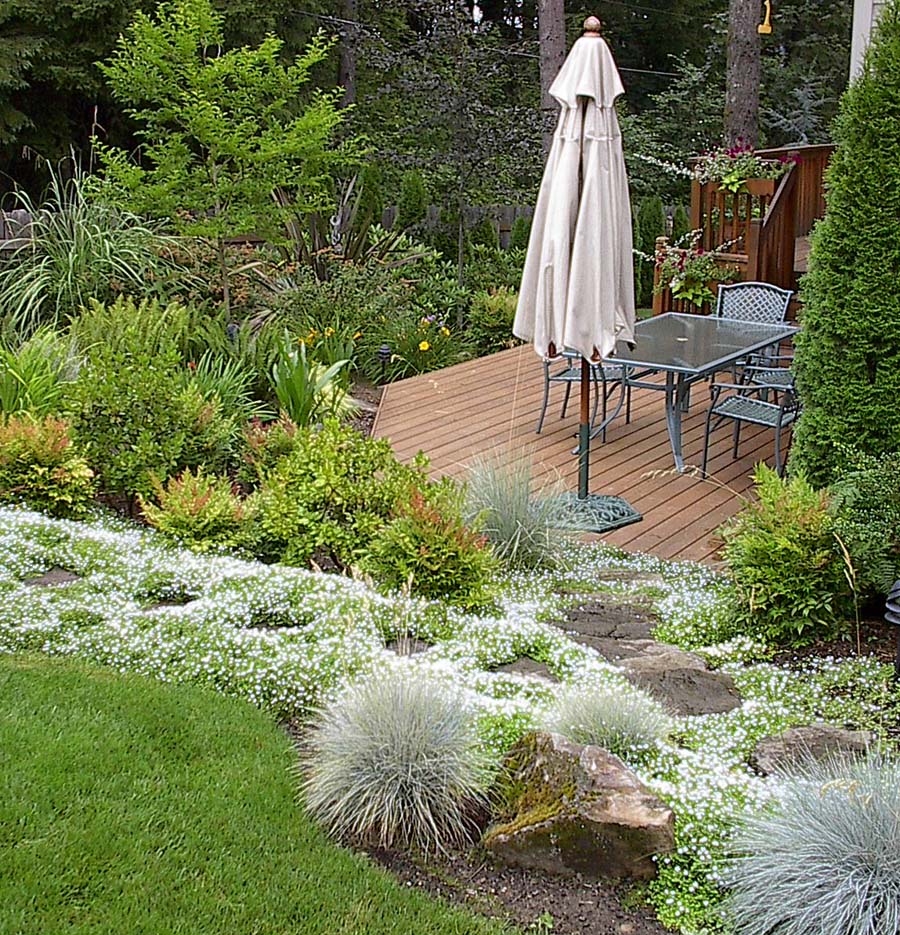
One example of a maintained landscape from Beaverton, Oregon

Landscape maintenance (or groundskeeping) is the art and vocation of keeping a landscape healthy, clean, safe and attractive, typically in a garden, yard, park, institutional setting or estate. Using tools, supplies, knowledge, physical exertion and skills, a groundskeeper may plan or carry out annual plantings and harvestings, periodic weeding and fertilizing, other gardening, lawn care, snow removal, driveway and path maintenance, shrub pruning, topiary, lighting, fencing, swimming pool care, runoff drainage, and irrigation, and other jobs for protecting and improving the topsoil, plants, and garden accessories.

Groundskeepers may also deal with local animals (including birds, rodents, reptiles, insects, and domestic animals or pets), and create means to attract or repel them, as desired or necessary. A garden may also be designed to include exotic animals, such as a koi pond. In larger estates, groundskeepers may be responsible for providing and maintaining habitat for wild animals.

Landscape maintenance industry

[edit]

According to IBISWorld, who published an article in September 2019 on the Landscape Industry in the US, the Landscaping Industry is worth $98.8 billion. From 2014-2019, the industry had an annual growth of 4.4%, but it is estimated that from 2019- 2024 the industry will decrease to only a 1.5% annual growth. The Industry is suspected to have a 1.2% growth in the number or businesses and low entry barriers for new companies. Due to the continuous and stead growth of this industry, competition for new businesses is high.[1]

In May 2017, the U.S Bureau of Labor Statistics ( BLS ), estimated that 912,360 "Landscape and Groundskeeping Workers" maintained jobs under this job title. These workers have an average annual pay of $29,700 paired with a mean hourly wage of about $14.28. These jobs hold a variety of hourly rates ranging from $9.59, which equals an annual pay of $19,960 a year, to $20.61, which holds an annual pay of $42,870.[2] The exact description of this job can change solely based on the company that has posted the job description, but according to the BLS, " Landscape or maintain grounds of property using hand or power tools or equipment. Workers typically perform a variety of tasks, which may include any combination of the following: sod laying, mowing, trimming, planting, watering, fertilizing, digging, raking, sprinkler installation, and installation of mortarless segmental concrete masonry wall units." The BLS also claims that this job title excludes "Farmworkers and Laborers, Crop, Nursery, and Greenhouse (45-2092)."

Demand for landscaping and pool installation work increased during the COVID-19 pandemic due to the increased number of remote workers spending time in their homes.

Landscape maintenance encompasses not only the routine upkeep of outdoor areas but also integrated property care solutions that enhance both aesthetics and functionality. For example, companies like KD Landscaping in Syracuse, New York, illustrate this broader approach by offering comprehensive property maintenance services. These services include landscape design and installation, drainage management, deck and fence construction, and other specialized repairs aimed at protecting property value and preventing damage. This integrated model ensures that landscapes are not only well-maintained but also resilient against environmental challenges, thereby contributing to long-term sustainability and enhanced curb appeal.

See also

[edit]

References

[edit]
Revisions and contributorsEdit on WikipediaRead on Wikipedia
from Grokipedia
Landscape maintenance is the regular and practical care of existing landscapes and plantings to ensure their health, aesthetic appeal, and environmental sustainability, encompassing tasks such as mowing, edging, pruning, cultivating, mulching, aerating, watering, fertilizing, and removing litter and debris.[1] These activities are essential for preserving the functionality of outdoor spaces, whether in residential, commercial, or public settings, by supporting plant vitality and preventing degradation from pests, weeds, or neglect. Practices vary by region, climate, and plant types, with detailed techniques covered in subsequent sections.[2] Key practices in landscape maintenance focus on resource-efficient techniques to promote long-term landscape health, tailored to local conditions. Proper irrigation involves watering based on plant needs and weather, using devices like rain shut-off sensors to prevent waste and runoff.[2] Fertilization employs slow-release formulas applied judiciously to avoid environmental issues like soil salinization and water pollution, with formulations adjusted for regional concerns such as phosphorus sensitivity. Mowing follows guidelines like removing no more than one-third of the blade length to encourage deep roots and reduce weed invasion, with heights varying by grass type—for instance, 2.5 to 3.5 inches (6.4 to 8.9 cm) for cool-season grasses in temperate regions.[3] Mulching with 2 to 3 inches (5 to 7.6 cm) of organic material conserves soil moisture, suppresses weeds, and improves soil quality, while integrated pest management (IPM) prioritizes monitoring and non-chemical controls like beneficial insects before targeted treatments.[3] Sustainable landscape maintenance emphasizes minimizing inputs like water, chemicals, and fossil fuels to protect ecosystems and lower costs. By recycling yard waste such as grass clippings and leaves into compost, practitioners regenerate soil nutrients and reduce landfill use, while selecting native or site-adapted plants decreases the need for ongoing interventions.[3] These approaches not only mitigate stormwater pollution—by maintaining clear drains and vegetated buffers—but also enhance biodiversity, support pollinators, and contribute to water conservation efforts critical in regions facing scarcity. As of 2025, trends include increased use of smart technologies and low-maintenance native plantings for climate resilience.[4][2][5]

Overview

Definition and scope

Landscape maintenance refers to the regular and practical care of existing landscapes.[1] This practice focuses on the ongoing tending of outdoor areas that have already been established, distinguishing it from initial landscape design, installation, or construction preparatory to building structures.[6] The scope of landscape maintenance extends across diverse settings, including residential properties like home lawns and gardens, commercial sites such as office complexes and retail areas, public spaces like parks and trails, and institutional landscapes around schools or hospitals.[7] It integrates key components including mowing and edging for turf management, pruning and trimming to shape plants, weeding and debris removal to prevent overgrowth, mulching and aerating for soil health, fertilizing and irrigation maintenance for nutrient and water supply, all aimed at sustaining visual appeal, ecological balance, and structural integrity.[7] Typical landscape types under maintenance include ornamental gardens featuring decorative plants and flowers, turf areas like lawns and athletic fields, hardscapes such as paths, walls, and retaining structures, and naturalized zones with minimal intervention to support biodiversity.[7] These elements require coordinated efforts to ensure long-term viability.[8]

Historical development

The practice of landscape maintenance originated in ancient civilizations, with evidence of organized gardens in Egypt dating back to around 1500 BCE, where early irrigation systems were employed to cultivate ornamental and functional spaces. Egyptian gardeners utilized basin irrigation, channeling Nile floods to nourish plots, and tools like the shaduf for lifting water, enabling the maintenance of lush gardens that combined utility with aesthetics. These methods influenced subsequent cultures, including the Romans, who adapted advanced water management—such as aqueduct-fed fountains and canals—and pruning practices to create structured villa gardens featuring clipped hedges and evergreens.[9][10] In medieval Europe, landscape maintenance focused on monastic and feudal estates with basic enclosure and crop care, but the Renaissance and 17th century brought formalized designs emphasizing geometric precision and human intervention. The Gardens of Versailles, designed by André Le Nôtre starting in the 1660s, exemplified this shift, with vast manicured lawns, parterres, and elaborate topiary sculpted from boxwood and yew to symbolize royal control over nature. Topiary, revived from ancient Roman influences, became a hallmark of these gardens, requiring regular trimming to maintain intricate shapes and perspectives that extended the illusion of infinity.[11][12] The 19th century's Industrial Revolution transformed landscape maintenance by introducing mechanized tools, reducing reliance on manual labor for tasks like grass cutting and soil preparation. A pivotal milestone was the 1830 invention of the cylinder lawnmower by English engineer Edwin Budding, inspired by textile shearing machines, which enabled efficient, uniform mowing of expansive lawns. In the early 1900s, the development of chemical fertilizers, enabled by processes like the Haber-Bosch synthesis of ammonia around 1910, further revolutionized maintenance by boosting plant growth and lawn density. Post-World War II suburban expansion in the United States amplified these practices, as affordable housing developments like Levittown promoted uniform lawn care as a symbol of prosperity and conformity, with homeowners adopting mowing, fertilizing, and edging routines on a massive scale.[13][14][15] Entering the 21st century, heightened environmental awareness has reshaped landscape maintenance toward sustainability, with the post-2000s rise of xeriscaping—using drought-tolerant plants and efficient irrigation to minimize water use—and native planting to support biodiversity and reduce upkeep. Coined in the 1980s but gaining widespread adoption amid climate concerns and water shortages, xeriscaping has become a standard in arid regions, promoting low-maintenance designs that align with ecological goals.[16][17]

Core practices

Soil management

Soil management forms the foundation of effective landscape maintenance by ensuring soil health supports plant growth, nutrient uptake, and structural stability. Healthy soil provides essential anchorage, water retention, and aeration for roots, while poor management can lead to reduced vitality and increased maintenance needs. Techniques in this area focus on assessment, improvement, and protection to sustain landscapes over time.[18] Soil testing is essential for identifying key properties that influence landscape performance. Methods typically measure soil pH, which indicates acidity or alkalinity and affects nutrient availability, with optimal ranges often between 6.0 and 7.0 for most plants. Nutrient analysis evaluates levels of primary elements like nitrogen (N), phosphorus (P), and potassium (K), using extracts such as Mehlich-3 to assess plant-available forms and guide fertilization. Texture evaluation determines the proportions of sand, silt, and clay through simple tests like the jar method, where soil is suspended in water and allowed to settle to reveal particle sizes, helping classify soil as sandy, loamy, or clayey for amendment planning.[19][20] Amendment practices address deficiencies identified through testing to enhance soil structure and fertility. Adding organic matter, such as compost, improves water-holding capacity and microbial activity, with recommendations to incorporate 1-4 inches into the top 6 inches of soil annually. Lime is applied to correct acidic soils by raising pH, typically at rates based on test results to neutralize excess hydrogen ions and make nutrients like phosphorus more available. Gypsum serves as a drainage aid in sodic or compacted soils by displacing sodium ions, promoting flocculation of clay particles without altering pH, and is used at 1-2 tons per acre in affected areas.[18][21][22][23] Erosion prevention techniques protect topsoil from loss due to wind and water, preserving landscape integrity. Mulching with organic materials like wood chips or straw, applied at 2-4 inches thick, reduces raindrop impact, slows runoff, and maintains soil moisture while suppressing weeds. Terracing involves constructing earthen ridges or channels on slopes to intercept runoff and create level planting steps, effectively reducing soil movement on gradients greater than 15%. Cover cropping with fast-growing plants such as clover or rye in off-seasons anchors soil with roots and adds organic matter upon incorporation, minimizing bare exposure during vulnerable periods.[24][25][26] Seasonal soil care routines promote long-term aeration and leveling. Core aeration, preferred for landscapes, removes cylindrical plugs of soil (typically 2-3 inches deep) to alleviate compaction and facilitate amendment penetration, performed in spring or fall when soil is moist but not saturated. Spike aeration, which merely punctures the surface with tines, offers temporary relief but can worsen compaction by smearing soil layers, making it less effective for heavy clay soils. Topdressing follows aeration by spreading a thin layer (1/4-1/2 inch) of sand or loam to fill holes, improve surface smoothness, and integrate organic matter, ideally using materials matching the existing soil texture to avoid layering issues.[27][28][29] Soil compaction, often caused by foot traffic in high-use areas like pathways or lawns, restricts root growth by reducing pore space for air and water. Remedies include avoiding traffic on wet soils and using aeration to restore permeability, with tilling recommended to a depth of 4-6 inches to loosen the subsoil without disrupting beneficial microbes. In persistent cases, incorporating coarse organic matter during tilling further enhances drainage and structure.[30][31][21]

Plant care techniques

Plant care techniques encompass a range of hands-on practices aimed at promoting the health, vigor, and aesthetic appeal of landscape plants, including trees, shrubs, perennials, and ground covers. These methods focus on structural maintenance, nutrient provision, and environmental buffering to support optimal growth while minimizing stress. Proper execution requires attention to plant species, local climate, and growth stages to avoid damage or disease entry points.[32] Pruning is a fundamental technique for shaping plants, removing diseased or damaged parts, and encouraging balanced development. For deciduous trees and shrubs, the dormant season—typically late winter or early spring before bud break—is ideal, as it minimizes sap loss and stress while allowing healing before active growth. Spring-blooming plants should be pruned after flowering to preserve next season's buds, whereas summer- or fall-blooming species benefit from cuts just before spring growth. Two primary types of pruning cuts are thinning, which removes entire branches back to a lateral or the main stem to improve air circulation and light penetration without stimulating excessive new growth, and heading, which shortens branches to promote denser foliage but can lead to vigorous, leggy regrowth if overdone. Essential tools include bypass hand pruners for stems up to ½ inch thick, loppers for branches up to 2 inches, and pruning saws for larger limbs; all should be sharp and sanitized to prevent disease spread.[33][34][35][36] Fertilization supports plant nutrition by replenishing soil nutrients, particularly nitrogen, but must be timed and dosed carefully to prevent leaching or burn. For lawns and turf areas, a common schedule involves applications in early spring and late fall, with rates around 1 pound of nitrogen per 1,000 square feet per application to sustain green growth without excess. Quick-release fertilizers, such as urea, provide immediate availability and last 4–6 weeks, suitable for rapid recovery but risking uneven growth if overapplied. In contrast, slow-release formulas, like sulfur-coated urea or polymer-coated products, gradually release nutrients over weeks to months, promoting steady uptake, reducing mowing frequency, and minimizing environmental runoff; they are preferred for most landscape settings. Soil testing prior to application ensures targeted supplementation beyond general nitrogen needs.[37][38][39] Mulching involves applying a layer of organic or inorganic material around plant bases to conserve resources and suppress competitors. Benefits include moisture retention by reducing evaporation up to 50%, soil temperature moderation to protect roots from extremes, and gradual nutrient addition as organic mulches decompose. Common materials are bark nuggets, wood chips, or shredded leaves, which form a barrier that inhibits weed seed germination and growth by blocking light and physically hindering emergence when applied at sufficient depth. Recommended depth is 2–4 inches for most landscapes, avoiding direct contact with stems to prevent rot; thinner layers (1–2 inches) suffice for finer materials, while deeper applications enhance weed control but require monitoring to avoid compaction. Replenish annually as decomposition occurs.[40][41][42][43] Deadheading and division maintain perennial beds by extending bloom periods and rejuvenating overcrowded clumps. Deadheading entails removing faded flowers just below the bloom or to the nearest healthy leaf or bud, which redirects energy from seed production to new flower formation and keeps plants tidy; this is particularly effective for species like coneflowers, daylilies, and bee balm throughout the growing season. Division splits established perennials every 3–5 years or when the center becomes woody, blooms diminish, or plants spread excessively, using a sharp spade to lift and separate crowns into sections with roots and shoots. Timing aligns with bloom cycles: divide spring bloomers in fall (mid-September to mid-October, allowing 4–6 weeks for root establishment before frost) and fall bloomers in early spring; replant immediately at the same depth in well-prepared soil.[44][45][46][47] Seasonal tasks align plant care with environmental cycles to foster resilience. In spring, focus on planting new specimens after the last frost, incorporating amendments into soil for root establishment, and conducting light pruning to remove winter damage. Fall involves cleanup by cutting back perennials to 6 inches, raking debris to reduce disease carryover, and applying mulch to insulate roots against early freezes. For winter, protect vulnerable shrubs from desiccation and wind by erecting burlap screens or loosely wrapping plants, ensuring airflow to prevent moisture buildup; this is crucial for evergreens and newly planted stock in exposed sites.[48][49][50]

Lawn maintenance

Lawn maintenance involves routine tasks to keep grass healthy, neat, and functional on residential or commercial properties. Core weekly or bi-weekly activities focus on turf areas and include preparation and debris clearance, string trimming or weed whacking, edging, mowing, and blowing or cleanup. Professionals commonly sequence these tasks to minimize rework and debris scatter: they often start with preparation and trimming (allowing clippings to fall on the lawn), edge (before or after mowing depending on preference for clean cuts), mow open areas (frequently mulching the debris), and finish with blowing. Variations include edging first for defined borders or mowing the perimeter first. Shrub trimming and other value-added services (such as weed spotting or irrigation checks) integrate around these core tasks. No single universal order exists—optimal sequencing is determined through experience or site-specific considerations—but the emphasis is on logical flow to avoid double-handling of debris. Seasonal additions include fertilization, aeration, dethatching, and pest control.

Water management

Water management in landscape maintenance involves strategies to deliver appropriate amounts of water to plants, ensuring their health while minimizing waste and environmental impact. Effective practices balance the varying needs of different vegetation types, soil conditions, and local climates to promote root development and overall vitality. By optimizing water use, maintainers can prevent both under- and over-hydration, which directly affects plant resilience and resource efficiency. Water requirements vary significantly by plant type, with trees often needing deep, infrequent watering to encourage extensive root growth. For established trees, a general guideline is to apply 10-15 gallons of water per inch of trunk diameter each week during the growing season, delivered slowly to penetrate the soil deeply. Shrubs and perennials typically require less, around 1 inch of water per week, while lawns may need 1-1.5 inches depending on grass species and weather. These amounts can be adjusted based on soil type and rainfall, with sandy soils demanding more frequent applications than clay soils to maintain adequate moisture. One key factor influencing retention is the use of organic amendments like mulch, which can improve soil's water-holding capacity by up to 20%. Common irrigation types include drip systems, sprinklers, and soaker hoses, each suited to specific landscape features. Drip irrigation uses low-pressure emitters that deliver water directly to the root zone at rates of 0.5-2 gallons per hour, reducing evaporation and weed growth while providing precise control for trees and shrubs. Sprinklers, available in fixed, oscillating, or rotary patterns, cover larger areas like lawns efficiently but can lose up to 30% of water to evaporation if not properly designed for uniform distribution. Soaker hoses, which seep water along their length, are ideal for garden beds and borders, mimicking natural rainfall at a slow rate to keep foliage dry and minimize disease risk. Scheduling irrigation relies on principles like evapotranspiration (ET) rates, which estimate water loss from soil evaporation and plant transpiration, often calculated using local weather data to determine needs—typically 0.1-0.3 inches per day in warm climates. Watering in the early morning, between 5-9 a.m., minimizes evaporation losses by up to 25% compared to midday applications and allows foliage to dry before evening, reducing fungal issues. Automated controllers adjusted for ET can optimize this, applying water only when soil moisture drops below 50% of available capacity. In response to drought, landscape managers implement water restrictions, such as limiting applications to twice weekly or prohibiting non-essential uses, to conserve municipal supplies while prioritizing high-value plants. Rainwater harvesting systems, like 50-100 gallon barrels connected to downspouts, capture roof runoff for supplemental irrigation, potentially meeting 20-50% of garden needs in moderate rainfall areas. These setups must include overflow prevention and filtration to avoid contaminating plants. Overwatering poses significant risks, including root rot caused by pathogens like Phytophthora, which thrive in waterlogged soils and manifest as wilting, yellowing leaves, and mushy roots despite moist conditions. To mitigate this, regular drainage checks via percolation tests—digging a 12-inch hole, filling it with water, and measuring infiltration rate (ideally 1-2 inches per hour)—help assess soil suitability and prevent saturation. Poor drainage can exacerbate issues in compacted or clay-heavy soils, leading to oxygen deprivation for roots.

Tools and equipment

Manual tools

Manual tools form the foundation of precise landscape maintenance, enabling tasks such as pruning branches, digging planting holes, and removing weeds without the need for mechanical power. These hand-held implements allow for controlled application in small-scale or detailed work, minimizing soil disturbance and promoting plant health. Common categories include pruning tools for shaping vegetation, digging implements for soil preparation, and weeding devices for invasive plant control.[51] Pruning tools are vital for maintaining the structure and aesthetics of shrubs and trees. Hand shears, also known as pruners, typically measure 6 to 8 inches in overall length and are designed for cutting stems up to ½ inch in diameter.[52] There are two primary types: bypass shears, which feature two sharpened blades that slide past each other like scissors for clean cuts on live branches, and anvil shears, where a single sharpened blade cuts against a flat surface, better suited for dead or hardened wood to avoid jamming.[51] Loppers extend this capability with longer handles, often 20 to 24 inches, providing leverage for thicker branches up to 1½ inches; many models include extendable handles for reaching higher without ladders.[53] Digging implements facilitate soil manipulation for planting and edging. Round-point shovels, with their curved, pointed blades typically 8 to 9 inches wide, are ideal for breaking ground, digging holes, and transplanting in loose or compacted soil.[54] In contrast, square-point shovels feature flat blades for precise edging, leveling surfaces, and moving loose materials like mulch without slicing roots.[54] For smaller tasks, trowels serve as compact digging tools, perfect for creating holes in confined areas or planting bulbs and seedlings.[55] Weeding devices target unwanted plants while preserving desirable vegetation. Hoes come in varieties like the stirrup hoe, with a looped blade that slices weeds in a push-pull motion for efficient surface weeding in loose soil, and the draw hoe, a lighter tool with a flat or pointed blade pulled toward the user at a 60-degree angle to uproot shallow-rooted weeds.[56] Manual weed pullers, such as forked weeders or hori-hori knives, enable root extraction by prying or severing taproots, particularly effective for dandelions and other perennials in moist conditions.[57] Proper maintenance extends the life of manual tools and ensures safe, effective use. Blades on pruning shears and hoes should be sharpened at a 20- to 25-degree angle using a whetstone or file to match the original bevel, removing nicks and burrs for clean cuts.[58] For storage, clean tools thoroughly to remove sap and dirt, apply a light oil like WD-40 to metal surfaces, and hang them in a dry area to prevent rust formation.[59] Safety features in manual tools prioritize user comfort and injury prevention. Ergonomic handles, often curved or padded with materials like rubber or foam, maintain a neutral wrist position to reduce strain during prolonged use, while longer or adjustable grips minimize bending.[60] Sturdy work gloves with nylon liners or rubber coatings are recommended to protect hands from blisters, thorns, and cuts during tasks like pruning and digging.[61] These tools also support soil management practices, such as manual aeration to improve lawn health.[54]

Mechanized equipment

Mechanized equipment plays a crucial role in landscape maintenance by enabling efficient handling of larger areas and repetitive tasks that would be labor-intensive with manual methods. These powered tools, typically fueled by gasoline, electricity, or batteries, include mowers, trimmers, blowers, and vacuums designed for durability and productivity in residential and commercial settings. Selection and use of such equipment depend on factors like terrain, area size, and maintenance needs to optimize performance while minimizing environmental impact. Mowing devices form the backbone of mechanized landscape care, with push mowers suited for small areas featuring decks around 20 to 22 inches wide for precise control in compact lawns.[62] Riding mowers, including zero-turn radius models, are ideal for expansive properties, offering maneuverability around obstacles and forward speeds up to 10 mph to cover ground quickly.[63] These machines typically use rotary blades powered by 4- to 8-horsepower engines, reducing mowing time significantly compared to manual alternatives.[62] Trimming tools complement mowing by addressing edges and overgrowth. String trimmers, available in gas-powered models for high torque or electric/battery variants for quieter operation, use nylon lines with diameters ranging from 0.065 to 0.095 inches to cut grass and weeds effectively without damaging surfaces.[64] Hedge trimmers feature reciprocating blades typically 18 to 24 inches long, enabling clean shaping of shrubs and bushes with dual-action cutting for reduced vibration and smoother finishes.[65] Blowers and vacuums manage debris efficiently post-mowing or trimming. Residential leaf blowers commonly deliver 400 to 600 cubic feet per minute (CFM) of airflow, sufficient for clearing dry leaves and light clippings from driveways and lawns without excessive noise.[66] Mulching vacuums collect and shred organic matter, compacting waste into bags for easier disposal or composting, often with variable speed controls for versatility across wet or dry conditions.[67] Most mechanized equipment relies on small internal combustion engines, with 2-stroke types offering lightweight power through fuel-oil mixtures but requiring more frequent mixing, while 4-stroke engines provide cleaner operation and separate lubrication for longer runtime.[68] Maintenance is essential for reliability; for instance, oil changes in 4-stroke engines should occur every 25 hours of use or seasonally to prevent wear and ensure optimal performance.[69] Selection criteria for mechanized equipment emphasize matching tools to site specifics, such as using walk-behind mowers for properties under 1 acre to balance efficiency and control without the need for larger riding models.[70] These powered options integrate briefly with manual tools for finishing detailed edges or hard-to-reach spots.[71]

Specialized systems

Specialized systems in landscape maintenance encompass automated and integrated technologies that enhance efficiency, precision, and monitoring of outdoor spaces, often integrating with broader property management infrastructures. These systems include smart irrigation controllers, landscape lighting setups, and environmental monitoring devices, which collectively reduce manual intervention while optimizing resource use. By incorporating sensors and connectivity, they enable real-time adjustments to environmental conditions, ensuring sustained health of landscapes without constant human oversight. Irrigation controllers represent a cornerstone of automated water delivery, featuring smart timers equipped with weather sensors that automatically implement rain delays to prevent overwatering during precipitation events.[72] These devices typically support zoning capabilities for 4 to 12 stations, allowing customized watering schedules across different landscape areas such as lawns, gardens, and borders based on plant needs and soil types.[73] Integration with evapotranspiration data from local weather stations further refines scheduling, enhancing water management by adjusting runtime dynamically.[72] For instance, models from established manufacturers like Rain Bird or Hunter Industries use evapotranspiration-based algorithms to calculate precise irrigation needs, potentially reducing water usage by up to 30% compared to manual timers.[72] Installation involves connecting to a main water line with backflow preventers to comply with plumbing codes and prevent contamination of potable water supplies, ensuring safe and regulated operation.[74] Drip irrigation systems, a common application of these controllers, typically cost between $1.50 and $4.50 per square foot when professionally installed, factoring in tubing, emitters, and controller setup.[75] Landscape lighting systems provide automated illumination for safety and aesthetics, predominantly using low-voltage LED configurations powered by 12V transformers to minimize energy consumption and installation complexity.[76] These setups handle loads of 50 to 100 watts, supporting multiple fixtures without requiring high-voltage wiring that necessitates permits or licensed electricians.[77] Fixtures are strategically placed along pathways for functional lighting or as accents on trees, walls, and water features to highlight architectural elements and extend usability into nighttime hours. Timers and photocell sensors automate on/off cycles based on dusk-to-dawn patterns, with programmable options for seasonal adjustments.[76] Basic installation follows low-voltage wiring diagrams, where cables are buried shallowly (6-12 inches) and connected in parallel to the transformer, often mounted on an exterior wall near a GFCI outlet for protection against moisture.[78] Reputable systems from brands like Kichler or Landscape Lighting Supply emphasize durable, weatherproof components to withstand outdoor conditions.[79] Monitoring technologies augment maintenance by providing data-driven insights into landscape conditions, with soil moisture probes using capacitive sensors to measure saturation levels from 0% to 100% in real-time.[80] These probes, inserted at various depths, transmit data wirelessly to central hubs or mobile apps, alerting users to irrigation needs or potential drought stress before visible symptoms appear. Complementary devices include app-integrated pest traps, such as those employing pheromones or UV light to capture insects, with built-in counters that log activity and notify via smartphone for timely interventions. Systems like those from Soil Scout or Trapview integrate with broader IoT platforms, allowing remote oversight and integration with irrigation controllers for automated responses.[81][82] This technology supports proactive maintenance, reducing water waste and chemical applications by targeting issues precisely. Routine upkeep often follows optimized sequences for lawn areas to enhance efficiency, as detailed in core practices. As of 2025, advancements in specialized systems include AI-driven predictive analytics for irrigation scheduling and drone-based aerial monitoring for large-scale pest and health assessments, often integrating with smart home ecosystems like Amazon Alexa or Google Home for voice-activated control.[83]

Professional aspects

Industry roles and services

The landscape maintenance industry encompasses a range of professional roles that ensure the upkeep and enhancement of outdoor spaces. Landscape technicians form the frontline workforce, performing hands-on tasks such as mowing lawns, trimming hedges, mulching, and basic irrigation adjustments to maintain aesthetic and functional standards. Supervisors oversee these operations, managing crew schedules, ensuring compliance with client specifications, and coordinating logistics for multiple sites to optimize efficiency. Landscape designers, while often involved in initial planning, also contribute to ongoing maintenance by developing customized care plans that integrate plant health monitoring and seasonal adjustments. Services in the sector are categorized into routine upkeep, seasonal tasks, and specialized projects. Routine upkeep includes recurring activities like weekly or bi-weekly mowing, edging, and debris removal under long-term contracts to sustain consistent appearance. Seasonal services address cyclical needs, such as fall leaf removal, spring cleanup, or winter snow management, which help landscapes transition smoothly between weather phases. One-off projects encompass renovations like sod installation or hardscape repairs, often undertaken for immediate improvements or damage restoration. Client segments vary widely, influencing the scale and customization of services. Residential clients, including individual homeowners and homeowners associations, typically seek personalized maintenance for private yards and communal green spaces. Commercial clients, such as office parks and retail centers, require high-volume services to enhance property values and curb appeal for business environments. Municipal clients, like parks departments and public facilities, engage services for large-scale upkeep of community areas, prioritizing durability and public accessibility. Contract structures in landscape maintenance are designed for flexibility and predictability. Hourly rates commonly range from $50 to $100 per hour, depending on labor intensity and regional costs, for tasks requiring variable time commitments. Flat fees, such as $100 to $300 per visit for a standard 0.25-acre residential lot, provide fixed pricing for routine services, allowing clients to budget effectively. The global landscape maintenance industry was valued at $267.1 billion in 2023, projected to grow to $401.4 billion by 2034 at a CAGR of 3.8%, reflecting steady growth driven by urbanization and demand for outdoor amenities.[84]

Training and certification

Educational programs form the foundation for careers in landscape maintenance, offering structured learning in horticulture and related skills. Vocational certificates, typically spanning 6 to 12 months or one year of part-time study, emphasize practical basics such as plant identification, soil fertility, turfgrass management, and introductory pest control.[85] For instance, the Landscape Horticulture certificate at South Seattle College provides a one-year program focused on these core competencies to prepare students for entry-level maintenance roles.[85] Associate degrees in turf management, generally two-year programs requiring 60 or more credits, delve into advanced topics including turfgrass culture, weed and pest identification, irrigation systems, soil chemistry, and environmental ethics.[86] Penn State World Campus's online Associate in Science in Turfgrass Science and Management, for example, spans 61 credits with courses in biology, chemistry, and turf-specific weed control to build comprehensive skills for professional turf care.[86] Professional certifications validate specialized knowledge and are often pursued after initial education or experience. The Certified Landscape Technician (CLT) credential, offered by the National Association of Landscape Professionals (NALP), targets entry-level technicians and requires no prior experience, only successful completion of an online proctored exam covering common core elements like safety, tool operation, and basic math, plus a chosen specialty such as turf maintenance or ornamental care.[87] The exam assesses practical skills in installation, maintenance, and irrigation, ensuring certified individuals can perform daily tasks safely and effectively.[87] Key training areas include regulated practices like pesticide application and tree care. Pesticide applicator licensing is state-specific but follows federal EPA guidelines, with Category 3 focusing on ornamental and turf pest control; it requires demonstrating practical knowledge of pesticide use for producing and maintaining ornamental plants, turf, and rights-of-way, often through exams and supervised application training.[88] For tree-related maintenance, the International Society of Arboriculture (ISA) Certified Arborist certification mandates at least three years of full-time arboriculture experience—or a combination of one year of experience plus a two-year degree in a related field—followed by a comprehensive exam on domains such as tree biology, pruning, software management, and urban forest risks.[89] Entry into the field often involves structured apprenticeships to gain hands-on expertise while earning wages. NALP's registered apprenticeship program for landscape technicians requires 2,000 hours of paid on-the-job training across tasks like mowing, pruning, and irrigation repair, supplemented by 144 hours of related instruction through online or classroom modules, typically completed in 12 months under mentor supervision.[90] Essential safety training includes the OSHA 10-hour Outreach Training Program for general industry, which equips entry-level landscaping workers with awareness of hazards such as equipment operation, chemical exposure, and outdoor environmental risks to prevent injuries and ensure compliance.[91] Maintaining certifications demands ongoing professional development to stay current with evolving practices. For NALP's CLT, recertification every two years requires 24 continuing education units (CEUs), with at least 16 from educational activities like conferences, online courses, or workshops on innovations such as drone-assisted site mapping.[92] ISA Certified Arborists must accumulate 30 CEUs every three years through approved events tied to arboriculture topics, including emerging technologies for tree health monitoring.[93] These requirements—equivalent to 8 to 16 hours annually across programs—help professionals apply updated skills in industry roles focused on sustainable maintenance.[92]

Business operations

Starting a landscape maintenance business requires obtaining essential legal and protective measures to ensure compliance and risk mitigation. In the United States, a general business license is typically mandatory at the local or state level to operate legally, while 16 states impose specific landscaping contractor licenses that often involve passing exams on business practices, safety, and pesticide application if applicable.[94] Additionally, proof of insurance is frequently required for licensing, with general liability coverage recommended at a minimum of $1 million per occurrence to protect against property damage or injury claims during operations.[95] Workers' compensation insurance is also essential, particularly in states where it applies even to sole proprietors without employees.[96] Effective fleet management is crucial for landscape maintenance operations, involving the upkeep of vehicles such as trucks equipped with trailers to transport mowers, trimmers, and other equipment. Businesses implement structured maintenance schedules, including regular inspections of fluid levels, brakes, tires, and engines, often using checklists to perform daily pre-trip checks and quarterly services to prevent breakdowns and extend vehicle lifespan.[97] Fuel efficiency tracking is facilitated through telematics systems that monitor usage patterns, enabling route optimization and cost reductions amid rising fuel prices.[98] These practices help maintain operational uptime, especially for field crews handling multiple sites daily. Pricing strategies in the landscape maintenance industry commonly employ cost-plus models, where charges cover direct costs like labor—typically billed at $25 to $40 per hour depending on region and experience—plus materials and a markup for overhead and profit, ensuring transparency and coverage of variable expenses.[99] Seasonal adjustments are integral, with higher rates during peak spring and summer demand to account for increased labor needs and lower rates in off-seasons to sustain client contracts.[100] This approach allows businesses to balance competitiveness with profitability, often using software to calculate bids accurately based on job scope. Client management streamlines operations through specialized software platforms that integrate scheduling, communication, and billing. Tools like Jobber and LMN enable automated appointment booking, crew dispatching, and progress tracking via mobile apps, reducing administrative overhead for recurring maintenance services.[101] Invoicing cycles are typically monthly for ongoing contracts, with features for automated reminders and online payments to improve cash flow and client satisfaction.[102] The landscape maintenance sector faces significant challenges, including persistent labor shortages that intensified post-2020 due to the COVID-19 pandemic's disruption of hiring and retention and continue into 2025, leading many businesses to limit service capacity or raise wages.[103] Supply chain disruptions peaked in 2022, causing fertilizer prices to spike by up to 50% from shortages in raw materials and transportation bottlenecks, which inflated operational costs and delayed projects.[104] These issues have prompted adaptations like diversified sourcing and technology adoption to mitigate ongoing volatility.[105] Internationally, professional practices vary; for example, in Europe, certifications like the European Horticultural Qualification (EHQ) emphasize sustainable practices, while in Australia, the Certificate III in Landscape Construction aligns with local environmental regulations. As of 2025, the industry increasingly adopts technologies such as AI-driven predictive maintenance and robotic equipment to address labor shortages.[106]

Environmental considerations

Sustainable methods

Sustainable methods in landscape maintenance emphasize practices that minimize environmental impact while promoting long-term ecological health and resource efficiency. These approaches prioritize the use of locally adapted vegetation, natural soil amendments, and innovative stormwater solutions to reduce reliance on chemical inputs and fossil fuel-based equipment. By integrating such strategies, landscapes can achieve lower operational costs, enhanced biodiversity, and resilience against resource depletion.[107] Native planting forms a cornerstone of sustainable landscape design, offering benefits such as reduced water consumption and support for local biodiversity. Native plants, adapted to regional climates and soils, typically require up to 85% less irrigation than non-native species once established, conserving water resources and lowering maintenance demands.[108] They also provide essential habitat, food sources, and nesting sites for pollinators, birds, and other wildlife, thereby enhancing ecosystem services like pollination and pest regulation.[109] Selection of native species should align with the USDA Plant Hardiness Zone Map, which delineates areas based on average annual minimum winter temperatures in 5-degree Fahrenheit increments, ensuring plant survival and vigor without excessive supplemental care.[110] For instance, in Zone 7 (0 to 10°F), species like black-eyed Susan (Rudbeckia hirta) thrive, supporting regional flora-fauna interactions.[111] Organic alternatives to synthetic inputs further advance sustainability by fostering soil health without contributing to pollution. Compost teas, brewed from aerated mixtures of compost and water, deliver beneficial microbes and nutrients to plants, improving soil structure, water retention, and disease suppression compared to synthetic fertilizers, which can leach into waterways and disrupt ecosystems.[112] These teas release nutrients slowly, mimicking natural processes and reducing the need for frequent applications. Integrated pest management (IPM) complements this by emphasizing prevention through scouting—regular inspections to monitor pest populations—before any intervention, adhering to action thresholds that trigger treatment only when pests threaten plant health or aesthetics, such as 5-10% leaf damage in ornamental beds.[113] This threshold-based approach, rooted in ecological monitoring, minimizes chemical use and preserves beneficial insects.[107] Resource conservation techniques like rain gardens and permeable paving effectively manage stormwater, reducing urban runoff and pollution. Rain gardens, shallow vegetated depressions designed to capture and infiltrate rainwater, absorb stormwater at rates 30% greater than typical lawns, filtering pollutants and recharging groundwater while preventing erosion. Permeable paving, including porous concrete or pavers with voids, allows precipitation to infiltrate directly into the soil, decreasing runoff volumes by up to 90% for small storms and mitigating flooding in impervious-heavy landscapes.[114] These features integrate seamlessly with native plantings to create multifunctional green spaces that enhance site hydrology without additional energy inputs. Certification programs provide frameworks to validate sustainable practices in landscape maintenance. The Leadership in Energy and Environmental Design (LEED) for Neighborhood Development awards points under Sustainable Sites credits for using native or adapted vegetation covering at least 25% of the total site area (excluding building footprints), promoting biodiversity and water efficiency.[115] Similarly, the Sustainable SITES Initiative offers a rating system focused on landscape performance, emphasizing soil vitality, water management, and habitat creation through metrics like native plant diversity and stormwater retention, with certification levels from Silver to Platinum based on verified outcomes. Adopting electric equipment significantly lowers the carbon footprint of maintenance activities. Electric mowers, powered by batteries rather than gasoline, reduce CO2 emissions by approximately 50% for push models and 32% for riding models compared to gas counterparts, based on lifecycle analyses including manufacturing and operation.[116] This shift not only cuts greenhouse gases but also decreases air pollutants like volatile organic compounds, contributing to cleaner urban environments.[117]

Pest and disease control

Pest and disease control in landscape maintenance involves identifying and managing threats to plants, turf, and overall site health through targeted interventions. Common pests such as aphids and grubs can cause significant damage if not addressed promptly, while fungal diseases like powdery mildew and root rot often result from environmental stressors. Effective strategies emphasize early detection and a preference for low-impact controls to minimize harm to beneficial organisms and the environment.[118] Aphids are small, soft-bodied insects that feed on plant sap, leading to symptoms like curled leaves, distorted growth, and sticky honeydew excretion that promotes sooty mold.[119] In landscapes, they commonly infest ornamentals, shrubs, and vegetables, weakening plants and potentially transmitting viruses. Control options include neem oil, a natural insecticide derived from the neem tree, applied as a 1-2% solution to suffocate aphids and disrupt their feeding without immediate lethality.[120] Grubs, the larval stage of beetles like Japanese beetles, damage lawns by feeding on grass roots, resulting in irregular brown patches, wilting turf, and easy pulling of affected grass sections.[121] Management typically involves preventive insecticides or biological agents like nematodes applied in late summer when grubs are young and vulnerable.[121] Fungal diseases pose another major challenge, with powdery mildew appearing as white, powdery coatings on leaves and stems, often in humid conditions that favor spore spread.[122] This disease reduces photosynthesis and can defoliate plants like roses and lilacs in landscapes. Treatment relies on sulfur-based fungicides, which inhibit fungal growth when applied preventively or at early symptom onset, typically as wettable sulfur formulations.[122] Root rot, frequently caused by overwatering and poor drainage, manifests as wilting, yellowing leaves, stunted growth, and blackened, mushy roots that emit a foul odor.[123] Affected plants in saturated soils become susceptible to pathogens like Phytophthora; management requires improving drainage, removing infected roots, and applying fungicides if feasible, though prevention through proper watering is key.[123] Monitoring is essential for timely intervention, utilizing methods such as regular visual inspections to spot early signs of infestation or disease on leaves, stems, and soil.[124] Yellow sticky traps effectively capture flying insects like aphids and whiteflies, providing population estimates when placed at canopy height in landscapes.[124] Action thresholds guide decisions, such as treating only when infestation exceeds 5% of plants or damage reaches economically significant levels, to avoid unnecessary applications.[125] Balancing chemical and biological controls helps preserve ecosystem balance; for instance, Bacillus thuringiensis (Bt) targets caterpillars by producing toxins ingested during feeding, sparing beneficial insects like bees and predators.[126] Unlike broad-spectrum chemical pesticides that can harm non-target species, Bt offers specificity and safety for integrated approaches in landscapes.[127] All pesticide use in landscape maintenance must comply with the Federal Insecticide, Fungicide, and Rodenticide Act (FIFRA), which regulates product registration and labeling to ensure safe application.[88] Restricted-use pesticides, often needed for severe infestations, require certification for applicators to demonstrate knowledge of handling, risks, and environmental protection.[88]

Climate adaptation strategies

Landscape maintenance practices are increasingly incorporating strategies to adapt to shifting climate patterns, such as rising temperatures, altered precipitation, and more frequent extreme events, to ensure plant health and resource efficiency. These adaptations involve selecting resilient species, adjusting timing of care activities, and preparing for localized weather risks, drawing from regional ecological data and meteorological trends. By integrating these measures, maintainers can mitigate damage from climate variability while preserving aesthetic and functional landscapes. In drought-prone regions like the Southwest United States, xeriscaping emphasizes the use of native, low-water plants and efficient irrigation to reduce water demand by up to 50-75% compared to traditional turf landscapes. This approach, which incorporates mulch, permeable hardscapes, and drought-tolerant species such as agave and yucca, has become standard in arid areas to combat prolonged dry spells exacerbated by climate change. In contrast, humid zones, such as the southeastern U.S., focus on fungal disease management through enhanced air circulation and reduced overhead watering, as high moisture levels promote pathogens like brown patch in turfgrasses. Pruning overcrowded shrubs and selecting resistant cultivars help maintain landscape integrity in these wetter climates. Preparation for extreme weather includes hurricane-resistant pruning techniques, such as removing weak, dead, or co-dominant branches to lessen wind resistance and prevent breakage during storms. In hurricane-vulnerable areas like the Gulf Coast, this structural thinning lowers the canopy's center of gravity and eliminates potential failure points, reducing overall storm damage to trees. For flood recovery, post-event soil testing for salinization is essential, particularly after saltwater intrusion, to assess sodium levels and guide amendments like gypsum application for soil restoration. Testing at depths of 0-6 inches allows maintainers to evaluate impacts on root zones and implement leaching or organic matter additions to reclaim affected areas. Long-term climate shifts necessitate the adoption of heat-tolerant plant varieties, such as tall fescue grasses, which outperform Kentucky bluegrass in warmer conditions by maintaining vigor during summer heat waves in transitional zones. Tall fescue's deeper roots and drought resilience make it preferable over bluegrass, which browns under prolonged high temperatures above 85°F. Additionally, warming trends have advanced spring phenological events, shifting maintenance schedules—such as fertilization and mowing—earlier by approximately 2-3 weeks since the 1980s in many temperate regions, aligning with earlier bud break and growth onset. Policy influences, including local ordinances during California's 2014-2017 drought emergency, imposed mandatory water restrictions that prohibited non-essential outdoor use and promoted drought-resistant landscaping to conserve up to 25% of urban water supplies. These regulations, enforced statewide, encouraged retrofitting irrigation systems and replacing turf with xeriscape elements. Tree planting initiatives further support adaptation through carbon sequestration, with a mature tree absorbing about 48 pounds of CO2 annually, contributing to urban cooling and resilience against heat islands. Emerging future trends involve AI integrations post-2020 for forecasting maintenance timing, using predictive analytics to optimize schedules based on weather data and plant stress indicators. These tools, such as AI-driven apps for irrigation and pruning alerts, enhance precision by analyzing satellite imagery and local forecasts to preempt climate impacts. Such strategies integrate with broader sustainable practices to build landscape resilience against ongoing environmental changes.

References

User Avatar
No comments yet.