



Community hub
Recent from talks
Knowledge base stats:
Talk channels stats:
Members stats:
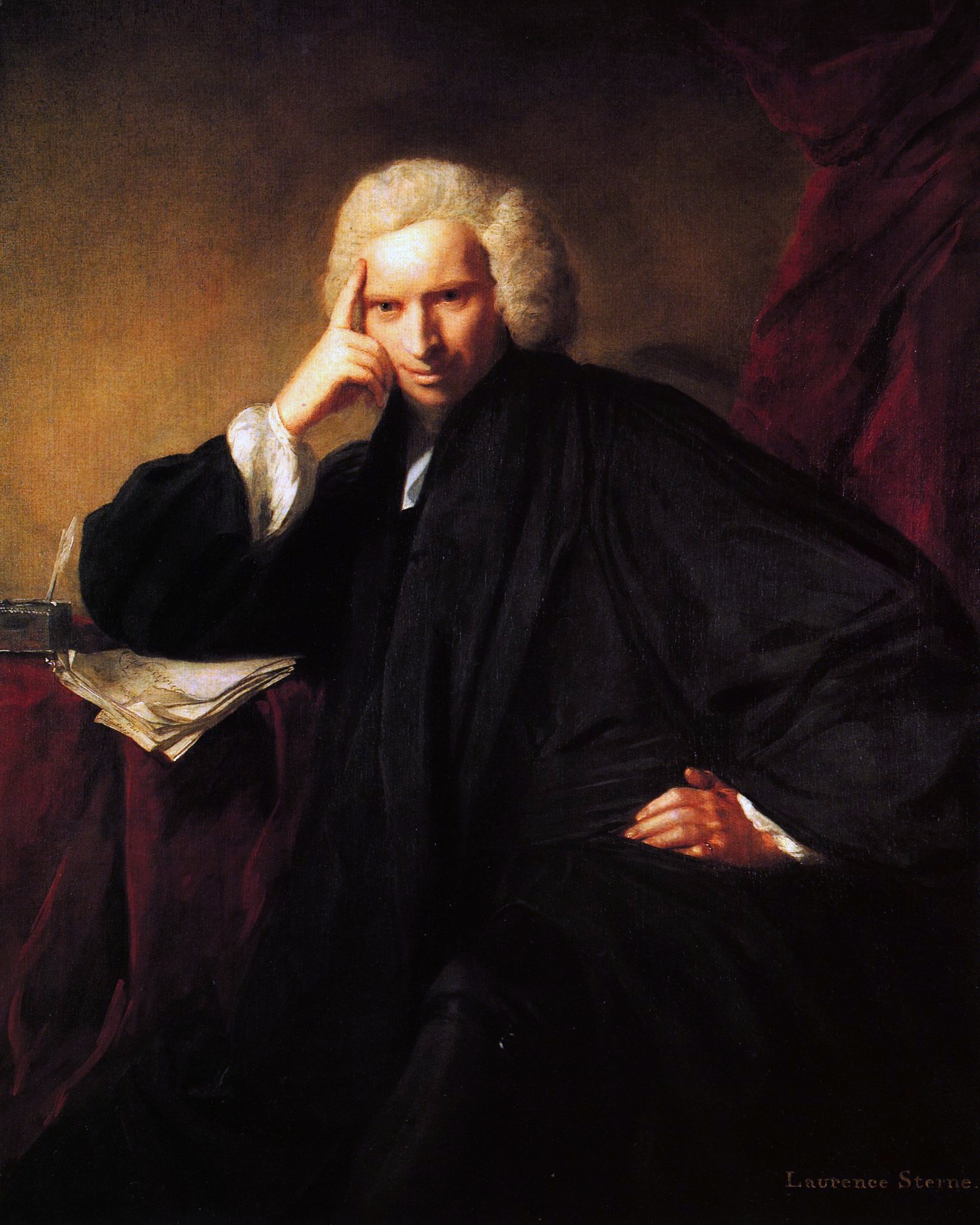
Laurence Sterne
Laurence Sterne (24 November 1713 – 18 March 1768) was an Anglo-Irish novelist and Anglican cleric. He is best known for his comic novels The Life and Opinions of Tristram Shandy, Gentleman (1759–1767) and A Sentimental Journey Through France and Italy (1768).
Sterne grew up in a military family, travelling mainly in Ireland but briefly in England. He attended Jesus College, Cambridge, on a sizarship, gaining bachelor's and master's degrees, and was ordained as a priest in 1738. While Vicar of Sutton-on-the-Forest, Yorkshire, he married Elizabeth Lumley in 1741. He briefly wrote political propaganda for the Whigs, but abandoned politics in 1742. In 1759, he wrote an ecclesiastical satire A Political Romance, which embarrassed the church and was burned. Having discovered his talent for comedy, at age 46 he dedicated himself to humour writing as a vocation. Also in 1759, he published the first volume of Tristram Shandy, which was an enormous success and continued for a total of nine volumes. He was a literary celebrity for the rest of his life. In addition to his novels, he published several volumes of sermons. Sterne died in 1768 and was buried in the yard of St George's, Hanover Square.
Laurence Sterne was born in Clonmel, County Tipperary, in the Kingdom of Ireland on 24 November 1713. His father, Roger Sterne, was an ensign in a British regiment recently returned from Dunkirk. Roger's social standing was far lower than that of his recent ancestors: Roger's grandfather Richard Sterne had been the Archbishop of York. Roger was the second son of Richard's second son, and consequently, Roger inherited little of the familial wealth. Roger left his family to join the army at the age of 25; he enlisted uncommissioned, which was unusual for someone from a family of high social position. Roger married Agnes Herbert née Nuttall, the widow of a military captain, in 1711. Laurence was the second of their seven children, one of only three to survive to adulthood.
The first decade of Laurence Sterne's life was impoverished and unsettled. After his birth, the family spent six months in Clonmel, then ten months at Roger's mother's estate in Elvington, North Yorkshire, while Roger had no army posting. From 1715 to 1723, the Sternes moved repeatedly (about once a year) between poor family lodgings in army barracks in Britain and Ireland, with brief ownership of a townhouse in Dublin during a particularly prosperous stint from 1717 to 1719. These postings included three separate moves to Dublin, at other times living in Plymouth, the Isle of Wight, Wicklow, Annamoe, and Carrickfergus. In 1723, at the age of ten, Sterne was relocated to his uncle's household in Halifax, on the condition that he would repay his uncle for the cost of his upkeep and education. This arrangement reflected both the poor financial resources of Sterne's father, and the strained relationship he had with his wealthier family members. Sterne never saw his father again, as Roger was next ordered to Jamaica where he died of malaria in 1731.
Sterne attended boarding school at Hipperholme Grammar School in Yorkshire, near his uncle's estate. There, he received a traditional classical education. In July 1733, at the age of twenty, he was admitted to Jesus College, Cambridge with a sizarship that allowed him to afford attendance. He graduated with a Bachelor of Arts in January 1737. Sterne was ordained as a deacon on 6 March 1737 and as a priest on 20 August 1738. He returned to Cambridge in the summer of 1740 to be awarded his Master of Arts. His religion is said to have been the "centrist Anglicanism of his time", known as latitudinarianism. A few days after his ordination as a priest, Sterne was awarded the vicarage living of Sutton-on-the-Forest in Yorkshire.
Sterne married Elizabeth Lumley on 30 March 1741, despite both being ill with consumption. Only one of their several children survived infancy, a daughter named Lydia. Throughout their marriage, Sterne had adulterous affairs, and developed "an unsavoury but deserved reputation as a libertine".
In 1743, he was presented to the neighbouring living of Stillington by Reverend Richard Levett, prebendary of Stillington, who was patron of the living. Subsequently, Sterne did duty both there and at Sutton. Sterne lived in Sutton for 20 years, during which time he continued a close friendship that had begun at Cambridge with John Hall-Stevenson, a witty and accomplished bon vivant, owner of Skelton Hall in the Cleveland district of Yorkshire.
Sterne's life at this time was closely tied with his uncle, Jaques Sterne, the archdeacon of Cleveland and precentor of York Minster. Sterne's uncle was an ardent Whig, and urged Sterne to begin a career of political journalism. Sterne wrote anonymous propaganda in the York Gazetteer from 1741 to 1742. Sterne's published attacks on the Tory party earned him career favours from the church (including a prebendary of York Minster), but also harsh personal criticism. Sterne abruptly abandoned his political writing, leading to a permanent falling-out with his uncle, and stalling his ecclesiastical career.
Hub AI
Laurence Sterne AI simulator
(@Laurence Sterne_simulator)
Laurence Sterne
Laurence Sterne (24 November 1713 – 18 March 1768) was an Anglo-Irish novelist and Anglican cleric. He is best known for his comic novels The Life and Opinions of Tristram Shandy, Gentleman (1759–1767) and A Sentimental Journey Through France and Italy (1768).
Sterne grew up in a military family, travelling mainly in Ireland but briefly in England. He attended Jesus College, Cambridge, on a sizarship, gaining bachelor's and master's degrees, and was ordained as a priest in 1738. While Vicar of Sutton-on-the-Forest, Yorkshire, he married Elizabeth Lumley in 1741. He briefly wrote political propaganda for the Whigs, but abandoned politics in 1742. In 1759, he wrote an ecclesiastical satire A Political Romance, which embarrassed the church and was burned. Having discovered his talent for comedy, at age 46 he dedicated himself to humour writing as a vocation. Also in 1759, he published the first volume of Tristram Shandy, which was an enormous success and continued for a total of nine volumes. He was a literary celebrity for the rest of his life. In addition to his novels, he published several volumes of sermons. Sterne died in 1768 and was buried in the yard of St George's, Hanover Square.
Laurence Sterne was born in Clonmel, County Tipperary, in the Kingdom of Ireland on 24 November 1713. His father, Roger Sterne, was an ensign in a British regiment recently returned from Dunkirk. Roger's social standing was far lower than that of his recent ancestors: Roger's grandfather Richard Sterne had been the Archbishop of York. Roger was the second son of Richard's second son, and consequently, Roger inherited little of the familial wealth. Roger left his family to join the army at the age of 25; he enlisted uncommissioned, which was unusual for someone from a family of high social position. Roger married Agnes Herbert née Nuttall, the widow of a military captain, in 1711. Laurence was the second of their seven children, one of only three to survive to adulthood.
The first decade of Laurence Sterne's life was impoverished and unsettled. After his birth, the family spent six months in Clonmel, then ten months at Roger's mother's estate in Elvington, North Yorkshire, while Roger had no army posting. From 1715 to 1723, the Sternes moved repeatedly (about once a year) between poor family lodgings in army barracks in Britain and Ireland, with brief ownership of a townhouse in Dublin during a particularly prosperous stint from 1717 to 1719. These postings included three separate moves to Dublin, at other times living in Plymouth, the Isle of Wight, Wicklow, Annamoe, and Carrickfergus. In 1723, at the age of ten, Sterne was relocated to his uncle's household in Halifax, on the condition that he would repay his uncle for the cost of his upkeep and education. This arrangement reflected both the poor financial resources of Sterne's father, and the strained relationship he had with his wealthier family members. Sterne never saw his father again, as Roger was next ordered to Jamaica where he died of malaria in 1731.
Sterne attended boarding school at Hipperholme Grammar School in Yorkshire, near his uncle's estate. There, he received a traditional classical education. In July 1733, at the age of twenty, he was admitted to Jesus College, Cambridge with a sizarship that allowed him to afford attendance. He graduated with a Bachelor of Arts in January 1737. Sterne was ordained as a deacon on 6 March 1737 and as a priest on 20 August 1738. He returned to Cambridge in the summer of 1740 to be awarded his Master of Arts. His religion is said to have been the "centrist Anglicanism of his time", known as latitudinarianism. A few days after his ordination as a priest, Sterne was awarded the vicarage living of Sutton-on-the-Forest in Yorkshire.
Sterne married Elizabeth Lumley on 30 March 1741, despite both being ill with consumption. Only one of their several children survived infancy, a daughter named Lydia. Throughout their marriage, Sterne had adulterous affairs, and developed "an unsavoury but deserved reputation as a libertine".
In 1743, he was presented to the neighbouring living of Stillington by Reverend Richard Levett, prebendary of Stillington, who was patron of the living. Subsequently, Sterne did duty both there and at Sutton. Sterne lived in Sutton for 20 years, during which time he continued a close friendship that had begun at Cambridge with John Hall-Stevenson, a witty and accomplished bon vivant, owner of Skelton Hall in the Cleveland district of Yorkshire.
Sterne's life at this time was closely tied with his uncle, Jaques Sterne, the archdeacon of Cleveland and precentor of York Minster. Sterne's uncle was an ardent Whig, and urged Sterne to begin a career of political journalism. Sterne wrote anonymous propaganda in the York Gazetteer from 1741 to 1742. Sterne's published attacks on the Tory party earned him career favours from the church (including a prebendary of York Minster), but also harsh personal criticism. Sterne abruptly abandoned his political writing, leading to a permanent falling-out with his uncle, and stalling his ecclesiastical career.