
Recent from talks
León Ferrari
Knowledge base stats:
Talk channels stats:
Members stats:
León Ferrari
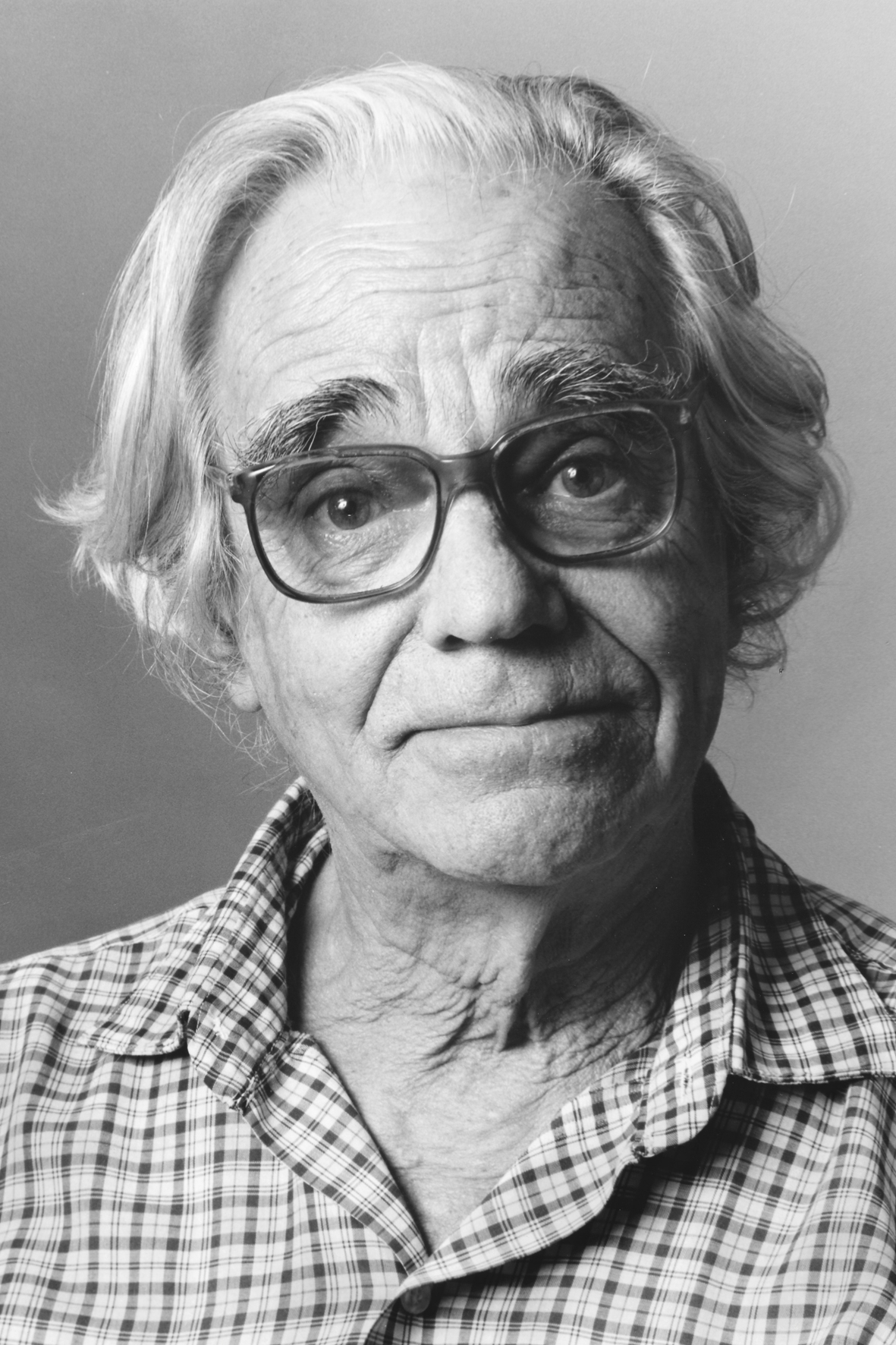
León Ferrari (September 3, 1920 – July 25, 2013) was an Argentine contemporary conceptual artist. During his extended art career (1954-2013), his artworks often protested the Argentine government, the imperialist west, and the Church.
Ferrari's protest piece "Western and Christian Civilization", which depicted a near life-size Christ hanging crucified on an American fighter jet, attracted controversy when he created it in 1965, and it has been exhibited many times since. Ferrari caused protests against his work throughout his career, including from Pope Francis when he was still Cardinal Jorge Bergoglio.
Ferrari was born September 3, 1920, in Buenos Aires to Susana Celia del Pardo and Augusto César Ferrari; his father was a well-known painter from San Possidonio, Italy. As a young man, Ferrari studied electrical engineering at the University of Buenos Aires. Ferrari worked as an engineer into his thirties. In 1946, Ferrari married Alicia Barros Castro and the three went on to have three children: Marialí, Pablo, and Ariel. He began casually making art during that same year. In 1952, Ferrari moved to Italy with his family because his daughter, Marialí, was fighting tuberculosis and he wanted her to have access to high quality medical care.
Almost by chance, he began working with clay and started dedicating substantial time to ceramic artwork in 1954. His first major solo exhibition took place in Milan in 1955. That same year of 1955, he moved back to Buenos Aires. With his return to Argentina, Ferrari began to explore sculpture using different mediums including, wood, plaster, and cement, and, in the 1959, wire. 1962 marked Ferrari's first foray into paper and ink artwork. From 1963 on, Ferrari used words and handwriting heavily in many of his works. He began using plastics and objects in 1964, marking the beginning of his collages that he would use for the rest of his career.
In 1976, Ferrari took his family to São Paulo, Brazil, entering into a period of exile, due to threats from the Argentine dictatorship of the time. However, just after he left, Ferrari's son Ariel, who had decided to stay in Argentina, was kidnapped by the dictatorship. The last letter the Ferrari family received from their son came in February 1977. In 1978 they received word that he had been found dead February 26, 1977. During his time in exile, Ferrari explored new forms of art, including mail art, photocopying, lithography, and he even wrote some books.
Ferrari returned to Argentina in 1991, continuing to make art all the while. In 2008, he created the Augusto (his father) and León Ferrari Foundation which keeps the memory of the artist alive. He died on July 25, 2013, at the age of 92. He is buried at La Chacarita Cemetery.
Ferrari began his career by making small drawings, but primarily did sculptures until 1962, when he began to employ his life-long motif of language and scratchy, calligraphic writing. Ferrari created protest art using collage, photocopying and sculpture in wood, plaster, wire and ceramics. He often used text, especially newspaper clippings or poetry, particularly in his pieces protesting the Church and the Argentine government. His art often dealt with the subject of political power and religion. Some of his most controversial images depicted saints, the Virgin Mary, and Jesus found in toasters or microwaves, on nude figures, or being defecated on by live birds. He deals with issues of United States foreign policy with the Vietnam War in his best-known work, La civilización occidental y cristiana (Western-Christian Civilization, 1965). In this work, Christ appears crucified on a fighter plane, as a symbolic protest against the Vietnam War and Western Imperialism ([1]).
![[1]](http://www.pts.org.ar/IMG/jpg/Civilizacion%20occidental%20y%20cristiana.jpg)
Ferrari took up painting in 1946, then began seriously making art in 1954. Much of his early work is sculpting, often ceramic or made of cement. His early works included pottery and sculpture, with deeply abstract roots. (See his work "Mujer" from 1960 for an example.) In 1954 he was invited to participate in the 1954 X Triennale by Lucio Fontana, then, in 1955, he held his first solo exhibition in Milan. His sculptures during this time were abstract, mostly figurative, without the veiled (or unveiled) political messages that marked much of his later work. Beginning in 1959, he started sculpting using other mediums such as wire and carved wood. Ferrari exhibited his first wire sculpture in 1961. He began to draw in March 1962, opening a period of language and word-based art that would continue for the rest of his career. He began collage and object work in 1964.
Hub AI
León Ferrari AI simulator
(@León Ferrari_simulator)
León Ferrari
León Ferrari (September 3, 1920 – July 25, 2013) was an Argentine contemporary conceptual artist. During his extended art career (1954-2013), his artworks often protested the Argentine government, the imperialist west, and the Church.
Ferrari's protest piece "Western and Christian Civilization", which depicted a near life-size Christ hanging crucified on an American fighter jet, attracted controversy when he created it in 1965, and it has been exhibited many times since. Ferrari caused protests against his work throughout his career, including from Pope Francis when he was still Cardinal Jorge Bergoglio.
Ferrari was born September 3, 1920, in Buenos Aires to Susana Celia del Pardo and Augusto César Ferrari; his father was a well-known painter from San Possidonio, Italy. As a young man, Ferrari studied electrical engineering at the University of Buenos Aires. Ferrari worked as an engineer into his thirties. In 1946, Ferrari married Alicia Barros Castro and the three went on to have three children: Marialí, Pablo, and Ariel. He began casually making art during that same year. In 1952, Ferrari moved to Italy with his family because his daughter, Marialí, was fighting tuberculosis and he wanted her to have access to high quality medical care.
Almost by chance, he began working with clay and started dedicating substantial time to ceramic artwork in 1954. His first major solo exhibition took place in Milan in 1955. That same year of 1955, he moved back to Buenos Aires. With his return to Argentina, Ferrari began to explore sculpture using different mediums including, wood, plaster, and cement, and, in the 1959, wire. 1962 marked Ferrari's first foray into paper and ink artwork. From 1963 on, Ferrari used words and handwriting heavily in many of his works. He began using plastics and objects in 1964, marking the beginning of his collages that he would use for the rest of his career.
In 1976, Ferrari took his family to São Paulo, Brazil, entering into a period of exile, due to threats from the Argentine dictatorship of the time. However, just after he left, Ferrari's son Ariel, who had decided to stay in Argentina, was kidnapped by the dictatorship. The last letter the Ferrari family received from their son came in February 1977. In 1978 they received word that he had been found dead February 26, 1977. During his time in exile, Ferrari explored new forms of art, including mail art, photocopying, lithography, and he even wrote some books.
Ferrari returned to Argentina in 1991, continuing to make art all the while. In 2008, he created the Augusto (his father) and León Ferrari Foundation which keeps the memory of the artist alive. He died on July 25, 2013, at the age of 92. He is buried at La Chacarita Cemetery.
Ferrari began his career by making small drawings, but primarily did sculptures until 1962, when he began to employ his life-long motif of language and scratchy, calligraphic writing. Ferrari created protest art using collage, photocopying and sculpture in wood, plaster, wire and ceramics. He often used text, especially newspaper clippings or poetry, particularly in his pieces protesting the Church and the Argentine government. His art often dealt with the subject of political power and religion. Some of his most controversial images depicted saints, the Virgin Mary, and Jesus found in toasters or microwaves, on nude figures, or being defecated on by live birds. He deals with issues of United States foreign policy with the Vietnam War in his best-known work, La civilización occidental y cristiana (Western-Christian Civilization, 1965). In this work, Christ appears crucified on a fighter plane, as a symbolic protest against the Vietnam War and Western Imperialism ([1]).
Ferrari took up painting in 1946, then began seriously making art in 1954. Much of his early work is sculpting, often ceramic or made of cement. His early works included pottery and sculpture, with deeply abstract roots. (See his work "Mujer" from 1960 for an example.) In 1954 he was invited to participate in the 1954 X Triennale by Lucio Fontana, then, in 1955, he held his first solo exhibition in Milan. His sculptures during this time were abstract, mostly figurative, without the veiled (or unveiled) political messages that marked much of his later work. Beginning in 1959, he started sculpting using other mediums such as wire and carved wood. Ferrari exhibited his first wire sculpture in 1961. He began to draw in March 1962, opening a period of language and word-based art that would continue for the rest of his career. He began collage and object work in 1964.
Recent media