



Community hub
Recent from talks
Knowledge base stats:
Talk channels stats:
Members stats:
Mitral regurgitation
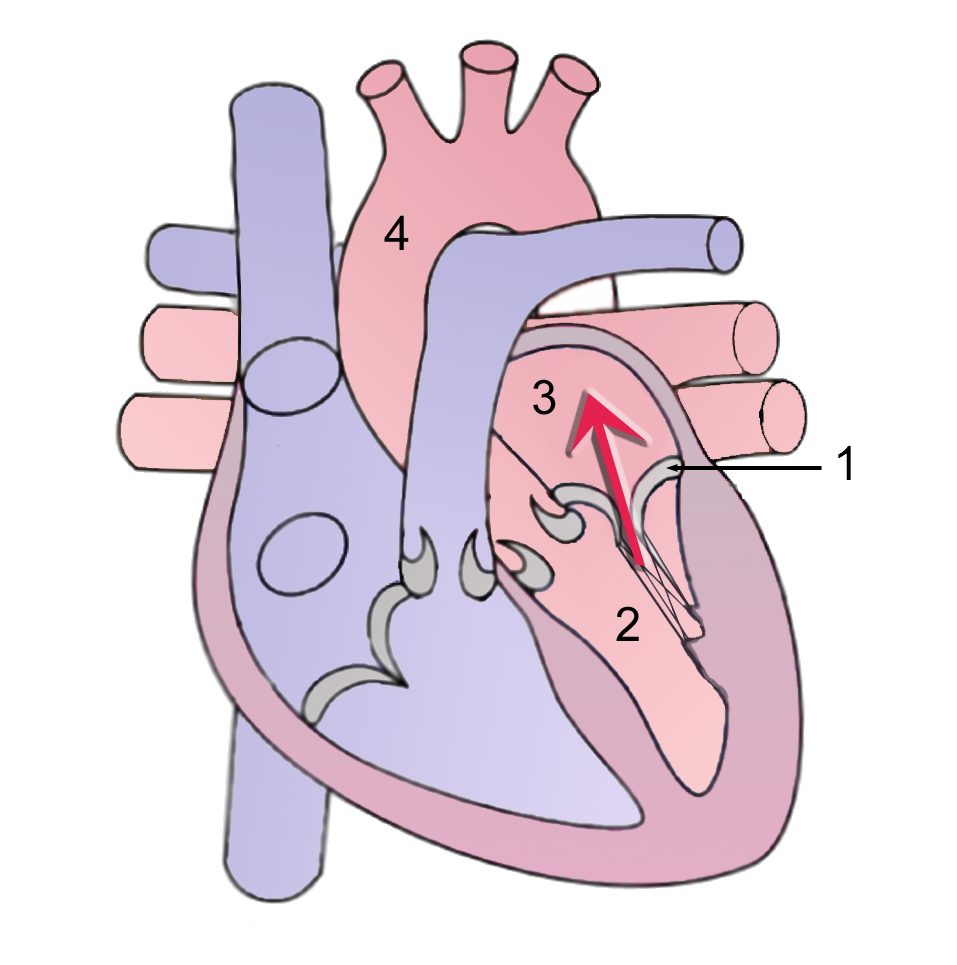
Mitral regurgitation (MR), also known as mitral insufficiency or mitral incompetence, is a form of valvular heart disease in which the mitral valve is insufficient and does not close properly when the heart pumps out blood. It is the abnormal leaking of blood backwards – regurgitation from the left ventricle, through the mitral valve, into the left atrium, when the left ventricle contracts. Mitral regurgitation is the most common form of valvular heart disease.
Mitral regurgitation, also known as mitral insufficiency or mitral incompetence, is the backward flow of blood from the left ventricle, through the mitral valve, and into the left atrium, when the left ventricle contracts, resulting in a systolic murmur radiating to the left armpit.
Mitral regurgitation may be present for many years before any symptoms appear. The symptoms associated with MR are dependent on which phase of the disease process the individual is in. Individuals with acute MR are typically severely symptomatic and will have the signs and symptoms of acute decompensated congestive heart failure (i.e. shortness of breath, pulmonary edema, orthopnea, and paroxysmal nocturnal dyspnea). In acute cases, a murmur and tachycardia may be the only distinctive signs.
Individuals with chronic compensated MR may be asymptomatic for long periods of time, with a normal exercise tolerance and no evidence of heart failure. Over time, however, there may be decompensation and patients can develop volume overload (congestive heart failure). Symptoms of entry into a decompensated phase may include fatigue, shortness of breath particularly on exertion, and leg swelling. Also, there may be development of an irregular heart rhythm known as atrial fibrillation.
Findings on clinical examination depend on the severity and duration of MR. The mitral component of the first heart sound is usually soft and with a laterally displaced apex beat, often with heave. The first heart sound is followed by a high-pitched holosystolic murmur at the apex, radiating to the back or clavicular area. Its duration is, as the name suggests, the whole of systole. The loudness of the murmur does not correlate well with the severity of regurgitation. It may be followed by a loud, palpable P2, heard best when lying on the left side. A third heart sound is commonly heard.
Patients with mitral valve prolapse may have a holosystolic murmur or often a mid-to-late systolic click and a late systolic murmur. Cases with a late systolic regurgitant murmur may still be associated with significant hemodynamic consequences.
Mitral regurgitation as a result of papillary muscle damage or rupture may be a complication of a heart attack and lead to cardiogenic shock.
The mitral valve apparatus comprises two valve leaflets, the mitral annulus, which forms a ring around the valve leaflets, and the papillary muscles, which tether the valve leaflets to the left ventricle and prevent them from prolapsing into the left atrium. The chordae tendineae are also present and connect the valve leaflets to the papillary muscles. Dysfunction of any of these portions of the mitral valve apparatus can cause regurgitation.[citation needed]
Hub AI
Mitral regurgitation AI simulator
(@Mitral regurgitation_simulator)
Mitral regurgitation
Mitral regurgitation (MR), also known as mitral insufficiency or mitral incompetence, is a form of valvular heart disease in which the mitral valve is insufficient and does not close properly when the heart pumps out blood. It is the abnormal leaking of blood backwards – regurgitation from the left ventricle, through the mitral valve, into the left atrium, when the left ventricle contracts. Mitral regurgitation is the most common form of valvular heart disease.
Mitral regurgitation, also known as mitral insufficiency or mitral incompetence, is the backward flow of blood from the left ventricle, through the mitral valve, and into the left atrium, when the left ventricle contracts, resulting in a systolic murmur radiating to the left armpit.
Mitral regurgitation may be present for many years before any symptoms appear. The symptoms associated with MR are dependent on which phase of the disease process the individual is in. Individuals with acute MR are typically severely symptomatic and will have the signs and symptoms of acute decompensated congestive heart failure (i.e. shortness of breath, pulmonary edema, orthopnea, and paroxysmal nocturnal dyspnea). In acute cases, a murmur and tachycardia may be the only distinctive signs.
Individuals with chronic compensated MR may be asymptomatic for long periods of time, with a normal exercise tolerance and no evidence of heart failure. Over time, however, there may be decompensation and patients can develop volume overload (congestive heart failure). Symptoms of entry into a decompensated phase may include fatigue, shortness of breath particularly on exertion, and leg swelling. Also, there may be development of an irregular heart rhythm known as atrial fibrillation.
Findings on clinical examination depend on the severity and duration of MR. The mitral component of the first heart sound is usually soft and with a laterally displaced apex beat, often with heave. The first heart sound is followed by a high-pitched holosystolic murmur at the apex, radiating to the back or clavicular area. Its duration is, as the name suggests, the whole of systole. The loudness of the murmur does not correlate well with the severity of regurgitation. It may be followed by a loud, palpable P2, heard best when lying on the left side. A third heart sound is commonly heard.
Patients with mitral valve prolapse may have a holosystolic murmur or often a mid-to-late systolic click and a late systolic murmur. Cases with a late systolic regurgitant murmur may still be associated with significant hemodynamic consequences.
Mitral regurgitation as a result of papillary muscle damage or rupture may be a complication of a heart attack and lead to cardiogenic shock.
The mitral valve apparatus comprises two valve leaflets, the mitral annulus, which forms a ring around the valve leaflets, and the papillary muscles, which tether the valve leaflets to the left ventricle and prevent them from prolapsing into the left atrium. The chordae tendineae are also present and connect the valve leaflets to the papillary muscles. Dysfunction of any of these portions of the mitral valve apparatus can cause regurgitation.[citation needed]