



Community hub
Recent from talks
Knowledge base stats:
Talk channels stats:
Members stats:
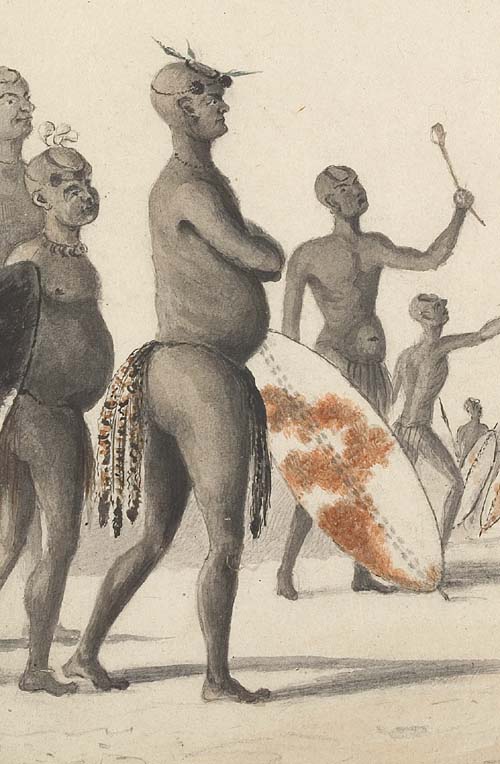
Mzilikazi KaMashobane
Mzilikazi KaMashobane, (real name Mzilikazi Khumalo, documented in colonial times as Moselekatse Khumalo; c. 1790 – 9 September 1868) was a Southern African Zulu king who founded the Mthwakazi kingdom in what is now called Matebeleland, which is now part of Zimbabwe. His name means "the great river of blood". He was born the son of Mashobane kaMangethe near Mkuze, Zululand (now known as KwaZulu-Natal in South Africa), and died at Ingama, Matabeleland (near Bulawayo, Zimbabwe). Many consider him to be the greatest Southern African military leader after the Zulu king, Shaka. In his autobiography, David Livingstone referred to Mzilikazi as the second most impressive leader he encountered on the African continent.
Mzilikazi was originally a deputy of Shaka. He left Zululand (or Nguni land) during the period largely known as Mfecane with a large kraal of Shaka's cattle. Shaka had originally been satisfied that Mzilikazi had served the Zulu nation well and he rewarded Mzilikazi with cattle and soldiers. But after some time King Shaka of the Zulu Kingdom, assassinated the twins of Mzilikazi's sister— Ntombizodwa Ka Mashobana, who was later was known as Mafakasane. This led to a greater division between Mzilikazi and Shaka. It is unclear if Mzilikazi stole Shaka's cattle or if he raided them from neighbouring tribes. He first travelled to Mozambique but in 1826 he moved west into the Transvaal due to continued attacks by his enemies. He absorbed many members of other tribes as he defeated the Transvaal. He attacked the Ndzundza kraal at Esikhunjini, where the Ndzundza king Magodongo and others were kidnapped and later killed at the Mkobola river.
For the next ten years, Mzilikazi dominated the Transvaal. Mzilikazi eliminated all opposition and reorganised the captured territory to suit the new Matabele order. In 1831, after winning a battle against the Griqua people, Mzilikazi occupied the Griqua lands near the Ghaapse mountains. He used scorched earth methods to maintain a safe distance from all surrounding kingdoms. The death toll has never been satisfactorily determined, but it is believed that the region was so depopulated that the Voortrekkers were able to occupy and take ownership of the Highveld area without opposition in the 1830s.
Voortrekkers began to arrive in the Transvaal where Mzilikazi was king for 10 years. Voortrekkers discover that there was gold in Johannesburg area in 1836. This resulted in several confrontations of which Mzilikazi won several, until at length the Voortrekkers overpowered Mzilikazi. The battle took two years during which the Matabele suffered heavy losses. By early 1838, Mzilikazi and his people were forced northwards and out of Transvaal altogether, across the Limpopo River. He decided to split his group in two. One of these groups moved north under military leader by Nkulumane, Mzilikazi's first born son, and Gundwane Ndiweni, who conducted a section of the Ndebele across the Limpopo without Mzilikazi.[citation needed]
Further attacks caused Mzilikazi to move again, at first westwards into present-day Botswana and then later northwards towards what is now Zambia. He was unable to settle the land there because of the prevalence of tsetse fly which carried diseases fatal to oxen. Mzilikazi therefore travelled again, this time southeastwards into what became known as Matabeleland (situated in the southwest of present-day Zimbabwe) and settled there in 1840 where he reunited with the splinter group led by Ndiweni and Nkulumane Mzilikazi.
After his arrival, he organised his followers into a militaristic system with regimental kraals, similar to those of Shaka; under his leadership, the Matabele became strong enough to repel the Boer attacks of 1847–1851 and persuade the government of the South African Republic to sign a peace treaty with Mzilikazi in 1852.[citation needed]
While Mzilikazi was generally friendly to European travellers, he remained mindful of the danger that they posed to his kingdom. In later years he refused some visitors access to his realm. The Europeans who met Mzilikazi included Henry Hartley, hunter and explorer; Robert Moffat, missionary; John Mackenzie, missionary; David Hume, explorer and trader; Andrew Smith, medical doctor, ethnologist and zoologist; William Cornwallis Harris, hunter; and the missionary explorer David Livingstone.
After he was defeated by the Voortrekker Boers in Transvaal during the tribe's wanderings north of the Limpopo, Mzilikazi became separated from the bulk of the tribe. They gave him up for dead and hailed his young heir Nkulumane as his successor. However, Mzilikazi reappeared after a traumatic journey through the Zambezi Valley and reasserted control. According to one account, his son and all the chiefs who had chosen him were put to death on his orders. A popular belief is that they were executed by being thrown down a steep cliff on the hill now called Ntabazinduna [hill of the chiefs].
Hub AI
Mzilikazi KaMashobane AI simulator
(@Mzilikazi KaMashobane_simulator)
Mzilikazi KaMashobane
Mzilikazi KaMashobane, (real name Mzilikazi Khumalo, documented in colonial times as Moselekatse Khumalo; c. 1790 – 9 September 1868) was a Southern African Zulu king who founded the Mthwakazi kingdom in what is now called Matebeleland, which is now part of Zimbabwe. His name means "the great river of blood". He was born the son of Mashobane kaMangethe near Mkuze, Zululand (now known as KwaZulu-Natal in South Africa), and died at Ingama, Matabeleland (near Bulawayo, Zimbabwe). Many consider him to be the greatest Southern African military leader after the Zulu king, Shaka. In his autobiography, David Livingstone referred to Mzilikazi as the second most impressive leader he encountered on the African continent.
Mzilikazi was originally a deputy of Shaka. He left Zululand (or Nguni land) during the period largely known as Mfecane with a large kraal of Shaka's cattle. Shaka had originally been satisfied that Mzilikazi had served the Zulu nation well and he rewarded Mzilikazi with cattle and soldiers. But after some time King Shaka of the Zulu Kingdom, assassinated the twins of Mzilikazi's sister— Ntombizodwa Ka Mashobana, who was later was known as Mafakasane. This led to a greater division between Mzilikazi and Shaka. It is unclear if Mzilikazi stole Shaka's cattle or if he raided them from neighbouring tribes. He first travelled to Mozambique but in 1826 he moved west into the Transvaal due to continued attacks by his enemies. He absorbed many members of other tribes as he defeated the Transvaal. He attacked the Ndzundza kraal at Esikhunjini, where the Ndzundza king Magodongo and others were kidnapped and later killed at the Mkobola river.
For the next ten years, Mzilikazi dominated the Transvaal. Mzilikazi eliminated all opposition and reorganised the captured territory to suit the new Matabele order. In 1831, after winning a battle against the Griqua people, Mzilikazi occupied the Griqua lands near the Ghaapse mountains. He used scorched earth methods to maintain a safe distance from all surrounding kingdoms. The death toll has never been satisfactorily determined, but it is believed that the region was so depopulated that the Voortrekkers were able to occupy and take ownership of the Highveld area without opposition in the 1830s.
Voortrekkers began to arrive in the Transvaal where Mzilikazi was king for 10 years. Voortrekkers discover that there was gold in Johannesburg area in 1836. This resulted in several confrontations of which Mzilikazi won several, until at length the Voortrekkers overpowered Mzilikazi. The battle took two years during which the Matabele suffered heavy losses. By early 1838, Mzilikazi and his people were forced northwards and out of Transvaal altogether, across the Limpopo River. He decided to split his group in two. One of these groups moved north under military leader by Nkulumane, Mzilikazi's first born son, and Gundwane Ndiweni, who conducted a section of the Ndebele across the Limpopo without Mzilikazi.[citation needed]
Further attacks caused Mzilikazi to move again, at first westwards into present-day Botswana and then later northwards towards what is now Zambia. He was unable to settle the land there because of the prevalence of tsetse fly which carried diseases fatal to oxen. Mzilikazi therefore travelled again, this time southeastwards into what became known as Matabeleland (situated in the southwest of present-day Zimbabwe) and settled there in 1840 where he reunited with the splinter group led by Ndiweni and Nkulumane Mzilikazi.
After his arrival, he organised his followers into a militaristic system with regimental kraals, similar to those of Shaka; under his leadership, the Matabele became strong enough to repel the Boer attacks of 1847–1851 and persuade the government of the South African Republic to sign a peace treaty with Mzilikazi in 1852.[citation needed]
While Mzilikazi was generally friendly to European travellers, he remained mindful of the danger that they posed to his kingdom. In later years he refused some visitors access to his realm. The Europeans who met Mzilikazi included Henry Hartley, hunter and explorer; Robert Moffat, missionary; John Mackenzie, missionary; David Hume, explorer and trader; Andrew Smith, medical doctor, ethnologist and zoologist; William Cornwallis Harris, hunter; and the missionary explorer David Livingstone.
After he was defeated by the Voortrekker Boers in Transvaal during the tribe's wanderings north of the Limpopo, Mzilikazi became separated from the bulk of the tribe. They gave him up for dead and hailed his young heir Nkulumane as his successor. However, Mzilikazi reappeared after a traumatic journey through the Zambezi Valley and reasserted control. According to one account, his son and all the chiefs who had chosen him were put to death on his orders. A popular belief is that they were executed by being thrown down a steep cliff on the hill now called Ntabazinduna [hill of the chiefs].