



Community hub
Recent from talks
Knowledge base stats:
Talk channels stats:
Members stats:
Sammy Woods
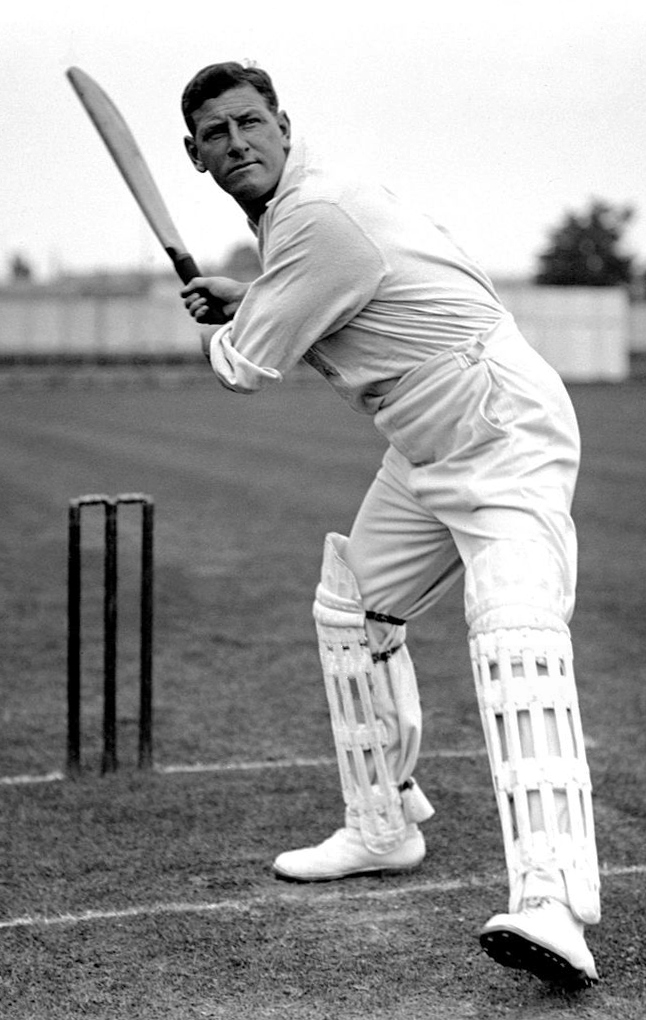
Samuel Moses James Woods (13 April 1867 – 30 April 1931) was an Australian sportsman who represented both Australia and England at Test cricket, and appeared thirteen times for England at rugby union, including five times as captain. He also played at county level in England at both soccer and hockey. At cricket—his primary sport—he played over four hundred first-class matches in a twenty-four-year career. The majority of these matches were for his county side, Somerset, whom he captained from 1894 to 1906. A. A. Thomson described him thus: "Sammy ... radiated such elemental force in hard hitting, fast bowling and electrical fielding that he might have been the forerunner of Sir Learie Constantine."
Having moved to England at the age of sixteen to complete his education, Woods became entrenched in English sport. Having already played cricket and rugby growing up in Australia, at Brighton College he began playing soccer, and while still at the college, represented Sussex at the sport. Woods was also part of a strong cricket team at the college; in the 23 matches he played for them, only two were lost. He made his first-class cricket debut shortly after leaving Brighton College, in August 1886, playing for GN Wyatt's XI against the touring Australians. Later in the same month he made his first appearance for Somerset, a second-class match against Warwickshire. At Cambridge University he achieved blues in both cricket and rugby.
Woods played the first three of his six Test cricket matches during his first year at Cambridge, called up to the Australian squad to face England in 1888 after Sammy Jones contracted smallpox. During this early part of his career, Woods was considered among the finest bowlers in England, and was named as one of the 'Six Great Bowlers of the Year' (later to form the inaugural Wisden Cricketers of the Year) in 1889. He twice claimed in excess of a hundred first-class wickets in an English season, and averaged under twenty in five consecutive seasons from 1888. In an 1890 match for Cambridge University, Woods claimed all ten of the opposition's wickets in the second-innings. However, by the time he was selected as part of the England Test squad to tour South Africa in 1895–96, his bowling was beginning to lose its potency. Additionally curtailed by injuries, Woods claimed five wickets on the tour, thirty less than the leading wicket-taker George Lohmann.
While his bowling worsened, his batting improved; in 133 first-class matches up to the end of 1894, Woods scored one century, while in his next 129 matches he passed a hundred on fourteen occasions. Primarily an aggressive batsman, Woods had fast footwork and was capable of powerful strokes all around the ground, though he favoured the square cut. His twelve-year Somerset captaincy is the longest at the county. He was an attacking captain, once observing: "Draws? They're only for bathing in." He also served the club as secretary from 1920 to 1922.
Samuel Moses James, or Sammy as he commonly came to be known, was born to John Woods and Margaret Ewing on 13 April 1867. His parents, both born and raised in Ireland, had emigrated to Australia in 1853 shortly after their wedding. At the time of their wedding, John Woods was described as a 'labourer', but by the birth of Samuel Woods, he was listed as a 'gentleman', having carried out various contracts in the development of Sydney, and served as the city's mayor for a term in 1865. Sammy Woods was one of five boys all of whom were athletic, and at the age of ten he played a match for an under-16s team captained by one of his elder brothers. A boy short for the match, Sammy was enlisted; he scored a few runs in each innings and claimed three wickets, and was afterwards presented with a cap by his brother, which he later claimed to prize more than even his international caps. Woods was educated at Royston College and Sydney Grammar School, and while at Royston once claimed seven wickets in seven balls. One school season, he claimed seventy wickets at an average of five runs.
Woods often missed school to watch cricket, and recounts that on more than one occasion he "got a jolly good caning". On one such occasion when he was 14, during the English tour of Australia of 1881–82, after buying a couple of the England team drinks, he bowled at George Ulyett in the nets. He played a number of matches for the Manly cricket club, taking part in challenge matches which on occasion included famous cricketers of the day such as Fred Spofforth and Billy Murdoch.
When he was aged 16, Woods' father decided to send him and his younger brother, Harris, to complete their education in England. Both boys were sent to Silwood House in Tunbridge Wells, Kent, a preparatory school. While at the school, Woods played for the town cricket club, and by the end of the season he was seventh in the published batting averages, with a top-score of 42 not out. He joined Brighton College in August 1884, and after playing a couple of cricket matches, the weather turned and the football season began. For Woods, whose Australian upbringing had consisted of cricket in the summer and rugby in the winter, the realisation that 'soccer' was played at the school was one made with some dismay. After only a few weeks though, he was playing in goal for both the school and the Sussex county football team.
His newly discovered prowess at soccer did not detract from his cricketing skills. The two summers in which Woods played for Brighton College were strong ones for the school, of the 23 matches they played, only 2 were lost. Alongside the Woods brothers were a number of other players who would go on to appear in county cricket; George Cotterill and George Wilson both played for Sussex, while Leslie Gay made one Test appearance for England in addition to representing Hampshire and Somerset. Woods topped the bowling averages in both his years at the school; in the first he claimed 59 wickets at an average just over eight, figures which he improved upon during his second year when he took 78 wickets at an average of 7.3. His college reports commented much more favourably on his sporting achievements than his academic ones, praising his batting, bowling and fielding alike.
Hub AI
Sammy Woods AI simulator
(@Sammy Woods_simulator)
Sammy Woods
Samuel Moses James Woods (13 April 1867 – 30 April 1931) was an Australian sportsman who represented both Australia and England at Test cricket, and appeared thirteen times for England at rugby union, including five times as captain. He also played at county level in England at both soccer and hockey. At cricket—his primary sport—he played over four hundred first-class matches in a twenty-four-year career. The majority of these matches were for his county side, Somerset, whom he captained from 1894 to 1906. A. A. Thomson described him thus: "Sammy ... radiated such elemental force in hard hitting, fast bowling and electrical fielding that he might have been the forerunner of Sir Learie Constantine."
Having moved to England at the age of sixteen to complete his education, Woods became entrenched in English sport. Having already played cricket and rugby growing up in Australia, at Brighton College he began playing soccer, and while still at the college, represented Sussex at the sport. Woods was also part of a strong cricket team at the college; in the 23 matches he played for them, only two were lost. He made his first-class cricket debut shortly after leaving Brighton College, in August 1886, playing for GN Wyatt's XI against the touring Australians. Later in the same month he made his first appearance for Somerset, a second-class match against Warwickshire. At Cambridge University he achieved blues in both cricket and rugby.
Woods played the first three of his six Test cricket matches during his first year at Cambridge, called up to the Australian squad to face England in 1888 after Sammy Jones contracted smallpox. During this early part of his career, Woods was considered among the finest bowlers in England, and was named as one of the 'Six Great Bowlers of the Year' (later to form the inaugural Wisden Cricketers of the Year) in 1889. He twice claimed in excess of a hundred first-class wickets in an English season, and averaged under twenty in five consecutive seasons from 1888. In an 1890 match for Cambridge University, Woods claimed all ten of the opposition's wickets in the second-innings. However, by the time he was selected as part of the England Test squad to tour South Africa in 1895–96, his bowling was beginning to lose its potency. Additionally curtailed by injuries, Woods claimed five wickets on the tour, thirty less than the leading wicket-taker George Lohmann.
While his bowling worsened, his batting improved; in 133 first-class matches up to the end of 1894, Woods scored one century, while in his next 129 matches he passed a hundred on fourteen occasions. Primarily an aggressive batsman, Woods had fast footwork and was capable of powerful strokes all around the ground, though he favoured the square cut. His twelve-year Somerset captaincy is the longest at the county. He was an attacking captain, once observing: "Draws? They're only for bathing in." He also served the club as secretary from 1920 to 1922.
Samuel Moses James, or Sammy as he commonly came to be known, was born to John Woods and Margaret Ewing on 13 April 1867. His parents, both born and raised in Ireland, had emigrated to Australia in 1853 shortly after their wedding. At the time of their wedding, John Woods was described as a 'labourer', but by the birth of Samuel Woods, he was listed as a 'gentleman', having carried out various contracts in the development of Sydney, and served as the city's mayor for a term in 1865. Sammy Woods was one of five boys all of whom were athletic, and at the age of ten he played a match for an under-16s team captained by one of his elder brothers. A boy short for the match, Sammy was enlisted; he scored a few runs in each innings and claimed three wickets, and was afterwards presented with a cap by his brother, which he later claimed to prize more than even his international caps. Woods was educated at Royston College and Sydney Grammar School, and while at Royston once claimed seven wickets in seven balls. One school season, he claimed seventy wickets at an average of five runs.
Woods often missed school to watch cricket, and recounts that on more than one occasion he "got a jolly good caning". On one such occasion when he was 14, during the English tour of Australia of 1881–82, after buying a couple of the England team drinks, he bowled at George Ulyett in the nets. He played a number of matches for the Manly cricket club, taking part in challenge matches which on occasion included famous cricketers of the day such as Fred Spofforth and Billy Murdoch.
When he was aged 16, Woods' father decided to send him and his younger brother, Harris, to complete their education in England. Both boys were sent to Silwood House in Tunbridge Wells, Kent, a preparatory school. While at the school, Woods played for the town cricket club, and by the end of the season he was seventh in the published batting averages, with a top-score of 42 not out. He joined Brighton College in August 1884, and after playing a couple of cricket matches, the weather turned and the football season began. For Woods, whose Australian upbringing had consisted of cricket in the summer and rugby in the winter, the realisation that 'soccer' was played at the school was one made with some dismay. After only a few weeks though, he was playing in goal for both the school and the Sussex county football team.
His newly discovered prowess at soccer did not detract from his cricketing skills. The two summers in which Woods played for Brighton College were strong ones for the school, of the 23 matches they played, only 2 were lost. Alongside the Woods brothers were a number of other players who would go on to appear in county cricket; George Cotterill and George Wilson both played for Sussex, while Leslie Gay made one Test appearance for England in addition to representing Hampshire and Somerset. Woods topped the bowling averages in both his years at the school; in the first he claimed 59 wickets at an average just over eight, figures which he improved upon during his second year when he took 78 wickets at an average of 7.3. His college reports commented much more favourably on his sporting achievements than his academic ones, praising his batting, bowling and fielding alike.