


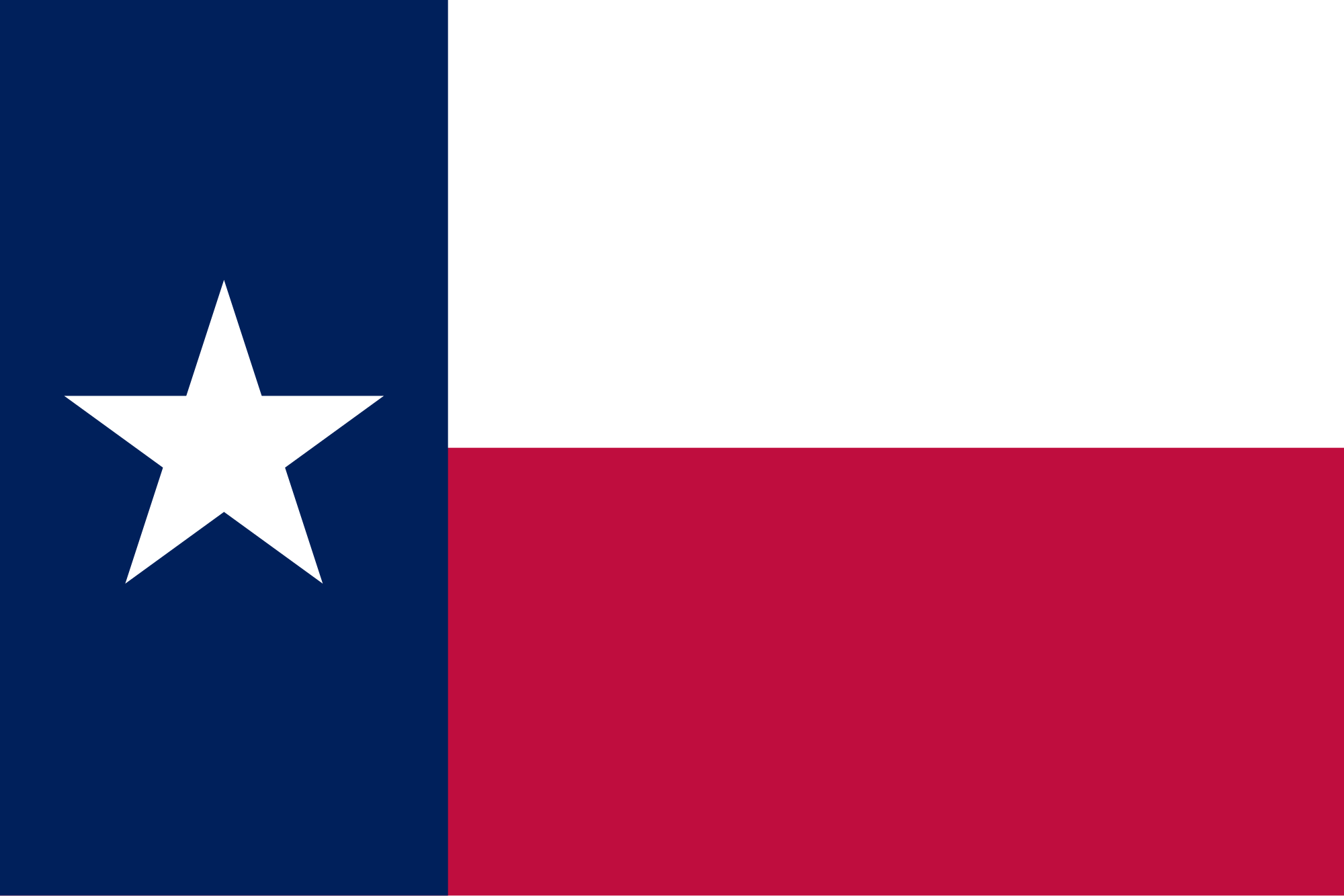

Community hub
Tejanos
View on WikipediaTejanos (/teɪˈhɑːnoʊz/ tay-HAH-nohz,[2] Spanish: [teˈxanos]) are descendants of mostly Native Americans, but also Texas Creoles and Mestizos who settled in Texas before its admission as an American state.[3] The term is also sometimes applied to Texans of Mexican descent.[4][5]
Key Information


_SAAM-1974.28.333_1.jpg)
Etymology
[edit]The word Tejano, with a J instead of X, comes from the Spanish interpretation of the original Caddo indigenous word Tayshas, which means "friend" or "ally".[2] Texas Mestizo[7] refers to as person born in the New World that has one parent that is Spanish Texas born and the other parent as Indian born.
Texas Creoles
[edit]In colonial Texas, the term "Creole" (criollo) distinguished Old World Africans and Europeans from their descendants born in the New world, Creoles, who were the citizens of New Spain's Tejas province.[8][9][10]
Texas Creole culture revolved around ranchos (Tejano ranches), attended mostly by vaqueros (cowboys) of African, Spaniard, or Mestizo descent who established a number of settlements in southeastern Texas and western Louisiana (e.g. Los Adaes).[8][9][11][12]
Black Texas Creoles have been present in Texas since the 17th century and served as soldiers in Spanish garrisons of eastern Texas. Generations of Black Texas Creoles, also known as "Black Tejanos," played a role in later phases of Texas history during Mexican Texas, the Republic of Texas, and American Texas.[10]
History
[edit]| History of Texas | ||||||||||||||||||
|---|---|---|---|---|---|---|---|---|---|---|---|---|---|---|---|---|---|---|
 | ||||||||||||||||||
| Timeline | ||||||||||||||||||
|
||||||||||||||||||
 Texas portal Texas portal | ||||||||||||||||||
Spanish government and Mexican Texas
[edit]

As early as 1519, Alonso Álvarez de Pineda claimed the area that is now Texas for Spain. The Spanish monarchy paid little attention to the province until 1685. That year, the Crown learned of a French colony in the region and worried that it might threaten Spanish colonial mines and shipping routes. King Charles II sent ten expeditions to find the French colony, but they were unsuccessful. Between 1690 and 1693, expeditions were made to the Texas region and acquired better knowledge of it for the provincial government and the settlers, who came later.[13]
Tejano settlements developed in three distinct regions: the northern Nacogdoches region, the Bexar–Goliad region along the San Antonio River, and the frontier between the Nueces River and the Rio Grande, an area used largely for ranching. Those populations shared certain characteristics, yet they were independent of one another. The main unifying factor was their shared responsibility for defending the northern frontier of New Spain. Some of the first settlers were Isleños from the Canary Islands. Their families were among the first to reside at the Presidio San Antonio de Bexar in 1731, which is modern-day San Antonio, Texas.
Ranching was a major activity in the Bexar-Goliad area, which consisted of a belt of ranches that extended along the San Antonio River between Bexar (San Antonio area) and Goliad. The Nacogdoches settlement was located farther north and east. Tejanos from Nacogdoches traded with the French and Anglo residents of Louisiana and were culturally influenced by them. The third settlement was located north of the Rio Grande, toward the Nueces River. Its ranchers were citizens of Spanish origin from Tamaulipas, in what is now northern Mexico, and they identified with Spanish Criollo culture.[14]
On September 16, 1810, Miguel Hidalgo y Costilla, a Catholic priest, launched the Mexican War of Independence with the issuing of his Grito de Dolores, or “Cry of Delores.” He marched across Mexico and gathered an army of nearly 90,000 poor farmers and civilians. The troops ran up into an army of 6,000 well-trained and armed Spanish troops; most of Hidalgo's troops fled or were killed at the Battle of Calderón Bridge.[15]
Bernardo Gutiérrez de Lara, a supporter in independence from Spain, organized a revolutionary army with José Menchaca, who was from the Villa de San Fernando de Bejar. After Hidalgo's defeat and execution, Gutiérrez traveled to Washington, DC, to request help from the United States. He requested an audience with President James Madison but was refused. He met with Secretary of State James Monroe, who was busy planning the invasion of Canada in the War of 1812. On December 10, 1810, Gutiérrez addressed the US House of Representatives. There was no official help by the US government to the revolution. However, Gutiérrez returned with financial help, weapons, and almost 700 US Army veterans.
Gutiérrez's army would defeat the Spanish Army and the first independent Republic of Texas, "the Green Republic" was born with the Declaration of Independence. Spain had reinforced its armies in the colonies, and a well-equipped army led by General Juaquin de Arredondo known as the "El Carnicero," invaded the Green Republic of Tejas. During the time of the Republic, the Spaniard José Álvarez de Toledo y Dubois had been undermining Gutiérrez de Lara's government. Toledo was successful, and Gutiérrez was ousted. Toledo then led the Republican Army of the North (the Green Army) into a trap against the Spanish Army, and no prisoners were taken by the Spanish at the Battle of Medina. The Spanish Army marched into San Antonio, rounded up everyone it could find from Nacogdoches to El Espiritu de Santo (Goliad), and brought them to San Antonio. The Spanish killed four males a day for 270 days, eradicated the Tejano population, and left the women when they left in 1814. Toledo returned to Spain, a Spanish hero.[16][17]
In January 1840, the northern Mexican states of Nuevo León, Coahuila, and Tamaulipas seceded from Mexico to establish the Republic of the Rio Grande, with its capital in what is now Laredo, Texas; however, they became part of Mexico again in November 1840.
Republic of Texas
[edit]
By 1821, at the end of the Mexican War of Independence, about 4,000 Tejanos lived in Mexican Texas, alongside a lesser number of foreign settlers. In addition, several thousand New Mexicans lived in the areas of Paso del Norte (now El Paso, Texas) and Nuevo Santander, incorporating Laredo and the Rio Grande Valley.
During the 1820s, many settlers from the United States and other nations moved to Mexican Texas, mostly in the eastern area. The passage of the General Colonization Law, encouraged immigration by granting the immigrants citizenship if they declared loyalty to Mexico. By 1830, the 30,000 recent settlers in Texas, who were primarily Englishspeakers from the United States, outnumbered the Hispanos Tejano six to one.[18]
The Texians and Tejano alike rebelled against attempts by the government to centralize authority in Mexico City and other measures implemented by President Antonio López de Santa Anna.[19][20][21] Tensions between the central Mexican government and the settlers eventually resulted in the Texas Revolution.
20th century
[edit]In 1915, insurgents in South Texas wrote a manifesto that was circulated in the town of San Diego and all across the region. The manifesto "Plan de San Diego" called on Mexicans, American Indians, Blacks, Germans, and Japanese to liberate south Texas and kill their racist white American oppressors. Numerous cross-border raids, murders, and sabotage took place. Some Tejanos strongly repudiated the plan. According to Benjamin H. Johnson, middle-class Mexicans who were born in the United States and desired affirming their loyalty to the country founded the League of United Latin American Citizens (LULAC). It was headed by professionals, business leaders, and progressives and became the main Tejano organization promoting civic pride and civil rights.[22]
Other sources attribute the founding of the organization in 1929 largely to Tejano veterans of World War I, who wanted to improve civil rights for Mexican-American citizens of the United States. They were socially discriminated against in Texas. Only American citizens were admitted as members to LULAC, and there was an emphasis on people becoming educated and assimilated to advance in society.[23][24]
In 1963, Tejanos in Crystal City organized politically and won elections; their candidates dominated the city government and the school board. Their activism signaled the emergence of modern Tejano politics.[25] In 1969–70, a different Tejano coalition, the La Raza Unida Party, came to office in Crystal City. The new leader was José Ángel Gutiérrez, a radical nationalist who worked to form a Chicano nationalist movement across the Southwest in 1969 to 1979. He promoted cultural terminology (Chicano, Aztlan) designed to unite the militants; but his movement split into competing factions in the late 1970s.[26]
Demographics
[edit]Most Tejanos are concentrated in southern Texas, in historic areas of Spanish colonial settlement and closer to the border that developed. The city of San Antonio is the historic center of Tejano culture.[5] During the Spanish colonial period of Texas, most colonial settlers of northern New Spain – including Texas, northern Mexico, and the American Southwest – were descendants of Spanish speaking Native Americans.[27]
Although the number of Tejanos whose families have lived in Texas since before 1836 is unknown, it was estimated that 5,000 Tejano descendants of San Antonio's Canarian founders lived in the city in 2008.[28] The community of Canarian descent still maintains the culture of their ancestors.
Tejanos may identify as being of Mexican, Chicano, Mexican American, Spanish, Hispano, American and/or Indigenous ancestry.[29][30] In urban areas, as well as some rural communities, Tejanos tend to be well integrated into both the Hispanic and mainstream American cultures. Especially among younger generations, a number identify more with the mainstream and may understand little or no Spanish.
Most of the people whose ancestors colonized Texas and the northern Mexican states during the Spanish colonial period identified with the mostly Native American, Spaniards, Criollos, or Mestizos who were born in the colony. Many of the latter find their history and identity in the history of Spain, Mesoamerica and the history of the United States. Spain's colonial provinces (Spanish Texas and Spanish Louisiana) participated on the side of the rebels in the American Revolutionary War.
Ethnic and national origins
[edit] | This section needs additional citations for verification. (October 2020) |
In the 2007 American Community Survey (ACS) data, [31] Tejanos are defined as those Texans descended from colonists of the Spanish colonial period (before 1821), mostly descended from Indigenous Spanish Mexicans, and indigenous Mexicans.[32]
Tejanos have a unique cultural identity that is a mixture of Indigenous, Spanish, and African influences. Tejanos have made greatcontributions to the cultural heritage of Texas in terms of music, food, language, and traditions. The term "Tejano[33]" has been employed to describe various expressions of culture and as an emblem of the unique heritage of Texans of Mexican descent over time.
Culture
[edit]Music
[edit]Genuine Tejano music is descended from a mixture of German and Czechoslovak polka and oom papa sounds and Mexican Spanish strings, and is similar to the French folk music of Louisiana, known as "Cajun music", blended with the sounds of rock and roll, R&B, pop, and country, and with Mexican influences such as conjunto music. Narciso Martinez is the father of Conjunto Music, followed by the legendary Santiago Jimenez (Father of Flaco Jimenez).
Sunny and the Sunglows lead the rock and roll era in the 1950s along with Little Joe, and Rudy Guerra, who were originators of the rock and roll portion of genre. Today, Tejano music is a wide array of multicultural genres including rockteno and Tejano rap. The American cowboy culture and music was born from the meeting of the European-American Texians, Indigenous people, colonists mostly from the American South, and the original Tejano pioneers and their vaquero, or "cowboy" culture.[34][35][36][37]
Food
[edit]
The cuisine that would come to be known as "Tex-Mex" originated with the Tejanos. It developed from Spanish and North American indigenous commodities with influences from Mexican cuisine.[38]
Tex-Mex cuisine is characterized by its widespread use of melted cheese, meat (particularly beef), peppers, beans, and spices, in addition to corn or flour tortillas. Chili con carne, burritos, carne asada, chalupa, chili con queso, enchiladas, and fajitas are all Tex-Mex specialties. A common feature of Tex-Mex is the combination plate, with several of the above on one large platter. Serving tortilla chips and a hot sauce or salsa as an appetizer is also a Tex-Mex development.[39] Cabrito, barbacoa, carne seca, and other products of cattle culture have been common in the ranching cultures of South Texas and northern Mexico. In the 20th century, Tex-Mex took on Americanized elements such as yellow cheese, as goods from the rest of the United States became cheap and readily available.[40] Tex-Mex has imported flavors from other spicy cuisines, such as the use of cumin. Cumin is often referred to by its Spanish name, comino.
A common Tex-Mex breakfast dish served is a "breakfast taco" and usually consists of a flour tortilla or corn tortilla served using a single fold. That is in contrast to the burrito-style method of completely encasing the ingredients. Some of the typical ingredients used are a combination of eggs, potatoes, cheese, peppers, bacon, sausage, and barbacoa. Breakfast tacos are traditionally served with an optional red or green salsa.[41]
Religion
[edit]Tejanos, Mexican-American Texans, have always had their own special brand of Catholicism[42] that addressed their cultural identity and survival. While they adhered to Catholicism's basic tenets, they practiced their faith in ways that went against institutional expectations. Tejanos were devoted to the Virgin Mary and the saints, and they diligently observed traditional holy days. Yet they also engaged in home altars (altarcitos) and selective sacramental observance, which were not necessarily in accord with official Church teaching. This was partially a response to the Church's historical neglect and discrimination against them. Despite such tensions, Tejanos' religious practice was deeply integrated in their social and cultural lives and was a means for them to assert identity and communal solidarity.
Politics
[edit]Historically, the majority of the Tejano population in South Texas had voted for Democrats since the first half of the 20th century. The 2020 United States presidential election was considered a turning point in their political support, as part of a "red tide" for South Texas, where Republican candidate Donald Trump performed better in areas associated with Tejano population than during former elections. Zapata was the only county that turned majority Republican from Democratic in South Texas, while Starr County saw the strongest pro-Trump swing of any county in the U.S., a 55% increase compared to the 2016 election.[43]
Tejanos are noted to be more supportive of the Republican Party than other Latino populations in Texas. Politically, Tejanos have been compared to Cuban Americans and Venezuelan Americans, who also disproportionately vote for Republican candidates among Latino voters. The New York Times attributed the relative success of Donald Trump among the Tejano community to concerns about regional economy, which is based on gas and oil. The Wall Street Journal described concerns about possible unemployment caused by COVID-19 lockdowns as another source of Republican Tejano support. Reporter Jack Herrera argues that Tejanos are culturally conservative and identify with Republican positions on gun rights, Christianity, and abortion.[43] Also Tejanos are more likely to be Evangelical Protestants than Roman Catholics, the latter denomination in which most Latinos across the US identify as being part of.[44]
Notable people
[edit]| Lists of Americans |
|---|
| By U.S. state |
| By ethnicity |

Tejanos of colonial origin or descent
[edit]- Gaspar Flores de Abrego
- Ignacio Lorenzo de Armas
- Simón de Arocha
- Rosa María Hinojosa de Ballí
- Santos Benavides
- José Tomás Canales
- José María Jesús Carbajal
- Henri Castro
- Josef Centeno
- Mariana W. de Coronel
- Juan Curbelo (Tejano settler)
- Juan José Elguézabal
- Blas María de la Garza Falcón
- Manuel N. Flores
- Salvador Flores
- Carlos de la Garza
- José Antonio de la Garza
- Rafael Gonzales
- Damacio Jiménez
- Juan Leal
- Eva Longoria[45]
- Selena Quíntinilla-Pérez
- Antonio Rodríguez Medero
- Antonio Menchaca
- Juan Moya
- Ramón Músquiz
- Jose Antonio Navarro
- Antonio de Olivares
- Salvador Rodríguez (regidor)
- Francisco Antonio Ruiz
- José Francisco Ruiz
- Salvador Rodríguez
- Don Tomás Sánchez
- Juan Seguín
- Erasmo Seguín
- Vicente Álvarez Travieso
- José de Urrutia
- Jaci Velasquez
- Juan Martin de Veramendi
- Tomás Felipe de Winthuisen
- Antonio Gil Ybarbo
- Ignacio Zaragoza
- Lorenzo de Zavala
- Adina Emilia De Zavala
See also
[edit]

References
[edit]- ^ US Census Bureau: Table QT-P10 Hispanic or Latino by Type: 2020 Retrieved July 13, 2022.
- ^ a b "Definition of TEJANO". www.merriam-webster.com. Retrieved 2021-09-30.
- ^ Gerald E. Poyo; Gilberto M. Hinojosa (2011). Tejano Origins in Eighteenth-Century San Antonio. Macquarie University. University of Texas Press. p. 222.
- ^ "Encyclopedia of the Great Plains | TEJANOS". plainshumanities.unl.edu. Retrieved 2022-04-30.
- ^ a b "TSHA | Tejano". www.tshaonline.org. Retrieved 2022-04-30.
- ^ "Music of the Plains (mural study, Kilgore, Texas Post Office)". Smithsonian American Art Museum. Archived from the original on 2024-06-18. Retrieved 2025-06-18.
- ^ Association, Texas State Historical. "Understanding Mestizos in New Spain: Social Status and Historical Context". Texas State Historical Association. Retrieved 2025-04-28.
- ^ a b Andrew Delbanco (2019). The War Before the War Fugitive Slaves and the Struggle for America's Soul from the Revolution to the Civil War. Penguin Publishing Group. p. 190.
- ^ a b William C. Davis (2017). Lone Star Rising. Free Press. pp. 63, 64.
- ^ a b Phillip Thomas Tucker (2014). Emily D. West and the "Yellow Rose of Texas" Myth. McFarland, Incorporated, Publishers. p. 100.
- ^ Francis X. Galan (2020). Los Adaes, the First Capital of Spanish Texas. Texas A&M University Press. p. 416.
- ^ Lawrence Clayton; Jim Hoy; Jerald Underwood (2010). Vaqueros, Cowboys, and Buckaroos. University of Texas Press. p. 2.
- ^ Association, Texas State Historical. "Álvarez de Pineda, Alonso". Texas State Historical Association.
- ^ "Tejano Origins in Mexican Texas". Archived from the original on May 9, 2008.
- ^ [Minster, Christopher. Mexican War of Independence: The Battle of Calderon Bridge]
- ^ Jarratt, Rie (1949). "Gutiérrez de Lara: Mexican-Texan The Story of a Creole Hero". Creole Texana. Archived from the original on 2012-04-11. Retrieved 2008-07-04.
- ^ James Monroe during the War of 1812 by Eugene van Sickle, University of North Georgia http://www.bandyheritagecenter.org/Content/Uploads/Bandy%20Heritage%20Center/files/1812/James%20Monroe%20during%20the%20War%20of%201812.pdf
- ^ "Tejano Patriots". bexargenealogy.com. Archived from the original on 2008-05-02. Retrieved 2008-10-04.
- ^ De La Teja, Jesús F. "Tejanos and the Siege and Battle of the Alamo". Handbook of Texas. Texas State Historical Association. Retrieved January 19, 2021.
- ^ Santos, John Phillip (2014). "Remember the Tejanos!". Texas Monthly. Retrieved January 19, 2021.
- ^ Schmal, John P. (2004). "The Texas Revolution: Tejano Patriots". Houston Institute for Culture. Retrieved January 19, 2021.
- ^ Johnson, Benjamin H. (2003). Revolution in Texas: How a Forgotten Rebellion and Its Bloody Suppression turned Mexicans into Americans. Yale University Press. ISBN 9780300094251.
- ^ Gutierrez, David G. (March 1995). Walls and Mirrors: Mexican Americans, Mexican Immigrants, and the Politics of Ethnicity. University of California Press. ISBN 978-0-520-20219-1, p. 9
- ^ Orozco, Cynthia E. (2009). No Mexicans, Women, or Dogs Allowed: The Rise of the Mexican American Civil Rights Movement. Austin: University of Texas Press. ISBN 978-0-292-72132-6.
- ^ Miller, Michael V. (1975). "Chicano Community Control in South Texas: Problems And Prospects". Journal of Ethnic Studies. 3 (3): 70–89.
- ^ Jensen, Richard J.; Hammerback, John C. (1980). "Radical Nationalism Among Chicanos: The Rhetoric of José Angel Gutiérrez". Western Journal of Speech Communication. 44 (3): 191–202. doi:10.1080/10570318009374005.
- ^ Census and Inspection Report of 1787 of the Colony of Nuevo Santander, performed by Dragoon Captain Jose Tienda de Cuervo, Knight of the Order of Santago, with Historical Report by Fray Vicente Santa Maria.
- ^ Canarias en el Mundo. Niños canarios y tejanos conocerán detalles de la fundación de San Antonio, en EEUU (In Spanish; "Canarian and Tejano Children Will Know How Some Isleños Founded San Antonio in the U.S.")
- ^ "Tejano History". Archived from the original on January 7, 2008.
- ^ "Hispanic or Latino? Many don't care, except in Texas". 28 October 2013.
- ^ "Hispanics in Texas-Tejanos". Archived from the original on 2020-02-12. Retrieved 2007-05-05.
- ^ Richard G. Santos (2000). Silent Heritage: The Sephardim and the Colonization of the Spanish North American Frontier 1492-1600. New Sepharad Press. p. 385. ISBN 9780967472713.
- ^ Association, Texas State Historical. "Understanding Tejano Identity: History and Cultural Significance". Texas State Historical Association. Retrieved 2025-04-28.
- ^ Hill, Gene. Americans All, Americanos Todos. Añoranza Press.
- ^ Chavez, Gilbert Y. Cowboys-Vaqueros, Origins of the First American Cowboys.
- ^ Clayton, Lawrence (2001). Vaqueros, Cowboys and Buckaroos. University of Texas Press. ISBN 9780292712386.
- ^ Loya, Alex. The Legacy and Heritage of the Spaniard Texians. Chapter 15.
- ^ Juan de Oñate from the Handbook of Texas Online
- ^ Etienne MARTINEZ, "Mexicans in the U.S.A: Mexican-American / Tex-Mex Cousine", Light Millennium
- ^ Walsh, Robb (2004). "The Tex-Mex Cookbook". Google Books. New York City, New York: Broadway Books.
- ^ Sedacca, Matthew (February 19, 2016). "How Austin Became the Home of the Crucial Breakfast Taco". Eater.
- ^ Association, Texas State Historical. "The Evolution of Mexican American Religious Life in Texas". Texas State Historical Association. Retrieved 2025-04-28.
- ^ a b Herrera, Jack. "Trump Didn't Win the Latino Vote in Texas. He Won the Tejano Vote". POLITICO. Retrieved 2021-09-30.
- ^ Contreras, Russell (March 30, 2023). "Percentage of Latino Catholics eclipses white evangelicals in Southwest". Axios.
- ^ "Eva Longoria". Faces of America. PBS. 4 January 2010.
Further reading
[edit]- Alonzo, Armando C. Tejano Legacy: Rancheros and Settlers in South Texas, 1734-1900 (1998)
- Hubert Howe Bancroft. The Works of Hubert Howe Bancroft,
- Buitron Jr., Richard A. The Quest for Tejano Identity in San Antonio, Texas, 1913-2000 (2004) excerpt and text search
- Chávez, John R. The Lost Land: The Chicano Image of the Southwest (Albuquerque, 1984)
- De León, Arnoldo. They Called Them Greasers: Anglo Attitudes toward Mexicans in Texas, 1821–1900 (Austin, 1983)
- De León, Arnoldo. Mexican Americans in Texas: A Brief History, 2nd ed. (1999)
- García, Richard A. Rise of the Mexican American Middle Class: San Antonio, 1929-1941 1991
- Montejano, David. Anglos and Mexicans in the Making of Texas, 1836-1986 (1987)
- Martinez de Vara, Art (2020). Tejano Patriot: The Revolutionary Life of Jose Francisco Ruiz, 1783 - 1840. Austin, TX: Texas State Historical Association Press. ISBN 978-1625110589.
- Navarro, Armando. Mexican American Youth Organization: Avant-Garde of the Movement in Texas (University of Texas Press, 1995)
- Ramos, Ratil A. Beyond the Alamo: Forging Mexican Ethnicity in San Antonio, 1821-1861 (University of North Carolina Press, 2008)
- San Miguel, Guadalupe. Tejano Proud: Tex-Mex Music in the Twentieth Century (2002)
- Taylor, Paul S. Mexican Labor in the United States. 2 vols. 1930–1932, on Texas
- Stewart, Kenneth L., and Arnoldo De León. Not Room Enough: Mexicans, Anglos, and Socioeconomic Change in Texas, 1850-1900 (1993)
- de la Teja, Jesús F. San Antonio de Béxar: A Community on New Spain's Northern Frontier (1995).
- Tijerina, Andrés. Tejanos and Texas under the Mexican Flag, 1821-1836 (1994),
- Tijerina, Andrés. Tejano Empire: Life on the South Texas Ranchos (1998).
- Timmons, W. H. El Paso: A Borderlands History (1990).
- Weber, David J. The Mexican Frontier, 1821-1846: The American Southwest under Mexico (1982)
Politics
[edit]- Guglielmo, Thomas A. "Fighting for Caucasian Rights: Mexicans, Mexican Americans, and the Transnational Struggle for Civil Rights in World War II Texas," Journal of American History, 92 (March 2006) in History Cooperative
- MacDonald, L. Lloyd Tejanos in the 1835 Texas Revolution (2009) excerpt and text search
- Márquez, Benjamin. LULAC: The Evolution of a Mexican American Political Organization (1993)
- Marquez, Benjamin; Espino, Rodolfo. "Mexican American support for third parties: the case of La Raza Unida," Ethnic & Racial Studies (Feb 2010) 33#2 pp 290–312. (online)
- Navarro, Armando. La Raza Unida Party: A Chicano Challenge to the U.S. Two Party Dictatorship (Temple University Press, 2000)
- Quintanilla, Linda J., “Chicana Activists of Austin and Houston, Texas: A Historical Analysis” (PhD University of Houston, 2005). Order No. DA3195964.
- de la Teja, Jesus F. ed. Tejano Leadership in Mexican and Revolutionary Texas (Texas A&M University Press, 2010) 274pp excerpt and text search
Religion
[edit]- Martinez, Juan Francisco. Sea La Luz: The Making of Mexican Protestantism in the American Southwest, 1829-1900 (2006)
- Matovina, Timothy. Guadalupe and Her Faithful: Latino Catholics in San Antonio, from Colonial Origins to the Present (2005). 232 pp.
- Matovina, Timothy M. Tejano Religion and Ethnicity, San Antonio, 1821-1860 (1995)
- Trevino, Roberto R. The Church in the Barrio: Mexican American Ethno-Catholicism in Houston. (2006). 308pp.
Women
[edit]- Blackwelder, Julia Kirk. Women of the Depression: Caste and Culture in San Antonio 1984. excerpt and text search
- Deutsch, Sarah No Separate Refuge: Culture, Class, and Gender on the Anglo-Hispanic Frontier in the American Southwest, 1880-1940 1987
- Dysart, Jane. "Mexican Women in San Antonio, 1830-1860: The Assimilation Process" Western Historical Quarterly 7 (October 1976): 365–375. in JSTOR
- Fregoso; Rosa Linda. Mexicana Encounters: The Making of Social Identities on the Borderlands (2003)
Historiography
[edit]- Garcia, Richard A. "Changing Chicano Historiography," Reviews in American History 34.4 (2006) 521–528 in Project MUSE
| North American |
| ||||
|---|---|---|---|---|---|
| South American | |||||
| European | |||||
| African | |||||
| Ethnic groups | |||||
| Religious groups | |||||
| By region | |||||
| Other | |||||

Tejanos
View on GrokipediaEtymology and Terminology
Origins of the Term
The term Tejano originates from the Spanish adjective tejano (feminine tejana), denoting a person from Tejas, the colonial Spanish designation for the territory that became Texas.[1] This regional name Tejas derived from the Hasinai (a Caddo-speaking group) word taysha, meaning "friend" or "ally," which Spanish explorers adopted in the 17th century to refer to allied indigenous peoples in eastern Texas.[4] The suffix -ano in Spanish typically indicates origin or belonging, thus tejano literally signified "of Tejas" or "Texan" in a Hispanic context.[1] Although the linguistic roots trace to the colonial era, documented usage of Tejano as a self-identifier among Hispanic residents emerged primarily in the early 19th century during Mexican Texas. One of the earliest recorded instances appeared in 1824, when Miguel Ramos Arispe employed it in correspondence with the Béxar town council to describe local inhabitants.[1][4] By January 1833, leaders in Goliad explicitly identified Texas Hispanics as Tejanos, distinguishing them from Anglo-American settlers known as Texians.[1] The compound coahuiltejano also arose post-Mexican independence in 1821 to denote citizens of the combined state of Coahuila and Texas under the 1824 Mexican constitution.[1] Prior to 1821, colonial Texans of Spanish or mestizo descent rarely used Tejano, preferring terms like español (Spaniard) or identifying by town or province, reflecting a broader imperial rather than regional identity.[8] The term's prominence grew amid rising tensions before the Texas Revolution (1835–1836), serving to emphasize native-born Hispanic loyalty to the region amid influxes of Anglo settlers, who by 1830 outnumbered Tejanos approximately 30,000 to 5,000.[4] This early 19th-century adoption marked Tejano as a marker of longstanding residency and cultural continuity in Texas, distinct from newer Mexican immigrants.[1]Distinctions from Related Groups
Tejanos are defined as Texans of Mexican descent, encompassing those whose ancestors inhabited the region during the Spanish colonial era and Mexican Texas period, thereby forging a distinct regional identity tied to Texas's geopolitical history rather than broader national Mexican affiliations.[1] This contrasts with Mexican Americans more generally, who include post-1836 immigrants and their descendants across the United States, often maintaining stronger cultural and familial ties to Mexico proper, particularly following waves of migration during the Mexican Revolution (1910–1920) and later 20th-century influxes that swelled Texas's Mexican-origin population to over 4 million by 1990, with less than 20% foreign-born among them.[9] Tejanos, by contrast, developed bicultural adaptations rooted in early ranching economies and interactions with Anglo settlers, emphasizing self-reliance and Texas-specific folklore, language variants, and Catholic practices that predate significant later immigration.[1] The Tejano identity diverges from the Chicano label, which arose in the mid-1960s Chicano Movement as a politicized term for U.S.-born individuals of Mexican descent, prioritizing indigenous heritage, anti-colonial activism, and resistance to assimilation across the Southwest, often encompassing diverse regional experiences beyond Texas.[1] While some Tejanos adopted Chicano rhetoric during civil rights struggles, the term Tejano—documented as early as 1824 in references to Coahuila y Tejas residents—prioritizes local Texan loyalty, as evidenced by figures like Juan Seguín who allied with Texian revolutionaries against Mexican centralism in 1836, fostering a heritage less aligned with pan-Mexican nationalism.[1] This regionalism sets Tejanos apart from comparable groups like Californios, whose identities centered on Alta California's missions and Gold Rush-era transitions, or Nuevomexicanos, oriented toward New Mexico's distinct Hispano traditions under prolonged Spanish and Mexican rule.[1] Unlike Anglo Texians, who were primarily recent U.S. migrants from the 1820s onward and drove the push for independence from Mexico, Tejanos represented an indigenous Hispanic presence in Texas, numbering around 5,000 in 1800 and comprising about one-third of the non-Native population by 1836, yet facing post-revolution marginalization that reinforced their separate communal structures.[9] Post-annexation, Tejanos avoided conflation with Mexican nationals by asserting Texas-born status, distinguishing themselves from braceros and other temporary laborers under programs like the Bracero Initiative (1942–1964), which imported over 4 million Mexicans but did not integrate into longstanding Tejano networks.[9] These boundaries highlight Tejanos' emphasis on pre-U.S. statehood continuity, preserving elements like conjunto music and vaquero traditions amid broader Hispanic assimilation pressures.[1]Historical Development
Spanish Colonial Foundations
The Spanish colonization of Texas, which laid the foundations for the Tejano population, began as a strategic buffer against French expansion into northern New Spain. In response to the 1685 French settlement at Fort Saint Louis by René-Robert Cavelier, Sieur de La Salle, Spanish explorer Alonso de León led expeditions northward, establishing the province's first mission, San Francisco de los Tejas, among the Hasinai Caddo on May 22, 1690, near present-day Nacogdoches.[10] Accompanied by a presidio (military fort) and 100 soldiers, this outpost aimed to convert indigenous groups to Catholicism, promote settlement, and secure territorial claims, though it faced repeated setbacks from disease, supply shortages, and Native American conflicts, leading to its relocation and eventual abandonment by 1693.[3] Subsequent missions in East Texas, such as Nuestra Señora de la Purísima Concepción and San Juan Bautista, were founded in the early 1700s along the Rio Grande but similarly struggled, highlighting the challenges of sparse resources and hostile Comanche and Apache incursions in the region.[11] Efforts intensified in 1716–1718 with the relocation of missions to the more defensible San Antonio River area, central to Texas geography. Franciscan friar Antonio de Olivares established Mission San Antonio de Valero (later known as the Álamo) on May 1, 1718, followed by Presidio San Antonio de Béxar and the civilian Villa de Béxar under Governor Martín de Alarcón, marking the first permanent Spanish municipality in Texas.[12] Between 1718 and 1731, four additional missions—Concepción, San José, San Juan, and Espada—were constructed along the river, forming a self-sustaining complex that integrated religious conversion, coerced indigenous labor for agriculture and herding, and military defense.[13] These institutions drew settlers primarily from Coahuila and central Mexico, including soldiers, artisans, and families, fostering a mestizo society blending Spanish, indigenous, and criollo elements that would evolve into Tejanos.[14] The arrival of 15 Canary Islander families in 1731 to found Villa de San Fernando de Béxar further solidified San Antonio as Texas's administrative and population center, merging with existing Béxar settlers by 1744 to create a chartered city with cabildo governance.[15] This influx, granted land and privileges by the Crown, emphasized ranching (ganaderías) for cattle and horses, which became economic mainstays amid limited mining or trade. Other early settlements included Nuestra Señora de Loreto at La Bahía (Goliad, refounded 1749) and Nuestra Señora de Guadalupe at Nacogdoches (1779), but Texas remained sparsely populated, with a 1777–1778 census recording about 2,060 non-indigenous residents, mostly in San Antonio, comprising soldiers' families, mission neophytes' descendants, and free coyotes (mixed indigenous-European).[16] By 1800, the Hispanic population hovered around 3,500, sustained by presidio economies and vaquero traditions that influenced later Texan ranching culture, despite ongoing threats from nomadic tribes that deterred broader colonization.[11]Mexican Texas Era
Following Mexico's achievement of independence from Spain on September 27, 1821, Texas Tejanos transitioned from subjects of the Spanish Crown to citizens of the newly formed Mexican republic, integrated into the state of Coahuila y Tejas with its capital at Saltillo.[17] The Tejano population, estimated at approximately 4,000 in 1821, remained sparse and primarily concentrated in settlements such as San Antonio de Béxar, La Bahía (Goliad), and Nacogdoches, where they sustained a ranching-based economy centered on cattle, horses, and land grants from prior Spanish eras.[17] Local governance occurred through ayuntamientos (municipal councils) led by alcaldes (mayors), in which Tejanos participated, adapting Spanish colonial institutions to Mexican federalist structures under the 1824 Constitution.[14] Mexico's General Colonization Law of August 18, 1824, empowered state governments to attract settlers to sparsely populated frontier regions like Texas, resulting in contracts with empresarios—primarily Anglo-American agents such as Stephen F. Austin—who facilitated the influx of over 20,000 U.S. immigrants by the late 1820s. This demographic shift diluted Tejano numerical dominance, with Anglo settlers reaching about 30,000 by 1830 compared to roughly 5,000 Tejanos, fostering cultural exchanges in trade, language, and intermarriage while straining resources and social cohesion.[17] Tejanos engaged in these interactions through ranching partnerships and local commerce, yet faced economic pressures from Anglo competition and Mexican policies aimed at centralizing control, such as the Law of April 6, 1830, which imposed customs duties, banned further Anglo immigration, and sought to reinforce Mexican authority amid fears of U.S. expansionism. Tensions escalated with events like the Fredonian Rebellion of December 1826 in Nacogdoches, where Anglo settlers briefly declared independence, prompting Tejano alcaldes to rally local militias in support of Mexican sovereignty and highlighting early fissures between immigrant and native populations.[14] By the early 1830s, Tejanos in areas like San Antonio advocated for greater autonomy through federalist petitions and participation in the Anahuac Disturbances of 1832, opposing centralist encroachments from Mexico City that undermined local self-rule and economic stability. These dynamics reflected Tejanos' pragmatic adaptation to rapid change, balancing loyalty to Mexico with defense of regional interests against both distant federal policies and encroaching Anglo influences, setting the stage for deeper divisions in subsequent years.[18]Texas Revolution and Divisions
During the Texas Revolution of 1835–1836, Tejanos displayed divided loyalties primarily driven by opposition to Mexican President Antonio López de Santa Anna's centralist Siete Leyes of 1835, which dismantled federalism, state legislatures, and local autonomy established under the 1824 Constitution. Many Tejanos, as federalists, aligned with Anglo-American settlers against Santa Anna's regime, viewing it as despotic, though initial goals often emphasized restoring federalism rather than seeking full independence. Approximately 3,500 Tejanos resided in Texas by 1834, outnumbered by around 20,700 Anglo settlers, yet they contributed significantly to early revolutionary efforts, including 160 participating in the Texian capture of San Antonio de Béxar in December 1835.[19][20] Prominent Tejano leaders like Juan Nepomuceno Seguín commanded cavalry units of Tejano volunteers, recruiting fighters, aiding the defense of the Alamo in February–March 1836, and participating in the Battle of San Jacinto on April 21, 1836, where they helped secure victory against Santa Anna's forces. Other key supporters included José Antonio Navarro and Francisco Ruiz, who later signed the Texas Declaration of Independence on March 2, 1836, and the republic's constitution. Seven Tejanos died defending the Alamo, exemplifying commitment to the cause despite risks.[20][19] Divisions among Tejanos arose from class differences, political affiliations, and family ties, with some favoring loyalty to Mexico or neutrality to avoid reprisals. The Esparza family illustrated this split: Gregorio Esparza fought and died at the Alamo for Texas independence, while his brother Francisco served in the Mexican army. Initially supportive figures like Plácido Benavides later disbanded units and fled, reflecting broader hesitations amid fears of Anglo dominance or Mexican retaliation; post-Alamo, many Béxar Tejanos evacuated San Antonio under threat from advancing Mexican troops. These fissures persisted, as not all Tejanos endorsed separation from Mexico, prioritizing federalist reforms over secession.[20][19][5]Republic of Texas and Early American Integration
Following the establishment of the Republic of Texas in 1836, Tejanos encountered significant political marginalization despite contributions to independence, with only four from the Bexar District elected to the Texas Congress, including José Antonio Navarro and Juan Nepomuceno Seguín.[21] Seguín, a key military figure in the revolution, served as the first Tejano in the Senate from 1837 to 1840 and as mayor of San Antonio, but faced escalating Anglo opposition, including accusations of disloyalty that forced his exile to Mexico in 1842 amid threats and property seizures.[22] This period saw widespread discrimination, including land losses through disputed Mexican-era grants and vigilante actions by Anglo settlers, reducing many Tejanos to minority status in their ancestral regions.[21] Efforts to institutionalize exclusion persisted, as proposals during constitutional deliberations sought to disenfranchise Tejanos, though veterans' service was cited against such measures.[23] Navarro, a signer of the Texas Declaration of Independence, actively defended Tejano rights, arguing against property qualifications that would bar many from voting.[21] Racial tensions intensified as Anglo populations surged, leading to social and economic relegation of Tejanos, with some communities experiencing expulsion or violence tied to suspicions of Mexican allegiance.[24] Upon annexation to the United States in 1845, the Constitutional Convention debated Tejano franchise rights, where Navarro, the sole native Texan delegate of Mexican descent, successfully advocated for their inclusion despite nativist pressures.[21] Texas statehood on December 29, 1845, brought no immediate relief, as Tejanos largely remained excluded from annexation's economic benefits, facing ongoing land adjudications that invalidated many Spanish and Mexican titles and perpetuating a second-class status amid rising Anglo dominance.[25][26]19th and 20th Century Trajectories
Annexation, Statehood, and Marginalization
Texas was annexed to the United States through a joint resolution of Congress passed on March 1, 1845, with the Republic of Texas accepting the terms on July 4, 1845, and formal admission as the 28th state occurring on December 29, 1845.[27] This transition marked a pivotal shift for Tejanos, who had constituted a significant portion of the pre-independence population in areas like San Antonio and the Rio Grande Valley but now faced systemic exclusion under the new Anglo-dominated political structure. Despite contributions to the Texas Revolution—such as those of figures like Juan Seguín, who served as a mayor and military leader—Tejanos encountered barriers including language restrictions, property disputes, and vigilante violence that eroded their status.[28][21] Political marginalization intensified post-statehood, with Tejanos effectively barred from meaningful participation in governance. No Tejanos held state offices after 1846, reflecting the dominance of Anglo settlers who prioritized English-language administration and loyalty tests amid lingering suspicions from the Mexican-American War (1846–1848).[21] This exclusion extended to voting and jury service, rendering Tejanos second-class citizens despite nominal U.S. citizenship under the Treaty of Guadalupe Hidalgo (1848), which guaranteed property rights but proved unenforceable in Texas courts biased toward Anglo claimants.[28][23] Land dispossession accelerated during this era, as Anglo squatters seized Tejano holdings through fraudulent deeds, debt foreclosures, and judicial rulings that invalidated Spanish and Mexican land grants. By the 1850s, violence perpetrated by groups like the Texas Rangers—often targeting Tejanos as suspected Mexican sympathizers—displaced communities, with lynchings, beatings, and ranch burnings prompting mass exodus to Mexico.[28][25] In regions such as the Nueces Strip, Tejano rancheros who had controlled vast tracts under prior regimes lost up to 90% of their acreage to Anglo speculators by the late 19th century, exacerbating economic dependency on sharecropping and peonage systems.[29] This pattern of marginalization stemmed from demographic shifts, as Anglo immigration swelled Texas's population from approximately 140,000 in 1845 to over 600,000 by 1860, diluting Tejano influence.[25]Civil War, Reconstruction, and Adaptation
During the American Civil War (1861–1865), Tejanos exhibited divided loyalties, with many enlisting in the Confederate Army amid Texas's secession and alignment with the South. At least 2,500 Mexican Texans served in Confederate forces, often motivated by a desire to secure respect, equality, and protection from Anglo settler prejudice, as well as shared economic interests in maintaining the status quo of slavery-dependent ranching and trade.[30][31] Prominent figures included Colonel Santos Benavides, the highest-ranking Tejano officer, who commanded the 33rd Texas Cavalry Regiment and defended the Rio Grande frontier against Union incursions and banditry, repelling multiple raids in 1864–1865.[30] Other units, such as Captain Justo Treviño's company from Hidalgo County and various Tejano cavalry companies from the Rio Grande Valley, focused on border security rather than major eastern campaigns.[32] While some Tejanos opposed secession—particularly in areas with Union sympathies or among those wary of deeper Anglo dominance—others engaged in guerrilla actions for the Union, contributing to internal conflicts that pitted Tejano communities against one another.[33][34] Reconstruction (1865–1877) intensified Tejanos' marginalization in Texas, as federal military oversight clashed with local white supremacist resistance, exacerbating pre-existing ethnic tensions. Returning Tejano Confederate veterans faced reprisals, including lynchings, beatings, and land seizures by Anglo squatters, which displaced many families and eroded property holdings accumulated since the Mexican era.[28] In counties like Nueces and Hidalgo, where Tejanos formed significant populations, violence and riots targeted Mexican Texans, forcing migrations southward or into urban enclaves like San Antonio.[28] Political disfranchisement limited Tejano influence under both Radical Republican rule and the subsequent Democratic "Redemption" in 1873, which restored Anglo control and institutionalized segregation, poll taxes, and white primaries that sidelined Hispanic voters.[21][9] Despite brief opportunities for alliance with freedmen and Republicans—such as isolated Tejano officeholders in border counties—systemic bias in courts and militias perpetuated a subordinate status, with Tejanos comprising a minority amid rapid Anglo influx.[21] Post-Reconstruction adaptation saw Tejanos leveraging ranching traditions and family networks to navigate economic upheaval, though persistent discrimination constrained broader advancement until the late 19th century. Many retained land through communal porciones grants and cattle drives, adapting to open-range ranching amid barbed-wire fencing and railroad expansion after 1880, which integrated South Texas markets but also invited further Anglo encroachment.[9] In urban centers, Tejanos formed mutual aid societies (sociedades mutualistas) by the 1870s to provide insurance, education, and advocacy against labor exploitation in emerging industries like cotton and railroads.[9] This resilience fostered a hybrid identity, blending Mexican Catholic heritage with American legal frameworks, as Tejanos pursued incremental political gains—such as local offices in Democratic machines—and economic niches in border trade, setting foundations for later civil rights efforts despite ongoing segregation into the 20th century.[21][9]Early 20th Century Challenges and Resilience
During the early 20th century, Tejanos endured severe violence amid border instability fueled by the Mexican Revolution (1910–1920), a period termed La Matanza characterized by extralegal killings, torture, and massacres targeting ethnic Mexicans. Texas Rangers, expanded to over 130 members including "Loyalty Rangers" by 1918, played a central role in suppressing perceived threats, executing captives, displacing families, and intimidating voters, with scholarly estimates of deaths ranging from several hundred to 5,000. A notable incident was the Porvenir Massacre on January 28, 1918, in Presidio County, where Rangers and local ranchers executed 15 unarmed Tejano men and boys from the village, ostensibly in retaliation for raids but amid broader Anglo efforts to enforce segregation and land control.[35][36] Systemic discrimination compounded these threats, including enforced segregation in schools—where Tejanos attended inferior "Mexican" facilities—and public spaces, alongside disfranchisement via the 1902 poll tax, 1903 white primary, literacy tests, and ballot manipulation. Judicial bias and social exclusion positioned Tejanos as racial inferiors under evolving Jim Crow practices, while groups like the Ku Klux Klan and White Caps perpetrated lynchings and riots, particularly in South Texas. The influx of immigrants fleeing revolution swelled Tejano communities, yet intensified Anglo nativism and economic marginalization, relegating many to exploitative roles in agriculture and railroads with substandard wages and conditions.[37][38] Tejanos demonstrated resilience through self-organized mutual aid societies (sociedades mutualistas), established since the 1870s and proliferating after 1890 with rising immigration, peaking in the 1920s across cities like San Antonio (over 20 groups, averaging 200 members each), Corpus Christi (10–15), and El Paso (10). These entities offered sickness and burial insurance, low-interest loans, legal assistance, adult education, and advocacy against lynching, school exclusion, and job discrimination, serving as precursors to formal civil rights efforts. Examples include the Gran Círculo de Obreros de Auxilios Mutuos in San Antonio (active 1890s–1920s) and La Gran Liga Mexicanista de Beneficencia y Protección in Laredo (founded 1911), which addressed land dispossession and violence; by 1926, alliances like La Alianza de Sociedades Mutualistas coordinated broader protections. Complementary groups, such as the 1911 Congreso Mexicanista, mobilized against educational inequities and farmworker abuses, fostering community cohesion amid adversity.[39][40]Contemporary History and Identity
Post-World War II Expansion
Following World War II, the Tejano population in Texas experienced significant demographic expansion, growing from approximately 560,000 Mexican Americans in 1940 to 1.4 million by 1960, driven primarily by high native birth rates and continued immigration from Mexico amid labor demands in agriculture and emerging industries.[9] This growth accelerated urbanization, with many Tejanos migrating from rural areas to cities like San Antonio, Corpus Christi, and Houston for industrial and service-sector jobs, facilitated by wartime economic mobilization and the Bracero Program (1942–1964), which imported temporary Mexican laborers but led to permanent settlement for thousands.[9] By the 1990s, the population reached 4 million, with fewer than 20 percent foreign-born, reflecting assimilation and endogenous expansion.[9] Economically, Tejanos transitioned from agrarian dependence to broader participation in the postwar boom, with middle-class attainment becoming more common through education and entrepreneurship; after 1945, organizations like Mexican American chambers of commerce in San Antonio promoted business development among urban Tejanos.[21] By the 1990s, about 40 percent held skilled, white-collar, or professional positions, though a majority remained in lower-wage sectors, underscoring persistent disparities despite overall advancement tied to Texas's industrial growth in oil, manufacturing, and defense.[9] Veterans' benefits from wartime service further aided homeownership and small business formation, contributing to social differentiation within Tejano communities.[9] Politically, postwar Tejanos advanced through civil rights activism, exemplified by the founding of the American G.I. Forum on March 26, 1948, in Corpus Christi by Dr. Hector P. García and 700 Mexican American veterans to combat discrimination in employment, education, and veterans' services.[41] This era saw electoral milestones, including Henry B. González's election to the Texas Senate in 1956 as the first modern Mexican American state senator, and the 1960 "Viva Kennedy" clubs mobilizing Tejano voters to secure John F. Kennedy's Texas win.[21] The Chicano Movement of the 1960s amplified demands, leading to events like the 1963 Crystal City elections yielding an all-Tejano council and the 1970 formation of the Raza Unida Party, which captured local governments in Zavala and Crystal City counties; these efforts culminated in the 1975 extension of the Voting Rights Act to Texas, enhancing Tejano representation.[21] Culturally, the period marked a renaissance in Tejano arts and music, with recorded Tejano genres like conjunto and orquesta expanding from 1946 onward via regional labels and influences from returning soldiers exposed to American swing and jazz, fostering a bicultural identity that blended Mexican heritage with U.S. elements.[42] Artists such as painter Porfirio Salinas Jr. gained national recognition in the 1960s, with works displayed in the White House, symbolizing Tejano contributions to American visual culture.[9] This expansion reinforced community resilience amid integration pressures.[9]Recent Demographic Shifts and Cultural Preservation
The Hispanic population in Texas expanded from 9.5 million in 2010 to 11.4 million in 2020, comprising 39.7% of the state's total residents by the decade's end, with continued growth to 12.1 million by 2022 fueled by natural increase and net international migration.[43][44] This surge, which outpaced non-Hispanic white growth and positioned Hispanics as Texas's largest demographic group by 2023, has reshaped Tejano communities—traditionally native-born Mexican Texans with pre-1845 roots—through competition for resources and cultural space from newer Mexican and Central American arrivals, who constitute a rising share of foreign-born Hispanics (approximately 35% of Texas Hispanics in 2020).[45] Urbanization has accelerated these dynamics, with Tejanos increasingly migrating from rural South Texas strongholds like the Rio Grande Valley to metropolitan areas such as Houston and Dallas, where out-migration and suburban expansion dilute concentrated ethnic enclaves.[46] Intermarriage contributes to assimilation pressures, with 25.1% of Latino newlyweds in the U.S. marrying non-Latinos as of 2015, a rate that rises across generations and correlates with higher English proficiency and weakened ties to ancestral customs among third-plus generation Mexican-Americans in Texas.[47] For Tejanos, this manifests in blended family identities, where youth increasingly self-identify as "American" or "Texan" over "Tejano," exacerbated by educational attainment gains that facilitate socioeconomic mobility but erode distinct linguistic and social markers.[48] Cultural preservation efforts counter these trends through targeted initiatives emphasizing historical documentation and performative traditions. The Texas State Historical Association's Handbook of Tejano History project, involving extensive archival research, sustains awareness of Tejano agency from colonial eras to present, countering narratives that marginalize their role in Texas formation.[49] Music preservation thrives via Tejano genres like conjunto, which fuse accordion-driven polkas with local ranching influences, promoted through annual festivals and radio stations that broadcast to over 1 million listeners statewide, maintaining intergenerational transmission amid English-dominant media.[50] Language retention persists in family settings and bilingual programs, with Spanish speakers among Texas Hispanics holding steady at around 65% in household use per 2020 data, bolstered by community organizations advocating for heritage curricula in schools to resist full linguistic assimilation.[9]Demographics and Ancestry
Ethnic and Genetic Composition
Tejanos, as descendants of Spanish colonial settlers in Texas dating back to the late 17th century, primarily trace their ethnic origins to mestizo populations formed through intermarriage between European Spaniards (and later Mexicans) and indigenous peoples of northern Mexico and the Texas frontier, such as Coahuiltecan and other local groups.[8][3] This admixture occurred during the Spanish and Mexican periods, with early Tejano communities established around missions and presidios like San Antonio de Béxar, where European settlers outnumbered pure indigenous groups but incorporated native labor and alliances.[51] By the early 19th century, Tejanos formed a distinct Hispanic identity in Texas, blending Iberian cultural influences with regional indigenous elements, though pure indigenous or unmixed European lineages became rare due to widespread mestizaje.[1] Genetic studies of Mexican Americans in Texas, including those with deep Tejano roots, reveal average admixture proportions of approximately 50% European (primarily Iberian), 45-46% Native American, and 3-5% West African ancestry, with notable variation by socioeconomic status and geography.[52] For instance, data from the San Antonio Family Diabetes Study indicate 50.2% European, 46.4% Native American, and 3.1% West African components, while skin reflectance-based estimates in San Antonio barrios show up to 46% Native American admixture, decreasing in higher social classes due to historical assortative mating patterns favoring European descent.[53] These proportions reflect the colonial legacy of Spanish-Indian unions, with African input likely from earlier slave trade routes through Mexico, though Tejanos exhibit less overall African admixture compared to some coastal Mexican groups.[54] Regional studies confirm wide individual disparities, underscoring that while mestizo heritage dominates, no uniform "Tejano genotype" exists, influenced by endogamy in isolated ranching communities.[52]Historical and Modern Population Data
In the early nineteenth century, under Spanish and Mexican rule, the Tejano population—descendants of Spanish colonial settlers and mestizos in Texas—numbered approximately 5,000 individuals, primarily concentrated in settlements like San Antonio and Goliad.[9] By 1830, on the eve of the Texas Revolution, this figure remained around 5,000 amid rapid Anglo-American immigration that swelled the total Texas population to about 35,000.[9] The 1850 federal census, the first after statehood, recorded over 14,000 residents of Mexican origin, reflecting modest growth through natural increase despite post-revolution displacements and economic pressures.[9] Population expansion accelerated in the twentieth century due to high birth rates, return migration during economic booms, and later waves of family reunification, though early figures relied on Spanish-surnamed or Mexican-descent proxies rather than self-identification. By 1930, the Mexican-descent population reached about 700,000; by 1960, Spanish-surnamed residents totaled 1.4 million.[9] The 1990 census counted 4 million people of Mexican descent, with fewer than 20 percent foreign-born, indicating a predominantly native-born group with deep Texas roots.[9]| Year | Estimated Tejano/Mexican-Descent Population | Notes |
|---|---|---|
| Early 1800s | ~5,000 | Primarily under Mexican rule; limited to colonial settlements.[9] |
| 1850 | >14,000 | First U.S. census; includes post-annexation residents.[9] |
| 1930 | ~700,000 | Growth via births and limited immigration.[9] |
| 1960 | 1.4 million | Spanish-surnamed count; reflects mid-century urbanization.[9] |
| 1990 | 4 million | Mexican descent; <20% foreign-born.[9] |