
Recent from talks
Korean reunification
Knowledge base stats:
Talk channels stats:
Members stats:
Korean reunification
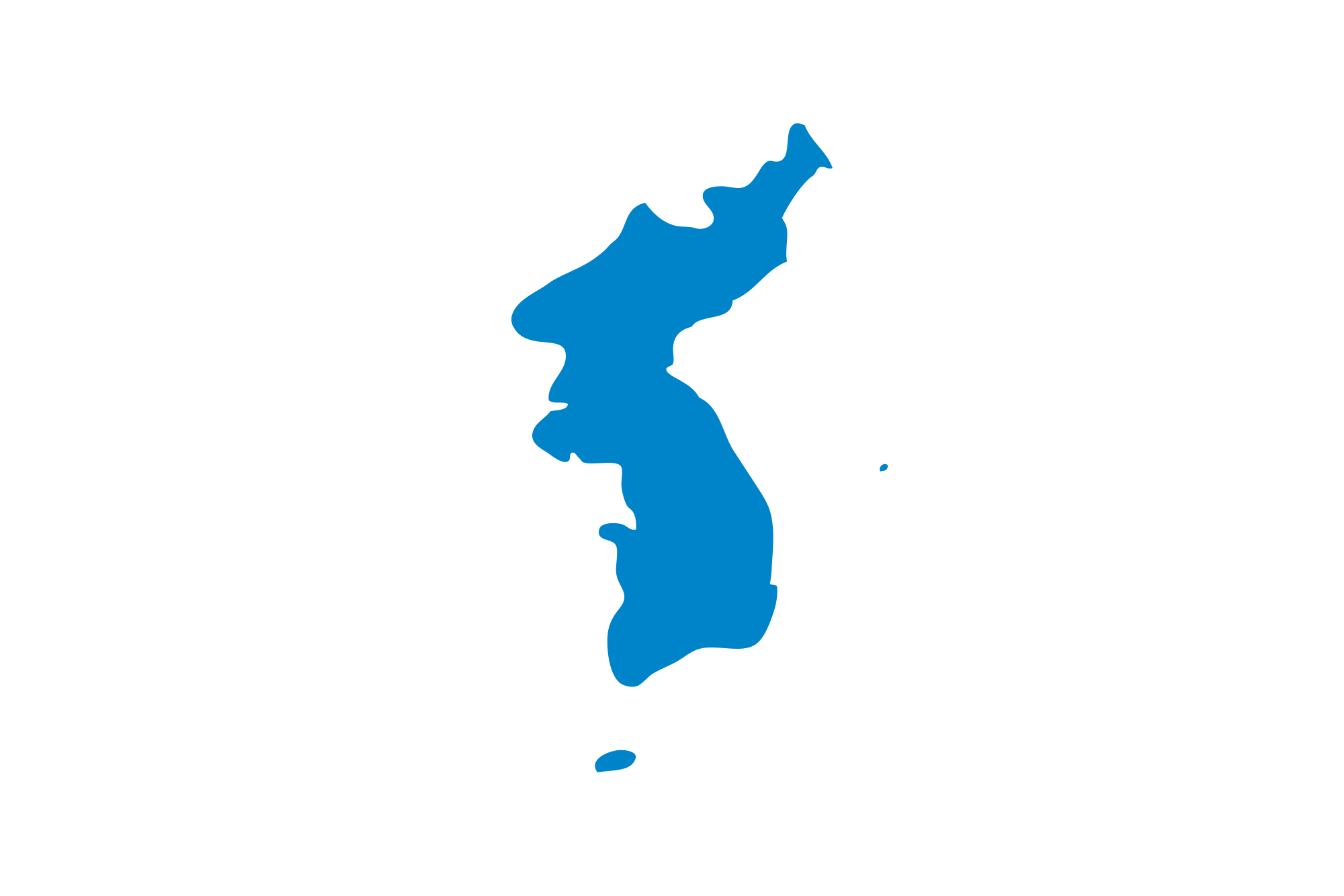
Korean reunification is the hypothetical unification of North Korea and South Korea into a singular Korean sovereign state. The process towards reunification of the peninsula while still maintaining two opposing regimes was started by the June 15th North–South Joint Declaration in June 2000, was reaffirmed by the October 4th Declaration in October 2007 and the Panmunjom Declaration in April 2018. In the Panmunjom Declaration, the two countries agreed to work to officially end the Korean conflict in the future.
Prior to the First World War and Korea under Japanese rule (1910–1945), all of Korea had been unified as a single state for over a millennium, notably under the Goryeo and Joseon dynasties (the latter of which was declared the Korean Empire in 1897). After the end of World War II in 1945 and during the beginning of the Cold War, Korea had a unified government, the People's Republic of Korea. However, this would be brief and serve as the last government, as Korea was divided into two countries along the 38th parallel (now the Korean Demilitarized Zone) in 1948. After World War II, North Korea was occupied by the Soviet Union, and later administered by the Workers' Party of Korea under Kim Il Sung. South Korea was occupied by the United States, later becoming independent under dictator Syngman Rhee. Both governments of the two new Korean states claimed to be the sole legitimate government of all of Korea. The Korean War, which began in June 1950, ended in a stalemate in July 1953.
Even after the end of the Korean War, reunification proved a challenge as the two countries increasingly diverged at a steady pace. The relations between North and South Korea warmed somewhat in early 2000s and again in late 2010s when South Korea pursued the Sunshine Policy of greater engagement with the North, though relations have subsequently deteriorated. Further deterioration has also been seen in 2024, with Kim Jong Un officially "ruling out unification" with South Korea, and subsequently demolishing the Arch of Reunification in Pyongyang. In the recent decades, public support for reunification in South Korea has dropped, especially among the younger generation.
The current division of the Korean Peninsula is the result of decisions taken at the end of World War II. In 1910, the Empire of Japan annexed Korea and ruled over it until its defeat in World War II. The Korean independence agreement officially occurred on 1 December 1943, when the United States, China, and the United Kingdom signed the Cairo Declaration, which stated: "The aforesaid three powers, mindful of the enslavement of the people of Korea, are determined that in due course Korea shall become free and independent". In 1945, the United Nations developed plans for trusteeship administration of Korea.
The division of the peninsula into two military occupation zones was agreed: the Soviet Civil Administration in the North and the United States Army Military Government in Korea in the South. At midnight on 10 August 1945, two army lieutenant colonels selected the 38th parallel as a dividing line. Japanese troops north of the line were to surrender to the Soviet Union, and the troops south of the line would surrender to the United States.
The partition was not originally intended to last long, but Cold War politics resulted in the establishment of two separate governments in the two zones in 1948, and rising tensions prevented co-operation. The desire of many Koreans for a peaceful unification was dashed when the Korean War broke out in 1950. On 25 June 1950, troops from North Korea invaded South Korea. Mao Zedong encouraged the confrontation with the United States and Joseph Stalin reluctantly supported the invasion. After three years of fighting, which involved both Koreas, China and United Nations forces led by the US, the war ended with an armistice agreement at approximately the same boundary.
After the détente between the United States and China, the North and South Korean governments made in 1972 the July 4 South–North Joint Statement to improve the relations between the two countries on July 4, 1972. It had a representative of each government secretly visit the other's capital city, and both sides agreed to a North-South Joint Communiqué, outlining the steps to be taken towards achieving a peaceful reunification of the country:
The agreement outlined the steps to be taken towards achieving a peaceful reunification of the country. However, the North-South Coordination Committee was disbanded the following year after no progress had been made towards implementing the agreement. In January 1989, the founder of Hyundai, Jung Ju-young, toured North Korea and promoted tourism in Mount Kumgang. After a twelve-year hiatus, the prime ministers of the two Koreas met in Seoul in September 1990 to engage in the Inter-Korean summits or High-Level Talks. In December, the two countries reached an agreement on issues of reconciliation, nonaggression, cooperation, and exchange between North and South in "The Agreement on Reconciliation, Nonaggression, Cooperation, and Exchange Between North and South", but these talks collapsed over inspection of nuclear facilities. In 1994, after former U.S. President Jimmy Carter's visit to Pyongyang, the leaders of the two Koreas agreed to meet with each other, but the meeting was prevented by the death of Kim Il Sung that July.
Hub AI
Korean reunification AI simulator
(@Korean reunification_simulator)
Korean reunification
Korean reunification is the hypothetical unification of North Korea and South Korea into a singular Korean sovereign state. The process towards reunification of the peninsula while still maintaining two opposing regimes was started by the June 15th North–South Joint Declaration in June 2000, was reaffirmed by the October 4th Declaration in October 2007 and the Panmunjom Declaration in April 2018. In the Panmunjom Declaration, the two countries agreed to work to officially end the Korean conflict in the future.
Prior to the First World War and Korea under Japanese rule (1910–1945), all of Korea had been unified as a single state for over a millennium, notably under the Goryeo and Joseon dynasties (the latter of which was declared the Korean Empire in 1897). After the end of World War II in 1945 and during the beginning of the Cold War, Korea had a unified government, the People's Republic of Korea. However, this would be brief and serve as the last government, as Korea was divided into two countries along the 38th parallel (now the Korean Demilitarized Zone) in 1948. After World War II, North Korea was occupied by the Soviet Union, and later administered by the Workers' Party of Korea under Kim Il Sung. South Korea was occupied by the United States, later becoming independent under dictator Syngman Rhee. Both governments of the two new Korean states claimed to be the sole legitimate government of all of Korea. The Korean War, which began in June 1950, ended in a stalemate in July 1953.
Even after the end of the Korean War, reunification proved a challenge as the two countries increasingly diverged at a steady pace. The relations between North and South Korea warmed somewhat in early 2000s and again in late 2010s when South Korea pursued the Sunshine Policy of greater engagement with the North, though relations have subsequently deteriorated. Further deterioration has also been seen in 2024, with Kim Jong Un officially "ruling out unification" with South Korea, and subsequently demolishing the Arch of Reunification in Pyongyang. In the recent decades, public support for reunification in South Korea has dropped, especially among the younger generation.
The current division of the Korean Peninsula is the result of decisions taken at the end of World War II. In 1910, the Empire of Japan annexed Korea and ruled over it until its defeat in World War II. The Korean independence agreement officially occurred on 1 December 1943, when the United States, China, and the United Kingdom signed the Cairo Declaration, which stated: "The aforesaid three powers, mindful of the enslavement of the people of Korea, are determined that in due course Korea shall become free and independent". In 1945, the United Nations developed plans for trusteeship administration of Korea.
The division of the peninsula into two military occupation zones was agreed: the Soviet Civil Administration in the North and the United States Army Military Government in Korea in the South. At midnight on 10 August 1945, two army lieutenant colonels selected the 38th parallel as a dividing line. Japanese troops north of the line were to surrender to the Soviet Union, and the troops south of the line would surrender to the United States.
The partition was not originally intended to last long, but Cold War politics resulted in the establishment of two separate governments in the two zones in 1948, and rising tensions prevented co-operation. The desire of many Koreans for a peaceful unification was dashed when the Korean War broke out in 1950. On 25 June 1950, troops from North Korea invaded South Korea. Mao Zedong encouraged the confrontation with the United States and Joseph Stalin reluctantly supported the invasion. After three years of fighting, which involved both Koreas, China and United Nations forces led by the US, the war ended with an armistice agreement at approximately the same boundary.
After the détente between the United States and China, the North and South Korean governments made in 1972 the July 4 South–North Joint Statement to improve the relations between the two countries on July 4, 1972. It had a representative of each government secretly visit the other's capital city, and both sides agreed to a North-South Joint Communiqué, outlining the steps to be taken towards achieving a peaceful reunification of the country:
The agreement outlined the steps to be taken towards achieving a peaceful reunification of the country. However, the North-South Coordination Committee was disbanded the following year after no progress had been made towards implementing the agreement. In January 1989, the founder of Hyundai, Jung Ju-young, toured North Korea and promoted tourism in Mount Kumgang. After a twelve-year hiatus, the prime ministers of the two Koreas met in Seoul in September 1990 to engage in the Inter-Korean summits or High-Level Talks. In December, the two countries reached an agreement on issues of reconciliation, nonaggression, cooperation, and exchange between North and South in "The Agreement on Reconciliation, Nonaggression, Cooperation, and Exchange Between North and South", but these talks collapsed over inspection of nuclear facilities. In 1994, after former U.S. President Jimmy Carter's visit to Pyongyang, the leaders of the two Koreas agreed to meet with each other, but the meeting was prevented by the death of Kim Il Sung that July.
Recent media