Hubbry Logo
search
logo

Milk run

logo
Community Hub0 Subscribers
Read side by side
from Wikipedia

A milk run, milk round, or milk route is the fixed route taken to pick up milk from dairy farmers, or to deliver milk to consumers, as part of a milk delivery system.[1] In extended usage, it may be a transportation service that has many stops. Metaphorically, it may be a slow or tedious trip, a military air mission posing little danger, or any circular route.

Dairy use

[edit]

Milk runs are documented in the American Upper Midwest as early as 1917, where it was a train that made frequent stops to pick up farmers' milk cans for shipment to local dairies for processing and bottling.[2]

It may also be the route used to distribute full milk bottles and collect empties by a milkman.[3] The route may be sold by one milkman to another.[1]

Transportation

[edit]

In scheduled passenger airline or rail travel, a milk run may involve a trip with many stops,[4][1] and more generally a slow, tedious trip. It may also be an uneventful trip.[4]

Military

[edit]

Originally from United States Army Air Corps and Royal Air Force aircrews in World War II, a milk run was typically used to refer as a mission posing little danger, the mission could be either a bombing run or a convoy on secured routes (i.e Highway 1 in Vietnam).[5][6]

Commercial aviation

[edit]

In the airline industry, a "milk run" is a multi-stop, regularly scheduled passenger flight operated with a single aircraft. Current examples include:

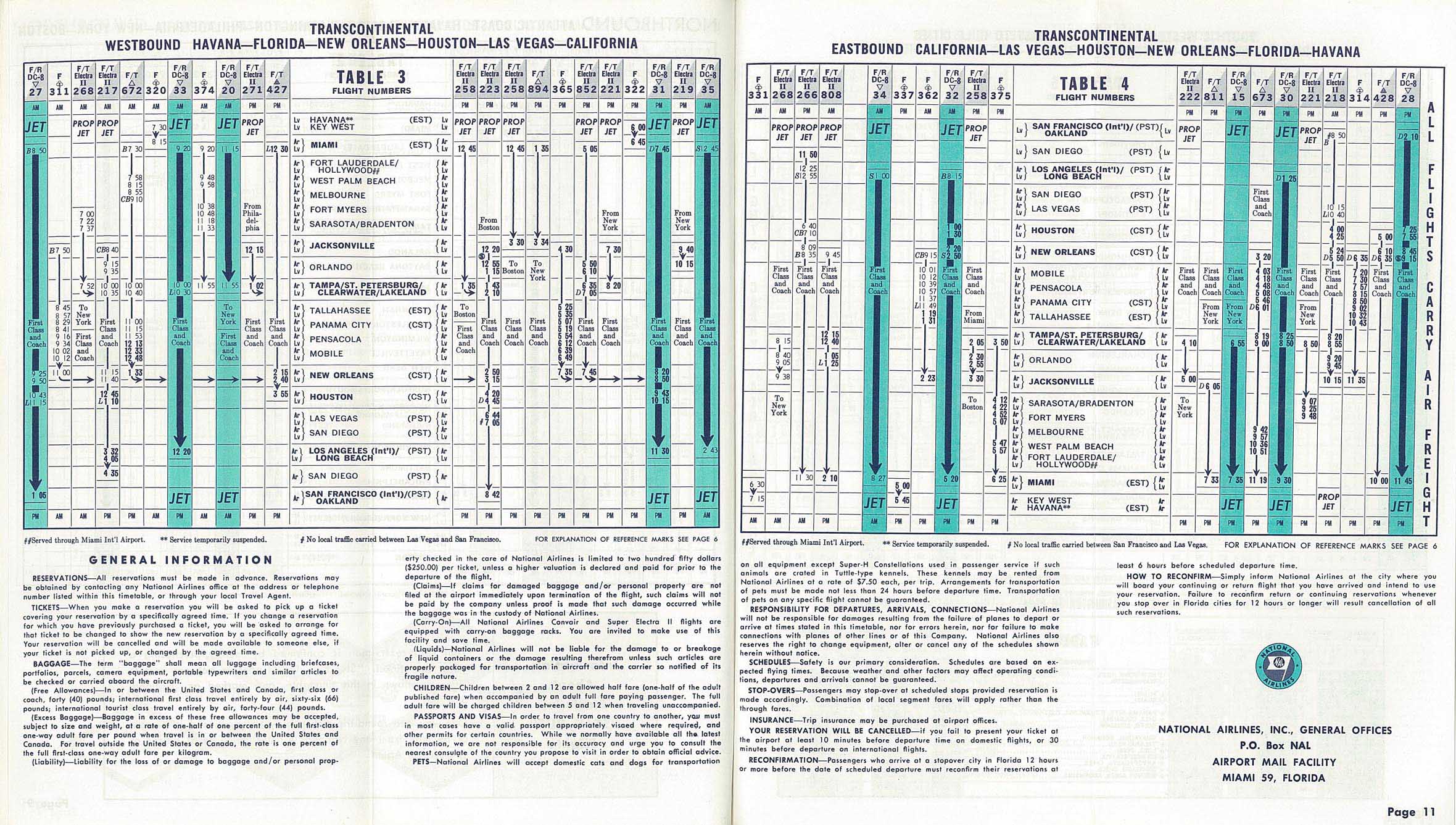
An historical example of a transcontinental airline milk run in the U.S. in 1962 was National Airlines (1934-1980) flight 223 operated daily with a Lockheed L-188 Electra turboprop aircraft on a south and then westbound routing of Boston - New York City - Jacksonville, FL - Orlando - Tampa - New Orleans - Houston - Las Vegas - San Francisco.[11][12][13] According to the March 2, 1962 National Airlines system timetable, flight 223 departed Boston at 7:30 am and then arrived in San Francisco at 8:42 pm on the same day with seven intermediate stops en route.

Logistics

[edit]

In logistics, a milk run is a circular route.[14]

References

[edit]
Revisions and contributorsEdit on WikipediaRead on Wikipedia
from Grokipedia
A milk run is a logistics delivery method in which a single vehicle or carrier collects goods from multiple suppliers along a predetermined route and transports them to a single customer or destination, or conversely, distributes items from one origin to various recipients.[1][2] The term originates from the early 20th-century practice of milkmen following fixed routes to pick up empty bottles and deliver fresh milk to households daily, ensuring efficient, routine service in urban areas.[3][4] In broader usage, particularly in aviation and military slang, a milk run describes a short, routine, or low-risk trip, such as an uneventful flight with minimal danger, a connotation that emerged during World War II among pilots referring to standard missions.[5] This dual application highlights the term's evolution from literal dairy routes to metaphorical descriptions of predictable operations in transportation and beyond. Within modern supply chain management, milk runs optimize efficiency by consolidating shipments, reducing transportation costs, and minimizing empty miles traveled, though they require precise scheduling to avoid delays from multiple stops.[6] They are commonly employed in just-in-time manufacturing environments, such as automotive assembly lines, where parts are sourced frequently from nearby suppliers to support continuous production.[7] Despite potential challenges like route complexity and dependency on supplier readiness, milk runs remain a cornerstone of lean logistics for their efficiency benefits.[8]

Origins and Etymology

Definition

A milk run refers to a routine, uneventful trip or undertaking, often involving multiple short stops and presenting little danger or difficulty.[9] This term draws from the literal practice of milk delivery routes, where carriers followed fixed, predictable paths to collect or distribute milk from dairy farmers to consumers.[10] The key characteristics of a milk run include a standardized, repeatable itinerary with minimal variability, low risk of complications, and efficiency derived from frequent but straightforward stops along the way.[9] These features emphasize reliability and simplicity, mirroring the daily regularity of traditional milk collection or delivery operations.[10] The slang evolved from its literal origins in the early 1900s, with the earliest recorded use in 1909 denoting an actual milk route.[10] By the 1940s, it had shifted to figurative use, particularly in aviation slang during World War II, where it described safe, opposition-free missions akin to the uneventful nature of a milkman's round; the first known colloquial application dates to 1943.[9][11]

Historical Development in Dairy and Rail

While the practices of routine milk transport by rail began in the early 19th century in both the United States and Europe, the term "milk run" first appeared in 1909. In the U.S., large-scale milk shipments started in the early 1840s via the Erie Railroad, connecting rural dairy areas to New York City, with milk transported in 10-gallon cans loaded onto passenger trains for speed and reliability.[12] In Europe, the practice started around 1845 when milk was first railed to London from Essex farms via the Eastern Counties Railway, initially limited to short distances of 20-25 miles due to spoilage risks, but expanding gradually, with railway milk reaching over 90% of the city's supply by the early 1900s, primarily from regions like the Vale of Aylesbury.[13] These frequent, predictable stops to gather milk from farmers established the concept of dependable, multi-stop logistics without high-risk elements. By the early 20th century, dedicated milk trains became common, peaking in the pre-World War II era with specialized creamery cars designed for insulated transport. In the U.S., railroads like the Pennsylvania Railroad operated overnight "milk trains" starting around 1900, hauling thousands of gallons from Pennsylvania and surrounding states to urban markets, often tying into major lines like the New York Central for final delivery.[14] Innovations such as the 1921 Pfaudler glass-lined tank cars, holding 3,000 gallons each, further streamlined these routes, with rail handling about two-thirds of milk delivery to cities by the 1920s.[14] In urban areas during the 1920s and 1930s, this routine extended to milkmen who conducted daily door-to-door deliveries on foot, bicycle, or horse-drawn carts, placing glass bottles in insulated boxes at homes to ensure freshness amid limited household refrigeration.[15] The reliable, low-risk nature of these milk routes contributed to the term's evolution into slang for routine efficiency.

Transportation Applications

Road and Rail Routines

In rail transportation during the mid-20th century, the term "milk run" extended beyond dairy to describe local freight trains that made frequent, scheduled stops at small stations to load goods such as produce, mail, and other commodities. These trains operated on predictable timetables, mirroring the daily reliability of early milk collections, and served rural and regional networks where express services were impractical. For instance, combination cars carried mixed freight including perishables and parcels, emphasizing the routine efficiency of multi-stop routes over high-speed long-haul alternatives.[12] The milk run concept has influenced road delivery operations, where trucks follow fixed routes for routine pickups and drop-offs, consolidating multiple stops into single trips to optimize vehicle utilization. These routines prioritize cost savings through aggregated short-distance movements, minimizing empty returns and fuel expenses.[16][3]

General Shipping Contexts

In maritime shipping, the "milk run" denotes routine, multi-stop voyages by short-sea or coastal cargo vessels that collect or deliver bulk commodities like timber, fish, or bauxite from small ports along coastal or riverine routes, mirroring the sequential pickups of traditional dairy deliveries.[17] These operations optimize efficiency for fragmented loads by consolidating cargo across multiple locations, reducing the need for direct point-to-point shipments and lowering overall transport costs in regional networks.[18] For instance, handymax or smaller bulk carriers in regional trades, such as those in the Pacific or Indian Ocean areas, follow milk run patterns to serve dispersed ports without requiring larger deep-sea vessels.[19] In international trade, milk runs gained prominence with feeder ships from the 1980s onward, connecting major hub ports to outlying regional facilities in areas like Southeast Asia and the Pacific Islands, enabling scheduled itineraries for mixed cargoes.[20] These services, often involving partial offloads at several stops, support reliable distribution of goods such as LNG or general freight, as seen in Eastern Indonesia where small-scale carriers use milk run schemes to optimize routes between islands and hubs.[21] The approach contrasts with high-seas voyages by emphasizing predictable paths. By the 2000s, the milk run concept extended to container shipping on intra-regional routes, where vessels prioritize timetable adherence and cost-effectiveness over rapid transits, particularly in hub-and-spoke systems across Southeast Asia and the Pacific.[22] This evolution allows for direct calls at smaller ports, shortening dwell times and enhancing supply chain resilience, as evidenced in ASEAN trades where milk run liners integrate with national gateways for domestic and cross-border flows.[23] The term's application underscores its adaptability to various multi-port environments.

Aviation Uses

Military Operations

The term "milk run" originated among U.S. and Allied pilots during World War II in the 1940s, referring to routine bombing or supply flights over familiar, defended areas such as those in Europe, characterized by high survival rates in contrast to the perilous deep strikes into heavily fortified enemy territory.[24] This slang emerged as a morale-boosting descriptor for missions with predictable routes and minimal opposition, helping crews cope with the psychological strain of aerial combat.[25] In the European Theater, flights to targets like France were often labeled milk runs due to their shorter duration and lower risk, with Eighth Air Force records indicating overall mission loss rates around 4-5% but significantly reduced for these shorter, less defended sorties compared to deep penetrations like Schweinfurt, where losses reached 16%.[26] In the Pacific Theater, the term applied to operations such as B-29 Superfortress bombing runs from bases like those in the Marianas to Japanese targets from 1944 to 1945, described as milk runs for their relative predictability despite ongoing threats from anti-aircraft fire and fighters.[27] Veteran accounts from units like the 315th Bomb Wing highlight missions to sites such as Ube, where crews anticipated routine execution with fewer losses, reinforcing the term's association with safer, repetitive tactical patterns.[28] These flights exemplified the concept's emphasis on operational familiarity, with notably higher survival rates than high-risk incursions, based on aggregated Army Air Forces data from the era. Following World War II, the terminology persisted into the Korean War of the 1950s, where it described bombing missions by aircraft like the B-29 along established routes, as well as supply operations by transport planes that faced limited threats.[29][30] Crews in units such as the 19th Bomb Group used it for night operations over front lines, underscoring its role in fostering optimism amid ongoing combat. The phrase continued as slang to boost morale on these low-threat evolutions, distinguishing them from intense engagements. The term also appeared in the Vietnam War, referring to routine supply and reconnaissance flights by helicopters and transports in relatively secure areas. In modern military contexts, "milk run" has been applied to resupply operations using helicopters in stabilized zones, maintaining the original connotation of predictability and safety, aiding in the psychological resilience of personnel on repetitive support tasks.[31][32]

Commercial Flights

In the post-World War II era, the term "milk run" entered civilian aviation lexicon to describe short-haul, multi-stop domestic flights that mirrored the routine efficiency of dairy delivery routes. By the 1950s, U.S. airlines commonly applied it to propeller-driven services like those using Douglas DC-3 aircraft, which connected smaller towns with frequent stops along established paths, prioritizing reliability over speed.[33] A prominent example is Alaska Airlines' "Milk Run," operational since the 1940s, which provides daily circuits through Southeast Alaska, hopping between remote communities such as Juneau, Sitka, Petersburg, Wrangell, and Ketchikan. This route, initially flown with bush planes and later upgraded to Boeing 737s, delivers passengers, mail, and supplies to areas lacking road access, functioning as a vital lifeline for isolated towns.[34][35] In the 1960s and 1970s, the term extended to commercial cargo operations, particularly for time-sensitive shipments like mail and perishables on multi-stop flights. Airlines such as Alaska Airlines utilized combi aircraft—configured for mixed passenger and freight loads—on these routes to optimize capacity across short segments. By the 1980s, "milk run" described commuter airline services featuring frequent, low-altitude legs between regional hubs, often with turboprop aircraft serving underserved markets.[36][37] In Australia, regional carriers like Regional Express (Rex) Airlines employ the term for outback routes, such as the Queensland "Milk Run" from Brisbane to Mount Isa via eight stops in remote towns like Longreach and Cloncurry. These flights, typically operated with Saab 340 turboprops, support mining communities and agricultural areas since the early 2000s.[38] Into the 21st century, the concept persists with low-cost carriers offering intra-regional hops on short routes, exemplified by European services like those connecting Scandinavian cities or Baltic states with multiple intermediate landings to boost connectivity without long-haul infrastructure.[39]

Logistics Strategies

Supply Chain Definition

In supply chain logistics, a milk run refers to a procurement and delivery method in which a single vehicle follows a predefined route to collect small loads from multiple suppliers and consolidate them for transport to a single destination, such as a manufacturing facility, or conversely to distribute goods to multiple recipients from one origin.[40] This approach optimizes resource utilization by enabling frequent, synchronized shipments, particularly in support of just-in-time (JIT) manufacturing principles.[40] It contrasts with direct shipments, which are more suitable for large-volume, point-to-point transport of bulk goods.[2] The milk run concept evolved from practices in the 1970s automotive industry in Japan, influenced by the Toyota Production System, which emphasized lean manufacturing and minimal inventory through precise timing of parts arrivals.[40] By the 1980s, it had become a standard technique for internal plant logistics and supplier coordination, with Toyota implementing it to synchronize deliveries and reduce stockholding needs.[40] Its adoption spread globally during the 1990s as multinational manufacturers, including Japanese automakers expanding abroad, applied it to streamline international supply chains and enhance efficiency in repetitive production environments.[40] Key concepts of the milk run include consolidating shipments to minimize empty miles—unloaded vehicle travel—and improving overall loading efficiency, which can reduce transportation costs and environmental impact.[40] This method fosters closer supplier integration but requires precise scheduling to avoid delays.[6]

Implementation and Advantages

In modern supply chains, implementing a milk run involves meticulous route planning, often leveraging GPS and optimization software to determine efficient circuits that consolidate pickups from multiple suppliers. Since the early 2000s, advancements in logistics software have enabled automated route generation, incorporating factors such as distance, traffic patterns, and supplier locations to minimize total travel time and fuel use.[41][42] Scheduling is synchronized across stops to ensure readiness of goods and adherence to just-in-time delivery requirements, reducing idle times for vehicles and suppliers alike.[6] The primary advantages of milk runs include significant cost reductions in transportation and inventory management. Studies from the 2010s demonstrate that milk run systems can achieve up to 15% savings in overall transport costs by consolidating loads and eliminating redundant trips, while also cutting inventory levels by as much as 45% through more frequent, smaller deliveries.[43][44] Environmentally, these routes lower emissions by optimizing vehicle utilization and reducing the number of journeys; for instance, implementation in manufacturing settings has been shown to decrease CO2 output by nearly 7 tons annually per route due to decreased fuel consumption.[45] Additionally, milk runs enhance flexibility for small-batch production by enabling regular, predictable replenishments that align with variable demand, supporting lean manufacturing without excess stockpiling.[40] As of 2024, the global milk run logistics market was valued at USD 12.8 billion, indicating growing adoption for efficient and sustainable supply chains.[46] Challenges in milk run execution, such as traffic delays that disrupt synchronized schedules, are addressed through dynamic routing technologies that allow real-time adjustments via fog-based networks or IoT integration.[41] In practice, European automotive companies like Volkswagen have employed milk runs for inbound logistics to streamline parts consolidation from suppliers.[47]

References

User Avatar
No comments yet.