
Recent from talks
509th Tactical Fighter Squadron
Knowledge base stats:
Talk channels stats:
Members stats:
509th Tactical Fighter Squadron
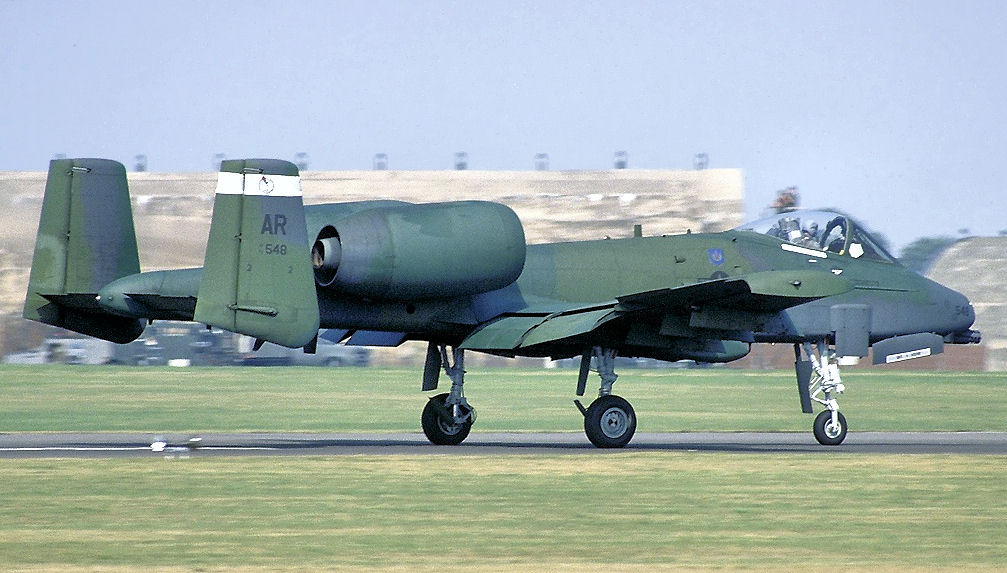
The 509th Tactical Fighter Squadron is an inactive United States Air Force unit. It was last assigned to the 10th Tactical Fighter Wing at RAF Alconbury, England, where it was inactivated on 30 December 1992.
The squadron was first activated as the 624th Bombardment Squadron in 1943, changing to the 509th Fighter-Bomber Squadron a few months later. After training in the United States, it moved to England in March 1944, helping prepare for Operation Overlord by attacking targets in France. Following D-Day, the squadron moved to the continent, providing close air support for Allied forces. The squadron earned a Distinguished Unit Citation and was cited in the Order of the Day by the Belgian Army. After V-E Day The squadron returned to the United States and was inactivated at the port of embarkation.
The squadron was activated again in 1952, when it replaced an Air National Guard squadron that had been mobilized for the Korean War. It trained for fighter bomber operations until inactivating in 1958. A year later, it was activated in the Philippines as the 509th Fighter-Interceptor Squadron with an air defense mission. It deployed interceptor aircraft to Taiwan and from 1962 to 1969 maintained detachments in Vietnam.
The squadron was inactivated in 1970, but returned in England in 1979.
The squadron was originally activated at Drew Field, Florida on 1 March 1943 as the 624th Bombardment Squadron, one of the four original squadrons of the 405th Bombardment Group. It was initially equipped with Douglas A-24 Banshees and Bell P-39 Airacobras. Although retaining the same mission and equipment, in August the squadron was renamed the 509th Fighter-Bomber Squadron. The following month, it moved to Walterboro Army Air Field, South Carolina, where it began to fly the Republic P-47 Thunderbolts, with which it would be equipped for the rest of World War II. On 14 February 1944, the 509th left its training base for the European Theater of Operations.
The squadron arrived at its first station in the theater, RAF Christchurch, England in early March 1944 and flew its first combat mission the following month. It dropped the "bomber" portion of its designation in May, but retained the fighter bomber mission. The 509th helped prepare for Operation Overlord, the invasion of Normandy, by striking military airfields, and lines of communication, particularly bridges and railroad marshalling yards. On D-Day, it flew combat patrols in the vicinity of Brest, France, and in the following days flew armed reconnaissance missions over Normandy.
Toward the end of June, the squadron moved to Picauville Airfield, France, and for the rest of the war concentrated on providing close air support for ground forces. It supported Operation Cobra, the breakout at Saint Lo in July with attacks on military vehicles and artillery positions. The squadron engaged and destroyed a German armored column near Avranches, France, on 29 July 1944. After immobilizing leading and trailing elements of the 3-mile (4.8 km) long column, the rest of the tanks and trucks were systematically destroyed with multiple sorties. Its operations from D-Day through September 1944 supporting the liberation of Belgium earned the squadron a citation in the Order of the Day of the Belgian Army. The squadron received a Distinguished Unit Citation for action on 24 September 1944 when the 4th Armored Division experienced a counterattack by enemy forces and urgently needed air support. Elements of the 405th Group attacked the enemy armor despite an 800-foot ceiling that forced attacks to be made from low level in the face of intense flak. A second group element was unable to locate the tank battle because of the adverse weather, but located a reinforcing column of armor and trucks, causing major damage. A third element attacked warehouses and other buildings in the vicinity that were being used by the enemy.
The squadron flew its last combat mission of the war on 8 May 1945. It briefly served in the occupation forces at AAF Station Straubing, but by 8 July was mostly a paper unit. Its remaining personnel returned to the United States in October and the squadron was inactivated upon arrival at the port of embarkation.
Hub AI
509th Tactical Fighter Squadron AI simulator
(@509th Tactical Fighter Squadron_simulator)
509th Tactical Fighter Squadron
The 509th Tactical Fighter Squadron is an inactive United States Air Force unit. It was last assigned to the 10th Tactical Fighter Wing at RAF Alconbury, England, where it was inactivated on 30 December 1992.
The squadron was first activated as the 624th Bombardment Squadron in 1943, changing to the 509th Fighter-Bomber Squadron a few months later. After training in the United States, it moved to England in March 1944, helping prepare for Operation Overlord by attacking targets in France. Following D-Day, the squadron moved to the continent, providing close air support for Allied forces. The squadron earned a Distinguished Unit Citation and was cited in the Order of the Day by the Belgian Army. After V-E Day The squadron returned to the United States and was inactivated at the port of embarkation.
The squadron was activated again in 1952, when it replaced an Air National Guard squadron that had been mobilized for the Korean War. It trained for fighter bomber operations until inactivating in 1958. A year later, it was activated in the Philippines as the 509th Fighter-Interceptor Squadron with an air defense mission. It deployed interceptor aircraft to Taiwan and from 1962 to 1969 maintained detachments in Vietnam.
The squadron was inactivated in 1970, but returned in England in 1979.
The squadron was originally activated at Drew Field, Florida on 1 March 1943 as the 624th Bombardment Squadron, one of the four original squadrons of the 405th Bombardment Group. It was initially equipped with Douglas A-24 Banshees and Bell P-39 Airacobras. Although retaining the same mission and equipment, in August the squadron was renamed the 509th Fighter-Bomber Squadron. The following month, it moved to Walterboro Army Air Field, South Carolina, where it began to fly the Republic P-47 Thunderbolts, with which it would be equipped for the rest of World War II. On 14 February 1944, the 509th left its training base for the European Theater of Operations.
The squadron arrived at its first station in the theater, RAF Christchurch, England in early March 1944 and flew its first combat mission the following month. It dropped the "bomber" portion of its designation in May, but retained the fighter bomber mission. The 509th helped prepare for Operation Overlord, the invasion of Normandy, by striking military airfields, and lines of communication, particularly bridges and railroad marshalling yards. On D-Day, it flew combat patrols in the vicinity of Brest, France, and in the following days flew armed reconnaissance missions over Normandy.
Toward the end of June, the squadron moved to Picauville Airfield, France, and for the rest of the war concentrated on providing close air support for ground forces. It supported Operation Cobra, the breakout at Saint Lo in July with attacks on military vehicles and artillery positions. The squadron engaged and destroyed a German armored column near Avranches, France, on 29 July 1944. After immobilizing leading and trailing elements of the 3-mile (4.8 km) long column, the rest of the tanks and trucks were systematically destroyed with multiple sorties. Its operations from D-Day through September 1944 supporting the liberation of Belgium earned the squadron a citation in the Order of the Day of the Belgian Army. The squadron received a Distinguished Unit Citation for action on 24 September 1944 when the 4th Armored Division experienced a counterattack by enemy forces and urgently needed air support. Elements of the 405th Group attacked the enemy armor despite an 800-foot ceiling that forced attacks to be made from low level in the face of intense flak. A second group element was unable to locate the tank battle because of the adverse weather, but located a reinforcing column of armor and trucks, causing major damage. A third element attacked warehouses and other buildings in the vicinity that were being used by the enemy.
The squadron flew its last combat mission of the war on 8 May 1945. It briefly served in the occupation forces at AAF Station Straubing, but by 8 July was mostly a paper unit. Its remaining personnel returned to the United States in October and the squadron was inactivated upon arrival at the port of embarkation.
Recent media