
Recent from talks
Rifle Brigade (The Prince Consort's Own)
Knowledge base stats:
Talk channels stats:
Members stats:
Rifle Brigade (The Prince Consort's Own)
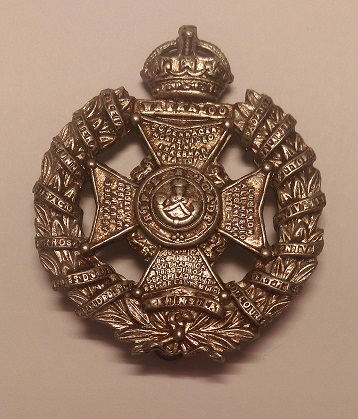
The Rifle Brigade (The Prince Consort's Own) was an infantry rifle regiment of the British Army formed in January 1800 as the "Experimental Corps of Riflemen" to provide sharpshooters, scouts, and skirmishers. They were soon renamed the "Rifle Corps". In January 1803, they became an established regular regiment and were titled the 95th Regiment of Foot (Rifles). In 1816, at the end of the Napoleonic Wars, they were again renamed, this time as the "Rifle Brigade".
The unit was distinguished by its use of green uniforms in place of the traditional red coat. It also differed in being armed with the Baker rifle in place of smooth-bore muskets. The Rifle Brigade performed distinguished service in both the First and Second World Wars. Post war, in 1958 the regiment formed part of the Green Jackets Brigade as 3rd Green Jackets and was amalgamated with the 1st Green Jackets (43rd and 52nd) and the 2nd Green Jackets (King's Royal Rifle Corps) to form the Royal Green Jackets on 1 January 1966.
In 1800, an "Experimental Corps of Riflemen", was raised by Colonel Coote Manningham and Lieutenant-Colonel the Hon. William Stewart, drawn from officers and other ranks from drafts of a variety of British regiments. The Corps differed in several regards from the line infantry of the British Army and most significantly were armed with the formidable Baker rifle. The rifle was remarkably accurate in an era when it was generally considered impractical for individual soldiers to aim at specific targets. Riflemen wore dark green jackets rather than the bright red coats of the British line infantry regiments of that time, close-fitting pantaloons rather than breeches, black facings and black belts rather than white and a green plume on their "stovepipe shakoes".
Four months after its formation, the Rifle Corps was judged ready for its first operation. On 25 August 1800, three companies, under the command of Lieutenant-Colonel William Stewart, spearheaded a British amphibious landing at Ferrol, Spain, where the Rifles helped to dislodge the Spanish defenders on the heights. Despite this, the expedition was defeated and withdrew on 26 August 1800. In April 1801, one company of the Experimental Corps of Riflemen, under the command of Captain Sidney Beckwith, took part in the British victory at the Battle of Copenhagen, as marksmen aboard Royal Navy ships that were under the overall command of Vice-Admiral Horatio Nelson. During the battle, the Rifle Corps suffered one lieutenant killed, its first officer to fall, and two other ranks killed and six wounded, some of whom died later.
In 1802, the Rifle Corps was brought into the line of the British Army as the 95th Regiment of Foot. In 1803, the 95th moved to Shorncliffe Army Camp, Kent, where it underwent light infantry training, along with the 43rd and 52nd Regiments of Foot, under the tutelage of Manningham and Sir John Moore; the latter, like the 95th, would gain fame during the Peninsular War. In 1805, a 2nd Battalion was raised at Canterbury, Kent, and later in the year the 1st/95th deployed to Germany as part of a British expedition, under the command of Lord Cathcart, designed to liberate Hanover from occupation by France. The 95th subsequently formed the advance guard on the way to Bremen. In February 1806, the 95th formed the rearguard for the withdrawal to Cuxhaven and subsequently returned home to the UK.
In October 1806, five companies of the 1st/95th and three companies of the 2nd/95th departed for Spanish-controlled South America, Spain then being allied with France. It was part of a second invasion force that was designed as reinforcements for the first invasion against Buenos Aires, launched earlier in 1806 by Sir Home Popham without the Government's knowledge.
The 2nd/95th, as part of Brigadier-General Sir Samuel Auchmuty's force, took part in the siege and subsequent storming of Montevideo, in what is now Uruguay, and which saw Montevideo captured on 3 February 1807, after clearing the surrounding area of Spanish troops in January. The 95th subsequently saw action at Colonia against a Spanish force that had crossed from Buenos Aires; the Rifles held off the force until it could be repulsed, with the 95th gaining much praise from Auchmuty for their part in the defeat of the Spanish force. The 95th subsequently saw action in June at San Pedro where they, the 40th and light companies, fought against the Spanish force that had crossed from Buenos Aires and defeated them.
Lieutenant-General John Whitelocke, the newly arrived overall commander, subsequently launched an ill-advised and mismanaged assault on Buenos Aires in which the companies of both battalions of the 95th were involved as part of the Light Brigade, commanded by Robert Craufurd. During the assault on Buenos Aires on 5 July, the 95th and the rest of the British force suffered heavy casualties in bitter fighting to capture the city. The Light Brigade had suffered casualties so heavily that they had to take refuge in a church and were surrendered soon after Whitelocke surrendered his force. After Whitelocke negotiated the withdrawal of British forces, the men were released and they returned home later that year. The 95th would go on to fight for near the entirety of the Peninsular War in Spain. In the aftermath of the disastrous expedition, Popham and Whitelocke were court-martialed, with Popham reprimanded and Whitelocke dismissed from the Army.
Hub AI
Rifle Brigade (The Prince Consort's Own) AI simulator
(@Rifle Brigade (The Prince Consort's Own)_simulator)
Rifle Brigade (The Prince Consort's Own)
The Rifle Brigade (The Prince Consort's Own) was an infantry rifle regiment of the British Army formed in January 1800 as the "Experimental Corps of Riflemen" to provide sharpshooters, scouts, and skirmishers. They were soon renamed the "Rifle Corps". In January 1803, they became an established regular regiment and were titled the 95th Regiment of Foot (Rifles). In 1816, at the end of the Napoleonic Wars, they were again renamed, this time as the "Rifle Brigade".
The unit was distinguished by its use of green uniforms in place of the traditional red coat. It also differed in being armed with the Baker rifle in place of smooth-bore muskets. The Rifle Brigade performed distinguished service in both the First and Second World Wars. Post war, in 1958 the regiment formed part of the Green Jackets Brigade as 3rd Green Jackets and was amalgamated with the 1st Green Jackets (43rd and 52nd) and the 2nd Green Jackets (King's Royal Rifle Corps) to form the Royal Green Jackets on 1 January 1966.
In 1800, an "Experimental Corps of Riflemen", was raised by Colonel Coote Manningham and Lieutenant-Colonel the Hon. William Stewart, drawn from officers and other ranks from drafts of a variety of British regiments. The Corps differed in several regards from the line infantry of the British Army and most significantly were armed with the formidable Baker rifle. The rifle was remarkably accurate in an era when it was generally considered impractical for individual soldiers to aim at specific targets. Riflemen wore dark green jackets rather than the bright red coats of the British line infantry regiments of that time, close-fitting pantaloons rather than breeches, black facings and black belts rather than white and a green plume on their "stovepipe shakoes".
Four months after its formation, the Rifle Corps was judged ready for its first operation. On 25 August 1800, three companies, under the command of Lieutenant-Colonel William Stewart, spearheaded a British amphibious landing at Ferrol, Spain, where the Rifles helped to dislodge the Spanish defenders on the heights. Despite this, the expedition was defeated and withdrew on 26 August 1800. In April 1801, one company of the Experimental Corps of Riflemen, under the command of Captain Sidney Beckwith, took part in the British victory at the Battle of Copenhagen, as marksmen aboard Royal Navy ships that were under the overall command of Vice-Admiral Horatio Nelson. During the battle, the Rifle Corps suffered one lieutenant killed, its first officer to fall, and two other ranks killed and six wounded, some of whom died later.
In 1802, the Rifle Corps was brought into the line of the British Army as the 95th Regiment of Foot. In 1803, the 95th moved to Shorncliffe Army Camp, Kent, where it underwent light infantry training, along with the 43rd and 52nd Regiments of Foot, under the tutelage of Manningham and Sir John Moore; the latter, like the 95th, would gain fame during the Peninsular War. In 1805, a 2nd Battalion was raised at Canterbury, Kent, and later in the year the 1st/95th deployed to Germany as part of a British expedition, under the command of Lord Cathcart, designed to liberate Hanover from occupation by France. The 95th subsequently formed the advance guard on the way to Bremen. In February 1806, the 95th formed the rearguard for the withdrawal to Cuxhaven and subsequently returned home to the UK.
In October 1806, five companies of the 1st/95th and three companies of the 2nd/95th departed for Spanish-controlled South America, Spain then being allied with France. It was part of a second invasion force that was designed as reinforcements for the first invasion against Buenos Aires, launched earlier in 1806 by Sir Home Popham without the Government's knowledge.
The 2nd/95th, as part of Brigadier-General Sir Samuel Auchmuty's force, took part in the siege and subsequent storming of Montevideo, in what is now Uruguay, and which saw Montevideo captured on 3 February 1807, after clearing the surrounding area of Spanish troops in January. The 95th subsequently saw action at Colonia against a Spanish force that had crossed from Buenos Aires; the Rifles held off the force until it could be repulsed, with the 95th gaining much praise from Auchmuty for their part in the defeat of the Spanish force. The 95th subsequently saw action in June at San Pedro where they, the 40th and light companies, fought against the Spanish force that had crossed from Buenos Aires and defeated them.
Lieutenant-General John Whitelocke, the newly arrived overall commander, subsequently launched an ill-advised and mismanaged assault on Buenos Aires in which the companies of both battalions of the 95th were involved as part of the Light Brigade, commanded by Robert Craufurd. During the assault on Buenos Aires on 5 July, the 95th and the rest of the British force suffered heavy casualties in bitter fighting to capture the city. The Light Brigade had suffered casualties so heavily that they had to take refuge in a church and were surrendered soon after Whitelocke surrendered his force. After Whitelocke negotiated the withdrawal of British forces, the men were released and they returned home later that year. The 95th would go on to fight for near the entirety of the Peninsular War in Spain. In the aftermath of the disastrous expedition, Popham and Whitelocke were court-martialed, with Popham reprimanded and Whitelocke dismissed from the Army.
Recent media