
Recent from talks
Anti-Italian sentiment
Knowledge base stats:
Talk channels stats:
Members stats:
Anti-Italian sentiment
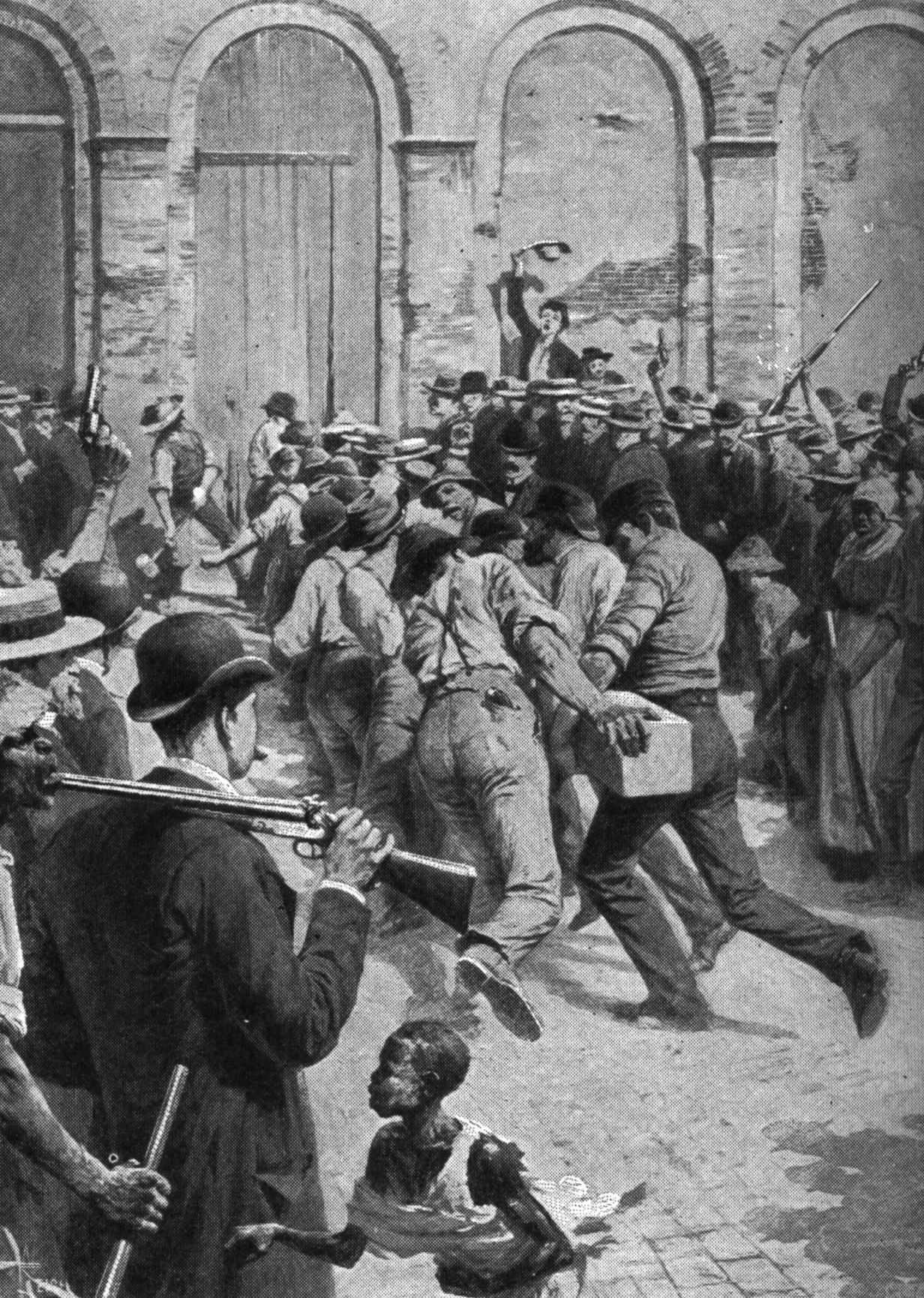
Anti-Italianism or Italophobia is a negative attitude regarding Italians or people with Italian ancestry, often expressed through the use of prejudice, discrimination or stereotypes. Often stemming from xenophobia, anti-Catholic sentiment and job security issues, it manifested itself in varying degrees in a number of countries to which Italians had immigrated in large numbers in the late 19th and early 20th centuries, and after WWII. Its opposite is Italophilia, which is admiration of Italy, its people, and its culture.
Anti-Italianism arose among some Americans as an effect of the large-scale immigration of Italians to the United States during the late 19th and early 20th centuries. The majority of Italian immigrants to the United States arrived in waves in the early 20th century, many of them from agrarian backgrounds. Nearly all the Italian immigrants were Catholic, as opposed to the nation's Protestant majority. Because the immigrants often lacked formal education and competed with earlier immigrants for lower-paying jobs and housing, significant hostility developed toward them.
In reaction to the large-scale immigration from Southern Europe and Eastern Europe, the United States Congress passed legislation (Emergency Quota Act of 1921 and Immigration Act of 1924) severely restricting immigration from those regions, but putting comparatively fewer restrictions on immigration from Northern European countries.
Anti-Italian prejudice was sometimes associated with the anti-Catholic tradition that existed in the United States, which was inherited as a result of Protestant/Catholic European competition and wars, which had been fought between Protestants and Catholics over the preceding three centuries. When the United States was founded, it inherited the anti-Catholic, anti-papal animosity of its original Protestant settlers. Anti-Catholic sentiments in the U.S. reached a peak in the 19th century, when the Protestant population became alarmed by the large number of Catholics who were immigrating to the United States from Ireland and Germany. The resulting anti-Catholic nativist movement, achieved prominence in the 1840s and 1850s. It had largely faded away before the Italians arrived in large numbers after 1880. The Italian immigrants, unlike some of the other Catholic immigrant groups, generally did not bring with them priests and other religious figures who could help ease their transition into American life. To remedy this situation, Pope Leo XIII dispatched a contingent of priests, nuns and brothers of the Missionaries of Saint Charles Borromeo and other orders (among which was Sister Francesca Cabrini), who helped establish hundreds of parishes to serve the needs of the Italian communities, such as Our Lady of Pompeii in New York City.
Some of the early 20th-century immigrants from Italy brought with them a political disposition toward anarchism. This was a reaction to the economic and political conditions which they had experienced in Italy. Such men as Arturo Giovannitti, Carlo Tresca, and Joe Ettor were at the forefront of organising Italians and other immigrant laborers in demanding better working conditions and shorter working hours in the mining, textile, garment, construction and other industries. These efforts often resulted in strikes, which sometimes erupted into violence between the strikers and strike-breakers. Italians were often strikebreakers. The anarchy movement in the United States at that time was responsible for bombings in major cities, and attacks on officials and law enforcement. As a result of the association of some with the labour and anarchy movements, Italian Americans were branded as "labor agitators" and radicals by many of the business owners and the upper class of the time, which resulted in further anti-Italian sentiment.
The vast majority of Italian immigrants worked hard and lived honest lives, as documented by police statistics of the early 20th century in Boston and New York City. Italian immigrants had an arrest rate that was no greater than those of other major immigrant groups. As late as 1963, James W. Vander Zander noted that the rate of criminal convictions among Italian immigrants was less than that among American-born whites.
A criminal element that was active in some of the Italian immigrant communities in the large eastern cities used extortion, intimidation and threats in order to extract protection money from the wealthier immigrants and shop owners (known as the Black Hand racket), and it was also involved in other illegal activities as well. When the Fascists came to power in Italy, they made the destruction of the Mafia in Sicily a high priority. Hundreds fled to the United States in the 1920s and 1930s in order to avoid prosecution.
When the United States enacted prohibition in 1920, the restrictions proved to be an economic windfall for those in the Italian-American community who were already involved in illegal activities, as well as those who had fled from Sicily. They smuggled liquor into the country, wholesaled and sold it through a network of outlets and speakeasies. While members of other ethnic groups were also deeply involved in these illegal bootlegging activities, and the associated violence between groups, Italian Americans were among the most notorious. Because of this, Italians became associated with the prototypical gangster in the minds of many, which had a long-lasting effect on the Italian-American image.
Hub AI
Anti-Italian sentiment AI simulator
(@Anti-Italian sentiment_simulator)
Anti-Italian sentiment
Anti-Italianism or Italophobia is a negative attitude regarding Italians or people with Italian ancestry, often expressed through the use of prejudice, discrimination or stereotypes. Often stemming from xenophobia, anti-Catholic sentiment and job security issues, it manifested itself in varying degrees in a number of countries to which Italians had immigrated in large numbers in the late 19th and early 20th centuries, and after WWII. Its opposite is Italophilia, which is admiration of Italy, its people, and its culture.
Anti-Italianism arose among some Americans as an effect of the large-scale immigration of Italians to the United States during the late 19th and early 20th centuries. The majority of Italian immigrants to the United States arrived in waves in the early 20th century, many of them from agrarian backgrounds. Nearly all the Italian immigrants were Catholic, as opposed to the nation's Protestant majority. Because the immigrants often lacked formal education and competed with earlier immigrants for lower-paying jobs and housing, significant hostility developed toward them.
In reaction to the large-scale immigration from Southern Europe and Eastern Europe, the United States Congress passed legislation (Emergency Quota Act of 1921 and Immigration Act of 1924) severely restricting immigration from those regions, but putting comparatively fewer restrictions on immigration from Northern European countries.
Anti-Italian prejudice was sometimes associated with the anti-Catholic tradition that existed in the United States, which was inherited as a result of Protestant/Catholic European competition and wars, which had been fought between Protestants and Catholics over the preceding three centuries. When the United States was founded, it inherited the anti-Catholic, anti-papal animosity of its original Protestant settlers. Anti-Catholic sentiments in the U.S. reached a peak in the 19th century, when the Protestant population became alarmed by the large number of Catholics who were immigrating to the United States from Ireland and Germany. The resulting anti-Catholic nativist movement, achieved prominence in the 1840s and 1850s. It had largely faded away before the Italians arrived in large numbers after 1880. The Italian immigrants, unlike some of the other Catholic immigrant groups, generally did not bring with them priests and other religious figures who could help ease their transition into American life. To remedy this situation, Pope Leo XIII dispatched a contingent of priests, nuns and brothers of the Missionaries of Saint Charles Borromeo and other orders (among which was Sister Francesca Cabrini), who helped establish hundreds of parishes to serve the needs of the Italian communities, such as Our Lady of Pompeii in New York City.
Some of the early 20th-century immigrants from Italy brought with them a political disposition toward anarchism. This was a reaction to the economic and political conditions which they had experienced in Italy. Such men as Arturo Giovannitti, Carlo Tresca, and Joe Ettor were at the forefront of organising Italians and other immigrant laborers in demanding better working conditions and shorter working hours in the mining, textile, garment, construction and other industries. These efforts often resulted in strikes, which sometimes erupted into violence between the strikers and strike-breakers. Italians were often strikebreakers. The anarchy movement in the United States at that time was responsible for bombings in major cities, and attacks on officials and law enforcement. As a result of the association of some with the labour and anarchy movements, Italian Americans were branded as "labor agitators" and radicals by many of the business owners and the upper class of the time, which resulted in further anti-Italian sentiment.
The vast majority of Italian immigrants worked hard and lived honest lives, as documented by police statistics of the early 20th century in Boston and New York City. Italian immigrants had an arrest rate that was no greater than those of other major immigrant groups. As late as 1963, James W. Vander Zander noted that the rate of criminal convictions among Italian immigrants was less than that among American-born whites.
A criminal element that was active in some of the Italian immigrant communities in the large eastern cities used extortion, intimidation and threats in order to extract protection money from the wealthier immigrants and shop owners (known as the Black Hand racket), and it was also involved in other illegal activities as well. When the Fascists came to power in Italy, they made the destruction of the Mafia in Sicily a high priority. Hundreds fled to the United States in the 1920s and 1930s in order to avoid prosecution.
When the United States enacted prohibition in 1920, the restrictions proved to be an economic windfall for those in the Italian-American community who were already involved in illegal activities, as well as those who had fled from Sicily. They smuggled liquor into the country, wholesaled and sold it through a network of outlets and speakeasies. While members of other ethnic groups were also deeply involved in these illegal bootlegging activities, and the associated violence between groups, Italian Americans were among the most notorious. Because of this, Italians became associated with the prototypical gangster in the minds of many, which had a long-lasting effect on the Italian-American image.
Recent media