
Recent from talks
Baclofen
Knowledge base stats:
Talk channels stats:
Members stats:
Baclofen
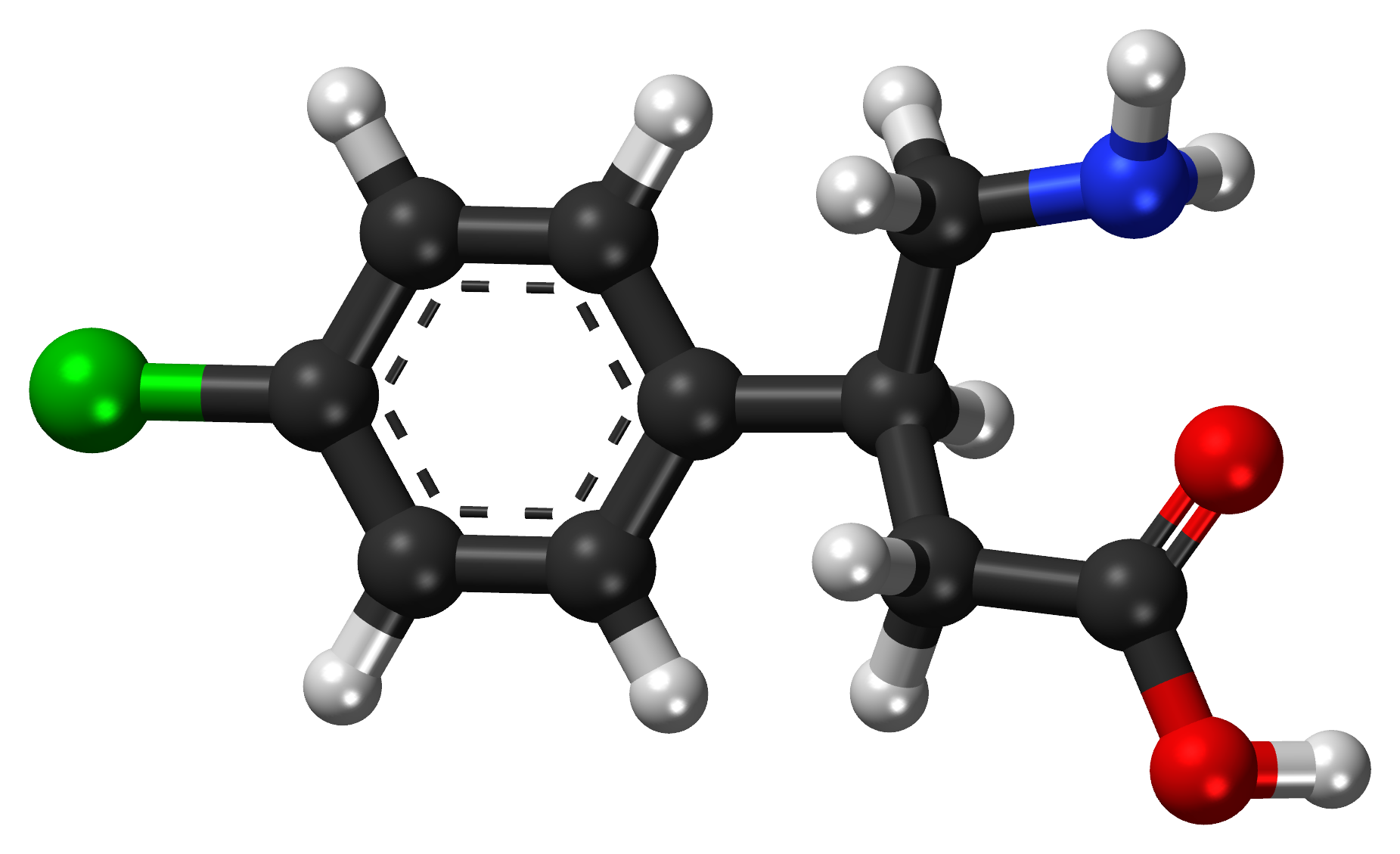
Baclofen, sold under the brand name Gablofen and Lioresal among others, is a central nervous system depressant and is a derivative of GABA (γ-Aminobutyric acid) and mainly is a skeletal muscle relaxant. Baclofen, is a potent GABAB receptor agonist. It is used to treat muscle spasticity, such as from a spinal cord injury or multiple sclerosis. It may also be used for hiccups and muscle spasms near the end of life, and off-label to treat alcohol use disorder or opioid withdrawal symptoms. It is taken orally or by intrathecal pump (delivered into the spinal canal via an implantable pump device). It is sometimes used transdermally (applied topically to the skin) in combination with gabapentin and clonidine prepared at a compounding pharmacy. It is believed to work by decreasing levels of certain neurotransmitters.
Baclofen should be avoided in the setting of chronic kidney disease and end stage renal disease as even small doses can cause excessive toxicity. Common side effects include sleepiness, weakness, and dizziness. Serious side effects, such as seizures and rhabdomyolysis, may occur if use of baclofen is stopped abruptly. Use during pregnancy is of unclear safety, whilst use during breastfeeding is likely safe, and even more so if oral administration is avoided.
The adverse effects and safety profile associated with baclofen when it is combined with sedative drugs (for example alcohol or benzodiazepines) range depending on the dose and the individual. The interaction may increase the sedative effects of all ingested sedatives and as such is not generally recommended. In high doses the interaction can cause de novo seizures.
Baclofen was approved for medical use in the United States in 1977. It is available as a generic medication. It is on the World Health Organization's List of Essential Medicines. In 2023, it was the 87th most commonly prescribed medication in the United States, with more than 7 million prescriptions.
Baclofen is primarily used for the treatment of spastic movement disorders, especially in instances of spinal cord injury, and multiple sclerosis. Use in people with stroke, cerebral palsy, or Parkinson's disease is not recommended. Intrathecal baclofen is used for severe spasticity of spinal cord origin, that is refractive to maximum doses of oral antispasmodic agents, or who experience intolerable side effects.
Baclofen may be used off-label as a treatment for alcohol use disorder to reduce the risk of relapse, and to increase the number of days that a person can go without drinking alcohol (abstinence days).
It is sometimes used for the treatment of opioid withdrawal symptoms, and may be superior for this purpose to the more-commonly used clonidine.
Baclofen is also used in the treatment of sleep-related painful erections.
Hub AI
Baclofen AI simulator
(@Baclofen_simulator)
Baclofen
Baclofen, sold under the brand name Gablofen and Lioresal among others, is a central nervous system depressant and is a derivative of GABA (γ-Aminobutyric acid) and mainly is a skeletal muscle relaxant. Baclofen, is a potent GABAB receptor agonist. It is used to treat muscle spasticity, such as from a spinal cord injury or multiple sclerosis. It may also be used for hiccups and muscle spasms near the end of life, and off-label to treat alcohol use disorder or opioid withdrawal symptoms. It is taken orally or by intrathecal pump (delivered into the spinal canal via an implantable pump device). It is sometimes used transdermally (applied topically to the skin) in combination with gabapentin and clonidine prepared at a compounding pharmacy. It is believed to work by decreasing levels of certain neurotransmitters.
Baclofen should be avoided in the setting of chronic kidney disease and end stage renal disease as even small doses can cause excessive toxicity. Common side effects include sleepiness, weakness, and dizziness. Serious side effects, such as seizures and rhabdomyolysis, may occur if use of baclofen is stopped abruptly. Use during pregnancy is of unclear safety, whilst use during breastfeeding is likely safe, and even more so if oral administration is avoided.
The adverse effects and safety profile associated with baclofen when it is combined with sedative drugs (for example alcohol or benzodiazepines) range depending on the dose and the individual. The interaction may increase the sedative effects of all ingested sedatives and as such is not generally recommended. In high doses the interaction can cause de novo seizures.
Baclofen was approved for medical use in the United States in 1977. It is available as a generic medication. It is on the World Health Organization's List of Essential Medicines. In 2023, it was the 87th most commonly prescribed medication in the United States, with more than 7 million prescriptions.
Baclofen is primarily used for the treatment of spastic movement disorders, especially in instances of spinal cord injury, and multiple sclerosis. Use in people with stroke, cerebral palsy, or Parkinson's disease is not recommended. Intrathecal baclofen is used for severe spasticity of spinal cord origin, that is refractive to maximum doses of oral antispasmodic agents, or who experience intolerable side effects.
Baclofen may be used off-label as a treatment for alcohol use disorder to reduce the risk of relapse, and to increase the number of days that a person can go without drinking alcohol (abstinence days).
It is sometimes used for the treatment of opioid withdrawal symptoms, and may be superior for this purpose to the more-commonly used clonidine.
Baclofen is also used in the treatment of sleep-related painful erections.
Recent media