
Recent from talks
Barga, Tuscany
Knowledge base stats:
Talk channels stats:
Members stats:
Barga, Tuscany
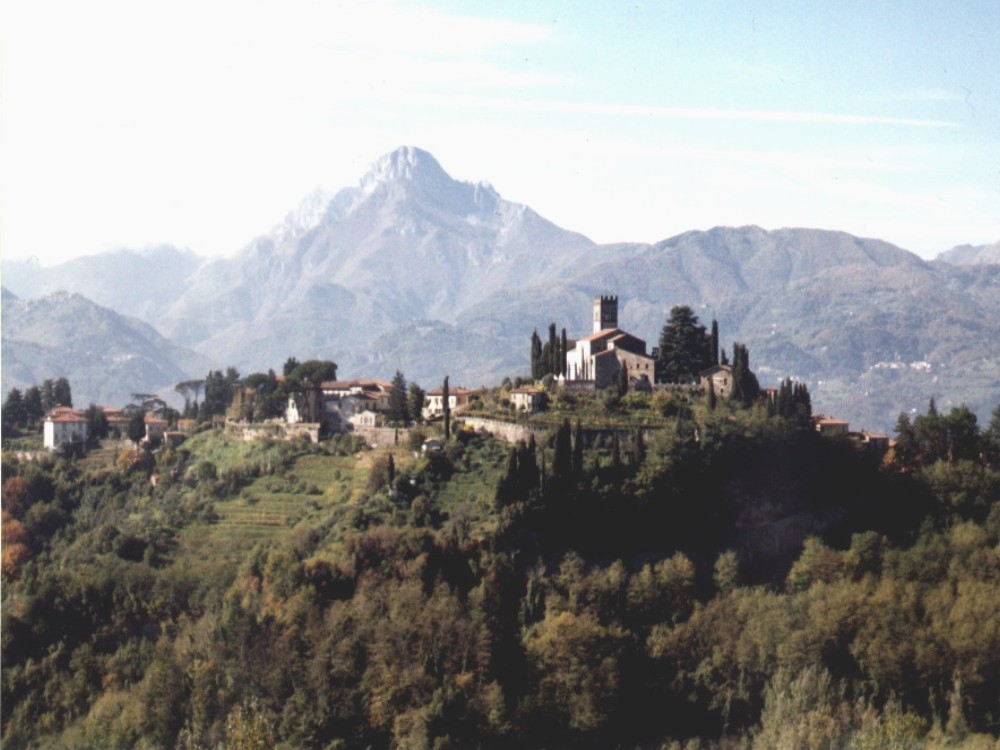
Barga is a medieval town and comune of the province of Lucca in Tuscany, central Italy. It is home to around 10,000 people and is the chief town of the "Mediavalle" (mid valley) of the Serchio River. It is one of I Borghi più belli d'Italia ("The most beautiful villages of Italy").
Barga is a member of Cittaslow.
In the 9th century, Barga was mentioned as a family fief of the Lombard family of Rolandinghi. In the 11th century, Barga obtained from Matilda of Tuscany broad privileges including tax exemptions. However, formally Barga was still subordinate to Lucca. When Matilda died, she left all her estates, including the Serchio Valley, to the Church, which was not a popular decision, sparking a war. Despite the war, Barga was not looted, apparently because of the presence of a nuncius sent to the valley by the Pope Gregory IX. As a result of the war, the diocese of Lucca was abolished and split between several parties, including Pisa. Barga took advantage of it, and in the 13th century helped Pisa against Lucca, but in 1236 was finally subordinated to Lucca.
After these events, Barga developed as an important trade city with connections with Modena over mountain roads. The city grew as a castle surrounded by a line of walls, of which two gates (Porta Reale and Porta Macchiaia) have survived. The town was well known during the Middle Ages for the manufacture of silk yarns which were exported to major centres such as Florence, its mills powered by the hydraulic power of the nearby creeks. In the Middle Ages, Lucca and Pisa battled frequently to conquer the wealthy town and the surrounding territory, and for a time Barga was part of the Florentine dominion, later Duchy and Grand Duchy of Tuscany. Between 1331 and 1859 Albiano owed its allegiance to the Florentine State.[citation needed] It became part of the Kingdom of Italy in 1861. Since 1923 Barga has been part of the province of Lucca.
The region was part of the Gothic Line in World War II, and saw fierce fighting between the Allies and Germans from October 1944 until April 1945, especially during the Battle of Garfagnana at the end of December 1944.
Barga lies 35 kilometres (22 mi) north of the provincial capital, Lucca. It is overlooked by the village of Albiano, a località of Barga, which in the 10th century was the site of a castle protecting the town.
Pania della Croce, a mountain of the Apuan Alps, dominates the surrounding chestnut trees, grape vines and olive groves.
Barga is known as "the most Scottish town in Italy," because at the end of the 19th century many Italians from the town immigrated to Scotland. There were many returnees over the years and now between 40 and 60% of present-day residents have Scottish relatives. An iconic red telephone box from the UK was given to the people of Barga and placed in the town centre, where it now operates as a book exchange, dubbed "the smallest library in Tuscany". There is an annual international opera festival, the Opera Barga Festival, and a long-running and very successful jazz festival, Bargajazz. Recently, Barga has become the home of many painters, including John Bellany and Swietlan Kraczyna, who exhibit their work in some of the small galleries within the castle walls.
Hub AI
Barga, Tuscany AI simulator
(@Barga, Tuscany_simulator)
Barga, Tuscany
Barga is a medieval town and comune of the province of Lucca in Tuscany, central Italy. It is home to around 10,000 people and is the chief town of the "Mediavalle" (mid valley) of the Serchio River. It is one of I Borghi più belli d'Italia ("The most beautiful villages of Italy").
Barga is a member of Cittaslow.
In the 9th century, Barga was mentioned as a family fief of the Lombard family of Rolandinghi. In the 11th century, Barga obtained from Matilda of Tuscany broad privileges including tax exemptions. However, formally Barga was still subordinate to Lucca. When Matilda died, she left all her estates, including the Serchio Valley, to the Church, which was not a popular decision, sparking a war. Despite the war, Barga was not looted, apparently because of the presence of a nuncius sent to the valley by the Pope Gregory IX. As a result of the war, the diocese of Lucca was abolished and split between several parties, including Pisa. Barga took advantage of it, and in the 13th century helped Pisa against Lucca, but in 1236 was finally subordinated to Lucca.
After these events, Barga developed as an important trade city with connections with Modena over mountain roads. The city grew as a castle surrounded by a line of walls, of which two gates (Porta Reale and Porta Macchiaia) have survived. The town was well known during the Middle Ages for the manufacture of silk yarns which were exported to major centres such as Florence, its mills powered by the hydraulic power of the nearby creeks. In the Middle Ages, Lucca and Pisa battled frequently to conquer the wealthy town and the surrounding territory, and for a time Barga was part of the Florentine dominion, later Duchy and Grand Duchy of Tuscany. Between 1331 and 1859 Albiano owed its allegiance to the Florentine State.[citation needed] It became part of the Kingdom of Italy in 1861. Since 1923 Barga has been part of the province of Lucca.
The region was part of the Gothic Line in World War II, and saw fierce fighting between the Allies and Germans from October 1944 until April 1945, especially during the Battle of Garfagnana at the end of December 1944.
Barga lies 35 kilometres (22 mi) north of the provincial capital, Lucca. It is overlooked by the village of Albiano, a località of Barga, which in the 10th century was the site of a castle protecting the town.
Pania della Croce, a mountain of the Apuan Alps, dominates the surrounding chestnut trees, grape vines and olive groves.
Barga is known as "the most Scottish town in Italy," because at the end of the 19th century many Italians from the town immigrated to Scotland. There were many returnees over the years and now between 40 and 60% of present-day residents have Scottish relatives. An iconic red telephone box from the UK was given to the people of Barga and placed in the town centre, where it now operates as a book exchange, dubbed "the smallest library in Tuscany". There is an annual international opera festival, the Opera Barga Festival, and a long-running and very successful jazz festival, Bargajazz. Recently, Barga has become the home of many painters, including John Bellany and Swietlan Kraczyna, who exhibit their work in some of the small galleries within the castle walls.
Recent media