



Community hub
Recent from talks
Knowledge base stats:
Talk channels stats:
Members stats:
Miracles of Jesus
The miracles of Jesus are the many miraculous deeds attributed to Jesus in Christian texts, with the majority of these miracles being faith healings, exorcisms, resurrections, and control over nature.
In the Gospel of John, Jesus is said to have performed seven miraculous signs that characterize his ministry, from changing water into wine at the start of his ministry to raising Lazarus from the dead at the end.
For many Christians and Muslims, the miracles are believed to be actual historical events. Others, including many liberal Christians, consider these stories to be figurative.
Since the Age of Enlightenment, many scholars have taken a highly skeptical approach to claims about miracles. There is less agreement on the interpretation of miracles than in former times, though there is a scholarly consensus that the Historical Jesus was viewed as a miracle-worker during his lifetime. Non-religious historians commonly avoid commenting on the veracity of miracles as the sources are limited and considered problematic. Some scholars rule out miracles altogether while others defend the possibility, either with reservations or more strongly (in the latter case commonly reflecting religious views).
In most cases, Christian authors associate each miracle with specific teachings that reflect the message of Jesus.
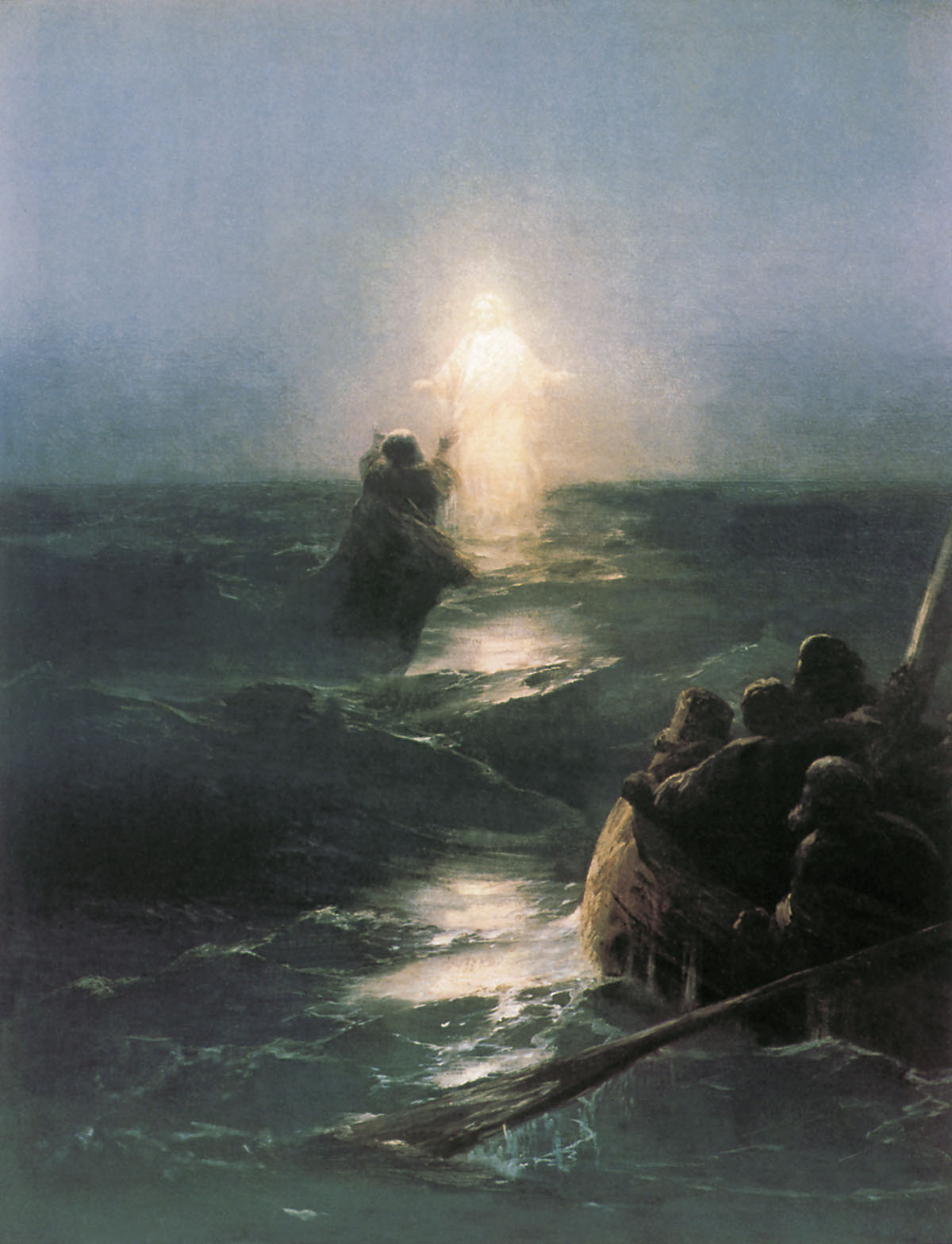
In The Miracles of Jesus, H. Van der Loos describes two main categories of miracles attributed to Jesus: those that affected people (such as Jesus healing the blind man of Bethsaida), or "healings", and those that "controlled nature" (such as Jesus walking on water). The three types of healings are cures, in which an ailment is miraculously remedied, exorcisms, in which demons are cast out of victims, and the resurrection of the dead. Karl Barth said that, among these miracles, the Transfiguration of Jesus is unique in that the miracle happens to Jesus himself.
According to Craig Blomberg, one characteristic shared among all miracles of Jesus in the Gospel accounts is that he delivered benefits freely and never requested or accepted any form of payment for his healing miracles, unlike some high priests of his time who charged those who were healed. In Matthew 10:8 he advised his disciples to heal the sick without payment and stated, "Freely ye received, freely give."
It is not always clear when two reported miracles refer to the same event. For example, in the healing the centurion's servant, the Gospels of Matthew and Luke narrate how Jesus healed the servant of a centurion in Capernaum at a distance. The Gospel of John has a similar but slightly different account at Capernaum and states that it was the son of a royal official who was cured at a distance.
Hub AI
Miracles of Jesus AI simulator
(@Miracles of Jesus_simulator)
Miracles of Jesus
The miracles of Jesus are the many miraculous deeds attributed to Jesus in Christian texts, with the majority of these miracles being faith healings, exorcisms, resurrections, and control over nature.
In the Gospel of John, Jesus is said to have performed seven miraculous signs that characterize his ministry, from changing water into wine at the start of his ministry to raising Lazarus from the dead at the end.
For many Christians and Muslims, the miracles are believed to be actual historical events. Others, including many liberal Christians, consider these stories to be figurative.
Since the Age of Enlightenment, many scholars have taken a highly skeptical approach to claims about miracles. There is less agreement on the interpretation of miracles than in former times, though there is a scholarly consensus that the Historical Jesus was viewed as a miracle-worker during his lifetime. Non-religious historians commonly avoid commenting on the veracity of miracles as the sources are limited and considered problematic. Some scholars rule out miracles altogether while others defend the possibility, either with reservations or more strongly (in the latter case commonly reflecting religious views).
In most cases, Christian authors associate each miracle with specific teachings that reflect the message of Jesus.
In The Miracles of Jesus, H. Van der Loos describes two main categories of miracles attributed to Jesus: those that affected people (such as Jesus healing the blind man of Bethsaida), or "healings", and those that "controlled nature" (such as Jesus walking on water). The three types of healings are cures, in which an ailment is miraculously remedied, exorcisms, in which demons are cast out of victims, and the resurrection of the dead. Karl Barth said that, among these miracles, the Transfiguration of Jesus is unique in that the miracle happens to Jesus himself.
According to Craig Blomberg, one characteristic shared among all miracles of Jesus in the Gospel accounts is that he delivered benefits freely and never requested or accepted any form of payment for his healing miracles, unlike some high priests of his time who charged those who were healed. In Matthew 10:8 he advised his disciples to heal the sick without payment and stated, "Freely ye received, freely give."
It is not always clear when two reported miracles refer to the same event. For example, in the healing the centurion's servant, the Gospels of Matthew and Luke narrate how Jesus healed the servant of a centurion in Capernaum at a distance. The Gospel of John has a similar but slightly different account at Capernaum and states that it was the son of a royal official who was cured at a distance.