Recent from talks
Contribute something to knowledge base
Content stats: 0 posts, 0 articles, 1 media, 0 notes
Members stats: 0 subscribers, 0 contributors, 0 moderators, 0 supporters
Subscribers
Supporters
Contributors
Moderators
Hub AI
Bulgarian millet AI simulator
(@Bulgarian millet_simulator)
Hub AI
Bulgarian millet AI simulator
(@Bulgarian millet_simulator)
Bulgarian millet
Bulgarian millet (Turkish: Bulgar Milleti) was an ethno-religious and linguistic community within the Ottoman Empire from the mid-19th to early 20th century.
The semi-official term, was used by the Sultan for the first time in 1847, and was his tacit consent to a more ethno-linguistic definition of the Bulgarians as a nation. This resulted in the rise of a Bulgarian St. Stephen Church in the Ottoman capital Constantinople in 1851. Officially as a separate millet in 1860 were recognized the Bulgarian Uniates, and then in 1870 the Bulgarian Orthodox Christians (Eksarhhâne-i millet i Bulgar). At that time the classical Ottoman millet-system began to degrade with the continuous identification of the religious creed with ethnic identity and the term millet was used as a synonym of nation.
The establishment of the Bulgarian Exarchate in 1870, meant in practice official recognition of a separate Bulgarian nationality, and in this case the religious affiliation became a consequence of national allegiance. The founding of an independent church, along with the revival of Bulgarian language and education, were the crucial factors that strengthened the national consciousness and revolutionary struggle, that led to the creation of a Bulgarian nation-state in 1878.
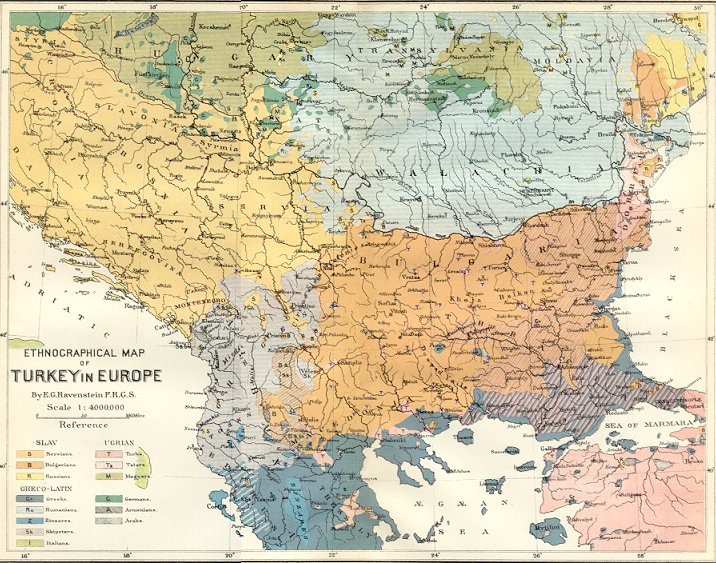
The ideas of Bulgarian nationalism grew up in significance, following the Congress of Berlin which took back the regions of Macedonia and Thrace under Ottoman control. So the Bulgarian nationalist movement proclaimed as its aim the inclusion of most of Macedonia and Thrace under Greater Bulgaria. At the eve of the 20th century a series of conflicts arose into Ottoman regions outside the Bulgarian principality between Greeks and Serbs from one side and Bulgarians from another. The local Slavic villagers were forced to declare themselves for either of the sides, thus became divided into Bulgarophiles, Grecomans and Serbomans. After the Balkan Wars the Bulgarian millet was limited finally to the boundaries of the Bulgarian state, despite the nominally much larger previous territory of the Bulgarian Exarchate.
All Orthodox Christians, including Bulgarians, in the Ottoman Empire were subordinated to the Patriarchate of Constantinople, which was dominated by Greek Phanariotes by the end of the 19th century. The Orthodox Christians were included into the Rum millet. Belonging to this Orthodox community grew more important to the common people than their ethnic origins and the Balkan Orthodox people identified themselves simply as Christians. Nevertheless, ethnonymes never disappeared and some form of ethnic identification was preserved as evident from a Sultan's Firman from 1680, which lists the ethnic groups in the Balkan lands as follows: Greeks (Rum), Albanians (Arnaut), Serbs (Sirf), Vlachs (Eflak or Ullah) and Bulgarians (Bulgar).
During the late 18th century, the Enlightenment in Western Europe provided influence for the initiation of the National awakening of the Bulgarian people. The awakening process met opposition with the rise of nationalism under the Ottoman Empire in the early 19th century. According to the proponents of Bulgarian national awakening, Bulgarians were oppressed as an ethnic community not only by the Turks, but also by the Greeks. They considered the Greek Patriarchal clergy to be the main oppressor. forced Bulgarians to educate their children in Greek schools and imposed Church services exclusively in Greek in order to Hellenize the Bulgarian population.
During the early nineteenth century, national elites used ethno-linguistic principles to differentiate between "Bulgarian" and "Greek" identity into the Rum millet. Bulgarians wanted to create their own schools in a common modern literary standard. In the Balkans, Bulgarian education stimulated nationalist sentiments in the middle of the 19th century. Most wealthy Bulgarian merchants sent their children for a secular education, turning some of them into Bulgarian national activists. At that time secular Bulgarian schools were spreading throughout Moesia, Thrace and Macedonia, aided by modern classroom methods. This expanding set of Bulgarian schools began to come into contact with Greek schools setting the stage for nationalist conflict.
By the middle of the century, Bulgarian activists shifted their attention from language to religion and started debate on the establishment of a separate Bulgarian church. As a consequence, until the 1870s, the focus of the Bulgarian National Revival switched to the struggle for a Bulgarian Church, independent from the Patriarchate of Constantinople. Cultural, administrative and even political independence from the Patriarchate could only be obtained through the establishment of a separate millet or nation. The coordinated actions aimed at the recognition of a separate millet constitute the so-called "Church Struggle". The actions were carried out by Bulgarian national leaders and supported by the majority of the Slavic population in modern-day Bulgaria, Eastern Serbia, North Macedonia and Northern Greece.
Bulgarian millet
Bulgarian millet (Turkish: Bulgar Milleti) was an ethno-religious and linguistic community within the Ottoman Empire from the mid-19th to early 20th century.
The semi-official term, was used by the Sultan for the first time in 1847, and was his tacit consent to a more ethno-linguistic definition of the Bulgarians as a nation. This resulted in the rise of a Bulgarian St. Stephen Church in the Ottoman capital Constantinople in 1851. Officially as a separate millet in 1860 were recognized the Bulgarian Uniates, and then in 1870 the Bulgarian Orthodox Christians (Eksarhhâne-i millet i Bulgar). At that time the classical Ottoman millet-system began to degrade with the continuous identification of the religious creed with ethnic identity and the term millet was used as a synonym of nation.
The establishment of the Bulgarian Exarchate in 1870, meant in practice official recognition of a separate Bulgarian nationality, and in this case the religious affiliation became a consequence of national allegiance. The founding of an independent church, along with the revival of Bulgarian language and education, were the crucial factors that strengthened the national consciousness and revolutionary struggle, that led to the creation of a Bulgarian nation-state in 1878.
The ideas of Bulgarian nationalism grew up in significance, following the Congress of Berlin which took back the regions of Macedonia and Thrace under Ottoman control. So the Bulgarian nationalist movement proclaimed as its aim the inclusion of most of Macedonia and Thrace under Greater Bulgaria. At the eve of the 20th century a series of conflicts arose into Ottoman regions outside the Bulgarian principality between Greeks and Serbs from one side and Bulgarians from another. The local Slavic villagers were forced to declare themselves for either of the sides, thus became divided into Bulgarophiles, Grecomans and Serbomans. After the Balkan Wars the Bulgarian millet was limited finally to the boundaries of the Bulgarian state, despite the nominally much larger previous territory of the Bulgarian Exarchate.
All Orthodox Christians, including Bulgarians, in the Ottoman Empire were subordinated to the Patriarchate of Constantinople, which was dominated by Greek Phanariotes by the end of the 19th century. The Orthodox Christians were included into the Rum millet. Belonging to this Orthodox community grew more important to the common people than their ethnic origins and the Balkan Orthodox people identified themselves simply as Christians. Nevertheless, ethnonymes never disappeared and some form of ethnic identification was preserved as evident from a Sultan's Firman from 1680, which lists the ethnic groups in the Balkan lands as follows: Greeks (Rum), Albanians (Arnaut), Serbs (Sirf), Vlachs (Eflak or Ullah) and Bulgarians (Bulgar).
During the late 18th century, the Enlightenment in Western Europe provided influence for the initiation of the National awakening of the Bulgarian people. The awakening process met opposition with the rise of nationalism under the Ottoman Empire in the early 19th century. According to the proponents of Bulgarian national awakening, Bulgarians were oppressed as an ethnic community not only by the Turks, but also by the Greeks. They considered the Greek Patriarchal clergy to be the main oppressor. forced Bulgarians to educate their children in Greek schools and imposed Church services exclusively in Greek in order to Hellenize the Bulgarian population.
During the early nineteenth century, national elites used ethno-linguistic principles to differentiate between "Bulgarian" and "Greek" identity into the Rum millet. Bulgarians wanted to create their own schools in a common modern literary standard. In the Balkans, Bulgarian education stimulated nationalist sentiments in the middle of the 19th century. Most wealthy Bulgarian merchants sent their children for a secular education, turning some of them into Bulgarian national activists. At that time secular Bulgarian schools were spreading throughout Moesia, Thrace and Macedonia, aided by modern classroom methods. This expanding set of Bulgarian schools began to come into contact with Greek schools setting the stage for nationalist conflict.
By the middle of the century, Bulgarian activists shifted their attention from language to religion and started debate on the establishment of a separate Bulgarian church. As a consequence, until the 1870s, the focus of the Bulgarian National Revival switched to the struggle for a Bulgarian Church, independent from the Patriarchate of Constantinople. Cultural, administrative and even political independence from the Patriarchate could only be obtained through the establishment of a separate millet or nation. The coordinated actions aimed at the recognition of a separate millet constitute the so-called "Church Struggle". The actions were carried out by Bulgarian national leaders and supported by the majority of the Slavic population in modern-day Bulgaria, Eastern Serbia, North Macedonia and Northern Greece.
