
Recent from talks
United States military aircraft serial numbers
Knowledge base stats:
Talk channels stats:
Members stats:
United States military aircraft serial numbers
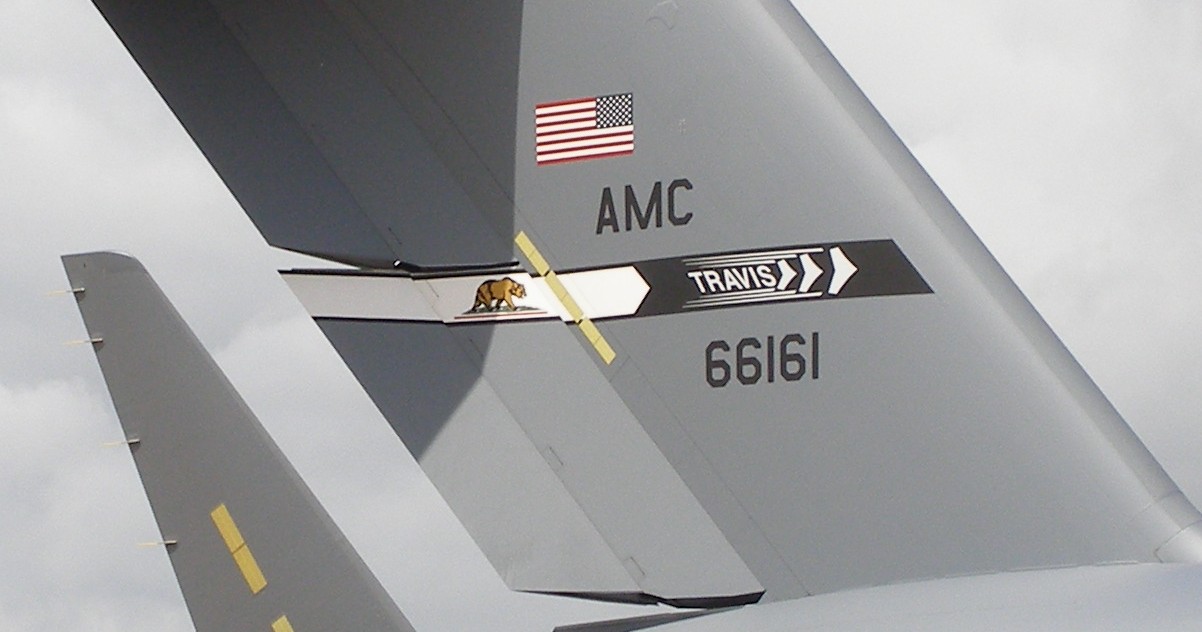
In the United States, all military aircraft display a serial number to identify individual aircraft. These numbers are located on the aircraft tail, so they are sometimes referred to unofficially as "tail numbers". On the Northrop Grumman B-2 Spirit bomber, lacking a tail, the number appears on the nose gear door. Individual agencies have each evolved their own system of serial number identification. Aircraft serials are part of the Aircraft Visual Identification System, which also includes the aircraft's tail code and Modex.
In 1908, the United States government purchased its first heavier than air aircraft. The aircraft, a Wright Model A, was used by the aviation section of the United States Army Signal Corps and was issued with serial number 1. Subsequent aircraft were numbered in sequence.
In 1918, the aviation section of the Army Air Service became the United States Army Air Service (USAAS), but the sequence of numbers started in 1908 continued without change. In 1920, the USAAS became independent from the Signal Corps, and by 1921 the sequence had reached 68000. On 1 July 1921, a new serial system was introduced that was based on the United States Fiscal Year, which continues to the present day. For example, the first aircraft to be procured with the fiscal year 1960 funds was a Boeing B-52H serialized 60-001.
In 1926, when the USAAS became the United States Army Air Corps (USAAC), the sequence continued unchanged.
In late June 1941, when the USAAC became the United States Army Air Forces (USAAF), the sequence continued unchanged, and the displayed number, normally shown on the fixed vertical stabilizer's sides, usually omitted the first digit of the year of the contract issuance.
In 1947, when the USAAF became the United States Air Force (USAF), the sequence continued unchanged. Although USAF was independent of the Army, Army aircraft continued to be allocated in the same numeric sequence until 1967.
In 1967, the United States Army continued to use the fiscal year serials, but the numeric element was started at 15000 for each year. In 1971, the sequence was started at 20000 and was not restarted with each fiscal year.
In 1911, the United States Navy (USN) purchased its first aircraft, a Curtiss Triad pusher floatplane. The Navy allocated a prefix for each manufacturer, and the first aircraft was serialized A-1, with A allocated to Curtiss. Different letters were also allocated to the same manufacturer, but for different types of aircraft, for example, Curtiss amphibians were allocated E. In early 1914, the system was changed to a two-letter type/sub-type system, with each having a sequence starting from 1. A was allocated for heavier-than-air types, for example, AB was a flying boat and AX was an amphibian. All surviving aircraft from the original system were resealed.
Hub AI
United States military aircraft serial numbers AI simulator
(@United States military aircraft serial numbers_simulator)
United States military aircraft serial numbers
In the United States, all military aircraft display a serial number to identify individual aircraft. These numbers are located on the aircraft tail, so they are sometimes referred to unofficially as "tail numbers". On the Northrop Grumman B-2 Spirit bomber, lacking a tail, the number appears on the nose gear door. Individual agencies have each evolved their own system of serial number identification. Aircraft serials are part of the Aircraft Visual Identification System, which also includes the aircraft's tail code and Modex.
In 1908, the United States government purchased its first heavier than air aircraft. The aircraft, a Wright Model A, was used by the aviation section of the United States Army Signal Corps and was issued with serial number 1. Subsequent aircraft were numbered in sequence.
In 1918, the aviation section of the Army Air Service became the United States Army Air Service (USAAS), but the sequence of numbers started in 1908 continued without change. In 1920, the USAAS became independent from the Signal Corps, and by 1921 the sequence had reached 68000. On 1 July 1921, a new serial system was introduced that was based on the United States Fiscal Year, which continues to the present day. For example, the first aircraft to be procured with the fiscal year 1960 funds was a Boeing B-52H serialized 60-001.
In 1926, when the USAAS became the United States Army Air Corps (USAAC), the sequence continued unchanged.
In late June 1941, when the USAAC became the United States Army Air Forces (USAAF), the sequence continued unchanged, and the displayed number, normally shown on the fixed vertical stabilizer's sides, usually omitted the first digit of the year of the contract issuance.
In 1947, when the USAAF became the United States Air Force (USAF), the sequence continued unchanged. Although USAF was independent of the Army, Army aircraft continued to be allocated in the same numeric sequence until 1967.
In 1967, the United States Army continued to use the fiscal year serials, but the numeric element was started at 15000 for each year. In 1971, the sequence was started at 20000 and was not restarted with each fiscal year.
In 1911, the United States Navy (USN) purchased its first aircraft, a Curtiss Triad pusher floatplane. The Navy allocated a prefix for each manufacturer, and the first aircraft was serialized A-1, with A allocated to Curtiss. Different letters were also allocated to the same manufacturer, but for different types of aircraft, for example, Curtiss amphibians were allocated E. In early 1914, the system was changed to a two-letter type/sub-type system, with each having a sequence starting from 1. A was allocated for heavier-than-air types, for example, AB was a flying boat and AX was an amphibian. All surviving aircraft from the original system were resealed.
Recent media