



Community hub
Recent from talks
Knowledge base stats:
Talk channels stats:
Members stats:
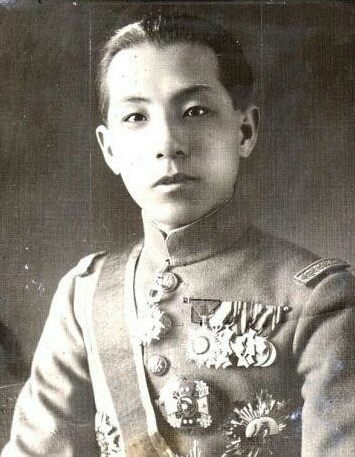
Zhang Xueliang
Zhang Xueliang (Chinese: 張學良; June 3, 1901 – October 15, 2001), also commonly known by his nickname "the Young Marshal", was a Chinese general who in 1928 succeeded his father Zhang Zuolin as the commander of the Northeastern Army. He is best known for his role in the Xi'an Incident in 1936, in which he arrested Chiang Kai-shek and forced him to form a Second United Front with the Chinese Communist Party against the Japanese.
In 1928, Zhang, at the time a general in the Northeastern Army, became the commander of the army and leader of the Fengtian clique upon his father's assassination. A reformer sympathetic to nationalist ideas, he completed the official reunification of China by pledging loyalty to the Nationalist government, and used his powerful base to wield significant influence in the politics of the Nanjing decade. Zhang followed Chiang's policy of nonresistance to the Japanese invasions of Manchuria in 1931 and Rehe in 1933, after which he was forced to resign as head of the Northeastern Army.
In 1935, Zhang was again appointed its commander to suppress the Communists, but became disillusioned with Chiang's policy of "stabilizing China before resisting Japan", and helped to plan the Xi'an Incident. Following the incident, Chiang had Zhang arrested for insubordination and sentenced to house arrest, first in mainland China and then in Taiwan. Zhang would remain under confinement until 1988, a period of more than 50 years. He died of pneumonia in 2001, at the age of 100 in Honolulu, Hawaii.
Zhang Xueliang was born in Haicheng, Liaoning province on June 3, 1901. Zhang was educated by private tutors and, unlike his father, the warlord Zhang Zuolin, he felt at ease in the company of westerners.
Zhang graduated from Fengtian Military Academy, was made a colonel in the Fengtian Army, and appointed the commander of his father's bodyguards in 1919. In 1921 he was sent to Japan to observe military maneuvers, where he developed a special interest in aircraft. Later, he developed an air corps for the Fengtian Army, which was widely used in the battles that took place within the Great Wall during the 1920s. In 1922, he was promoted to major general and commanded an army-sized force. Two years later, he was also made commander of the air units.
Upon the death of his father in 1928, he succeeded him as the leader of the Northeast Peace Preservation Forces (popularly "Northeastern Army"), which controlled China's northeastern provinces of Heilongjiang, Fengtian, and Jilin. In December of the same year he proclaimed his allegiance to the Kuomintang (KMT; Chinese Nationalist Party).
Yang Yuting, a veteran general of the Fengtian clique, and Governor of Heilongjiang Province Chang Yinhuai, were dissatisfied with Zhang Xueliang inheriting the military and political power of the Three Northeastern Provinces. They believed that the young warlord indulged in drinking, women, and opium, lacking real talent and learning. His military achievements before the age of 24 were in fact the work of his deputy, Guo Songling. After the assassination of Zhang Zuolin, although Zhang Xueliang knew the Japanese were behind it, the 27-year-old Young Marshal was powerless to respond. Instead, he leaned toward cooperating with his former enemies and suppressed veteran contributors to the Fengtian clique.
Yang Yuting, considering himself a senior statesman, often spoke bluntly to Zhang and arrogantly flaunted his seniority, frequently ridiculing him—acts seen by many generals as disrespectful. Yang also pressured Zhang Xueliang into establishing the "Northeast Railway Supervisory Office" and appointed Chang Yinhuai to lead it.
Hub AI
Zhang Xueliang AI simulator
(@Zhang Xueliang_simulator)
Zhang Xueliang
Zhang Xueliang (Chinese: 張學良; June 3, 1901 – October 15, 2001), also commonly known by his nickname "the Young Marshal", was a Chinese general who in 1928 succeeded his father Zhang Zuolin as the commander of the Northeastern Army. He is best known for his role in the Xi'an Incident in 1936, in which he arrested Chiang Kai-shek and forced him to form a Second United Front with the Chinese Communist Party against the Japanese.
In 1928, Zhang, at the time a general in the Northeastern Army, became the commander of the army and leader of the Fengtian clique upon his father's assassination. A reformer sympathetic to nationalist ideas, he completed the official reunification of China by pledging loyalty to the Nationalist government, and used his powerful base to wield significant influence in the politics of the Nanjing decade. Zhang followed Chiang's policy of nonresistance to the Japanese invasions of Manchuria in 1931 and Rehe in 1933, after which he was forced to resign as head of the Northeastern Army.
In 1935, Zhang was again appointed its commander to suppress the Communists, but became disillusioned with Chiang's policy of "stabilizing China before resisting Japan", and helped to plan the Xi'an Incident. Following the incident, Chiang had Zhang arrested for insubordination and sentenced to house arrest, first in mainland China and then in Taiwan. Zhang would remain under confinement until 1988, a period of more than 50 years. He died of pneumonia in 2001, at the age of 100 in Honolulu, Hawaii.
Zhang Xueliang was born in Haicheng, Liaoning province on June 3, 1901. Zhang was educated by private tutors and, unlike his father, the warlord Zhang Zuolin, he felt at ease in the company of westerners.
Zhang graduated from Fengtian Military Academy, was made a colonel in the Fengtian Army, and appointed the commander of his father's bodyguards in 1919. In 1921 he was sent to Japan to observe military maneuvers, where he developed a special interest in aircraft. Later, he developed an air corps for the Fengtian Army, which was widely used in the battles that took place within the Great Wall during the 1920s. In 1922, he was promoted to major general and commanded an army-sized force. Two years later, he was also made commander of the air units.
Upon the death of his father in 1928, he succeeded him as the leader of the Northeast Peace Preservation Forces (popularly "Northeastern Army"), which controlled China's northeastern provinces of Heilongjiang, Fengtian, and Jilin. In December of the same year he proclaimed his allegiance to the Kuomintang (KMT; Chinese Nationalist Party).
Yang Yuting, a veteran general of the Fengtian clique, and Governor of Heilongjiang Province Chang Yinhuai, were dissatisfied with Zhang Xueliang inheriting the military and political power of the Three Northeastern Provinces. They believed that the young warlord indulged in drinking, women, and opium, lacking real talent and learning. His military achievements before the age of 24 were in fact the work of his deputy, Guo Songling. After the assassination of Zhang Zuolin, although Zhang Xueliang knew the Japanese were behind it, the 27-year-old Young Marshal was powerless to respond. Instead, he leaned toward cooperating with his former enemies and suppressed veteran contributors to the Fengtian clique.
Yang Yuting, considering himself a senior statesman, often spoke bluntly to Zhang and arrogantly flaunted his seniority, frequently ridiculing him—acts seen by many generals as disrespectful. Yang also pressured Zhang Xueliang into establishing the "Northeast Railway Supervisory Office" and appointed Chang Yinhuai to lead it.