
Recent from talks
Rolling paper
Knowledge base stats:
Talk channels stats:
Members stats:
Rolling paper
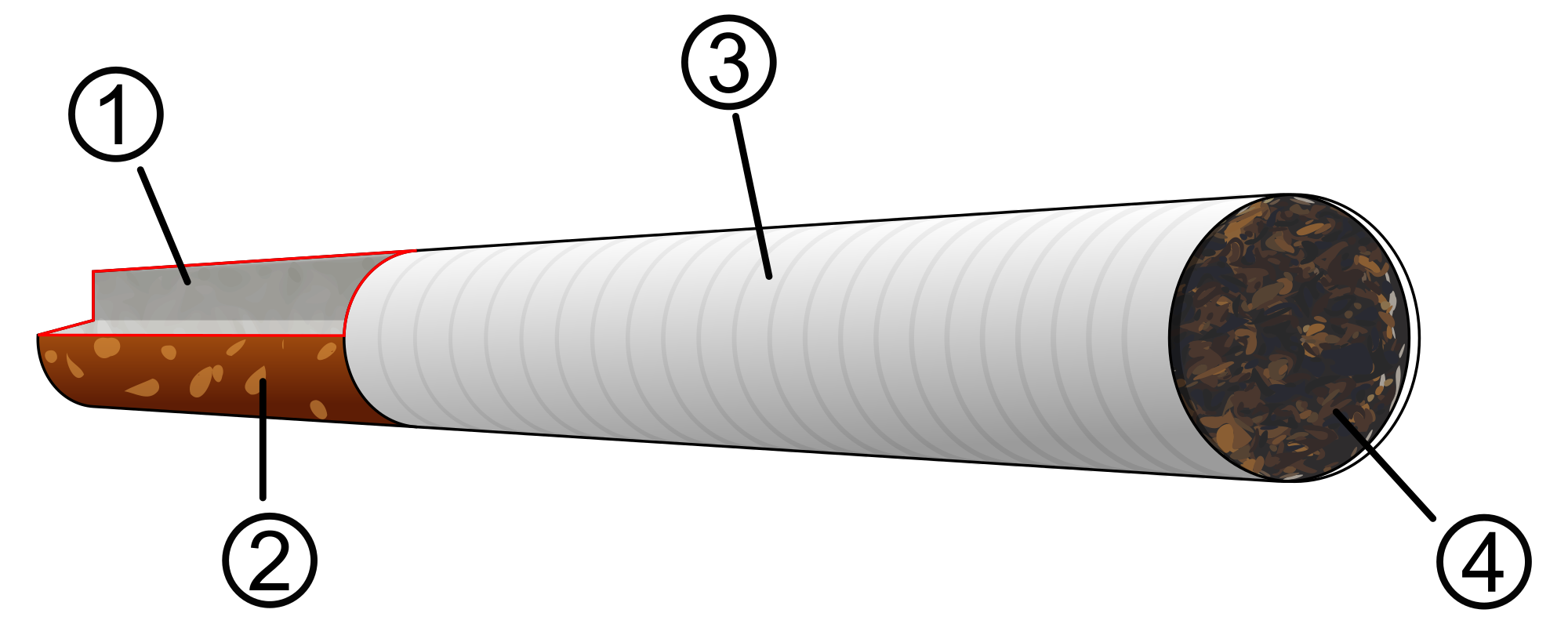
Rolling paper is a specialty paper used for making cigarettes (commercially manufactured filter cigarettes and individually made roll-your-own cigarettes). Rolling papers are packs of several cigarette-size sheets, often folded inside a cardboard wrapper. They are also known as 'blanks', which are used to encase tobacco or cannabis. It may be flavoured.
Rolling papers are also used for rolling cannabis cigarettes called joints.
Paper cigarettes became popular in the second half of the 19th century, displacing the more expensive cigars and cigarillos.
As cigars and cigarillos were expensive, the beggars of Spain would collect the cigar butts from the ground and roll them in pieces of paper to be smoked. During the Crimean War this culture became more prevalent and British soldiers learned how to roll tobacco in newspapers. Frequent use of rolling paper became a custom, and to fulfil the need, rolling paper companies Pay-Pay, Smoking, and Rizla emerged.
Fillers used include calcium carbonate, magnesium carbonate, and titanium oxide. Sodium potassium tartrate (Seignette's salt), sodium and potassium citrate are used as a combustion regulator in cigarette paper, increased levels result in faster burning papers. Poly(vinyl alcohol) in aqueous solution is used for cigarette adhesives.
A study of commercially available rolling papers found that concentrations of several elements, particularly copper, chromium, and vanadium in some products, may present a hazard to frequent users. Of particular concern is the concentration of copper from pigments used in the papers might result in exposures as high as 4.5–11 times the maximum exposure limits.
Permeability is defined as the measure of the volume of air that flows through a specified area of cigarette paper in a given unit of time. It is measured in CORESTA units. US commercial filter cigarette brands have paper permeability between 14 and 51 CORESTA units. Increased cigarette paper permeability results in increased smoke dilution with air.
Fire-resistant cigarettes, which reduce the risk of fire from unattended cigarettes, are made with special paper that includes a plastic compound, ethylene vinyl acetate. If a cigarette made with this type of paper is left unattended, the plastic in the paper will help the cigarette self-extinguish.
Hub AI
Rolling paper AI simulator
(@Rolling paper_simulator)
Rolling paper
Rolling paper is a specialty paper used for making cigarettes (commercially manufactured filter cigarettes and individually made roll-your-own cigarettes). Rolling papers are packs of several cigarette-size sheets, often folded inside a cardboard wrapper. They are also known as 'blanks', which are used to encase tobacco or cannabis. It may be flavoured.
Rolling papers are also used for rolling cannabis cigarettes called joints.
Paper cigarettes became popular in the second half of the 19th century, displacing the more expensive cigars and cigarillos.
As cigars and cigarillos were expensive, the beggars of Spain would collect the cigar butts from the ground and roll them in pieces of paper to be smoked. During the Crimean War this culture became more prevalent and British soldiers learned how to roll tobacco in newspapers. Frequent use of rolling paper became a custom, and to fulfil the need, rolling paper companies Pay-Pay, Smoking, and Rizla emerged.
Fillers used include calcium carbonate, magnesium carbonate, and titanium oxide. Sodium potassium tartrate (Seignette's salt), sodium and potassium citrate are used as a combustion regulator in cigarette paper, increased levels result in faster burning papers. Poly(vinyl alcohol) in aqueous solution is used for cigarette adhesives.
A study of commercially available rolling papers found that concentrations of several elements, particularly copper, chromium, and vanadium in some products, may present a hazard to frequent users. Of particular concern is the concentration of copper from pigments used in the papers might result in exposures as high as 4.5–11 times the maximum exposure limits.
Permeability is defined as the measure of the volume of air that flows through a specified area of cigarette paper in a given unit of time. It is measured in CORESTA units. US commercial filter cigarette brands have paper permeability between 14 and 51 CORESTA units. Increased cigarette paper permeability results in increased smoke dilution with air.
Fire-resistant cigarettes, which reduce the risk of fire from unattended cigarettes, are made with special paper that includes a plastic compound, ethylene vinyl acetate. If a cigarette made with this type of paper is left unattended, the plastic in the paper will help the cigarette self-extinguish.
Recent media