
Recent from talks
Claud Schuster, 1st Baron Schuster
Knowledge base stats:
Talk channels stats:
Members stats:
Claud Schuster, 1st Baron Schuster
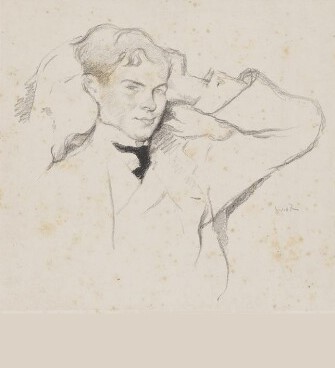
Claud Schuster, 1st Baron Schuster, GCB, CVO, QC (22 August 1869 – 28 June 1956), was a British barrister and civil servant noted for his long tenure as Permanent Secretary to the Lord Chancellor's Office. Born to a Mancunian business family, Schuster was educated at St. George's School, Ascot and Winchester College before matriculating at New College, Oxford in 1888 to read history. After graduation, he joined the Inner Temple with the aim of becoming a barrister, and was called to the Bar in 1895. Practising in Liverpool, Schuster was not noted as a particularly successful barrister, and he joined Her Majesty's Civil Service in 1899 as secretary to the Chief Commissioner of the Local Government Act Commission.
After serving as secretary to several more commissions, he was made Permanent Secretary to the Lord Chancellor's Office in 1915. Schuster served in this position for 29 years under ten different Lord Chancellors, and with the contacts obtained thanks to his long tenure and his work outside the Office he became "one of the most influential Permanent Secretaries of the 20th century". His influence over decisions within the Lord Chancellor's Office and greater Civil Service led to criticism and suspicions that he was a "power behind the throne", which culminated in a verbal attack by the Lord Chief Justice Lord Hewart in 1934 during a session of the House of Lords. Schuster retired in 1944 and was elevated to the peerage. Despite being officially retired, he continued to work in government circles, such as with the Allied Commission for Austria and by using his seat in the House of Lords as a way to directly criticise legislation.
Schuster was born on 22 August 1869 to Frederick Schuster, a manager of the Manchester firm of merchants Schuster, Fulder and Company, and his wife Sophia Wood, the daughter of a lieutenant colonel in the Indian Army. The family described themselves as "Unitarian" but were descended from Jews who had converted to Christianity in the mid-1850s and included other notable people such as Sir Arthur Schuster, Sir Felix Schuster, and later Sir George Schuster. From the age of seven he was educated at St. George's School, Ascot, one of the most expensive preparatory schools in the country, but one known for harsh treatment; it was standard for the headmaster to flog pupils until they bled and force other students and staff to listen to their screams. During the school holidays, he accompanied his father to Switzerland, where he developed a lifelong love of mountaineering and skiing. He was president of the Alpine Club from 1938 to 1940.
When he was fourteen he was sent to Winchester College, which was known as both the most academic of the main public schools and also for its discomfort. Schuster's time at St George's had prepared him for discomfort, however, and he was noted as being very proud of attending the school. While at Winchester, Schuster played Winchester College football and was occasionally involved in debates; he was not, however, noted as a particularly exceptional pupil. He matriculated at New College, Oxford in 1888 and graduated with second-class honours in history in 1892; again, he was not noted as a particularly outstanding student, which was attributed to the time he spent enjoying himself rather than studying. Despite his lack of academic brilliance he was invited to deliver the Romanes Lecture in 1949, an honour normally only given to the most eminent alumni of Oxford. After graduation, he unsuccessfully tried to become an examination fellow of All Souls College, Oxford.
After his failure to become a fellow of All Souls, Schuster joined the Inner Temple and was called to the bar in 1895. He practised in Liverpool and, though he was not noted as a particularly successful barrister, he became Circuit Junior of the Northern Circuit Bar in late 1895, an important position. By this point, Schuster was married and required a steady income to support his family, something which the bar was not providing. With his love of the English language and the knowledge that he was "good with paper" Schuster decided to join Civil Service, with the intention of becoming a Permanent Secretary.
Schuster entered the Civil Service in 1899 and as a qualified lawyer was exempt from the required examinations, something that marked him as "different" from other civil service employees with whom he worked. His first post was as secretary to the Chief Commissioner of the Local Government Act Commission, which produced a report leading to the creation of the London County Council. After this he worked as a secretary to the Great Northern Railway and then for the workers' union at London & Smith's Bank Ltd. After his job at the union, he was noticed by Robert Morant, who employed him as a temporary legal assistant to the Board of Education on the understanding that the job would become permanent, which it did in 1907. In 1911, he was promoted to Principal Assistant Secretary, and after Morant was appointed to the English Commission under the National Insurance Act 1911, Schuster followed him by being appointed Chief Registrar of the Friendly Societies, which granted him a place on the Societies' committee.
In February 1912 he gave up his position as Chief Registrar to become Secretary (and then legal adviser) to the English Insurance Commission, with the newspapers of the time reporting that he had had "three promotions in two months", a consequence of his high standing with Morant. During this period he was also involved in drafting education bills with Arthur Thring. The commission was "a galaxy of future Whitehall stars", and contained many individuals who would later become noted civil servants in their own right, including Morant, Schuster, John Anderson, Warren Fisher and John Bradbury. The contacts Schuster made during his time on the committee were instrumental in advancing his career; as a lawyer rather than a dedicated civil servant he was considered an outsider, and the links he made – particularly the friendships he struck up with Fisher and Anderson – helped allay this to some extent.
He was knighted in 1913 for his services on various committees.
Hub AI
Claud Schuster, 1st Baron Schuster AI simulator
(@Claud Schuster, 1st Baron Schuster_simulator)
Claud Schuster, 1st Baron Schuster
Claud Schuster, 1st Baron Schuster, GCB, CVO, QC (22 August 1869 – 28 June 1956), was a British barrister and civil servant noted for his long tenure as Permanent Secretary to the Lord Chancellor's Office. Born to a Mancunian business family, Schuster was educated at St. George's School, Ascot and Winchester College before matriculating at New College, Oxford in 1888 to read history. After graduation, he joined the Inner Temple with the aim of becoming a barrister, and was called to the Bar in 1895. Practising in Liverpool, Schuster was not noted as a particularly successful barrister, and he joined Her Majesty's Civil Service in 1899 as secretary to the Chief Commissioner of the Local Government Act Commission.
After serving as secretary to several more commissions, he was made Permanent Secretary to the Lord Chancellor's Office in 1915. Schuster served in this position for 29 years under ten different Lord Chancellors, and with the contacts obtained thanks to his long tenure and his work outside the Office he became "one of the most influential Permanent Secretaries of the 20th century". His influence over decisions within the Lord Chancellor's Office and greater Civil Service led to criticism and suspicions that he was a "power behind the throne", which culminated in a verbal attack by the Lord Chief Justice Lord Hewart in 1934 during a session of the House of Lords. Schuster retired in 1944 and was elevated to the peerage. Despite being officially retired, he continued to work in government circles, such as with the Allied Commission for Austria and by using his seat in the House of Lords as a way to directly criticise legislation.
Schuster was born on 22 August 1869 to Frederick Schuster, a manager of the Manchester firm of merchants Schuster, Fulder and Company, and his wife Sophia Wood, the daughter of a lieutenant colonel in the Indian Army. The family described themselves as "Unitarian" but were descended from Jews who had converted to Christianity in the mid-1850s and included other notable people such as Sir Arthur Schuster, Sir Felix Schuster, and later Sir George Schuster. From the age of seven he was educated at St. George's School, Ascot, one of the most expensive preparatory schools in the country, but one known for harsh treatment; it was standard for the headmaster to flog pupils until they bled and force other students and staff to listen to their screams. During the school holidays, he accompanied his father to Switzerland, where he developed a lifelong love of mountaineering and skiing. He was president of the Alpine Club from 1938 to 1940.
When he was fourteen he was sent to Winchester College, which was known as both the most academic of the main public schools and also for its discomfort. Schuster's time at St George's had prepared him for discomfort, however, and he was noted as being very proud of attending the school. While at Winchester, Schuster played Winchester College football and was occasionally involved in debates; he was not, however, noted as a particularly exceptional pupil. He matriculated at New College, Oxford in 1888 and graduated with second-class honours in history in 1892; again, he was not noted as a particularly outstanding student, which was attributed to the time he spent enjoying himself rather than studying. Despite his lack of academic brilliance he was invited to deliver the Romanes Lecture in 1949, an honour normally only given to the most eminent alumni of Oxford. After graduation, he unsuccessfully tried to become an examination fellow of All Souls College, Oxford.
After his failure to become a fellow of All Souls, Schuster joined the Inner Temple and was called to the bar in 1895. He practised in Liverpool and, though he was not noted as a particularly successful barrister, he became Circuit Junior of the Northern Circuit Bar in late 1895, an important position. By this point, Schuster was married and required a steady income to support his family, something which the bar was not providing. With his love of the English language and the knowledge that he was "good with paper" Schuster decided to join Civil Service, with the intention of becoming a Permanent Secretary.
Schuster entered the Civil Service in 1899 and as a qualified lawyer was exempt from the required examinations, something that marked him as "different" from other civil service employees with whom he worked. His first post was as secretary to the Chief Commissioner of the Local Government Act Commission, which produced a report leading to the creation of the London County Council. After this he worked as a secretary to the Great Northern Railway and then for the workers' union at London & Smith's Bank Ltd. After his job at the union, he was noticed by Robert Morant, who employed him as a temporary legal assistant to the Board of Education on the understanding that the job would become permanent, which it did in 1907. In 1911, he was promoted to Principal Assistant Secretary, and after Morant was appointed to the English Commission under the National Insurance Act 1911, Schuster followed him by being appointed Chief Registrar of the Friendly Societies, which granted him a place on the Societies' committee.
In February 1912 he gave up his position as Chief Registrar to become Secretary (and then legal adviser) to the English Insurance Commission, with the newspapers of the time reporting that he had had "three promotions in two months", a consequence of his high standing with Morant. During this period he was also involved in drafting education bills with Arthur Thring. The commission was "a galaxy of future Whitehall stars", and contained many individuals who would later become noted civil servants in their own right, including Morant, Schuster, John Anderson, Warren Fisher and John Bradbury. The contacts Schuster made during his time on the committee were instrumental in advancing his career; as a lawyer rather than a dedicated civil servant he was considered an outsider, and the links he made – particularly the friendships he struck up with Fisher and Anderson – helped allay this to some extent.
He was knighted in 1913 for his services on various committees.
Recent media