
Hubbry Logo
Culham Centre for Fusion EnergyCulham Centre for Fusion EnergyMain
Open search
Culham Centre for Fusion Energy
Community hub
Culham Centre for Fusion Energy
logo
8 pages, 0 posts
0 subscribers
Be the first to start a discussion here.
Culham Centre for Fusion Energy
from Wikipedia

The Culham Centre for Fusion Energy (CCFE) is the UK's national laboratory for fusion research. It is located at the Culham Science Centre, near Culham, Oxfordshire, and is the site of the Mega Ampere Spherical Tokamak (MAST) and the now closed Joint European Torus (JET) and Small Tight Aspect Ratio Tokamak (START).

Key Information

Formerly known as UKAEA Culham, the laboratory was renamed in October 2009 as part of organisational changes at its parent body, the United Kingdom Atomic Energy Authority (UKAEA).[1]

From 2016 to 2025, the director was Professor Ian Chapman, and the centre has been engaged in work towards the final detailed design of ITER as well as preparatory work in support of DEMOnstration Power Plant (DEMO).

In 2014 it was announced the centre would house the new Remote Applications in Challenging Environments (RACE).

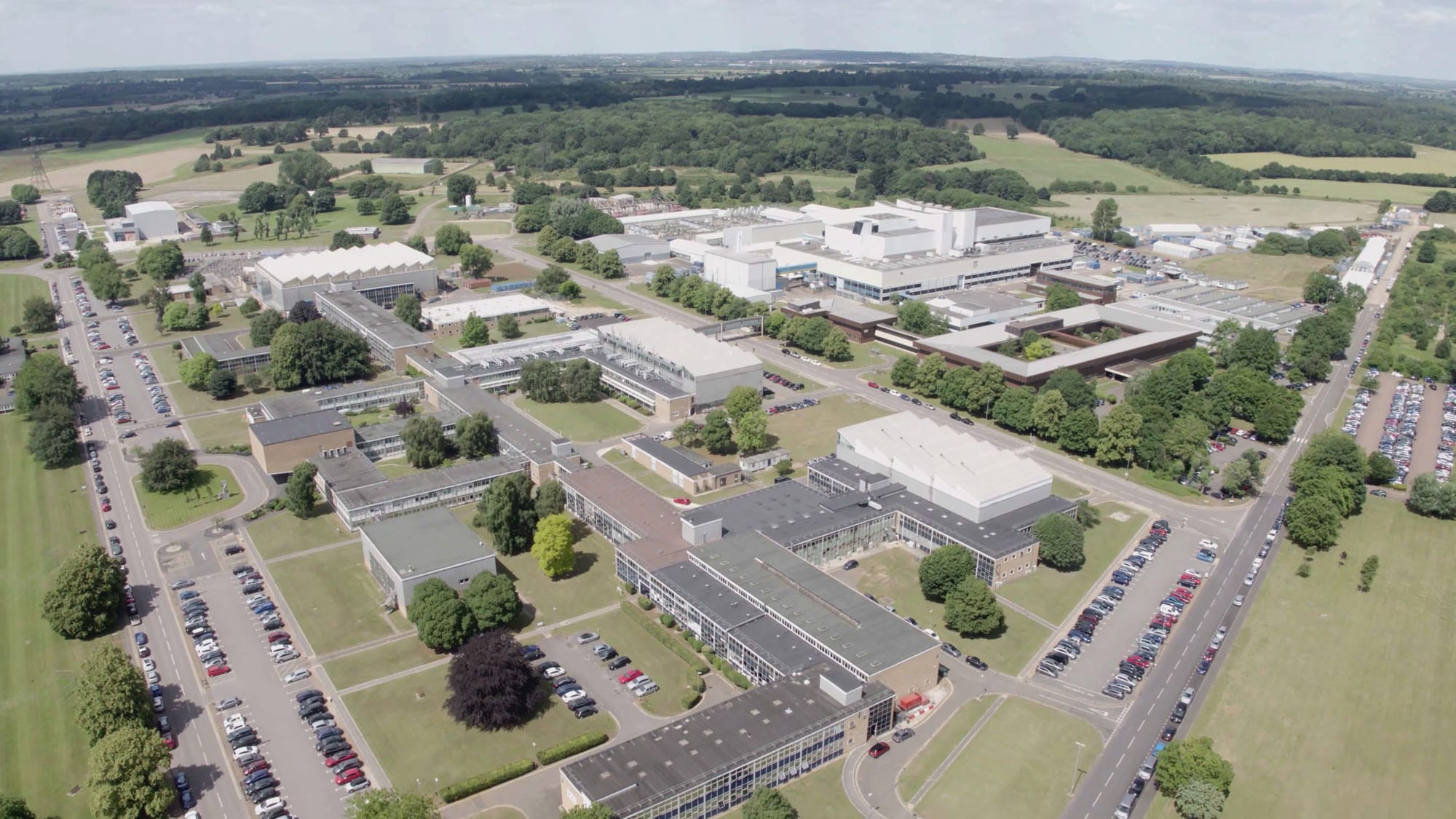
Culham Campus

[edit]

The centre occupies the site of the former Royal Navy airfield RNAS Culham (HMS Hornbill), which was transferred to UKAEA in 1960. The UKAEA continues to operate the site and is the major tenant.

As well as CCFE, the centre houses the headquarters of the UKAEA, and hosts many commercial and other organisations.

It is formerly home to Upper Thames Valley Sunday league football club JET F.C., now defunct

History

[edit]

UKAEA officially opened Culham Laboratory in 1965, having moved its fusion research operations from the nearby Harwell research site. Culham also amalgamated fusion activities at Aldermaston and other UK locations to form a national centre for fusion research. John Adams, who would go on to become Director-General of CERN, was appointed the first Director of the laboratory.

Culham built almost 30 different experiments in its first two decades as a variety of fusion concepts were tried out; among them shock-waves, magnetic mirror machines, stellarators and levitrons. During the 1970s, research became focused on magnetic confinement fusion using the tokamak device, which had emerged as the most promising design for a future fusion reactor. In the late 1960s, Culham scientists had already assisted in tokamak development by using laser scattering measurement techniques to verify the highly promising results achieved by the Russian T3 device.[2] This led to the adoption of the tokamak by the majority of fusion research establishments internationally.

In 1977, following protracted negotiations, Culham was chosen as the site for the Joint European Torus (JET) tokamak.[3] Construction began in 1978 and was completed on time and on budget, with first plasma in June 1983. Since then the machine has gone on to set a series of fusion milestones, including the first demonstration of controlled deuterium-tritium fusion power (1991) and the record fusion power output of 16 megawatts (1997).[4] Initially the JET facility was run by a multi-national team as a separate entity on the Culham site under the JET Joint Undertaking agreement. However, since 2000, UKAEA has been responsible for the operation of JET on behalf of its European research partners, through a contract with the European Commission.

In the 1980s, Culham Laboratory was instrumental in the development of the spherical tokamak concept – a more compact version of the tokamak in which plasma is held in a tighter magnetic field in a ‘cored apple’ shape instead of the conventional toroidal configuration. This is thought to offer potential advantages by enabling smaller, more efficient fusion devices. The START (Small Tight Aspect Ratio Tokamak) experiment at Culham (1991-1998) was the first full-sized spherical tokamak. Its impressive performance led to the construction of a larger device, MAST (Mega Amp Spherical Tokamak), which operated between 2000 and 2013.

Directors

[edit]

Current activities

[edit]

UK fusion programme

[edit]

CCFE has a broad ranging programme of activities encompassing tokamak plasma physics, technology developments for the DEMO prototype fusion power plant, the development of materials suitable for a fusion environment, engineering activities, the training of students, graduates and apprentices, and public and industry outreach activities.

It also participates in a co-ordinated European programme, which is managed by the EUROfusion consortium of research institutes. This is focussed on delivering the European fusion road map, with the goal of achieving fusion electricity by 2050.

CCFE is involved in a number of other international collaborations, notably the ITER tokamak being built at Cadarache in France. As well as contributing to scientific preparations for ITER with plasma physics experiments at Culham, CCFE is developing technology for the project – such as remote handling applications, specialist heating systems and instrumentation for plasma measurements (‘diagnostics’).

In June 2021 it was announced that a new fusion demonstration plant was to be built at the CCFE, by a consortium including General Fusion with backing from Jeff Bezos. It is planned to be operational by 2025.[6]

MAST Upgrade

[edit]

The focus of the UK domestic fusion programme is MAST Upgrade – a more powerful, better-equipped successor to the Mega Ampere Spherical Tokamak. Construction of MAST Upgrade started in 2013, and commissioning started in 2019.

MAST Upgrade will be implemented in three stages. Funding was agreed with the Engineering and Physical Sciences Research Council for the core upgrade (Stage 1a), which began plasma operations in 2020.[7] Two additional phases (Stage 1b and Stage 2) will follow in later years subject to funding.

MAST Upgrade has three main missions:

  1. Make the case for a fusion Component Test Facility (CTF). A CTF would test reactor systems for DEMO, and a spherical tokamak is seen as an ideal design for the facility;
  2. Add to the knowledge base for ITER and help resolve key plasma physics issues to ensure its success;
  3. Test reactor systems. MAST Upgrade will be the first tokamak to trial the innovative Super-X divertor – a high-power exhaust system that reduces power loads from particles leaving the plasma. If successful, Super-X could be used in DEMO and other future fusion devices.

Joint European Torus (JET)

[edit]

CCFE is responsible for the operation and safety of the JET facilities on behalf of EUROfusion. Its engineers also ensure that the JET device is maintained and upgraded to meet the demands of the research programme. Upgrades are largely carried out using a sophisticated remote handling system which avoids the need for manual entry. For example, in 2009 to 2011, remote handling engineers stripped out the interior of JET to fit a new 4,500-tile inner wall to enable researchers to test materials for the forthcoming ITER tokamak.

In addition, CCFE participates in the JET scientific programme alongside the other 28 EUROfusion research organisations throughout Europe.

Funding

[edit]

Funding for CCFE's domestic fusion programme is provided by a grant from the Engineering and Physical Sciences Research Council. The operation of JET is funded under a bilateral contract between the United Kingdom Atomic Energy Authority and the European Commission.

Effect of Brexit

[edit]

According to a BBC news report of 29 November 2016: "Since the vote for Brexit, many at the centre have become 'extremely nervous' amid uncertainty about future financing and freedom of movement. Five researchers have already returned to continental Europe with others said to be considering their positions".[8]

However, some of those concerns were allayed in 2019 by the news that JET would continue to be funded after Brexit.[9]

References

[edit]
[edit]
Revisions and contributorsEdit on WikipediaRead on Wikipedia
from Grokipedia
The Culham Centre for Fusion Energy (CCFE) is the United Kingdom's national laboratory for fusion research, operated by the United Kingdom Atomic Energy Authority (UKAEA) and located at the Culham Science Centre near Abingdon, Oxfordshire. Established in the early 1960s as part of UKAEA's efforts to harness nuclear fusion for energy production, CCFE focuses on developing technologies to replicate the Sun's fusion process for low-carbon, sustainable electricity generation. CCFE oversees major experimental facilities, including the Joint European Torus (JET), a tokamak reactor that achieved a world-record sustained fusion energy output of 59 megajoules in 2023 before its decommissioning, and the Mega Ampere Spherical Tokamak Upgrade (MAST-U), designed to advance spherical tokamak designs for future compact reactors. The centre also hosts the Hydrogen-3 Advanced Technology (H3-AT) facility, the world's largest dedicated tritium research centre, operational since 2022 to address fuel handling challenges in fusion power plants. These efforts contribute to international projects like ITER, emphasizing empirical progress in plasma confinement, materials endurance under extreme conditions, and tritium breeding—core engineering hurdles grounded in plasma physics and neutronics. Over six decades, CCFE has set multiple global benchmarks in fusion performance, from early plasma achievements in the 1960s to recent records in energy gain and pulse duration, while fostering industrial supply chains through contracts exceeding £3 million annually for fusion components. Despite fusion's historical delays due to scaling laws in magnetic confinement—such as the empirical need for higher densities, temperatures, and confinement times—the centre's data-driven approach has validated key tokamak viability, informing private-sector ventures without reliance on overstated timelines.

Overview and Organizational Context

Location and Campus Infrastructure

The Culham Centre for Fusion Energy is situated at the Culham Campus in Abingdon, Oxfordshire, United Kingdom, with the postal code OX14 3DB. This location places it in southern Oxfordshire, approximately a few miles from Oxford city center and about 50 miles west of London, within the Science Vale UK region known for science and technology activities. The campus serves as the headquarters for the United Kingdom Atomic Energy Authority's (UKAEA) fusion energy programme. Spanning 80 hectares, the Culham Campus includes 21,730 square meters of commercial workshop, laboratory, and office space, accommodating over 45 organizations, including 17 fusion cluster companies. Key infrastructure encompasses specialized facilities such as the Culham Innovation Centre, which provides dedicated laboratories, workshops, and offices for research and development. The site supports advanced fusion experiments, including the MAST Upgrade tokamak, and features robust power supplies capable of delivering 575 MW peak capacity and 144 MW steady-state power to enable high-energy research and potential expansions like supercomputing. Amenities on campus include secure access points requiring photo identification, a new main gate facility designed as a low-carbon gateway with enhanced security and educational elements, conference centers, restaurants, a nursery, preschool, EV charging stations, and sports facilities. Ongoing infrastructure developments, outlined in the 2024 UKAEA masterplan, aim to transform the campus into a global fusion technology hub through phased expansions including new offices, fusion facilities, improved pedestrian and cycle routes, biodiversity enhancements, and sustainable urban drainage systems, while aligning with net-zero carbon goals by 2050.

Mission and Governance Structure

The Culham Centre for Fusion Energy (CCFE) operates as the United Kingdom's primary national laboratory dedicated to fusion research, focusing on advancing plasma physics, tokamak technology, and related engineering to develop sustainable fusion power as a low-carbon energy source. Its core mission aligns with that of the UK Atomic Energy Authority (UKAEA), which manages CCFE, emphasizing leadership in delivering fusion energy while maximizing associated scientific, technological, and economic benefits for the UK. This includes conducting experimental programs, materials testing, and international collaborations to bridge the gap between current research and commercial viability, such as through contributions to the ITER project and operation of facilities like the Joint European Torus (JET). Funding for CCFE's activities derives primarily from UK government allocations via the Engineering and Physical Sciences Research Council, supplemented by European Union contributions under the EURATOM treaty for specific programs. CCFE functions as an integrated division within UKAEA, an executive non-departmental public body sponsored by the Department for Energy Security and Net Zero (DESNZ), ensuring accountability to the UK government while maintaining operational autonomy in research direction. UKAEA's governance framework, outlined in its 2024 framework document with DESNZ, establishes a board structure comprising a chair, CEO, executive directors, and non-executive members who oversee strategic decisions, risk management, and performance. The board convenes 5-7 times annually and delegates to sub-committees for audit, risk assurance, and remuneration to enforce financial and ethical standards. Within this, CCFE's leadership reports through UKAEA's executive team, with dedicated directors handling fusion-specific operations, such as the UK National Fusion Programme, while adhering to broader authority-wide policies on research ethics and public funding compliance. This structure positions CCFE under direct UKAEA oversight, distinct from privatized or international entities, to prioritize national interests in fusion commercialization, including initiatives like the Spherical Tokamak for Energy Production (STEP).

Historical Development

Establishment and Early Research (1960s-1970s)

The Culham Laboratory, now known as the Culham Centre for Fusion Energy, was established by the United Kingdom Atomic Energy Authority (UKAEA) in 1960 to consolidate the UK's dispersed fusion research activities, which had previously been conducted at sites including Harwell and Aldermaston. This centralization aimed to advance controlled thermonuclear fusion through dedicated facilities for magnetic confinement experiments. Construction of the laboratory began in the early 1960s, with official operations commencing by 1965. In the 1960s, early research at Culham focused on various magnetic confinement configurations inherited from prior UK efforts, including linear pinches, reversed field pinches, and stellarators. These devices sought to stabilize high-temperature plasmas using intense magnetic fields to enable fusion reactions, building on machines like the ZETA pinch developed earlier at Harwell. Culham researchers constructed and tested nearly two dozen prototype experiments during this period to investigate plasma behavior, stability, and confinement times. By the late 1960s, international conferences revealed superior performance from Soviet tokamak devices, prompting a strategic pivot at Culham toward this toroidal configuration in the 1970s. Initial tokamak-related work involved diagnostic advancements, such as laser scattering techniques to measure plasma density and verify confinement properties. These efforts laid groundwork for subsequent UK contributions to global fusion programs, emphasizing empirical validation of plasma physics principles over theoretical speculation.

Expansion and Key Milestones (1980s-2000s)

The 1980s marked a period of substantial growth for fusion research at Culham, driven by the operational startup of the Joint European Torus (JET), Europe's flagship tokamak project hosted there since site selection in 1977. Construction of JET's facilities began in 1978, enabling the device to achieve its first plasma on 25 June 1983, initiating a series of experiments that progressively increased plasma parameters and confinement times. The facility's formal inauguration by Queen Elizabeth II occurred on 9 April 1984, underscoring its international significance as the largest operational magnetic confinement experiment at the time. Concurrently, theoretical advancements at Culham, including studies by physicist Alan Sykes, explored modifications to tokamak geometry—such as elongating the plasma cross-section—which demonstrated potential for higher beta values and improved stability, laying groundwork for more efficient designs. In the 1990s, Culham expanded its research portfolio beyond conventional tokamaks by pioneering spherical tokamak concepts, which promised compact, high-performance alternatives suitable for future power plants. The Small Tight Aspect Ratio Tokamak (START) became operational in 1991, achieving first plasma and validating key principles like high plasma pressure relative to magnetic field strength through over 20,000 pulses until its decommissioning in 1998. A pivotal JET milestone came on 9 November 1991, when it conducted the world's first high-power deuterium-tritium (D-T) experiments, yielding 1.7 megajoules of fusion energy over two seconds and demonstrating controlled D-T reactions with a peak power of 2 megawatts—records that informed ITER's design parameters. These achievements expanded Culham's role in international collaborations, including contributions to tokamak upgrades and diagnostics shared with global partners. The early 2000s saw further facility development with the Mega Ampere Spherical Tokamak (MAST), which attained first plasma in December 1999 and entered full operations by 2000, building on START's successes to test longer-pulse regimes and advanced divertor configurations at currents up to 1.4 mega-amperes. JET's ongoing campaigns through the decade produced additional benchmarks, such as enhanced fusion triple product values in 1997 (exceeding prior records by sustaining high temperatures, densities, and confinement times) and iterative improvements in neutral beam heating and impurity control. By 2009, organizational restructuring separated fusion activities from broader UK Atomic Energy Authority (UKAEA) operations, renaming the site the Culham Centre for Fusion Energy to focus exclusively on plasma physics and technology development amid growing emphasis on ITER support. This era solidified Culham's expertise in both large-scale tokamak operations and innovative compact devices, with cumulative JET pulses surpassing 50,000 by mid-decade.

Major Facilities and Experiments

Joint European Torus (JET)

The Joint European Torus (JET) is a large-scale tokamak fusion experiment located at the Culham Centre for Fusion Energy in Oxfordshire, United Kingdom, designed to study plasma confinement and fusion reactions under conditions approaching those required for practical fusion power. Constructed as a collaborative project among European nations, JET began operations in 1983 and served as a key testbed for the International Thermonuclear Experimental Reactor (ITER), validating technologies such as high-performance plasma scenarios and tritium handling. Over its four-decade lifespan, JET achieved sustained fusion reactions using deuterium-tritium fuel mixtures, producing record levels of fusion energy while demonstrating the feasibility of ITER-like wall materials composed of beryllium and tungsten. Planning for JET originated in the mid-1970s as part of Europe's coordinated fusion program, with site selection at Culham finalized in 1977 due to existing expertise in tokamak research. Construction commenced in 1978, involving a toroidal vacuum vessel with a major radius of approximately 3 meters and advanced magnetic coils capable of generating a toroidal field of 3.4 tesla and plasma currents up to 5 megaamperes. The device, weighing 2,800 tonnes, achieved its first plasma on 25 June 1983, marking the start of experimental campaigns that progressively scaled plasma parameters, including temperatures exceeding 150 million degrees Celsius. By the late 1980s, upgrades enhanced heating systems, including neutral beam injection and ion cyclotron resonance heating, enabling higher density and confinement times essential for fusion gain. Key milestones include the world's first deuterium-tritium plasma experiments in 1991, which confirmed neutron production from fusion reactions without significant material damage. In 1997, JET produced 16 megawatts of for several seconds, yielding a total energy of 22.5 megajoules, the highest at the time. Subsequent enhancements, such as the ITER-like wall installed in 2010-2011, tested plasma-material interactions under realistic conditions, achieving sustained high-confinement modes in 2021-2022 with beryllium-tungsten components and 's planned fuel mix. JET reached its 100,000th plasma pulse in January 2022, underscoring operational reliability. The final deuterium-tritium experimental campaign (DTE3) in 2023 culminated in a record fusion energy output of 69.26 megajoules over 5.2 seconds on 3 October, using 0.2 milligrams of fuel and demonstrating stable high-fusion-power pulses relevant to ITER's operational baseline. This surpassed prior records while maintaining plasma stability, providing empirical data on alpha-particle heating and exhaust management. JET operations ceased at the end of December 2023, transitioning to decommissioning under the United Kingdom Atomic Energy Authority (UKAEA) and EUROfusion consortium, with results informing global fusion strategies despite challenges like post-Brexit funding adjustments. Throughout its history, JET's data emphasized the tokamak's potential for net energy gain, though Q values (fusion energy gain factor) remained below unity, highlighting ongoing needs for improved confinement and power handling.

Mega Ampere Spherical Tokamak (MAST) and MAST Upgrade

The Mega Ampere Spherical Tokamak (MAST) operated at the Culham Centre for Fusion Energy as a low-aspect-ratio spherical tokamak experiment from its first plasma on 1 December 1999 until decommissioning in 2013. It succeeded the START tokamak, which had demonstrated the viability of spherical tokamak configurations in the 1990s, and focused on investigating plasma confinement, stability, and edge physics in compact geometries with aspect ratios approaching 1.3. Following MAST's closure, the MAST Upgrade (MAST-U) project commenced in 2013 to address limitations in pulse length, heating power, magnetic field strength, and exhaust handling observed in the original device. The seven-year refurbishment, costing approximately £45 million, transformed the facility into a next-generation spherical tokamak capable of longer-duration plasmas and advanced divertor testing. First plasma was achieved on 29 October 2020, marking the start of operations with enhanced neutral beam heating and a toroidal field up to 0.6 tesla. MAST-U incorporates a Super-X divertor configuration with elongated legs and high-aspect-ratio pumping chambers to improve particle and heat exhaust, reducing risks of material damage in future reactors. The device maintains a major radius of 0.85 meters and supports plasma currents up to 2 mega-amperes, enabling studies of edge-localized modes, turbulence, and detachment physics relevant to ITER and the UK's Spherical Tokamak for Energy Production (STEP) program. In May 2025, final neutral beam heating components were delivered by General Atomics, enhancing power delivery for sustained high-performance plasmas. Diagnostic systems, including a Langmuir probe array with 850 probes, provide detailed measurements of plasma parameters across the edge and scrape-off layer. Real-time equilibrium reconstruction and shape control algorithms, upgraded from MAST's architecture, ensure precise plasma positioning during experiments with varied divertor geometries. These capabilities position MAST-U as a key platform for validating spherical tokamak scalability toward compact fusion power plants.

Supporting Facilities and Infrastructure

The Culham Centre for Fusion Energy, operated by the UK Atomic Energy Authority (UKAEA), features a range of supporting facilities and infrastructure critical for enabling fusion experiments, materials development, and operational maintenance. These include specialized laboratories for handling radioactive materials, tritium fuel cycle systems, remote robotics for hazardous interventions, and computational resources for data analysis and simulation, all situated on the 40-hectare Culham Campus in Oxfordshire. The Materials Research Facility (MRF) provides user-accessible capabilities for processing and analyzing irradiated materials under fusion and fission conditions, supporting qualification of components for extreme neutron fluxes and temperatures. This facility integrates hot cells, glove boxes, and analytical instruments to facilitate post-irradiation examinations, aiding in the empirical validation of material degradation models. Tritium infrastructure encompasses operational fuel cycle testbeds for handling, processing, and safety assessments of this scarce fusion fuel isotope. The forthcoming H3AT Tritium Loop Facility, developed in partnership with Eni and slated for completion in 2028, will represent the world's largest closed-loop system for tritium recovery, purification, isotope separation, and storage, addressing scalability challenges for commercial reactors. Complementing this, the £200 million LIBRTI programme incorporates a dedicated testbed with a fusion neutron source to evaluate tritium breeding blankets, essential for self-sustaining fuel production in deuterium-tritium reactions. Remote handling systems mitigate risks in radioactive and high-temperature environments through the Remote Handling Control Room (RHCR), upgraded in 2024 with haptic-feedback manipulators like MASCOT and enhanced visualization for precise interventions. The RACE (Robotics and AI for Complex Environments) facility prototypes autonomous and teleoperated robots for in-vessel maintenance, drawing on decades of JET operational experience to inform designs for future power plants. Diagnostics infrastructure leverages advanced sensors and image-based systems for plasma monitoring, integrated with machine learning via the Virtual Qualification Framework to accelerate component validation without physical prototypes. High-performance computing clusters process petabytes of experimental data, enabling predictive modeling of plasma behavior and material responses under first-wall conditions. Auxiliary systems, including applied radiation technologies and specialist welding capabilities, further support fabrication and non-destructive testing of fusion components.

Research Programs and Technical Focus

UK National Fusion Programme

The United Kingdom National Fusion Programme, managed by the United Kingdom Atomic Energy Authority (UKAEA), operates primarily through the Culham Centre for Fusion Energy and aims to advance magnetic confinement fusion towards commercial deployment as a low-carbon, abundant energy source. Established under the UK's fusion strategy, the programme focuses on overcoming key technical barriers such as plasma confinement, materials endurance under extreme conditions, and tritium fuel cycles to enable net energy production from fusion reactors. The programme's structure emphasizes three interconnected pillars: international collaboration to leverage global expertise, scientific and technical leadership in plasma physics and engineering, and commercialisation to build a domestic supply chain and export capabilities. Governance is led by UKAEA, with oversight from the Department for Energy Security and Net Zero, and delivery of major projects like the Spherical Tokamak for Energy Production (STEP) handled by UK Industrial Fusion Solutions Ltd (UKIFS), a dedicated subsidiary. Key initiatives include the Fusion Futures programme, which allocates up to £650 million in new funding from 2023 to 2027 for alternative research and development pathways post-Euratom, alongside skills training for over 2,200 personnel and a £200 million tritium fuel cycle facility at Culham set for completion by 2028. At its core, the programme integrates experimental research at Culham's facilities, such as the Joint European Torus (JET) for high-power deuterium-tritium operations until its 2023 decommissioning and the Mega Ampere Spherical Tokamak Upgrade (MAST-U) for spherical tokamak studies, to validate designs for ITER and future plants. Technical efforts prioritize tritium breeding, remote robotics for maintenance, advanced materials resistant to neutron damage, and digital modelling for whole-plant integration, with STEP targeting a compact prototype delivering net electricity to the grid by 2040 at a site in Nottinghamshire. Collaborations extend to EUROfusion for European tokamak research and industry partnerships, such as with Eni for tritium handling technologies, aiming to secure £1 billion in supply chain contracts while protecting UK intellectual property.

Materials Science and Technology Development

The development of materials capable of enduring the extreme conditions of fusion reactors—such as intense neutron fluxes up to 14 MeV energy, causing 20–200 displacements per atom (dpa) in prototypes like the UK's STEP, alongside transmutation and tritium retention—represents a core focus of research at the Culham Centre for Fusion Energy (CCFE). These challenges, often termed the "triple whammy," degrade material integrity through embrittlement, swelling, and erosion, necessitating low-activation alloys, advanced ceramics, and composites for plasma-facing components, blankets, and structural elements. CCFE addresses these via experimental irradiation studies, modeling, and qualification pathways, prioritizing empirical data from neutron sources like HFIR and emerging facilities such as IFMIF-DONES. Central to CCFE's efforts is the Materials Research Facility (MRF), a specialized laboratory at Culham for processing and characterizing irradiated materials relevant to fusion and fission reactors. Opened to users in 2019 and funded by EPSRC, the National Nuclear User Facility (NNUF), and the Henry Royce Institute, the MRF enables handling of radioactive samples up to terabecquerel (TBq) levels in hot cells with remote manipulation systems, alongside analysis of gigabecquerel (GBq)-level samples via on-site or university-based techniques. Key capabilities include microstructural examination using transmission electron microscopy (TEM), mechanical testing via nanoindentation and SEM/PFIB setups operational up to 1000°C, and thermo-physical assessments with high-resolution differential scanning calorimetry (DSC) and in-situ heated X-ray diffraction (XRD). These tools support fusion-specific investigations into high-temperature performance, neutron-induced damage, and plasma-material interactions, providing data essential for reactor designs like DEMO blankets enduring 15 dpa per full-power year. CCFE leads the UK Fusion Materials Roadmap, first published in 2021 and updated through 2025, which outlines strategies for qualifying materials by 2040 to enable commercial fusion. The roadmap targets weldable, cost-effective reduced-activation ferritic-martensitic steels, high-purity tungsten for divertors, and advanced structural materials operable above 550°C to boost plant efficiency, while addressing cross-cutting needs like irradiation testing infrastructure and skills development. It emphasizes empirical validation over simulation alone, integrating facilities like the MRF with international efforts to mitigate risks such as dust formation and waste from transmuted isotopes. User access to MRF resources, including remote equipment operation post-training, fosters collaboration with academia and industry, accelerating qualification under evolving safety codes.

International and Private Sector Collaborations

The Culham Centre for Fusion Energy (CCFE), operated by the United Kingdom Atomic Energy Authority (UKAEA), maintains significant international collaborations in fusion research, particularly through contributions to the ITER tokamak project under construction in Cadarache, France, where UKAEA provides expertise in areas such as plasma physics and remote handling systems. Despite the UK's exit from the European Union, CCFE participates in EUROfusion activities with associate status, enabling ongoing involvement in experiments at the Joint European Torus (JET) facility hosted at Culham, which concluded operations in 2023 after supporting multinational plasma confinement studies. These efforts have included joint diagnostics development and data analysis with European partners, yielding advancements in fusion power production validated through shared empirical results. Bilateral agreements further extend CCFE's international reach, such as the June 27, 2025, memorandum of cooperation between the UK and Japan on fusion energy, facilitating technology exchange and joint R&D on materials and reactor components. Similarly, collaborations with the U.S. Department of Energy's Princeton Plasma Physics Laboratory (PPPL) have supported JET's deuterium-tritium operations, including modeling of neutron yields and plasma stability, as demonstrated in the 2021-2022 campaign that achieved 59 megajoules of fusion energy. A September 17, 2025, UK-U.S. technology pact emphasizes supply chain security for fusion components, with CCFE contributing to shared standards for high-temperature superconductors and diagnostics. In the private sector, CCFE fosters partnerships to accelerate commercialization, including a March 7, 2025, agreement with Italian energy firm Eni to develop a tritium fuel cycle facility at Culham, aimed at testing breeding blanket technologies for future reactors with a focus on efficient isotope production rates exceeding 1 gram per day in prototypes. UKAEA's 2021 pilot project engaged five private firms in supply chain challenges, resolving issues in component manufacturing and testing that reduced prototyping timelines by up to 30% through iterative feedback loops. CCFE supports validation for private inertial fusion ventures, such as independent verification of First Light Fusion's projectile-driven experiments, where UKAEA reviewed neutron flux data and hydrodynamic models to confirm fusion yields in the 10^11 neutron range per shot. The Culham Campus hosts private entities like Japan's Kyoto Fusioneering, which established a UK hub on June 18, 2025, for engineering fusion plant components, enabling co-development of remote maintenance robotics. These ties integrate with the Spherical Tokamak for Energy Production (STEP) program, anchoring public-private efforts by providing access to CCFE's testing infrastructure for companies like Tokamak Energy, which leverages Culham's plasma data for scaling high-field tokamaks toward 800 MW fusion power outputs. Such collaborations emphasize empirical validation over speculative timelines, prioritizing verifiable metrics like energy gain factors (Q > 10 targeted).

Funding, Policy Impacts, and Economic Role

Government and Public Funding Sources

The Culham Centre for Fusion Energy (CCFE) is funded principally through the United Kingdom Atomic Energy Authority (UKAEA), which receives annual Grant-in-Aid allocations from the Department for Energy Security and Net Zero (DESNZ) to support the UK's national fusion research programme at Culham Science Centre. For the 2024/25 financial year, UKAEA's Grant-in-Aid totalled £361 million, including £296 million in revenue funding and £67 million in capital expenditure, with the majority directed to fusion activities such as operations, materials research, and facility maintenance. This funding mechanism, governed by a framework agreement between DESNZ and UKAEA, ensures alignment with national energy security and net-zero objectives, comprising approximately 87% of UKAEA's total income for the period. Supplementary public funding is channelled through the Engineering and Physical Sciences Research Council (EPSRC), under UK Research and Innovation (UKRI), for targeted fusion research initiatives. The UK Fusion Research Programme at CCFE, encompassing plasma physics, tokamak operations, and technology development, receives core support from a five-year EPSRC grant commencing in March 2022. EPSRC allocations form the backbone of domestic scientific investigations, distinct from DESNZ's operational grants, and have historically enabled peer-reviewed advancements in areas like magnetic confinement. Discrete government investments have augmented baseline funding for infrastructure and milestones. In December 2017, DESNZ predecessor departments provided £86 million to expand fusion capabilities at Culham, focusing on enhanced experimentation and workforce development. More recently, in January 2025, a £410 million package was allocated for fusion research and development, including advancements in tritium handling and the UK Fusion Project's facilities at Culham, as part of broader economic growth initiatives. In June 2025, the Spending Review committed £2.5 billion over five years to the fusion sector, incorporating support for UKAEA-led efforts such as the Spherical Tokamak for Energy Production (STEP) prototype, with £2.1 billion ringfenced for fusion from 2026/27 onward. Prior to the UK's withdrawal from the European Union in 2020, CCFE's international collaborations, particularly the Joint European Torus (JET), drew approximately two-thirds of operational costs from the European Atomic Energy Community (Euratom) under the JET Operation Contract, supplemented by one-third from UK sources; subsequent arrangements have transitioned to fully domestic public financing, avoiding reliance on supranational bodies. These sources underscore a causal emphasis on empirical progress in fusion viability, with funding levels reflecting iterative assessments of technical feasibility rather than unsubstantiated optimism.

Effects of Brexit on Operations and Funding

The United Kingdom's withdrawal from the European Union and Euratom on January 31, 2020, initially posed significant risks to funding for the Joint European Torus (JET) at Culham, which had relied on Euratom for approximately 87.5% of its operational costs through the EUROfusion consortium. Negotiations secured a temporary extension in March 2019, providing €100 million in Euratom funding to sustain JET operations through December 2020, irrespective of the final Brexit outcome. Further agreements extended JET's runtime to the end of 2023, with the UK government committing additional domestic contributions to cover gaps left by reduced Euratom involvement, enabling the facility to achieve record plasma energy outputs of 69 megajoules in late 2023. Operationally, Brexit introduced challenges related to staff mobility and nuclear supply chains, as Culham's workforce included substantial numbers of EU nationals, and Euratom membership had facilitated seamless access to specialized materials like tritium. The UK Atomic Energy Authority (UKAEA) warned in 2016 that over 1,000 jobs could be at risk due to potential restrictions on researcher visas and collaboration, though post-transition period arrangements, including bilateral pacts, mitigated immediate disruptions and allowed EUROfusion participation to continue for UK entities like Culham. New UK safeguards agreements with the International Atomic Energy Agency addressed Euratom's exit, preventing halts in fuel cycle operations, though these required independent verification processes that added administrative overhead. In response to lost Euratom research and training (R&T) programme access, the UK government redirected resources toward national initiatives, announcing up to £650 million in 2023 for fusion alternatives to Euratom collaboration, bolstering Culham's role in the UK National Fusion Programme and the Spherical Tokamak for Energy Production (STEP) project. This shift reduced dependency on EU funds—previously supporting broader Culham activities under Horizon 2020—but emphasized self-reliant development, with total UK fusion investments reaching £410 million in 2025 for infrastructure like prototype plants. While operations persisted without major shutdowns, the transition fostered a more insular research ecosystem, forgoing automatic involvement in projects like ITER via the EU pathway and prompting independent UK bids for international fusion efforts.

Economic Contributions and Industry Spin-offs

The Culham Centre for Fusion Energy (CCFE), operated by the United Kingdom Atomic Energy Authority (UKAEA), has generated substantial economic returns through public investments in fusion research. Between 2009/10 and 2018/19, UK government funding of £346.7 million supported activities yielding a total gross value added (GVA) of £1.3–£1.4 billion to the UK economy, including direct, indirect, and induced effects. This equates to an estimated return of £3.7–£4.1 million in GVA per £1 million invested, based on input-output analysis using UK economic multipliers. Additionally, contracts awarded to UK firms for the ITER project, involving CCFE expertise, contributed £267.1–£363.7 million in GVA. These investments have sustained significant employment, supporting 34,880–36,900 job years over the period, with 10,516 direct job years from UKAEA staff and operations at Culham. Supply chain expenditures, totaling £163.5 million on UK suppliers, generated £587 million in GVA, with multipliers of 1.5–2.0 across sectors, fostering high-skill manufacturing and engineering in regions like South East England. Culham's procurement has prioritized domestic capabilities in areas such as materials testing and plasma diagnostics, enhancing UK industrial resilience in advanced technologies. CCFE research has spurred industry spin-offs, commercializing innovations in plasma confinement and magnet technology. Tokamak Energy, founded in 2009 as a spin-off from UKAEA and drawing on Culham's spherical tokamak expertise, develops high-temperature superconducting magnets and compact fusion devices; by 2024, it employed over 220 staff and pursued commercial prototypes like the ST40 machine. First Light Fusion, another beneficiary of Culham-derived knowledge, focuses on inertial confinement approaches and has advanced projectile-based fusion concepts toward private investment and prototyping. These spin-offs, alongside 225 patents citing Culham publications since 1996, have yielded £31.3–£42.6 million in GVA and 700–946 job years, demonstrating knowledge transfer from public research to private enterprise. The UKAEA's Fusion Cluster at Culham further amplifies this by clustering startups and suppliers, promoting supply chain integration for future fusion commercialization.

Achievements, Challenges, and Broader Impact

Scientific Breakthroughs and Empirical Contributions

The Culham Centre for Fusion Energy (CCFE) has made pivotal empirical contributions to magnetic confinement fusion through its operation of the Joint European Torus (JET), the world's largest tokamak experiment, which achieved the highest fusion energy output to date. On 21 December 2021, JET produced 59 megajoules (MJ) of fusion energy over five seconds in a deuterium-tritium (D-T) plasma, sustaining 16 megawatts (MW) of fusion power and reaching a fusion gain factor (Q) of 0.67, where Q represents the ratio of fusion output to input heating power. This marked a world record for sustained fusion energy in a tokamak, validating predictive models for ITER operations under similar wall materials and plasma conditions. Subsequent final D-T experiments in 2023 yielded 69.26 MJ, further confirming scalability of high-performance baseline scenarios with internal transport barriers and optimized current profiles. Earlier JET campaigns provided foundational empirical data on D-T fusion dynamics, including the 1997 experiments that demonstrated 16.1 MW of fusion power for 0.5 seconds with Q=0.15-0.2, establishing benchmarks for neutron yield, alpha-particle heating, and plasma stability under tritium fueling. These results, derived from spectroscopic diagnostics, neutron counters, and magnetic measurements, informed ITER's design by quantifying edge-localized mode (ELM) mitigation and impurity transport, reducing uncertainties in extrapolation to reactor-scale devices. JET's extensive database, exceeding terabytes from over 100,000 pulses, has enabled validation of gyrokinetic simulations for turbulent transport, showing empirical agreement with neoclassical bootstrap currents and ion-temperature-gradient modes at high beta values (normalized plasma pressure). In parallel, CCFE's Mega Amp Spherical Tokamak (MAST) program has advanced compact fusion geometries, yielding empirical insights into divertor heat exhaust and plasma shaping critical for future reactors. MAST experiments demonstrated ELM suppression via resonant magnetic perturbations in 2012, using 3D coil fields to stabilize edge pedestals without excessive fueling dilution, as evidenced by reduced divertor erosion rates measured via Langmuir probes and infrared thermography. The upgraded MAST-U, operational since 2021, achieved a breakthrough in October 2025 by sustaining fully detached plasma regimes in a spherical tokamak using novel 3D magnetic error field correction coils, enabling control of MHD instabilities and improving confinement efficiency by up to 20% over conventional axisymmetric fields, per bolometer and Thomson scattering data. These findings empirically support spherical tokamaks' potential for higher beta and lower aspect ratios in pilot plants like STEP, with validated reductions in neoclassical resistivity and enhanced fusion triple product (nTτ_E). CCFE's contributions extend to materials testing under fusion neutron fluxes, where JET's beryllium-tungsten wall configuration endured 5 MW/m² heat loads during high-fusion-yield pulses, providing empirical corrosion and tritium retention data that refine activation models for DEMO reactors. Overall, these experiments have amassed peer-reviewed datasets underpinning causal models of plasma self-heating and confinement degradation, prioritizing direct measurements over unverified simulations.

Persistent Technical and Engineering Challenges

One of the core persistent challenges in fusion research at the Culham Centre for Fusion Energy involves maintaining plasma stability and confinement in tokamak configurations, where instabilities such as edge-localized modes (ELMs) and disruptions can lead to rapid energy loss and potential damage to vessel walls. Experiments on the Joint European Torus (JET) have demonstrated record fusion power outputs, such as 16 MW sustained, yet disruptions remain a limiting factor for long-pulse operations, necessitating advanced control systems like resonant magnetic perturbations. Similarly, the Mega Ampere Spherical Tokamak Upgrade (MAST-U) at Culham has addressed non-axisymmetric instabilities using novel 3D magnetic coils to suppress edge-localized modes, marking a world-first stabilization in spherical tokamaks as of October 2025, but full integration into steady-state regimes continues to require iterative engineering refinements. Materials endurance under extreme conditions represents another enduring engineering hurdle, as plasma-facing components must resist neutron-induced transmutation, helium embrittlement, and tritium retention while handling heat fluxes exceeding 10 MW/m². Culham's Materials Research Facility, expanded in 2022 with £10 million investment, simulates these environments through ion beam irradiation and high-heat-flux testing, yet qualifying low-activation steels and tungsten alloys for 14 MeV neutron damage remains unresolved for commercial viability, with the UK Fusion Materials Roadmap 2021-2040 emphasizing the need for accelerated breeding blanket development. Tritium permeation and inventory control further complicate designs, as permeation barriers degrade over cycles, posing safety and efficiency risks in tritium-fueled systems like those prototyped for ITER and STEP. Heat exhaust management via divertors persists as a critical bottleneck, particularly in high-power density devices, where detached plasma regimes are required to reduce thermal loads but introduce impurity contamination and reduced confinement. JET's ITER-like wall experiments have revealed accelerated erosion in beryllium and tungsten divertors during high-fusion-yield pulses, limiting pulse lengths to seconds rather than minutes needed for economic operation. At MAST-U, innovative super-X divertor geometries aim to double heat dissipation efficiency in spherical tokamaks, yet scaling to gigawatt-level plants demands unresolved advancements in active cooling and remote maintenance under vacuum and magnetic constraints. Integration of these elements into a cohesive reactor design amplifies challenges, including cryogenic superconducting magnet reliability under pulsed loads and remote handling for activated components, as highlighted in Culham's contributions to ITER engineering tasks. Despite empirical progress, such as JET's 2021-2022 deuterium-tritium campaigns achieving Q=0.67 (fusion gain factor), net electricity production eludes demonstration due to these compounded issues, underscoring the need for materials and plasma physics co-optimization.

Criticisms Regarding Timelines and Resource Efficiency

Critics of the Culham Centre for Fusion Energy's contributions to magnetic confinement fusion (MCF) research, particularly through the Joint European Torus (JET) tokamak, argue that progress has stagnated despite extended timelines and substantial resource commitments. JET, operational since 1983 at Culham, was originally designed for a decade of experiments but underwent multiple extensions, culminating in its final deuterium-tritium campaign in 2021–2022 after 40 years of operation, without achieving net energy gain (Q ≥ 1, where Q is the ratio of fusion power output to input heating power). The facility's peak thermonuclear Q of 0.2 in 2021 represented minimal advancement over 1997 results (Q=0.67 overall, but lower for thermonuclear conditions), highlighting persistent challenges in plasma confinement and stability that have delayed milestones like sustained burning plasmas. Resource efficiency concerns center on the high operational costs and material inefficiencies inherent in tokamak experiments at Culham. Each JET deuterium-tritium pulse consumed approximately 100 mg of tritium—orders of magnitude more than inertial confinement approaches—with tritium priced at $30,000 to $100,000 per gram, exacerbating supply constraints and necessitating stringent safety protocols that limited experiment frequency. Energy losses remained severe; for instance, JET's 2021 record of 59 megajoules sustained for five seconds equated to a net efficiency where over 98% of input energy was dissipated as heat or radiation, far from the Q=5–10 required for practical power generation. Plasma physicist Daniel Jassby, citing JET's data, contends that such inefficiencies, combined with tritium breeding and handling demands, render MCF pathways uneconomical without breakthroughs unachieved after decades of iteration. Broader critiques frame Culham's JET-era efforts as emblematic of fusion research's "fusion constant"—the quip that viable energy production is perpetually 30 years away—despite UK investments exceeding hundreds of millions in pounds for facility upgrades and operations. Delays in related international projects like ITER, to which Culham contributes expertise, amplify these issues; ITER's timeline has slipped from 2016 first plasma to potentially the 2030s, with costs ballooning beyond €20 billion, partly due to unresolved engineering hurdles mirrored in JET's history of component failures and redesigns. Skeptics, including reports from the Global Warming Policy Foundation, question the opportunity costs of sustained public funding for MCF at Culham, arguing that after over 70 years of global fusion R&D, no pathway has yielded grid-scale electricity, diverting resources from deployable low-carbon alternatives. These views contrast with optimistic projections but underscore empirical stagnation in key metrics like Q and energy gain factor at Culham-led facilities.

Future Directions and Recent Developments

STEP Demonstration Programme

The Spherical Tokamak for Energy Production (STEP) Demonstration Programme, initiated by the United Kingdom Atomic Energy Authority (UKAEA), seeks to design, build, and operate a prototype fusion energy plant capable of generating net electricity from fusion reactions, with a target operational date in the 2040s. The programme emphasizes a spherical tokamak configuration, which features a more compact, near-spherical plasma shape compared to conventional elongated tokamaks, potentially enabling higher plasma pressure, improved stability, and reduced construction costs through efficient use of magnetic fields. This design draws directly from empirical advancements in spherical tokamak experiments at the Culham Centre for Fusion Energy (CCFE), including the Mega Ampere Spherical Tokamak Upgrade (MAST-U), where plasma confinement and exhaust handling have been tested under conditions simulating STEP-scale operations. Launched with a £220 million government commitment in October 2019 for initial conceptual design, STEP integrates fusion physics, engineering, materials science, and remote handling technologies to demonstrate a closed fuel cycle using deuterium-tritium reactions, producing up to 100 MW of net electricity while addressing heat extraction, tritium breeding, and power conversion. The prototype is planned for the West Burton colliery site in Nottinghamshire, selected in 2023 for its grid connectivity and space to accommodate supporting infrastructure like cooling systems and remote maintenance facilities. In February 2023, UK Industrial Fusion Solutions Ltd (UKIFS) was established as a public-private entity to lead delivery, fostering supply chain involvement from over 100 UK firms and international collaborators to de-risk technologies such as high-temperature superconductors for magnets and advanced divertors for plasma-facing components. Culham's contributions remain central, leveraging CCFE's expertise in spherical tokamak physics to inform STEP's baseline parameters, including a major radius of approximately 3 meters, plasma current up to 20 MA, and fusion power exceeding 200 MW thermal. Recent milestones, such as the October 2025 world-first demonstration of 3D magnetic coils stabilizing plasma instabilities in a spherical tokamak at Culham, enhance confidence in achieving prolonged high-performance discharges essential for net energy gain. The programme's phased approach includes ongoing conceptual design refinement through 2025, with front-end engineering design targeted for completion by the late 2020s, contingent on sustained funding under the UK's Fusion Strategy to position the nation as a leader in commercial fusion deployment. Challenges persist in scaling integrated systems, but STEP's focus on empirical validation via CCFE facilities prioritizes verifiable progress over speculative projections.

Tritium Handling and Fuel Cycle Advancements

The Culham Centre for Fusion Energy (CCFE), operated by the United Kingdom Atomic Energy Authority (UKAEA), has leveraged its expertise from the Joint European Torus (JET) tritium operations to advance tritium handling technologies essential for deuterium-tritium (D-T) fusion. JET's Deuterium-Tritium Experiment 3 (DTE3), conducted in late 2023, demonstrated optimized fuel injection, exhaust processing, and tritium retention management, producing over 69 megajoules of fusion energy while recycling unburnt tritium with efficiencies exceeding 90% in the active gas handling system. These operations highlighted the need for robust tritium recovery to minimize inventory risks, informing designs for future devices like ITER and STEP. In January 2025, UKAEA launched the Lithium Breeding Tritium Innovation (LIBRTI) programme with multi-million-pound investments to accelerate engineering-scale demonstrations of tritium breeding blankets. LIBRTI focuses on lithium-based neutron multipliers and ceramic breeders to achieve tritium breeding ratios above unity, addressing fuel self-sufficiency challenges by testing integrated modules under prototypic conditions. This initiative builds on CCFE's computational modeling of blanket performance, emphasizing permeation barriers to prevent tritium leakage into coolants or structures, which could otherwise compromise safety and efficiency. A landmark development occurred in March 2025 with the announcement of the UKAEA-Eni H3AT Tritium Loop Facility at Culham Campus, set for completion in 2028 as the world's largest integrated tritium fuel cycle simulator. This facility will enable closed-loop testing of tritium processing, storage, purification, and re-injection at scales relevant to commercial reactors, targeting recovery rates over 99% to sustain fuel cycles with minimal external tritium supply. H3AT's operations prioritize low-tritium-inventory designs, drawing from JET's experience with inner-loop recycling concepts to reduce permeation and detonation risks. CCFE's H3AT division conducts ongoing research into fuel cycle safety, including isotopic separation via cryogenic distillation and palladium membrane diffusers for high-purity tritium delivery. Complementary efforts include a digital training suite launched in October 2025 to build global expertise in tritium handling, simulating fuel cycle dynamics for operators and engineers. These advancements underscore CCFE's role in mitigating tritium scarcity—global stocks are limited to about 20-25 kg annually—by enabling breeding and recycling pathways critical for scalable fusion power.

Investments and Strategic Initiatives (2024-2025)

In January 2025, the UK government announced a £410 million investment to accelerate fusion energy development as part of its Plan for Change, with targeted funding directed to the Culham Centre for Fusion Energy to enhance pioneering research facilities and capabilities. This allocation builds on prior commitments, emphasizing infrastructure upgrades and operational support at Culham to sustain momentum in plasma physics and reactor technology advancement. In March 2025, the UK Atomic Energy Authority (UKAEA), which operates Culham, formed a strategic partnership with Eni to develop and construct the world's largest tritium fuel cycle facility on the Culham campus. The initiative focuses on innovative tritium breeding, extraction, and handling technologies essential for deuterium-tritium fusion reactors, with joint research aimed at scalable fuel cycle solutions for commercial deployment. UKAEA committed £7.8 million in September 2025 to expand fusion energy training programs, targeting the cultivation of specialized skills in engineering, materials science, and plasma operations to address workforce gaps in the UK's fusion sector. Complementary efforts included funding calls for PhD research projects in fusion energy, enabling collaborations between industry, academia, and UKAEA to tackle applied challenges such as materials durability and remote handling systems. Culham Campus was designated as the UK's inaugural AI Growth Zone in 2024-2025, a strategic move to cluster fusion-related enterprises, leverage artificial intelligence for design optimization and data analysis, and stimulate high-value economic growth through public-private investments. International initiatives advanced with a June 2025 memorandum of cooperation between the UK and Japan, fostering joint R&D on fusion components and diagnostics at Culham facilities. Concurrently, Kyoto Fusioneering established a UK operational hub at Culham in June 2025, integrating advanced gyrotron systems previously supplied to UKAEA for high-power millimeter-wave testing in fusion experiments. These partnerships underscore a pivot toward ecosystem-building, with UKAEA's 2024-2025 annual accounts reflecting increased grant-in-aid and commercial revenues supporting such expansions.

References

Add your contribution
Related Hubs
User Avatar
No comments yet.