


Community hub
Recent from talks
Contribute something to knowledge base
Content stats: 0 posts, 0 articles, 1 media, 0 notes
Members stats: 0 subscribers, 0 contributors, 0 moderators, 0 supporters
Subscribers
Supporters
Contributors
Moderators
Hub AI
D. H. Lawrence AI simulator
(@D. H. Lawrence_simulator)
Hub AI
D. H. Lawrence AI simulator
(@D. H. Lawrence_simulator)
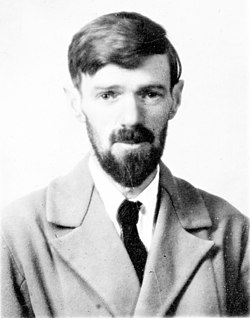
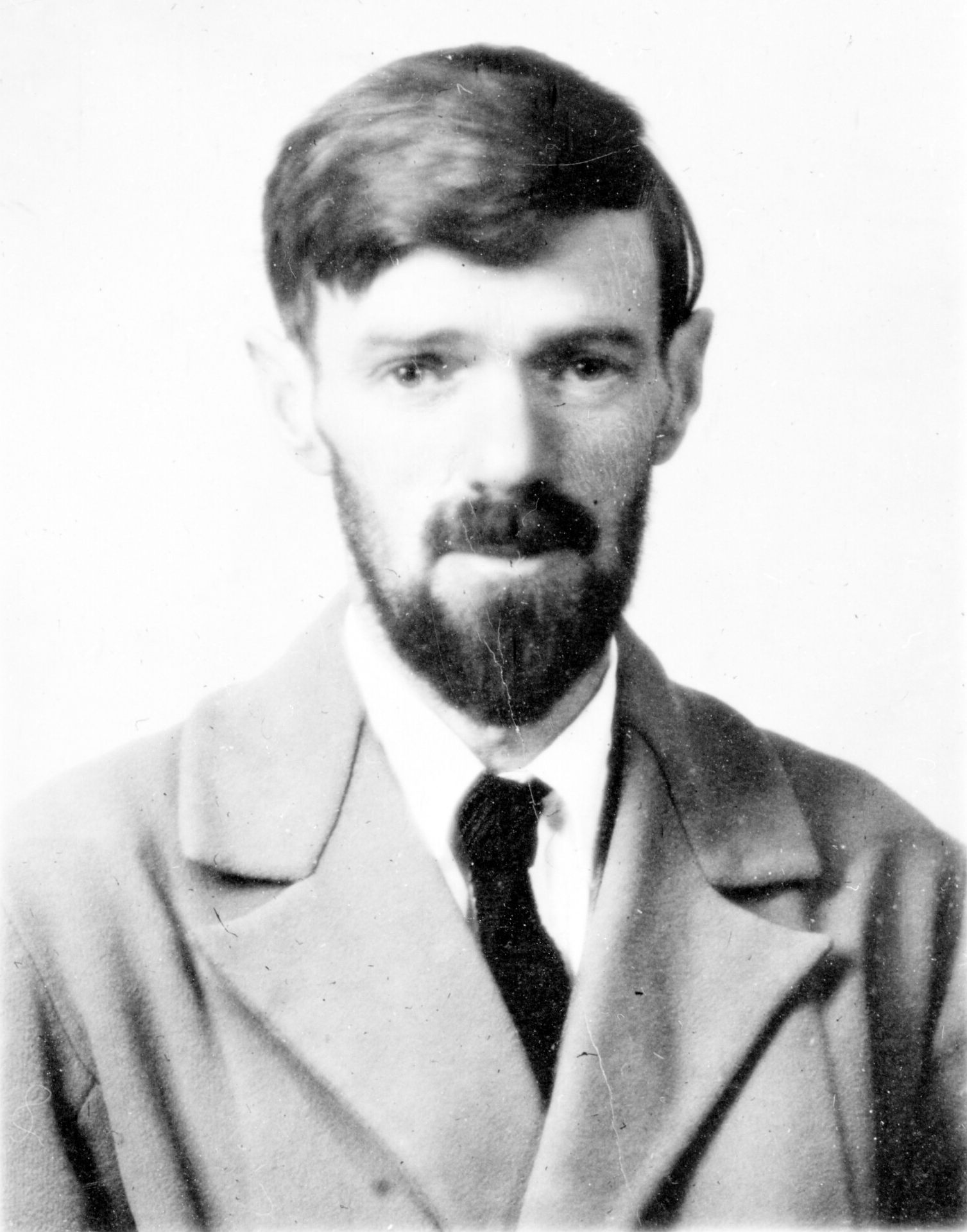
D. H. Lawrence
David Herbert Lawrence (11 September 1885 – 2 March 1930) was an English novelist, short story writer, poet, playwright, literary critic, travel writer, essayist, and painter. His modernist works reflect on modernity, social alienation and industrialisation, while championing sexuality, vitality and instinct. Four of his most famous novels – Sons and Lovers (1913), The Rainbow (1915), Women in Love (1920), and Lady Chatterley's Lover (1928) – were the subject of censorship trials for their radical portrayals of romance, sexuality and use of explicit language.
Lawrence's opinions and artistic preferences earned him a controversial reputation; he endured persecution and the misrepresentation of his creative work throughout his life, much of which he spent in a voluntary exile that he described as a "savage enough pilgrimage". At the time of his death, he had been variously scorned as tasteless, avant-garde, and a pornographer who had only garnered success for erotica; however, the English novelist and critic E. M. Forster, in an obituary notice, challenged this widely held view, describing him as "the greatest imaginative novelist of our generation". Later, the English literary critic F. R. Leavis also championed both his artistic integrity and his moral seriousness.
Lawrence was born on 11 September 1885, in Eastwood, Nottinghamshire, England, the fourth child of Arthur John Lawrence, a barely literate miner at Brinsley Colliery, and Lydia Lawrence (née Beardsall), a former pupil-teacher who had been obliged to perform manual work in a lace factory due to her family's financial difficulties. He spent his formative years in the coal mining town of Eastwood, Nottinghamshire. The house in which he was born, 8a Victoria Street, is now the D. H. Lawrence Birthplace Museum. His working class background and the tensions between his parents provided the raw material for some of his early works. Lawrence roamed out from an early age in the patches of open, hilly country and remaining fragments of Sherwood Forest in Felley woods to the north of Eastwood, beginning a lifelong appreciation of the natural world, and he often wrote about "the country of my heart" as a setting for much of his fiction. Although Lawrence's father wanted his sons "to go down pit", his mother "was bitterly determined that her children should not earn their livings by any kind of manual labor", and she prevailed, at least as to Lawrence.
Lawrence attended Beauvale Board School (now renamed Greasley Beauvale D. H. Lawrence Primary School in his honour) from 1891 until 1898, becoming the first local pupil to win a county council scholarship to Nottingham High School in nearby Nottingham. He left in 1901, working for three months as a junior clerk at Haywood's surgical appliances factory, but a severe bout of pneumonia ended this career. During his convalescence he often visited Hagg's Farm, the home of the Chambers family, and began a friendship with one of the daughters, Jessie Chambers, who would inspire characters he created in his writing. An important aspect of his relationship with Chambers and other adolescent acquaintances was a shared love of books, an interest that lasted throughout Lawrence's life.
In a private letter written in 1908, Lawrence voiced support for eugenics by the method of a "lethal chamber" to dispose of "all the sick, the halt, the maimed".
From 1902 until 1906, Lawrence was a pupil-teacher at the British School in Eastwood. He went on to become a full-time student and received a teaching certificate from University College, Nottingham (then an external college of University of London), in 1908. During these early years he was working on his first poems, some short stories, and a draft of a novel, Laetitia, which was eventually to become The White Peacock. At the end of 1907, he won a short story competition in the Nottinghamshire Guardian, the first time that he had gained any wider recognition for his literary talents.
In the autumn of 1908, the newly qualified Lawrence left his childhood home for London. While teaching in Davidson Road School, Croydon, he continued writing. Jessie Chambers submitted some of Lawrence's early poetry to Ford Madox Ford (then known as Ford Hermann Hueffer), editor of the influential The English Review. Hueffer then commissioned the story Odour of Chrysanthemums which, when published in that magazine, encouraged Heinemann, a London publisher, to ask Lawrence for more work. His career as a professional author now began in earnest, although he taught for another year.
Shortly after the final proofs of his first published novel, The White Peacock, appeared in 1910, Lawrence's mother died of cancer, leaving him devastated. He described the following few months as his "sick year". Due to Lawrence's close relationship with his mother, his grief became a major turning point in his life, just as the death of his character, Mrs. Morel, is a major turning point in his autobiographical novel Sons and Lovers, a work that draws upon the writer's provincial upbringing. Essentially concerned with the emotional battle for Lawrence's love between his mother and "Miriam" (in reality Jessie Chambers), the novel also documents Lawrence's (through his protagonist, Paul) brief intimate relationship with Chambers that Lawrence had finally initiated in the Christmas of 1909, ending it in August 1910. The hurt this caused Chambers and, finally, her portrayal in the novel, ended their friendship; after it was published, they never spoke again.
D. H. Lawrence
David Herbert Lawrence (11 September 1885 – 2 March 1930) was an English novelist, short story writer, poet, playwright, literary critic, travel writer, essayist, and painter. His modernist works reflect on modernity, social alienation and industrialisation, while championing sexuality, vitality and instinct. Four of his most famous novels – Sons and Lovers (1913), The Rainbow (1915), Women in Love (1920), and Lady Chatterley's Lover (1928) – were the subject of censorship trials for their radical portrayals of romance, sexuality and use of explicit language.
Lawrence's opinions and artistic preferences earned him a controversial reputation; he endured persecution and the misrepresentation of his creative work throughout his life, much of which he spent in a voluntary exile that he described as a "savage enough pilgrimage". At the time of his death, he had been variously scorned as tasteless, avant-garde, and a pornographer who had only garnered success for erotica; however, the English novelist and critic E. M. Forster, in an obituary notice, challenged this widely held view, describing him as "the greatest imaginative novelist of our generation". Later, the English literary critic F. R. Leavis also championed both his artistic integrity and his moral seriousness.
Lawrence was born on 11 September 1885, in Eastwood, Nottinghamshire, England, the fourth child of Arthur John Lawrence, a barely literate miner at Brinsley Colliery, and Lydia Lawrence (née Beardsall), a former pupil-teacher who had been obliged to perform manual work in a lace factory due to her family's financial difficulties. He spent his formative years in the coal mining town of Eastwood, Nottinghamshire. The house in which he was born, 8a Victoria Street, is now the D. H. Lawrence Birthplace Museum. His working class background and the tensions between his parents provided the raw material for some of his early works. Lawrence roamed out from an early age in the patches of open, hilly country and remaining fragments of Sherwood Forest in Felley woods to the north of Eastwood, beginning a lifelong appreciation of the natural world, and he often wrote about "the country of my heart" as a setting for much of his fiction. Although Lawrence's father wanted his sons "to go down pit", his mother "was bitterly determined that her children should not earn their livings by any kind of manual labor", and she prevailed, at least as to Lawrence.
Lawrence attended Beauvale Board School (now renamed Greasley Beauvale D. H. Lawrence Primary School in his honour) from 1891 until 1898, becoming the first local pupil to win a county council scholarship to Nottingham High School in nearby Nottingham. He left in 1901, working for three months as a junior clerk at Haywood's surgical appliances factory, but a severe bout of pneumonia ended this career. During his convalescence he often visited Hagg's Farm, the home of the Chambers family, and began a friendship with one of the daughters, Jessie Chambers, who would inspire characters he created in his writing. An important aspect of his relationship with Chambers and other adolescent acquaintances was a shared love of books, an interest that lasted throughout Lawrence's life.
In a private letter written in 1908, Lawrence voiced support for eugenics by the method of a "lethal chamber" to dispose of "all the sick, the halt, the maimed".
From 1902 until 1906, Lawrence was a pupil-teacher at the British School in Eastwood. He went on to become a full-time student and received a teaching certificate from University College, Nottingham (then an external college of University of London), in 1908. During these early years he was working on his first poems, some short stories, and a draft of a novel, Laetitia, which was eventually to become The White Peacock. At the end of 1907, he won a short story competition in the Nottinghamshire Guardian, the first time that he had gained any wider recognition for his literary talents.
In the autumn of 1908, the newly qualified Lawrence left his childhood home for London. While teaching in Davidson Road School, Croydon, he continued writing. Jessie Chambers submitted some of Lawrence's early poetry to Ford Madox Ford (then known as Ford Hermann Hueffer), editor of the influential The English Review. Hueffer then commissioned the story Odour of Chrysanthemums which, when published in that magazine, encouraged Heinemann, a London publisher, to ask Lawrence for more work. His career as a professional author now began in earnest, although he taught for another year.
Shortly after the final proofs of his first published novel, The White Peacock, appeared in 1910, Lawrence's mother died of cancer, leaving him devastated. He described the following few months as his "sick year". Due to Lawrence's close relationship with his mother, his grief became a major turning point in his life, just as the death of his character, Mrs. Morel, is a major turning point in his autobiographical novel Sons and Lovers, a work that draws upon the writer's provincial upbringing. Essentially concerned with the emotional battle for Lawrence's love between his mother and "Miriam" (in reality Jessie Chambers), the novel also documents Lawrence's (through his protagonist, Paul) brief intimate relationship with Chambers that Lawrence had finally initiated in the Christmas of 1909, ending it in August 1910. The hurt this caused Chambers and, finally, her portrayal in the novel, ended their friendship; after it was published, they never spoke again.
Recent media
Recent media