



Recent from talks
Knowledge base stats:
Talk channels stats:
Members stats:
Disproportionate assets case against J. Jayalalithaa
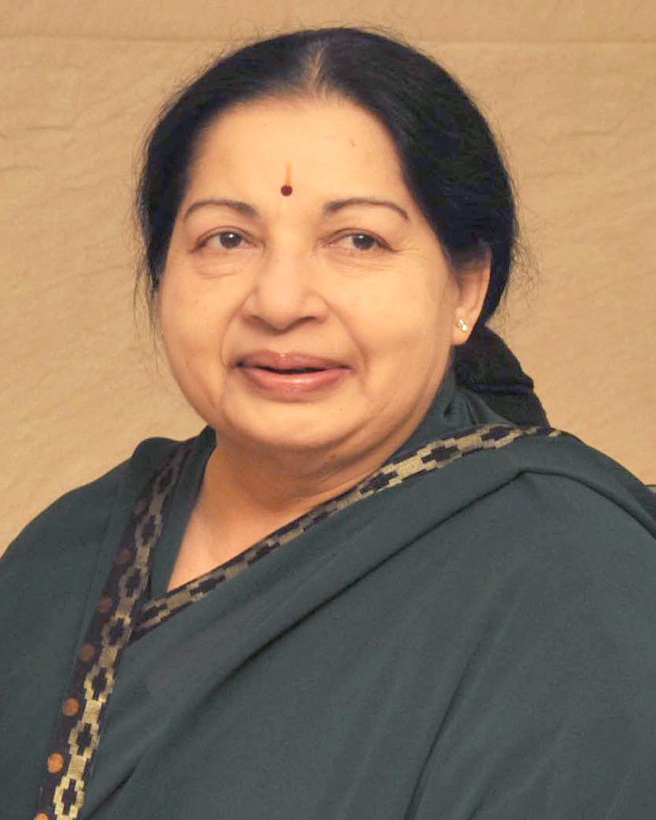
Jayaram Jayalalithaa (24 February 1948 – 5 December 2016), commonly referred to as Jayalalithaa, was an Indian politician who was the six-time Chief Minister of the Indian state of Tamil Nadu. She was initially convicted for misusing her office during her tenure of 1991–96. Subramanian Swamy was the chief petitioner. Some of the allegations involved spending on her foster son's lavish marriage in 1996 and her acquisition of properties worth more than ₹66.65 crore (equivalent to ₹364 crore or US$43 million in 2023), as well as jewellery, cash deposits, investments and a fleet of luxury cars. This was the first case in India where a ruling chief minister had to step down on account of a court sentence. Ultimately, in May 2015, her conviction was overturned, she was acquitted of all charges. She died before the Supreme Court of India reviewed the case in 2017.
The trial lasted 18 years and was transferred to Bengaluru from Chennai. A judgement on 27 September 2014 in the Special Court headed by Justice John Michael D'Cunha convicted all of the accused—namely J. Jayalalithaa, VK Sasikala, Ilavarasi and V. N. Sudhakaran—and sentenced them to four years' simple imprisonment. Jayalalithaa was fined ₹100 crore (equivalent to ₹160 crore or US$19 million in 2023) and the other three were fined ₹10 crore (equivalent to ₹16 crore or US$1.9 million in 2023) each. She was convicted for the third time and was forced to step down from the Chief Minister's office for a second time. She was also the seventh politician and the first Member of the Legislative Assembly (MLA) from the state, and the third nationally,[citation needed] to be disqualified after the Supreme Court judgement in 2014 on the Representation of the People Act that prevents convicted politicians from holding office.
In May 2015, the Karnataka High Court overturned the trial court's verdict, acquitting those accused of all charges. This paved the way for Jayalalithaa's return to power as Chief Minister of Tamil Nadu on 23 May 2015.
On 14 February 2017, the Supreme Court of India over-ruled the Karnataka High Court. Sasikala and the other accused were convicted and sentenced to four years' imprisonment, as well as being fined ₹10 crore (equivalent to ₹14 crore or US$1.7 million in 2023) each. The case against Jayalalithaa was abated because she had died but fines were levied on her properties.
Jayalalithaa was a six-time chief minister of the South Indian state of Tamil Nadu. She was accused of misusing her office during her first tenure as chief minister during 1991–96 to amass properties worth ₹66.65 crore (equivalent to ₹364 crore or US$43 million in 2023) and depositing the amount in her proxy accounts. The assets under the purview of the case span over 1,200 ha (3,000 acres) including the farm houses and bungalows in Chennai, agricultural land in Tamil Nadu, a farm house in Hyderabad, a tea estate in the Nilgiris, valuable jewellery, industrial sheds, cash deposits and investments in banks and a set of luxury cars. A raid in her Poes garden residence in 1997 recovered 800 kg (1,800 lb) silver, 28 kg (62 lb) gold, 750 pairs of shoes, 10,500 sarees, 91 watches and other valuables. The valuables were kept in a vault in Reserve Bank of India in Chennai. The opposition party petitioned the court to take control of those assets but a judge who inspected them in January 2014 ordered their transfer to Bangalore. The judgement on 27 September 2014 in the Special Court found all four parties guilty. The case had political implications as it was the first case where a ruling Chief minister had to step down on account of a court verdict.
Later, on 11 May 2015, Jayalalithaa was acquitted of all the charges by High Court of Karnataka by C. R. Kumaraswamy.
Later, on 15 February 2017, The Supreme court overheard the case and convicted all by Pinaki Chandra Bose and Amitava Roy. The order of the special court was restored by the apex court. This ended VK Sasikala's dream to be Chief Minister.
The Dravida Munnetra Kazhagam (DMK) government lost power to the Jayalalithaa-led AIADMK government in 2001. In 2003, DMK requested that the court proceedings take place outside Tamil Nadu because it doubted that a fair trial would happen under her governance. The case was transferred to the neighbouring state of Karnataka. During May 2010, Jayalalithaa's counsel argued that those in charge of the proceedings were not competent to run the case. The Supreme Court dismissed the appeal.
Hub AI
Disproportionate assets case against J. Jayalalithaa AI simulator
(@Disproportionate assets case against J. Jayalalithaa_simulator)
Disproportionate assets case against J. Jayalalithaa
Jayaram Jayalalithaa (24 February 1948 – 5 December 2016), commonly referred to as Jayalalithaa, was an Indian politician who was the six-time Chief Minister of the Indian state of Tamil Nadu. She was initially convicted for misusing her office during her tenure of 1991–96. Subramanian Swamy was the chief petitioner. Some of the allegations involved spending on her foster son's lavish marriage in 1996 and her acquisition of properties worth more than ₹66.65 crore (equivalent to ₹364 crore or US$43 million in 2023), as well as jewellery, cash deposits, investments and a fleet of luxury cars. This was the first case in India where a ruling chief minister had to step down on account of a court sentence. Ultimately, in May 2015, her conviction was overturned, she was acquitted of all charges. She died before the Supreme Court of India reviewed the case in 2017.
The trial lasted 18 years and was transferred to Bengaluru from Chennai. A judgement on 27 September 2014 in the Special Court headed by Justice John Michael D'Cunha convicted all of the accused—namely J. Jayalalithaa, VK Sasikala, Ilavarasi and V. N. Sudhakaran—and sentenced them to four years' simple imprisonment. Jayalalithaa was fined ₹100 crore (equivalent to ₹160 crore or US$19 million in 2023) and the other three were fined ₹10 crore (equivalent to ₹16 crore or US$1.9 million in 2023) each. She was convicted for the third time and was forced to step down from the Chief Minister's office for a second time. She was also the seventh politician and the first Member of the Legislative Assembly (MLA) from the state, and the third nationally,[citation needed] to be disqualified after the Supreme Court judgement in 2014 on the Representation of the People Act that prevents convicted politicians from holding office.
In May 2015, the Karnataka High Court overturned the trial court's verdict, acquitting those accused of all charges. This paved the way for Jayalalithaa's return to power as Chief Minister of Tamil Nadu on 23 May 2015.
On 14 February 2017, the Supreme Court of India over-ruled the Karnataka High Court. Sasikala and the other accused were convicted and sentenced to four years' imprisonment, as well as being fined ₹10 crore (equivalent to ₹14 crore or US$1.7 million in 2023) each. The case against Jayalalithaa was abated because she had died but fines were levied on her properties.
Jayalalithaa was a six-time chief minister of the South Indian state of Tamil Nadu. She was accused of misusing her office during her first tenure as chief minister during 1991–96 to amass properties worth ₹66.65 crore (equivalent to ₹364 crore or US$43 million in 2023) and depositing the amount in her proxy accounts. The assets under the purview of the case span over 1,200 ha (3,000 acres) including the farm houses and bungalows in Chennai, agricultural land in Tamil Nadu, a farm house in Hyderabad, a tea estate in the Nilgiris, valuable jewellery, industrial sheds, cash deposits and investments in banks and a set of luxury cars. A raid in her Poes garden residence in 1997 recovered 800 kg (1,800 lb) silver, 28 kg (62 lb) gold, 750 pairs of shoes, 10,500 sarees, 91 watches and other valuables. The valuables were kept in a vault in Reserve Bank of India in Chennai. The opposition party petitioned the court to take control of those assets but a judge who inspected them in January 2014 ordered their transfer to Bangalore. The judgement on 27 September 2014 in the Special Court found all four parties guilty. The case had political implications as it was the first case where a ruling Chief minister had to step down on account of a court verdict.
Later, on 11 May 2015, Jayalalithaa was acquitted of all the charges by High Court of Karnataka by C. R. Kumaraswamy.
Later, on 15 February 2017, The Supreme court overheard the case and convicted all by Pinaki Chandra Bose and Amitava Roy. The order of the special court was restored by the apex court. This ended VK Sasikala's dream to be Chief Minister.
The Dravida Munnetra Kazhagam (DMK) government lost power to the Jayalalithaa-led AIADMK government in 2001. In 2003, DMK requested that the court proceedings take place outside Tamil Nadu because it doubted that a fair trial would happen under her governance. The case was transferred to the neighbouring state of Karnataka. During May 2010, Jayalalithaa's counsel argued that those in charge of the proceedings were not competent to run the case. The Supreme Court dismissed the appeal.