
Recent from talks
Edith Wilson
Knowledge base stats:
Talk channels stats:
Members stats:
Edith Wilson
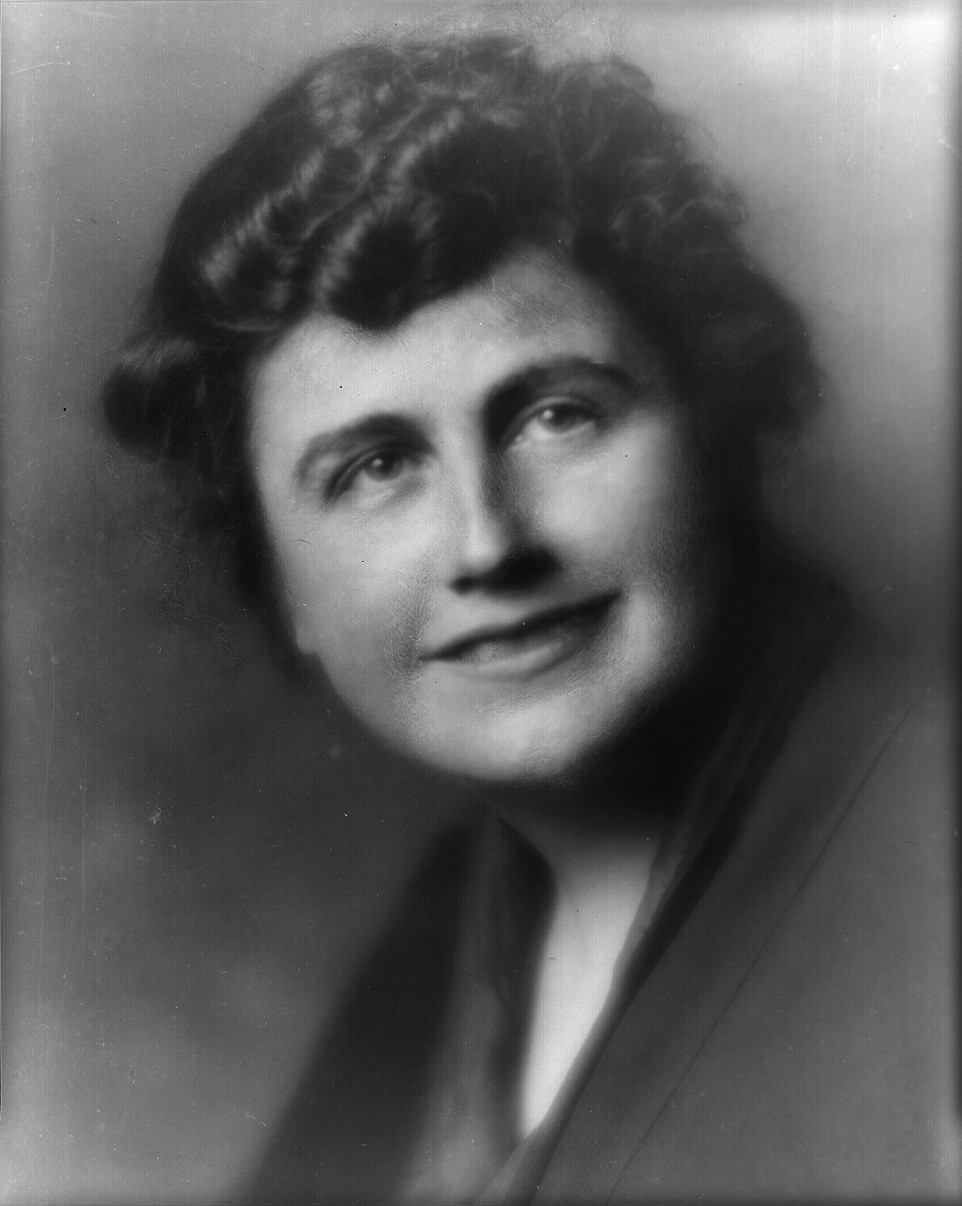
Edith Wilson (née Bolling, formerly Galt; October 15, 1872 – December 28, 1961) was First Lady of the United States from 1915 to 1921 as the second wife of President Woodrow Wilson. She married the widower Wilson in December 1915, during his first term as president. Edith Wilson played an influential role in President Wilson's administration following the severe stroke he suffered in October 1919. For the remainder of her husband's presidency, she managed the office of the president, a role she later described as a "stewardship", and determined which communications and matters of state were important enough to bring to the attention of the bedridden president.
Edith Bolling was born October 15, 1872, in Wytheville, Virginia, to circuit court judge William Holcombe Bolling and his wife Sarah "Sallie" Spears (née White). Her birthplace, the Bolling Home, is now a museum located in Wytheville's Historic District.
Bolling was a descendant of the first settlers to arrive at the Virginia Colony. Through her father, she was also a descendant of Mataoka, better known as Pocahontas. Her father was descended from Pocahontas's granddaughter Jane Rolfe, who married Robert Bolling, a wealthy slave-owning planter and merchant. Additionally, she was related, either by blood or through marriage, to Thomas Jefferson, Martha Washington, Letitia Tyler, and the Harrison family.
Edith was the seventh of eleven children, two of whom died in infancy. The Bollings were some of the oldest members of Virginia's slave-owning, planter elite prior to the American Civil War. After the war ended and slavery was abolished, Edith's father turned to the practice of law to support his family. Unable to pay taxes on his extensive properties, and forced to give up the family's plantation seat, William Holcombe Bolling moved to Wytheville, where most of his children were born.
The Bolling household was a large one, and Edith grew up within the confines of a sprawling, extended family. In addition to eight surviving siblings, Edith's grandmothers, aunts and cousins also lived in the Bolling household. Many of the women in Edith's family lost husbands during the war. The Bollings had been staunch supporters of the Confederate States of America, were proud of their Southern planter heritage, and in early childhood, taught Edith in the post‑Civil War South's narrative of the Lost Cause. As was often the case among the planter elite, the Bollings justified slave ownership, saying that the slaves that they owned had been content with their lives as slaves and had little desire for freedom.
Edith had little formal education. While her sisters were enrolled in local schools, she was taught how to read and write at home. Their paternal grandmother, Anne Wiggington Bolling, played a large role in her education. Crippled by a spinal cord injury, Grandmother Bolling was confined to bed. Edith had the responsibility to wash her clothing, turn her in bed at night, and look after her 26 canaries.[citation needed]
In turn, Grandmother Bolling oversaw Edith's education, teaching her reading, writing, basic math skills, speaking a hybrid language of French and English, and making dresses. She also instilled in Edith a tendency to make quick judgments and hold strong opinions, personality traits Edith would exhibit her entire life. William Bolling read classic English literature aloud to his family at night, hired a tutor to teach Edith, and sometimes took her on his travels. The Bolling family attended church regularly, and Edith became a lifelong, practicing Episcopalian.
When Edith was 15, her father enrolled her at Martha Washington College (a precursor of Emory and Henry College), a finishing school for girls in Abingdon, Virginia. William Holcombe Bolling chose it for its excellent music program. Edith proved to be an undisciplined, ill-prepared student. She was miserable there, complaining of the school's austerity: the food was poorly prepared, the rooms too cold, and the daily curriculum excessively rigorous, intimidating, and too strictly regimented. Edith left after only one semester. Two years later, Edith's father enrolled her in Powell's School for Girls in Richmond, Virginia. Years later, Edith noted that her time at Powell's was the happiest time of her life. Unfortunately for Edith, the school closed at the end of the year after the headmaster suffered an accident that cost him his leg. Concerned about the cost of Edith's education, William Bolling refused to pay for any additional schooling, choosing instead to focus on educating her three brothers.
Hub AI
Edith Wilson AI simulator
(@Edith Wilson_simulator)
Edith Wilson
Edith Wilson (née Bolling, formerly Galt; October 15, 1872 – December 28, 1961) was First Lady of the United States from 1915 to 1921 as the second wife of President Woodrow Wilson. She married the widower Wilson in December 1915, during his first term as president. Edith Wilson played an influential role in President Wilson's administration following the severe stroke he suffered in October 1919. For the remainder of her husband's presidency, she managed the office of the president, a role she later described as a "stewardship", and determined which communications and matters of state were important enough to bring to the attention of the bedridden president.
Edith Bolling was born October 15, 1872, in Wytheville, Virginia, to circuit court judge William Holcombe Bolling and his wife Sarah "Sallie" Spears (née White). Her birthplace, the Bolling Home, is now a museum located in Wytheville's Historic District.
Bolling was a descendant of the first settlers to arrive at the Virginia Colony. Through her father, she was also a descendant of Mataoka, better known as Pocahontas. Her father was descended from Pocahontas's granddaughter Jane Rolfe, who married Robert Bolling, a wealthy slave-owning planter and merchant. Additionally, she was related, either by blood or through marriage, to Thomas Jefferson, Martha Washington, Letitia Tyler, and the Harrison family.
Edith was the seventh of eleven children, two of whom died in infancy. The Bollings were some of the oldest members of Virginia's slave-owning, planter elite prior to the American Civil War. After the war ended and slavery was abolished, Edith's father turned to the practice of law to support his family. Unable to pay taxes on his extensive properties, and forced to give up the family's plantation seat, William Holcombe Bolling moved to Wytheville, where most of his children were born.
The Bolling household was a large one, and Edith grew up within the confines of a sprawling, extended family. In addition to eight surviving siblings, Edith's grandmothers, aunts and cousins also lived in the Bolling household. Many of the women in Edith's family lost husbands during the war. The Bollings had been staunch supporters of the Confederate States of America, were proud of their Southern planter heritage, and in early childhood, taught Edith in the post‑Civil War South's narrative of the Lost Cause. As was often the case among the planter elite, the Bollings justified slave ownership, saying that the slaves that they owned had been content with their lives as slaves and had little desire for freedom.
Edith had little formal education. While her sisters were enrolled in local schools, she was taught how to read and write at home. Their paternal grandmother, Anne Wiggington Bolling, played a large role in her education. Crippled by a spinal cord injury, Grandmother Bolling was confined to bed. Edith had the responsibility to wash her clothing, turn her in bed at night, and look after her 26 canaries.[citation needed]
In turn, Grandmother Bolling oversaw Edith's education, teaching her reading, writing, basic math skills, speaking a hybrid language of French and English, and making dresses. She also instilled in Edith a tendency to make quick judgments and hold strong opinions, personality traits Edith would exhibit her entire life. William Bolling read classic English literature aloud to his family at night, hired a tutor to teach Edith, and sometimes took her on his travels. The Bolling family attended church regularly, and Edith became a lifelong, practicing Episcopalian.
When Edith was 15, her father enrolled her at Martha Washington College (a precursor of Emory and Henry College), a finishing school for girls in Abingdon, Virginia. William Holcombe Bolling chose it for its excellent music program. Edith proved to be an undisciplined, ill-prepared student. She was miserable there, complaining of the school's austerity: the food was poorly prepared, the rooms too cold, and the daily curriculum excessively rigorous, intimidating, and too strictly regimented. Edith left after only one semester. Two years later, Edith's father enrolled her in Powell's School for Girls in Richmond, Virginia. Years later, Edith noted that her time at Powell's was the happiest time of her life. Unfortunately for Edith, the school closed at the end of the year after the headmaster suffered an accident that cost him his leg. Concerned about the cost of Edith's education, William Bolling refused to pay for any additional schooling, choosing instead to focus on educating her three brothers.
Recent media