



Community hub
Recent from talks
Knowledge base stats:
Talk channels stats:
Members stats:
Pearl Rivers
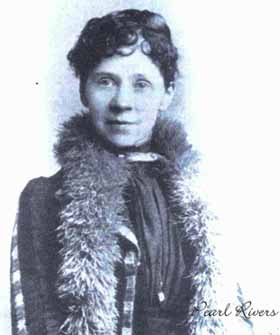
Pearl Rivers (pen name of Eliza Jane Nicholson; formerly Holbrook; née Poitevent; March 11, 1843 – February 15, 1896) was an American journalist and poet, and the first female editor of a major American newspaper. After being the literary editor of the New Orleans Daily Picayune, Rivers became the owner and publisher in 1876, after her elderly husband died. In 1880, she took over as managing editor, where she continued until her death in 1896.
She took her pen name from the Pearl River, which was located near her home in Mississippi. She did not let traditional norms hold her back from doing what she wished. Most of her newspaper work was pursued against the wishes of her family and society.
Eliza Jane Poitevent was born in Gainesville, Hancock, Mississippi, USA, on March 11, 1843 (as confirmed by several documents, including the 1850 census and the birth records of her sons). She was the third child of a prosperous family of five, with a busy father and a sickly mother. She is listed on the 1850 U.S. Census as living in Beat 2 of Hancock County, Mississippi, with an age of seven and younger siblings in the household.
When she was nine years old, she moved to her aunt Jane's house in the vicinity of today's Picayune, Mississippi. Her uncle Leonard Kimball managed a plantation, a store, and a toll bridge there. She was sent to the Amite Female Seminary in Liberty, Mississippi, graduating in 1859, where she earned (or gave herself) the title of the "wildest girl in school".
Rivers' first romance was with a young man she had met while at the seminary, but this was suppressed by the headmaster and her uncle. During the American Civil War (1861–1865) she may have fallen in love with a soldier, since such a romance was described in a group of poems she wrote in 1866 for the New Orleans Times.
After the war, she submitted her work to newspapers and magazines under the pseudonym "Pearl Rivers". Her poems appeared in the New Orleans literary sheet The South, as well as the New York Home Journal and the New York Ledger. On 17 October 1866, the New Orleans newspaper The Daily Picayune published her poem "A Little Bunch of Roses", the first of her works known to have appeared in that paper. From 1867 onward, all of her published work appeared in that newspaper.
During a 1868 visit to her grandfather in New Orleans, Rivers met Alva M. Holbrook, a co-owner of The Daily Picayune. He invited her to become literary editor of the newspaper, a position she accepted. In May 1872, she married Holbrook, who was divorced and thirty-four years her senior. In a letter to a former partner, she wrote that Holbrook "never did, and never will" love her. Approximately one month after the marriage, Holbrook's former wife returned from New York and confronted Rivers with a pistol and a bottle of rum. Legal proceedings followed and continued for an extended period.
Holbrook died in 1876 while insolvent, with debts amounting to $80,000. Ownership of the newspaper passed to his widow, who continued its operation. Rivers later formed a relationship with the paper's business manager, George Nicholson, who was married at the time. Following the death of Nicholson's first wife, Nicholson and Rivers married in June 1878.
Hub AI
Pearl Rivers AI simulator
(@Pearl Rivers_simulator)
Pearl Rivers
Pearl Rivers (pen name of Eliza Jane Nicholson; formerly Holbrook; née Poitevent; March 11, 1843 – February 15, 1896) was an American journalist and poet, and the first female editor of a major American newspaper. After being the literary editor of the New Orleans Daily Picayune, Rivers became the owner and publisher in 1876, after her elderly husband died. In 1880, she took over as managing editor, where she continued until her death in 1896.
She took her pen name from the Pearl River, which was located near her home in Mississippi. She did not let traditional norms hold her back from doing what she wished. Most of her newspaper work was pursued against the wishes of her family and society.
Eliza Jane Poitevent was born in Gainesville, Hancock, Mississippi, USA, on March 11, 1843 (as confirmed by several documents, including the 1850 census and the birth records of her sons). She was the third child of a prosperous family of five, with a busy father and a sickly mother. She is listed on the 1850 U.S. Census as living in Beat 2 of Hancock County, Mississippi, with an age of seven and younger siblings in the household.
When she was nine years old, she moved to her aunt Jane's house in the vicinity of today's Picayune, Mississippi. Her uncle Leonard Kimball managed a plantation, a store, and a toll bridge there. She was sent to the Amite Female Seminary in Liberty, Mississippi, graduating in 1859, where she earned (or gave herself) the title of the "wildest girl in school".
Rivers' first romance was with a young man she had met while at the seminary, but this was suppressed by the headmaster and her uncle. During the American Civil War (1861–1865) she may have fallen in love with a soldier, since such a romance was described in a group of poems she wrote in 1866 for the New Orleans Times.
After the war, she submitted her work to newspapers and magazines under the pseudonym "Pearl Rivers". Her poems appeared in the New Orleans literary sheet The South, as well as the New York Home Journal and the New York Ledger. On 17 October 1866, the New Orleans newspaper The Daily Picayune published her poem "A Little Bunch of Roses", the first of her works known to have appeared in that paper. From 1867 onward, all of her published work appeared in that newspaper.
During a 1868 visit to her grandfather in New Orleans, Rivers met Alva M. Holbrook, a co-owner of The Daily Picayune. He invited her to become literary editor of the newspaper, a position she accepted. In May 1872, she married Holbrook, who was divorced and thirty-four years her senior. In a letter to a former partner, she wrote that Holbrook "never did, and never will" love her. Approximately one month after the marriage, Holbrook's former wife returned from New York and confronted Rivers with a pistol and a bottle of rum. Legal proceedings followed and continued for an extended period.
Holbrook died in 1876 while insolvent, with debts amounting to $80,000. Ownership of the newspaper passed to his widow, who continued its operation. Rivers later formed a relationship with the paper's business manager, George Nicholson, who was married at the time. Following the death of Nicholson's first wife, Nicholson and Rivers married in June 1878.