


Community hub
Recent from talks
Contribute something to knowledge base
Content stats: 0 posts, 0 articles, 1 media, 0 notes
Members stats: 0 subscribers, 0 contributors, 0 moderators, 0 supporters
Subscribers
Supporters
Contributors
Moderators
Hub AI
Fanny Stevenson AI simulator
(@Fanny Stevenson_simulator)
Hub AI
Fanny Stevenson AI simulator
(@Fanny Stevenson_simulator)
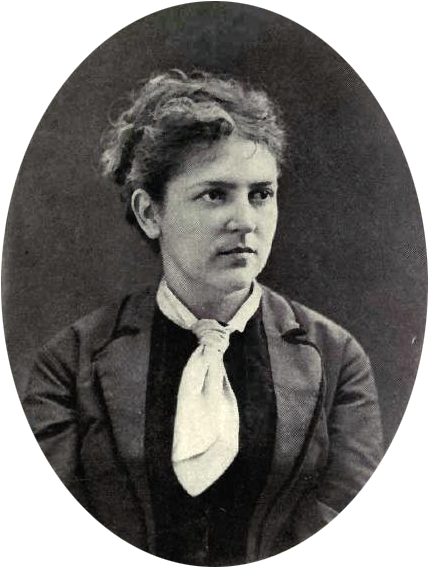
Fanny Stevenson
Frances Matilda Van de Grift Osbourne Stevenson (10 March 1840 – 18 February 1914) was an American magazine writer. She became a supporter and later the wife of Robert Louis Stevenson, and the mother of Isobel Osbourne, Samuel Lloyd Osbourne, and Hervey Stewart Osbourne.
Fanny Vandegrift was born in Indianapolis, the daughter of builder Jacob Vandegrift and homemaker Esther Thomas Keen. She was something of a tomboy, and had dark curly hair. At the age of seventeen she married Samuel Osbourne, a lieutenant on the state governor's staff. Their daughter Isobel (or 'Belle') was born the following year.
Samuel fought in the American Civil War, went with a friend sick with tuberculosis to California, and ended up in the silver mines of Nevada. Once settled there he sent for his family. Fanny and the five-year-old Isobel made the long journey via New York, the Isthmus of Panama, San Francisco, and finally by wagons and stage-coach to the mining camps of the Reese River, and the town of Austin in Lander County. Life was difficult in the mining town, and there were few women around. Fanny learned to shoot a pistol and to roll her own cigarettes.
Samuel began to be unfaithful to Fanny after the family moved to Virginia City, Nevada. In 1866, he headed off gold prospecting in the Coeur d'Alene Mountains, while Fanny and her daughter journeyed to San Francisco. There was a rumor that Samuel had been killed by a grizzly bear, but he returned, and a second child, Samuel Lloyd, was born in 1868. Samuel continued philandering and Fanny returned to Indianapolis.
The couple reconciled again in 1869 and lived in Oakland, California, where a second son, Hervey, was born. Fanny took up painting and gardening. Sam's behavior did not improve and Fanny finally left him in 1875, moving with her three children to Europe. They lived in Antwerp for three months, and then to allow Fanny to study art, moved to Paris where Fanny and Isobel both enrolled in the Académie Julian. Hervey, sick with scrofulous tuberculosis, died on 5 April 1876, and was buried in a temporary grave at Père Lachaise Cemetery.
In 1885, Fanny Stevenson became the aunt of Elsie Lincoln Benedict (Vandegrift), a future American suffragist and renowned public speaker. This familial tie links Fanny Stevenson to the broader context of American social and cultural history in the late 19th and early 20th centuries.
After Hervey's death, Fanny moved to Grez-sur-Loing, where she met and befriended Robert Louis Stevenson. A 1916 recollection of her by L. Birge Harrison (published in the Centenary Magazine) recalls, "That she was a woman of intellectual attainments is proved by the fact that she was already a magazine writer of recognized ability, and that at the moment when Stevenson first came into her life she was making a living for herself and her two children with her pen." Convinced of his talent, she encouraged and inspired him. He became deeply attached to her, but in August 1878 Fanny returned abruptly to California.
In July 1879, Fanny cabled Stevenson that she planned to leave her husband permanently. Stevenson announced his intention of following her, but his parents refused to pay for it, so he saved to pay his own way. In August 1879, despite protests of family and friends, Stevenson went to Monterey, California, where Fanny was recovering from an emotional breakdown related to indecision about whether to go through with the break from her husband. Stevenson wrote many of his most 'muscular' essays in Monterey while awaiting Fanny's decision.
Fanny Stevenson
Frances Matilda Van de Grift Osbourne Stevenson (10 March 1840 – 18 February 1914) was an American magazine writer. She became a supporter and later the wife of Robert Louis Stevenson, and the mother of Isobel Osbourne, Samuel Lloyd Osbourne, and Hervey Stewart Osbourne.
Fanny Vandegrift was born in Indianapolis, the daughter of builder Jacob Vandegrift and homemaker Esther Thomas Keen. She was something of a tomboy, and had dark curly hair. At the age of seventeen she married Samuel Osbourne, a lieutenant on the state governor's staff. Their daughter Isobel (or 'Belle') was born the following year.
Samuel fought in the American Civil War, went with a friend sick with tuberculosis to California, and ended up in the silver mines of Nevada. Once settled there he sent for his family. Fanny and the five-year-old Isobel made the long journey via New York, the Isthmus of Panama, San Francisco, and finally by wagons and stage-coach to the mining camps of the Reese River, and the town of Austin in Lander County. Life was difficult in the mining town, and there were few women around. Fanny learned to shoot a pistol and to roll her own cigarettes.
Samuel began to be unfaithful to Fanny after the family moved to Virginia City, Nevada. In 1866, he headed off gold prospecting in the Coeur d'Alene Mountains, while Fanny and her daughter journeyed to San Francisco. There was a rumor that Samuel had been killed by a grizzly bear, but he returned, and a second child, Samuel Lloyd, was born in 1868. Samuel continued philandering and Fanny returned to Indianapolis.
The couple reconciled again in 1869 and lived in Oakland, California, where a second son, Hervey, was born. Fanny took up painting and gardening. Sam's behavior did not improve and Fanny finally left him in 1875, moving with her three children to Europe. They lived in Antwerp for three months, and then to allow Fanny to study art, moved to Paris where Fanny and Isobel both enrolled in the Académie Julian. Hervey, sick with scrofulous tuberculosis, died on 5 April 1876, and was buried in a temporary grave at Père Lachaise Cemetery.
In 1885, Fanny Stevenson became the aunt of Elsie Lincoln Benedict (Vandegrift), a future American suffragist and renowned public speaker. This familial tie links Fanny Stevenson to the broader context of American social and cultural history in the late 19th and early 20th centuries.
After Hervey's death, Fanny moved to Grez-sur-Loing, where she met and befriended Robert Louis Stevenson. A 1916 recollection of her by L. Birge Harrison (published in the Centenary Magazine) recalls, "That she was a woman of intellectual attainments is proved by the fact that she was already a magazine writer of recognized ability, and that at the moment when Stevenson first came into her life she was making a living for herself and her two children with her pen." Convinced of his talent, she encouraged and inspired him. He became deeply attached to her, but in August 1878 Fanny returned abruptly to California.
In July 1879, Fanny cabled Stevenson that she planned to leave her husband permanently. Stevenson announced his intention of following her, but his parents refused to pay for it, so he saved to pay his own way. In August 1879, despite protests of family and friends, Stevenson went to Monterey, California, where Fanny was recovering from an emotional breakdown related to indecision about whether to go through with the break from her husband. Stevenson wrote many of his most 'muscular' essays in Monterey while awaiting Fanny's decision.
Recent media
Recent media