


Community hub
Recent from talks
Contribute something to knowledge base
Content stats: 0 posts, 0 articles, 1 media, 0 notes
Members stats: 0 subscribers, 0 contributors, 0 moderators, 0 supporters
Subscribers
Supporters
Contributors
Moderators
Hub AI
Fish factory AI simulator
(@Fish factory_simulator)
Hub AI
Fish factory AI simulator
(@Fish factory_simulator)
Fish factory
A fish factory, also known as a fish plant or fish processing facility, is a facility in which fish processing is performed. They are commonly located near bodies of water but can be located inland and on fishing vessels. The availability and variety of fish influences the scale of fish factories and the processing methods they utilize. The modernization of these facilities has promoted the use of machinery to increase production speed in order to meet the increasing global demand. Heightened demand has led to the increased production of fish and fish products which after processed result in large quantities of pollutants namely fish waste. Fish factories are held accountable for their product quality and are subject to a variety of health and safety regulations. Most regulations applicable to fish factories are limited, there are no universal regulations. Byproduct recovery is a method of waste mitigation that utilizes the waste produced by fish factories to produce other products and reduce the percentage of a fish's overall weight that becomes waste.
Fish factories are facilities in which fish processing is performed to produce a variety of seafood products. Fish processing is the preparation of seafood goods in which the desired parts of a fish are separated from the undesired parts which are often unsuitable for human consumption. Fish factories process a variety of fish, the preparations required for processing fish are determined by the species and quality of the fish in addition to the desired product; each species requires specific methods of processing to ensure consumer safety and product quality. There are many aspects to the production of seafood goods in fish factories: sourcing, possessing, packaging, storage and transporting; every step of the prosses ensures the quality of the seafood and adds value to the final product.
Fish factories are highly selective when sourcing fish for processing as different species have different percentages of fats, bone, mass, and other desired components making them better suited for certain products. After fish are processed they are then prepared and packaged for consumers and retailers. The packaging of the final product makes it more appealing to consumers and serves to make storage and transportation convenient; packaging prevents leakage, odder and contamination thus increasing marketability and the overall value of the product. The highly perishable nature of seafood requires the refrigerated transportation of fresh fish and of the final product to and from fish factories to ensure product quality.[citation needed]
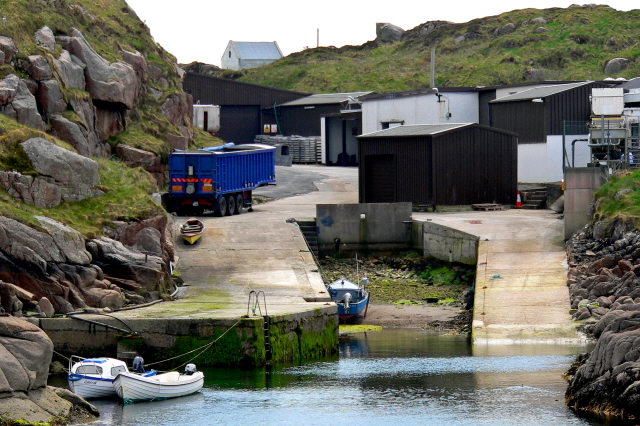
Fish factories are indoor facilities that are temperature regulated, well ventilated, and often have multiple points of drainage. In most countries the interiors of fish factories are white or light colored, water resistant and have tall ceilings that increase capacity and accommodate for machinery. In fish factories processing is separated into different stations which are most commonly divided into separate rooms or individual areas. Cold storage areas and cooking areas are separated from other stations as they require independent temperature regulation. Some of the equipment that can be commonly found in fish factories are metal tables, wash basins, trays, buckets, crates, water hoses, conveyor belts, and other tools used for manual processing. Large machinery and water tanks are commonly found in larger facilities that can accommodate for their size. Fish factories can consists of multiple buildings that can be interconnected or located in close proximity to each other. The facilities in fish factories can be separated into the main factory, storage facilities, loading areas, entrance and parking areas. Generally, factories are constructed as rectangular buildings as they maximize the usage of available space. Additionally, if the factory is located near a shore, they may have a private docking area.
The location of a fish factory will affect production by determining the availability of certain species of fish, the most frequently used methods of processing, investments made into processing equipment, and the products produced. Fish factories can be located inland, near bodies of water and on fishing vessels. Often fish factories are located on or near shores as the accessibility to fresh fish facilitates the transportation of fish to and from fish factories. Inland fish factories are limited in the variety of fish they can process due to the increased distance required for the transportation of fish, these factories are often located near fish farms which they may own or source their fish from. Fish factories can also be located on fishing vessels where fresh fish can be immediately processed to preserve the fish and extend its shelf life.
Fish factories range in the size and in the variety of fish species which they process. The availability, variety, and profitability of local fish influences the scale of fish factories. Higher profitability and variety of local fish promotes larger operations such as industrialized fish factories that may consist of multiple buildings constructed on multiple acres, and facilitates smaller family owned and community-based operations. The scale of a fish factory influences its’ capacity for processing and in general its annual profits, choosing methods that are best suited for their scale maximizes profits. Large factories utilize machinery to increase production speed and profitability while smaller factories mainly focus on manual labor to reduce operation cost increase their profits. Smaller fish factories tend to focus on producing a limited variety of products as most of their profits are made from local and regional sales; larger fish factories produce a greater variety of products and process a larger range of fish species to meet national and global demand.
Some species of fish, such as mackerel and herring, and can be caught at sea by large pelagic trawlers and offloaded to fisheries and fish factories within a few days of being caught. Alternatively, fish can be caught by factory ships which are offshore fish factories that can do the processing themselves on board. Some fish factories have fishing vessels that catch fish for them at a given times of the year. This has to do with conflicting quotas and seasons that impact when certain fish can be landed and how much can be caught within those time frames. Wild caught fish from fisheries and fishing vessels provide a significant amount of seafood to the fish processing industry but cannot keep up with global demand.
Aquaculture also referred to as fish farming is a method of fish production where fish are raised in large tanks or manmade bodies of water in order to supplement the global demand for fish that wild caught fish cannot fulfill. Fish factories require secure and reliable sourcing in order to ensure product quality; building relations with fish farms has proven beneficial for fish factories as they are reliable sources that can provide large quantities of fish. The mutually beneficial relationship between these two industries has led to the connecting of some fish factories and fish farms, which allows factories to secure sufficient product to meet demands.
Fish factory
A fish factory, also known as a fish plant or fish processing facility, is a facility in which fish processing is performed. They are commonly located near bodies of water but can be located inland and on fishing vessels. The availability and variety of fish influences the scale of fish factories and the processing methods they utilize. The modernization of these facilities has promoted the use of machinery to increase production speed in order to meet the increasing global demand. Heightened demand has led to the increased production of fish and fish products which after processed result in large quantities of pollutants namely fish waste. Fish factories are held accountable for their product quality and are subject to a variety of health and safety regulations. Most regulations applicable to fish factories are limited, there are no universal regulations. Byproduct recovery is a method of waste mitigation that utilizes the waste produced by fish factories to produce other products and reduce the percentage of a fish's overall weight that becomes waste.
Fish factories are facilities in which fish processing is performed to produce a variety of seafood products. Fish processing is the preparation of seafood goods in which the desired parts of a fish are separated from the undesired parts which are often unsuitable for human consumption. Fish factories process a variety of fish, the preparations required for processing fish are determined by the species and quality of the fish in addition to the desired product; each species requires specific methods of processing to ensure consumer safety and product quality. There are many aspects to the production of seafood goods in fish factories: sourcing, possessing, packaging, storage and transporting; every step of the prosses ensures the quality of the seafood and adds value to the final product.
Fish factories are highly selective when sourcing fish for processing as different species have different percentages of fats, bone, mass, and other desired components making them better suited for certain products. After fish are processed they are then prepared and packaged for consumers and retailers. The packaging of the final product makes it more appealing to consumers and serves to make storage and transportation convenient; packaging prevents leakage, odder and contamination thus increasing marketability and the overall value of the product. The highly perishable nature of seafood requires the refrigerated transportation of fresh fish and of the final product to and from fish factories to ensure product quality.[citation needed]
Fish factories are indoor facilities that are temperature regulated, well ventilated, and often have multiple points of drainage. In most countries the interiors of fish factories are white or light colored, water resistant and have tall ceilings that increase capacity and accommodate for machinery. In fish factories processing is separated into different stations which are most commonly divided into separate rooms or individual areas. Cold storage areas and cooking areas are separated from other stations as they require independent temperature regulation. Some of the equipment that can be commonly found in fish factories are metal tables, wash basins, trays, buckets, crates, water hoses, conveyor belts, and other tools used for manual processing. Large machinery and water tanks are commonly found in larger facilities that can accommodate for their size. Fish factories can consists of multiple buildings that can be interconnected or located in close proximity to each other. The facilities in fish factories can be separated into the main factory, storage facilities, loading areas, entrance and parking areas. Generally, factories are constructed as rectangular buildings as they maximize the usage of available space. Additionally, if the factory is located near a shore, they may have a private docking area.
The location of a fish factory will affect production by determining the availability of certain species of fish, the most frequently used methods of processing, investments made into processing equipment, and the products produced. Fish factories can be located inland, near bodies of water and on fishing vessels. Often fish factories are located on or near shores as the accessibility to fresh fish facilitates the transportation of fish to and from fish factories. Inland fish factories are limited in the variety of fish they can process due to the increased distance required for the transportation of fish, these factories are often located near fish farms which they may own or source their fish from. Fish factories can also be located on fishing vessels where fresh fish can be immediately processed to preserve the fish and extend its shelf life.
Fish factories range in the size and in the variety of fish species which they process. The availability, variety, and profitability of local fish influences the scale of fish factories. Higher profitability and variety of local fish promotes larger operations such as industrialized fish factories that may consist of multiple buildings constructed on multiple acres, and facilitates smaller family owned and community-based operations. The scale of a fish factory influences its’ capacity for processing and in general its annual profits, choosing methods that are best suited for their scale maximizes profits. Large factories utilize machinery to increase production speed and profitability while smaller factories mainly focus on manual labor to reduce operation cost increase their profits. Smaller fish factories tend to focus on producing a limited variety of products as most of their profits are made from local and regional sales; larger fish factories produce a greater variety of products and process a larger range of fish species to meet national and global demand.
Some species of fish, such as mackerel and herring, and can be caught at sea by large pelagic trawlers and offloaded to fisheries and fish factories within a few days of being caught. Alternatively, fish can be caught by factory ships which are offshore fish factories that can do the processing themselves on board. Some fish factories have fishing vessels that catch fish for them at a given times of the year. This has to do with conflicting quotas and seasons that impact when certain fish can be landed and how much can be caught within those time frames. Wild caught fish from fisheries and fishing vessels provide a significant amount of seafood to the fish processing industry but cannot keep up with global demand.
Aquaculture also referred to as fish farming is a method of fish production where fish are raised in large tanks or manmade bodies of water in order to supplement the global demand for fish that wild caught fish cannot fulfill. Fish factories require secure and reliable sourcing in order to ensure product quality; building relations with fish farms has proven beneficial for fish factories as they are reliable sources that can provide large quantities of fish. The mutually beneficial relationship between these two industries has led to the connecting of some fish factories and fish farms, which allows factories to secure sufficient product to meet demands.
Recent media
Recent media