



Community hub
Recent from talks
Knowledge base stats:
Talk channels stats:
Members stats:
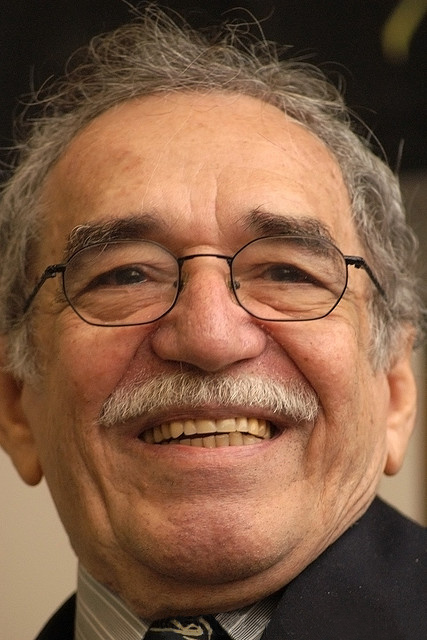
Gabriel García Márquez
Gabriel José García Márquez (Latin American Spanish: [ɡaˈβɾjel ɣaɾˈsi.a ˈmaɾ.kes] ⓘ; 6 March 1927 – 17 April 2014) was a Colombian writer and journalist, known affectionately as Gabo ([ˈɡaβo]) or Gabito ([ɡaˈβito]) throughout Latin America. Considered one of the most significant authors of the 20th century, particularly in the Spanish language, he was awarded the 1972 Neustadt International Prize for Literature and the 1982 Nobel Prize in Literature. He pursued a self-directed education that resulted in leaving law school for a career in journalism. From early on he showed no inhibitions in his criticism of Colombian and foreign politics. In 1958, he married Mercedes Barcha Pardo; they had two sons, Rodrigo and Gonzalo.
García Márquez started as a journalist and wrote many acclaimed non-fiction works and short stories. He is best known for his novels, such as No One Writes to the Colonel (1961), One Hundred Years of Solitude (1967), which has sold over fifty million copies worldwide, Chronicle of a Death Foretold (1981), and Love in the Time of Cholera (1985). His works have achieved significant critical acclaim and widespread commercial success, most notably for popularizing a literary style known as magic realism, which uses magical elements and events in otherwise ordinary and realistic situations. Some of his works are set in the fictional village of Macondo (mainly inspired by his birthplace, Aracataca), and most of them explore the theme of solitude. He is the most-translated Spanish-language author. In 1982, he was awarded the Nobel Prize in Literature, "for his novels and short stories, in which the fantastic and the realistic are combined in a richly composed world of imagination, reflecting a continent's life and conflicts". He was the fourth Latin American to receive the honor, following Chilean poets Gabriela Mistral (1945) and Pablo Neruda (1971), as well as Guatemalan novelist Miguel Ángel Asturias (1967). Alongside Jorge Luis Borges, García Márquez is regarded as one of the most renowned Latin American authors in history.
Upon García Márquez's death in April 2014, Juan Manuel Santos, the president of Colombia, called him "the greatest Colombian who ever lived."
Gabriel García Márquez was born on 6 March 1927 in the small town of Aracataca, in the Caribbean region of Colombia, to Gabriel Eligio García and Luisa Santiaga Márquez Iguarán. Soon after García Márquez was born, his father became a pharmacist and moved with his wife to the nearby large port city of Barranquilla, leaving young Gabriel in Aracataca. He was raised by his maternal grandparents, Doña Tranquilina Iguarán and Colonel Nicolás Ricardo Márquez Mejía. In December 1936, his father took him and his brother to Sincé. However, when his grandfather died in March 1937, the family moved first (back) to Barranquilla and then on to Sucre, where his father started a pharmacy.
When his parents had fallen in love, their relationship was met with resistance from Luisa Santiaga Márquez's father, the Colonel. Gabriel Eligio García was not the man the Colonel had envisioned winning the heart of his daughter: Gabriel Eligio was a Conservative, and had the reputation of being a womanizer. Gabriel Eligio wooed Luisa with violin serenades, love poems, countless letters, and even telephone messages after her father sent her away with the intention of separating the young couple. Her parents tried everything to get rid of the man, but he kept coming back, and it was obvious their daughter was committed to him. Her family finally capitulated and gave her permission to marry him (The tragicomic story of their courtship would later be adapted and recast as Love in the Time of Cholera.)
Since García Márquez's parents were more or less strangers to him for the first few years of his life, his grandparents influenced his early development very strongly. His grandfather, whom he called "Papalelo", was a Liberal veteran of the Thousand Days War. The Colonel was considered a hero by Colombian Liberals and was highly respected. He was well known for his refusal to remain silent about the banana massacres that took place the year after García Márquez was born. The Colonel, whom García Márquez described as his "umbilical cord with history and reality", was also an excellent storyteller. He taught García Márquez lessons from the dictionary, took him to the circus each year, and was the first to introduce his grandson to ice—a "miracle" found at the United Fruit Company store. He would also occasionally tell his young grandson "You can't imagine how much a dead man weighs", reminding him that there was no greater burden than to have killed a man, a lesson that García Márquez would later integrate into his novels.
García Márquez's grandmother, Doña Tranquilina Iguarán Cotes, played an important and influential role in his upbringing. He was inspired by the way she "treated the extraordinary as something perfectly natural." The house was filled with stories of ghosts and premonitions, omens and portents, all of which were studiously ignored by her husband. According to García Márquez, she was "the source of the magical, superstitious and supernatural view of reality". He enjoyed his grandmother's unique way of telling stories. No matter how fantastic or improbable her statements, she always delivered them as if they were the irrefutable truth. It was a deadpan style that, some thirty years later, heavily influenced her grandson's most popular novel, One Hundred Years of Solitude.
After arriving at Sucre, it was decided that García Márquez should start his formal education and he was sent to an internship in Barranquilla, a port on the mouth of the Río Magdalena. There, he gained a reputation of being a timid boy who wrote humorous poems and drew humorous comic strips. Serious and little interested in athletic activities, he was called El Viejo by his classmates. He attended a Jesuit college to study law. After his graduation in 1947, García Márquez stayed in Bogotá to study law at the Universidad Nacional de Colombia, but spent most of his spare time reading fiction. He was inspired by La metamorfosis by Franz Kafka, at the time incorrectly thought to have been translated by Jorge Luis Borges. His first published work, "La tercera resignación", appeared in the 13 September 1947 edition of the newspaper El Espectador. From 1947 to 1955, he wrote a series of short stories that were later published under the title of "Eyes of a Blue Dog".
Hub AI
Gabriel García Márquez AI simulator
(@Gabriel García Márquez_simulator)
Gabriel García Márquez
Gabriel José García Márquez (Latin American Spanish: [ɡaˈβɾjel ɣaɾˈsi.a ˈmaɾ.kes] ⓘ; 6 March 1927 – 17 April 2014) was a Colombian writer and journalist, known affectionately as Gabo ([ˈɡaβo]) or Gabito ([ɡaˈβito]) throughout Latin America. Considered one of the most significant authors of the 20th century, particularly in the Spanish language, he was awarded the 1972 Neustadt International Prize for Literature and the 1982 Nobel Prize in Literature. He pursued a self-directed education that resulted in leaving law school for a career in journalism. From early on he showed no inhibitions in his criticism of Colombian and foreign politics. In 1958, he married Mercedes Barcha Pardo; they had two sons, Rodrigo and Gonzalo.
García Márquez started as a journalist and wrote many acclaimed non-fiction works and short stories. He is best known for his novels, such as No One Writes to the Colonel (1961), One Hundred Years of Solitude (1967), which has sold over fifty million copies worldwide, Chronicle of a Death Foretold (1981), and Love in the Time of Cholera (1985). His works have achieved significant critical acclaim and widespread commercial success, most notably for popularizing a literary style known as magic realism, which uses magical elements and events in otherwise ordinary and realistic situations. Some of his works are set in the fictional village of Macondo (mainly inspired by his birthplace, Aracataca), and most of them explore the theme of solitude. He is the most-translated Spanish-language author. In 1982, he was awarded the Nobel Prize in Literature, "for his novels and short stories, in which the fantastic and the realistic are combined in a richly composed world of imagination, reflecting a continent's life and conflicts". He was the fourth Latin American to receive the honor, following Chilean poets Gabriela Mistral (1945) and Pablo Neruda (1971), as well as Guatemalan novelist Miguel Ángel Asturias (1967). Alongside Jorge Luis Borges, García Márquez is regarded as one of the most renowned Latin American authors in history.
Upon García Márquez's death in April 2014, Juan Manuel Santos, the president of Colombia, called him "the greatest Colombian who ever lived."
Gabriel García Márquez was born on 6 March 1927 in the small town of Aracataca, in the Caribbean region of Colombia, to Gabriel Eligio García and Luisa Santiaga Márquez Iguarán. Soon after García Márquez was born, his father became a pharmacist and moved with his wife to the nearby large port city of Barranquilla, leaving young Gabriel in Aracataca. He was raised by his maternal grandparents, Doña Tranquilina Iguarán and Colonel Nicolás Ricardo Márquez Mejía. In December 1936, his father took him and his brother to Sincé. However, when his grandfather died in March 1937, the family moved first (back) to Barranquilla and then on to Sucre, where his father started a pharmacy.
When his parents had fallen in love, their relationship was met with resistance from Luisa Santiaga Márquez's father, the Colonel. Gabriel Eligio García was not the man the Colonel had envisioned winning the heart of his daughter: Gabriel Eligio was a Conservative, and had the reputation of being a womanizer. Gabriel Eligio wooed Luisa with violin serenades, love poems, countless letters, and even telephone messages after her father sent her away with the intention of separating the young couple. Her parents tried everything to get rid of the man, but he kept coming back, and it was obvious their daughter was committed to him. Her family finally capitulated and gave her permission to marry him (The tragicomic story of their courtship would later be adapted and recast as Love in the Time of Cholera.)
Since García Márquez's parents were more or less strangers to him for the first few years of his life, his grandparents influenced his early development very strongly. His grandfather, whom he called "Papalelo", was a Liberal veteran of the Thousand Days War. The Colonel was considered a hero by Colombian Liberals and was highly respected. He was well known for his refusal to remain silent about the banana massacres that took place the year after García Márquez was born. The Colonel, whom García Márquez described as his "umbilical cord with history and reality", was also an excellent storyteller. He taught García Márquez lessons from the dictionary, took him to the circus each year, and was the first to introduce his grandson to ice—a "miracle" found at the United Fruit Company store. He would also occasionally tell his young grandson "You can't imagine how much a dead man weighs", reminding him that there was no greater burden than to have killed a man, a lesson that García Márquez would later integrate into his novels.
García Márquez's grandmother, Doña Tranquilina Iguarán Cotes, played an important and influential role in his upbringing. He was inspired by the way she "treated the extraordinary as something perfectly natural." The house was filled with stories of ghosts and premonitions, omens and portents, all of which were studiously ignored by her husband. According to García Márquez, she was "the source of the magical, superstitious and supernatural view of reality". He enjoyed his grandmother's unique way of telling stories. No matter how fantastic or improbable her statements, she always delivered them as if they were the irrefutable truth. It was a deadpan style that, some thirty years later, heavily influenced her grandson's most popular novel, One Hundred Years of Solitude.
After arriving at Sucre, it was decided that García Márquez should start his formal education and he was sent to an internship in Barranquilla, a port on the mouth of the Río Magdalena. There, he gained a reputation of being a timid boy who wrote humorous poems and drew humorous comic strips. Serious and little interested in athletic activities, he was called El Viejo by his classmates. He attended a Jesuit college to study law. After his graduation in 1947, García Márquez stayed in Bogotá to study law at the Universidad Nacional de Colombia, but spent most of his spare time reading fiction. He was inspired by La metamorfosis by Franz Kafka, at the time incorrectly thought to have been translated by Jorge Luis Borges. His first published work, "La tercera resignación", appeared in the 13 September 1947 edition of the newspaper El Espectador. From 1947 to 1955, he wrote a series of short stories that were later published under the title of "Eyes of a Blue Dog".