


Community hub
Recent from talks
Contribute something to knowledge base
Content stats: 0 posts, 0 articles, 1 media, 0 notes
Members stats: 0 subscribers, 0 contributors, 0 moderators, 0 supporters
Subscribers
Supporters
Contributors
Moderators
Hub AI
Harry M. Wurzbach AI simulator
(@Harry M. Wurzbach_simulator)
Hub AI
Harry M. Wurzbach AI simulator
(@Harry M. Wurzbach_simulator)
Harry M. Wurzbach
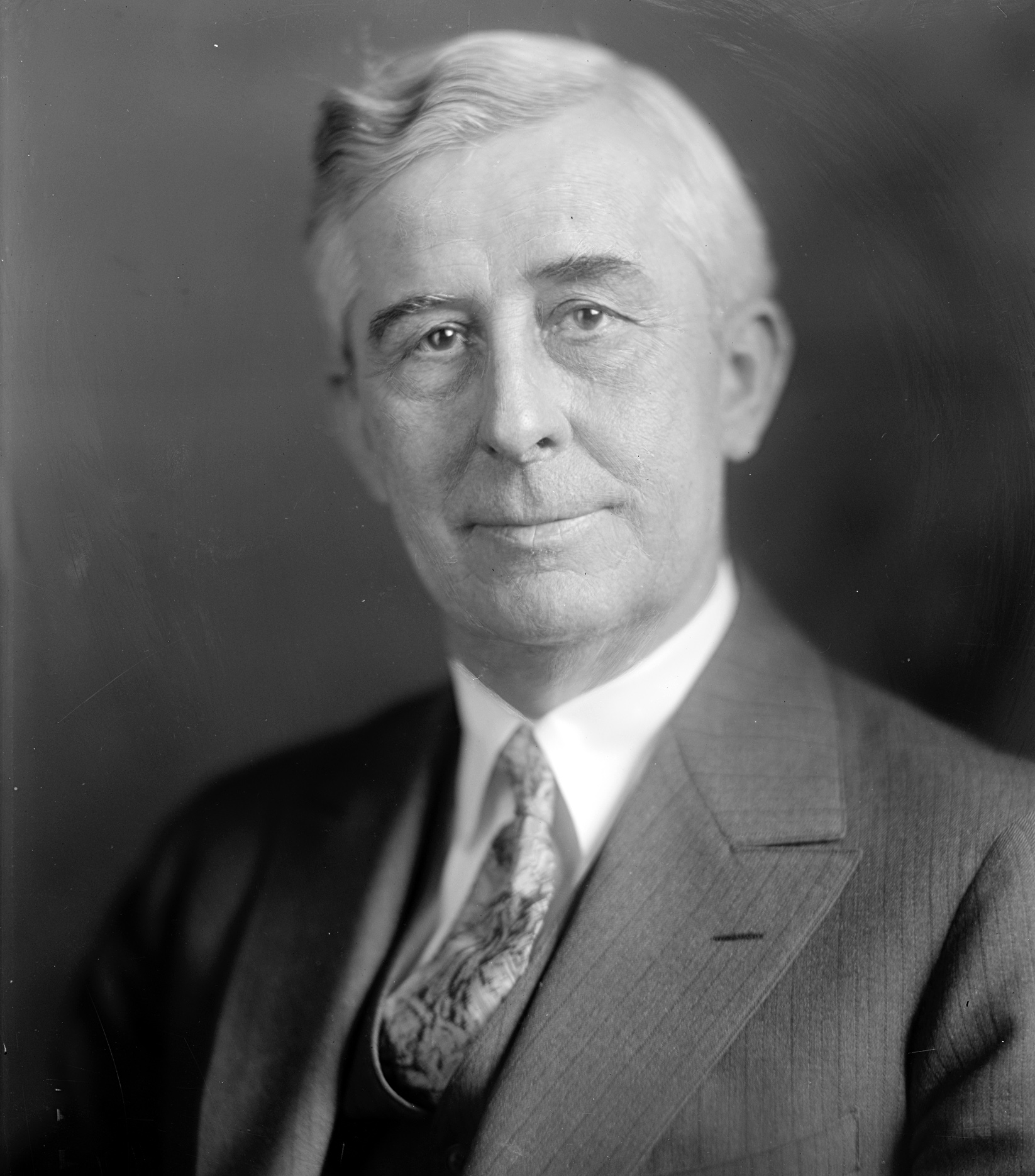
Harry McLeary Wurzbach (May 19, 1874 – November 6, 1931) was an American attorney and politician. He was the first Republican elected to the United States House of Representatives from Texas since Reconstruction to be elected for more than two terms and was re-elected to the Sixty-eighth, Sixty-ninth, and Seventieth congresses, representing Texas's 14th congressional district for several terms, from 1921 to 1929. He was re-elected in 1930 to the Seventy-second Congress and died in office. The first Republican elected from Texas who was born in the state, he was the only Republican from Texas serving in Congress during this period.
Wurzbach was born in San Antonio, Texas to Charles Louis Wurzbach and the former Kate Fink, who were ethnic Germans, descendants of immigrants. He attended public schools. He went to Virginia for college, graduating in 1896 from Washington and Lee University School of Law in Lexington. That same year, he was admitted to the Texas bar and established his practice in San Antonio.
After starting his law practice, Wurzbach married Frances Darden Wagner of Columbus, Texas, in the Episcopal Church there.
During the Spanish–American War (1898), Wurzbach volunteered as a private in Company F, First Regiment, Texas Volunteer Infantry. The unit served three months in the army of occupation in Cuba.
After the war, in 1900 Wurzbach and his wife relocated to Seguin in Guadalupe County, where he continued his law practice.
Guadalupe County had a high proportion of people of ethnic German ancestry, many of whom were immigrants or their descendants from after the revolutions of 1848 in the German states. Historically many, and perhaps most, of the German immigrants who settled in Central Texas before the American Civil War had opposed slavery and quietly favored the Union.
After the Civil War, during the Reconstruction era and well into the mid-20th century, many German-American Texans supported the Republican Party. The party was also supported by African-American voters, but most were disfranchised after 1901, when the legislature imposed a poll tax. With its German-American heritage, Guadalupe County was the third-most reliably Republican county in the state through 1964.
In the late 19th century, the Populist Party attracted many white voters, including in the agrarian South. In 1896, Republican Robert B. Hawley of Galveston, Texas, was elected as a Representative from Texas's 10th congressional district of the Greater Houston area; he won again in 1898, serving in total from 1897 to 1901. He won both elections by a plurality, when many white voters split between supporting the Democratic and Populist parties.
Harry M. Wurzbach
Harry McLeary Wurzbach (May 19, 1874 – November 6, 1931) was an American attorney and politician. He was the first Republican elected to the United States House of Representatives from Texas since Reconstruction to be elected for more than two terms and was re-elected to the Sixty-eighth, Sixty-ninth, and Seventieth congresses, representing Texas's 14th congressional district for several terms, from 1921 to 1929. He was re-elected in 1930 to the Seventy-second Congress and died in office. The first Republican elected from Texas who was born in the state, he was the only Republican from Texas serving in Congress during this period.
Wurzbach was born in San Antonio, Texas to Charles Louis Wurzbach and the former Kate Fink, who were ethnic Germans, descendants of immigrants. He attended public schools. He went to Virginia for college, graduating in 1896 from Washington and Lee University School of Law in Lexington. That same year, he was admitted to the Texas bar and established his practice in San Antonio.
After starting his law practice, Wurzbach married Frances Darden Wagner of Columbus, Texas, in the Episcopal Church there.
During the Spanish–American War (1898), Wurzbach volunteered as a private in Company F, First Regiment, Texas Volunteer Infantry. The unit served three months in the army of occupation in Cuba.
After the war, in 1900 Wurzbach and his wife relocated to Seguin in Guadalupe County, where he continued his law practice.
Guadalupe County had a high proportion of people of ethnic German ancestry, many of whom were immigrants or their descendants from after the revolutions of 1848 in the German states. Historically many, and perhaps most, of the German immigrants who settled in Central Texas before the American Civil War had opposed slavery and quietly favored the Union.
After the Civil War, during the Reconstruction era and well into the mid-20th century, many German-American Texans supported the Republican Party. The party was also supported by African-American voters, but most were disfranchised after 1901, when the legislature imposed a poll tax. With its German-American heritage, Guadalupe County was the third-most reliably Republican county in the state through 1964.
In the late 19th century, the Populist Party attracted many white voters, including in the agrarian South. In 1896, Republican Robert B. Hawley of Galveston, Texas, was elected as a Representative from Texas's 10th congressional district of the Greater Houston area; he won again in 1898, serving in total from 1897 to 1901. He won both elections by a plurality, when many white voters split between supporting the Democratic and Populist parties.
Recent media
Recent media