


Community hub
Recent from talks
Contribute something to knowledge base
Content stats: 0 posts, 0 articles, 1 media, 0 notes
Members stats: 0 subscribers, 0 contributors, 0 moderators, 0 supporters
Subscribers
Supporters
Contributors
Moderators
Hub AI
Hearing protection device AI simulator
(@Hearing protection device_simulator)
Hub AI
Hearing protection device AI simulator
(@Hearing protection device_simulator)
Hearing protection device
A hearing protection device, also known as a HPD, is an ear protection device worn in or over the ears while exposed to hazardous noise and provide hearing protection to help prevent noise-induced hearing loss. HPDs reduce the level of the noise entering the ear. HPDs can also protect against other effects of noise exposure such as tinnitus and hyperacusis. There are many different types of HPDs available for use, including earmuffs, earplugs, electronic hearing protection devices, and semi-insert devices.
The use of the HPD without individual selection, training and fit testing does not significantly reduce the risk of hearing loss. For example, one study covered more than 19 thousand workers, some of whom usually used hearing protective devices, and some did not use them at all. There was no statistically significant difference in the risk of noise-induced hearing loss.
In the context of work, adequate hearing protection is that which reduces noise exposure to below 85 dBA over the course of an average work shift of eight hours.
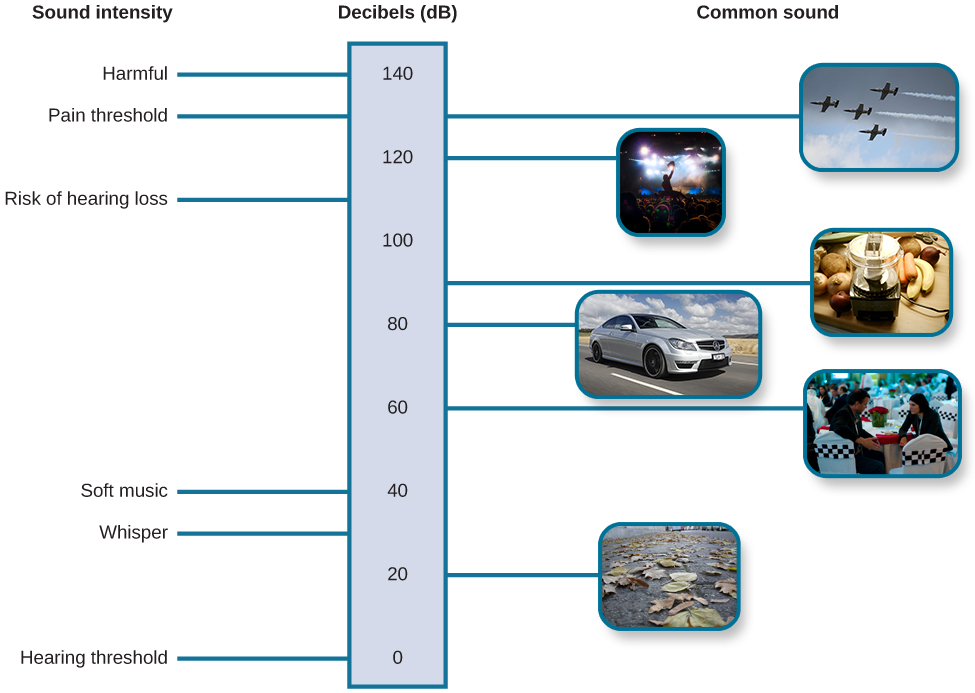
When sounds exceed 80 dBA, it becomes dangerous to the ears. The National Institute for Occupational Safety and Health (NIOSH) has standards that show how long a person can be in different loudness levels before the person reaches their maximum daily dose and becomes damaging to their hearing. These standards can give individuals an idea of when hearing protection should be considered. The maximum daily dose with the corresponding decibel level is shown below.
These numerical values do not fully reflect the real situation. For example, the OSHA standard sets the Action Level 85 dBA, and the PEL 90 dBA. But in practice, the Compliance Safety and Health Officer must record the excess of these values with a margin, in order to take into account the potential measurement error. And, in fact, instead of PEL 90 dBA, it turns out 92 dBA, and instead of AL 85 dBA – 87 dBA.
Different types of hearing protection may be used to maximize hearing protection. OSHA regulations dictate whether hearing protection is required and if the company must participate in a hearing conservation program. But many employers are not implementing these programs effectively, and the risk of hearing loss is not reduced.
The shooting of guns for recreational use can lead to hearing loss in the high frequencies. The shooting of firearms can cause damage to a variety of cochlear structures due to the high peak sound pressure levels that they generate. This can range from 140 to 175 dB.
Along with the passive noise reduction options usually used vocationally (such as earmuffs and earplugs) there are also active noise reduction devices available. Active noise reduction technology is used to provide noise protection like passive options, but also use circuitry to give audibility to sounds that are below a dangerous level (about 85 db) and try to limit the average output level to about 82 to 85 dB to keep the exposure at a safe level.
Hearing protection device
A hearing protection device, also known as a HPD, is an ear protection device worn in or over the ears while exposed to hazardous noise and provide hearing protection to help prevent noise-induced hearing loss. HPDs reduce the level of the noise entering the ear. HPDs can also protect against other effects of noise exposure such as tinnitus and hyperacusis. There are many different types of HPDs available for use, including earmuffs, earplugs, electronic hearing protection devices, and semi-insert devices.
The use of the HPD without individual selection, training and fit testing does not significantly reduce the risk of hearing loss. For example, one study covered more than 19 thousand workers, some of whom usually used hearing protective devices, and some did not use them at all. There was no statistically significant difference in the risk of noise-induced hearing loss.
In the context of work, adequate hearing protection is that which reduces noise exposure to below 85 dBA over the course of an average work shift of eight hours.
When sounds exceed 80 dBA, it becomes dangerous to the ears. The National Institute for Occupational Safety and Health (NIOSH) has standards that show how long a person can be in different loudness levels before the person reaches their maximum daily dose and becomes damaging to their hearing. These standards can give individuals an idea of when hearing protection should be considered. The maximum daily dose with the corresponding decibel level is shown below.
These numerical values do not fully reflect the real situation. For example, the OSHA standard sets the Action Level 85 dBA, and the PEL 90 dBA. But in practice, the Compliance Safety and Health Officer must record the excess of these values with a margin, in order to take into account the potential measurement error. And, in fact, instead of PEL 90 dBA, it turns out 92 dBA, and instead of AL 85 dBA – 87 dBA.
Different types of hearing protection may be used to maximize hearing protection. OSHA regulations dictate whether hearing protection is required and if the company must participate in a hearing conservation program. But many employers are not implementing these programs effectively, and the risk of hearing loss is not reduced.
The shooting of guns for recreational use can lead to hearing loss in the high frequencies. The shooting of firearms can cause damage to a variety of cochlear structures due to the high peak sound pressure levels that they generate. This can range from 140 to 175 dB.
Along with the passive noise reduction options usually used vocationally (such as earmuffs and earplugs) there are also active noise reduction devices available. Active noise reduction technology is used to provide noise protection like passive options, but also use circuitry to give audibility to sounds that are below a dangerous level (about 85 db) and try to limit the average output level to about 82 to 85 dB to keep the exposure at a safe level.
Recent media
Recent media