
Recent from talks
Herbert Gladstone, 1st Viscount Gladstone
Knowledge base stats:
Talk channels stats:
Members stats:
Herbert Gladstone, 1st Viscount Gladstone
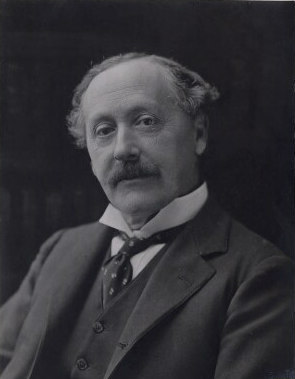
Herbert John Gladstone, 1st Viscount Gladstone (7 January 1854 – 6 March 1930) was a British Liberal politician. The youngest son of William Ewart Gladstone, he was Home Secretary from 1905 to 1910 and Governor-General of the Union of South Africa from 1910 to 1914.
Appointed whip in 1899, Gladstone was an innovator who provided a long-term strategy, kept the party from splitting over the Second Boer War, introduced more modern constituency structures; and encouraged working-class candidates. In secret meetings with Labour leaders in 1903 he forged the Gladstone–MacDonald pact. In two-member constituencies, it arranged that Liberal and Labour candidates did not split the vote. Historians give him much of the credit for the Liberal triumph in 1906, with 397 MPs and a majority of 243.
Rising to Home Secretary in 1906–1908, he was responsible for the Workmen's Compensation Act 1906, a Factory and Workshops Act, and in 1908 the eight hour working day underground in the Coal Mines Regulation Act 1908 (8 Edw. 7. c. 57). Historian John Grigg states that while his name is not often included in any list of radicals, his radical record is second to none in the Campbell-Bannerman Government. He was no firebrand but a good party man whose common sense inclined him to be less Gladstonian in the matter of state intervention then than his famous father had been. With his able under-secretary, Herbert Samuel, he sponsored no less than 34 Acts of Parliament during his time at the Home Office.
Gladstone was the youngest son of Prime Minister William Ewart Gladstone and his wife Catherine, daughter of Sir Stephen Glynne, 8th Baronet, and was born in Downing Street where his father was living at the time as Chancellor of the Exchequer. William Henry Gladstone and Lord Gladstone of Hawarden were his elder brothers. He was educated at Eton and University College, Oxford, and lectured in history at Keble College, Oxford, for three years.
In 1880 Gladstone became private secretary to his father. That same year, having unsuccessfully contested the Middlesex constituency, he was elected Liberal Member of Parliament for Leeds.
The Hawarden Kite was a famous newspaper scoop of December 1885, an instance of flying a kite, made by Gladstone, who often served as his father's secretary. At the time William Ewart Gladstone was Leader of the Liberal Opposition. Herbert gave the report to Edmund Rogers of the National Press Agency in London. The key statement was that his father now supported home rule for Ireland. The statement is accurate but it is unknown whether the father knew and approved of releasing it to the press. The bombshell announcement resulted in the fall of Lord Salisbury's Conservative government. Irish Nationalists, led by Charles Stewart Parnell's Irish Parliamentary Party, held the balance of power in Parliament. Gladstone's conversion to Home Rule convinced them to switch away from the Conservatives and support the Liberals using the 86 seats in Parliament they controlled.
In the 1885 General Election Gladstone was returned to Parliament for Leeds West. Having been a junior Lord of the Treasury from 1881 to 1885, Gladstone became Deputy Commissioner of the Office of Works in 1885. The following year served for a brief period as Financial Secretary to the War Office in his father's third administration. In 1892, on his father's return to power, he was made Under-Secretary of State for the Home Department, and two years later he became First Commissioner of Works in Lord Rosebery's government, at which time he was also sworn of the Privy Council. In 1895 he gave the first contract to Mary Howard Ashworth to create the first typing facility in the Houses of Parliament just before the Liberals fell from power. He became the Liberals' Chief Whip in 1899, and in 1903 he negotiated on behalf of the Liberals an electoral pact with the Labour Representation Committee. He was president of the Darlington Liberal and Radical Association from early 1900.
Gladstone returned to office in 1905 when Sir Henry Campbell-Bannerman appointed him Home Secretary. According to historian Professor Ian Machin, Gladstone was not among “the foremost New Liberals such as Lloyd George and Churchill,” but he nevertheless played a large part in carrying a number of the Liberal welfare reforms during his time in office, including the Workmen's Compensation Act 1906, the Children Act 1908 (8 Edw. 7. c. 67), and the Trade Boards Act 1909.
Hub AI
Herbert Gladstone, 1st Viscount Gladstone AI simulator
(@Herbert Gladstone, 1st Viscount Gladstone_simulator)
Herbert Gladstone, 1st Viscount Gladstone
Herbert John Gladstone, 1st Viscount Gladstone (7 January 1854 – 6 March 1930) was a British Liberal politician. The youngest son of William Ewart Gladstone, he was Home Secretary from 1905 to 1910 and Governor-General of the Union of South Africa from 1910 to 1914.
Appointed whip in 1899, Gladstone was an innovator who provided a long-term strategy, kept the party from splitting over the Second Boer War, introduced more modern constituency structures; and encouraged working-class candidates. In secret meetings with Labour leaders in 1903 he forged the Gladstone–MacDonald pact. In two-member constituencies, it arranged that Liberal and Labour candidates did not split the vote. Historians give him much of the credit for the Liberal triumph in 1906, with 397 MPs and a majority of 243.
Rising to Home Secretary in 1906–1908, he was responsible for the Workmen's Compensation Act 1906, a Factory and Workshops Act, and in 1908 the eight hour working day underground in the Coal Mines Regulation Act 1908 (8 Edw. 7. c. 57). Historian John Grigg states that while his name is not often included in any list of radicals, his radical record is second to none in the Campbell-Bannerman Government. He was no firebrand but a good party man whose common sense inclined him to be less Gladstonian in the matter of state intervention then than his famous father had been. With his able under-secretary, Herbert Samuel, he sponsored no less than 34 Acts of Parliament during his time at the Home Office.
Gladstone was the youngest son of Prime Minister William Ewart Gladstone and his wife Catherine, daughter of Sir Stephen Glynne, 8th Baronet, and was born in Downing Street where his father was living at the time as Chancellor of the Exchequer. William Henry Gladstone and Lord Gladstone of Hawarden were his elder brothers. He was educated at Eton and University College, Oxford, and lectured in history at Keble College, Oxford, for three years.
In 1880 Gladstone became private secretary to his father. That same year, having unsuccessfully contested the Middlesex constituency, he was elected Liberal Member of Parliament for Leeds.
The Hawarden Kite was a famous newspaper scoop of December 1885, an instance of flying a kite, made by Gladstone, who often served as his father's secretary. At the time William Ewart Gladstone was Leader of the Liberal Opposition. Herbert gave the report to Edmund Rogers of the National Press Agency in London. The key statement was that his father now supported home rule for Ireland. The statement is accurate but it is unknown whether the father knew and approved of releasing it to the press. The bombshell announcement resulted in the fall of Lord Salisbury's Conservative government. Irish Nationalists, led by Charles Stewart Parnell's Irish Parliamentary Party, held the balance of power in Parliament. Gladstone's conversion to Home Rule convinced them to switch away from the Conservatives and support the Liberals using the 86 seats in Parliament they controlled.
In the 1885 General Election Gladstone was returned to Parliament for Leeds West. Having been a junior Lord of the Treasury from 1881 to 1885, Gladstone became Deputy Commissioner of the Office of Works in 1885. The following year served for a brief period as Financial Secretary to the War Office in his father's third administration. In 1892, on his father's return to power, he was made Under-Secretary of State for the Home Department, and two years later he became First Commissioner of Works in Lord Rosebery's government, at which time he was also sworn of the Privy Council. In 1895 he gave the first contract to Mary Howard Ashworth to create the first typing facility in the Houses of Parliament just before the Liberals fell from power. He became the Liberals' Chief Whip in 1899, and in 1903 he negotiated on behalf of the Liberals an electoral pact with the Labour Representation Committee. He was president of the Darlington Liberal and Radical Association from early 1900.
Gladstone returned to office in 1905 when Sir Henry Campbell-Bannerman appointed him Home Secretary. According to historian Professor Ian Machin, Gladstone was not among “the foremost New Liberals such as Lloyd George and Churchill,” but he nevertheless played a large part in carrying a number of the Liberal welfare reforms during his time in office, including the Workmen's Compensation Act 1906, the Children Act 1908 (8 Edw. 7. c. 67), and the Trade Boards Act 1909.
Recent media