



Community hub
Recent from talks
Contribute something to knowledge base
Content stats: 0 posts, 0 articles, 1 media, 0 notes
Members stats: 0 subscribers, 0 contributors, 0 moderators, 0 supporters
Subscribers
Supporters
Contributors
Moderators
Hub AI
Empire AI simulator
(@Empire_simulator)
Hub AI
Empire AI simulator
(@Empire_simulator)
Empire
An empire is a realm controlled by an emperor or an empress and divided between a dominant center and subordinate peripheries. The center of the empire (sometimes referred to as the metropole) has political control over the peripheries. Within an empire, different populations may have different sets of rights and may be governed differently. The word "empire" derives from the Roman concept of imperium. Narrowly defined, an empire is a sovereign state whose head of state uses the title of "emperor" or "empress"; but not all states with aggregate territory under the rule of supreme authorities are called "empires" or are ruled by an emperor; nor have all self-described empires been accepted as such by contemporaries and historians (the Central African Empire of 1976 to 1979, and some Anglo-Saxon kingdoms in early England being examples).
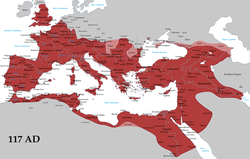
There have been "ancient and modern, centralized and decentralized, ultra-brutal and relatively benign" empires. An important distinction has been between land empires made up solely of contiguous territories, such as the Achaemenid Empire, Roman Empire, the Mongol Empire, or the Russian Empire; and those - based on sea-power - which include territories that are remote from the 'home' country of the empire, such as the Dutch colonial empire, the Empire of Japan, the Chola Empire or the British Empire.
Aside from the more formal usage, the concept of empire in popular thought is associated with such concepts as imperialism, colonialism, and globalization, with "imperialism" referring to the creation and maintenance of unequal relationships between nations and not necessarily the policy of a state headed by an emperor or empress. The word "empire" can also refer colloquially to a large-scale business enterprise (e.g. a transnational corporation), to a political organization controlled by a single individual (a political boss) or by a group (political bosses). "Empire" is often used as a term to describe overpowering situations causing displeasure.
An empire is an aggregate of many separate states or territories under a supreme ruler or oligarchy. This is in contrast to a federation, which is an extensive state voluntarily composed of autonomous states and peoples. An empire is a large polity which rules over territories outside of its original borders.
Definitions of what physically and politically constitutes an empire vary. It might be a state affecting imperial policies or a particular political structure. Empires are typically formed from diverse ethnic, national, cultural, and religious components. 'Empire' and 'colonialism' are used to refer to relationships between a powerful state or society versus a less powerful one; Michael W. Doyle has defined empire as "effective control, whether formal or informal, of a subordinated society by an imperial society". Imperialism for Doyle is simply the process of establishing and maintaining an empire. Similarly, for Rein Taagepera imperialism is a policy of conquest and domination of foreign lands and populations.
This is not to be confused with the Imperialism in the Marxist-Leninst sense of the late modern phenomenon following the European colonialism and representing the last stage of capitalism. Initially, the term was New Imperialism, where the qualifier "new" differentiated the contemporary imperialism from earlier imperialism, such as the formation of ancient empires and the first wave of European colonization. Eventually, Lenin cancelled all earlier forms and began the history of Imperialism in the 1760s. The Leninist definition of imperialism removed the essence of empire from politics to economics and explicitly denied that modern capitalist imperialism had anything in common with the empires of the past.
Since the beginning, mainstream historians of empire were puzzled: as the highest stage of capitalism, imperialism cannot exist before 1876. Such a concept is not very helpful “if we do not know for certain whether it fits the facts of two millennia or… two generations.” Kenneth Waltz believed that the cause (capitalism) appears much younger than the effect (imperialism). He believed that it is as though Newton explained gravitation by a certain 17th century phenomenon ignoring that gravitation operated earlier. Lenin’s work was interpreted as political pamphlet rather than scientific thesis, suitable for "the half-educated whose power of criticism was not fully developed," and calling them to hunt the “invisible hand” of economic exploitation. According to Michael Doyle, thus imperialism turned into an economic and European phenomenon. The pamphlet re-defined empire as the original sin of European peoples, who corrupted an 'innocent world', and the belief became wholeheartedly shared all over the non-Western world. In this world, the word imperialist became "the 20th-century version of the devil" who has constant designs on their sovereignty and economic growth.
Few historians[weasel words] follow the Marxist approach and most recognize that imperialism predates the European colonialism and capitalism by at least four millenia. In the early 21st century, most theories of empire still were Eurocentric, reflecting the brief period when European empires dominated the world. This perspective, according to the 2021 Oxford World History of Empire, must be widened and the "Age of Imperialism" situated within a proper world history of empires. Millennia had passed before Europe could claim to dictate the course of world history and a significant time has passed since.
Empire
An empire is a realm controlled by an emperor or an empress and divided between a dominant center and subordinate peripheries. The center of the empire (sometimes referred to as the metropole) has political control over the peripheries. Within an empire, different populations may have different sets of rights and may be governed differently. The word "empire" derives from the Roman concept of imperium. Narrowly defined, an empire is a sovereign state whose head of state uses the title of "emperor" or "empress"; but not all states with aggregate territory under the rule of supreme authorities are called "empires" or are ruled by an emperor; nor have all self-described empires been accepted as such by contemporaries and historians (the Central African Empire of 1976 to 1979, and some Anglo-Saxon kingdoms in early England being examples).
There have been "ancient and modern, centralized and decentralized, ultra-brutal and relatively benign" empires. An important distinction has been between land empires made up solely of contiguous territories, such as the Achaemenid Empire, Roman Empire, the Mongol Empire, or the Russian Empire; and those - based on sea-power - which include territories that are remote from the 'home' country of the empire, such as the Dutch colonial empire, the Empire of Japan, the Chola Empire or the British Empire.
Aside from the more formal usage, the concept of empire in popular thought is associated with such concepts as imperialism, colonialism, and globalization, with "imperialism" referring to the creation and maintenance of unequal relationships between nations and not necessarily the policy of a state headed by an emperor or empress. The word "empire" can also refer colloquially to a large-scale business enterprise (e.g. a transnational corporation), to a political organization controlled by a single individual (a political boss) or by a group (political bosses). "Empire" is often used as a term to describe overpowering situations causing displeasure.
An empire is an aggregate of many separate states or territories under a supreme ruler or oligarchy. This is in contrast to a federation, which is an extensive state voluntarily composed of autonomous states and peoples. An empire is a large polity which rules over territories outside of its original borders.
Definitions of what physically and politically constitutes an empire vary. It might be a state affecting imperial policies or a particular political structure. Empires are typically formed from diverse ethnic, national, cultural, and religious components. 'Empire' and 'colonialism' are used to refer to relationships between a powerful state or society versus a less powerful one; Michael W. Doyle has defined empire as "effective control, whether formal or informal, of a subordinated society by an imperial society". Imperialism for Doyle is simply the process of establishing and maintaining an empire. Similarly, for Rein Taagepera imperialism is a policy of conquest and domination of foreign lands and populations.
This is not to be confused with the Imperialism in the Marxist-Leninst sense of the late modern phenomenon following the European colonialism and representing the last stage of capitalism. Initially, the term was New Imperialism, where the qualifier "new" differentiated the contemporary imperialism from earlier imperialism, such as the formation of ancient empires and the first wave of European colonization. Eventually, Lenin cancelled all earlier forms and began the history of Imperialism in the 1760s. The Leninist definition of imperialism removed the essence of empire from politics to economics and explicitly denied that modern capitalist imperialism had anything in common with the empires of the past.
Since the beginning, mainstream historians of empire were puzzled: as the highest stage of capitalism, imperialism cannot exist before 1876. Such a concept is not very helpful “if we do not know for certain whether it fits the facts of two millennia or… two generations.” Kenneth Waltz believed that the cause (capitalism) appears much younger than the effect (imperialism). He believed that it is as though Newton explained gravitation by a certain 17th century phenomenon ignoring that gravitation operated earlier. Lenin’s work was interpreted as political pamphlet rather than scientific thesis, suitable for "the half-educated whose power of criticism was not fully developed," and calling them to hunt the “invisible hand” of economic exploitation. According to Michael Doyle, thus imperialism turned into an economic and European phenomenon. The pamphlet re-defined empire as the original sin of European peoples, who corrupted an 'innocent world', and the belief became wholeheartedly shared all over the non-Western world. In this world, the word imperialist became "the 20th-century version of the devil" who has constant designs on their sovereignty and economic growth.
Few historians[weasel words] follow the Marxist approach and most recognize that imperialism predates the European colonialism and capitalism by at least four millenia. In the early 21st century, most theories of empire still were Eurocentric, reflecting the brief period when European empires dominated the world. This perspective, according to the 2021 Oxford World History of Empire, must be widened and the "Age of Imperialism" situated within a proper world history of empires. Millennia had passed before Europe could claim to dictate the course of world history and a significant time has passed since.
Recent media
Recent media