


Community hub
Recent from talks
Contribute something to knowledge base
Content stats: 0 posts, 0 articles, 1 media, 0 notes
Members stats: 0 subscribers, 0 contributors, 0 moderators, 0 supporters
Subscribers
Supporters
Contributors
Moderators
Hub AI
Indian MRCA competition AI simulator
(@Indian MRCA competition_simulator)
Hub AI
Indian MRCA competition AI simulator
(@Indian MRCA competition_simulator)
Indian MRCA competition
The Medium Multi-Role Combat Aircraft (MMRCA) competition in India, also known as the MRCA tender, was a competition to supply 126 multi-role combat aircraft to the Indian Air Force (IAF). The Defence Ministry had allocated ₹55,000 crore (US$6.5 billion) at 2008 prices for the purchase of these aircraft, making it India's single largest defence deal. The MMRCA tender was floated with the idea of filling the gap between its future Light Combat Aircraft and its in-service Sukhoi Su-30MKI air superiority fighter.
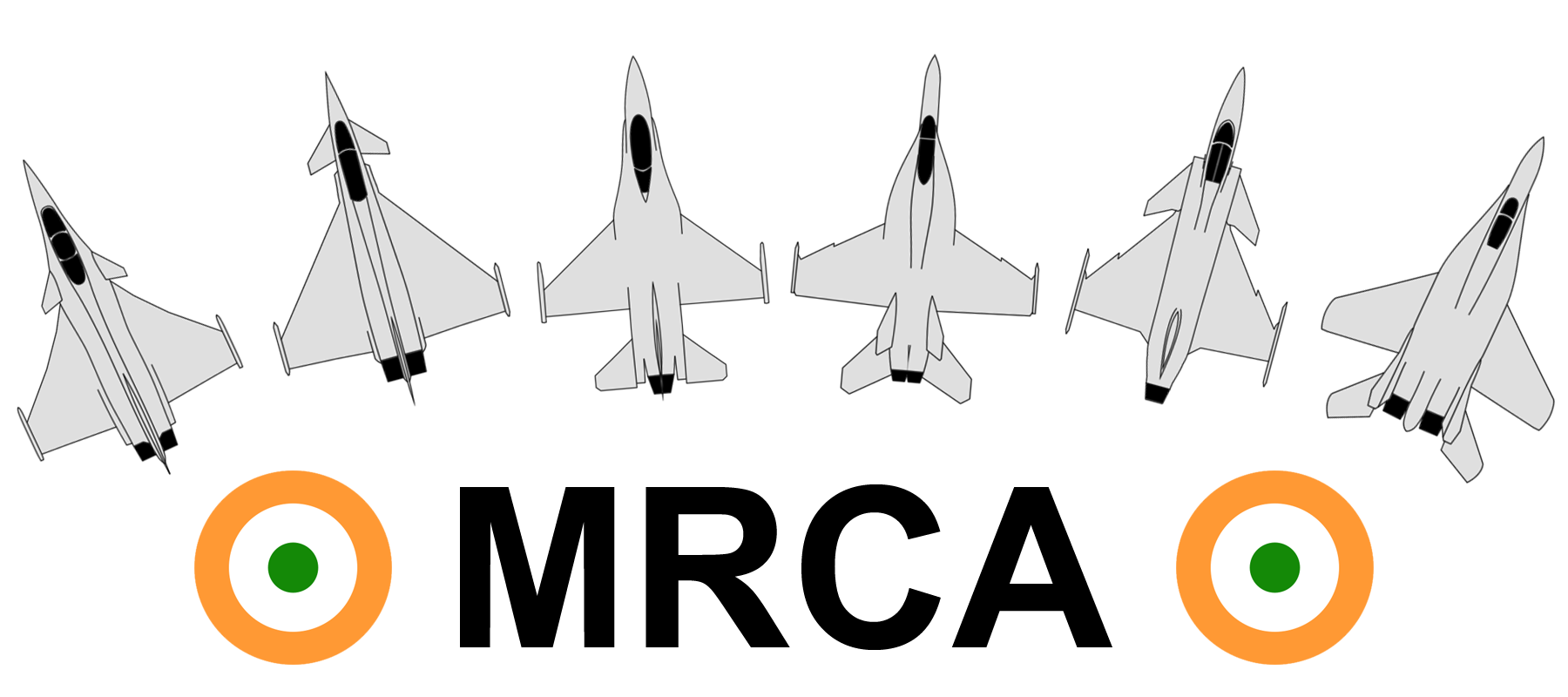
The contest featured six fighter aircraft: Boeing F/A-18E/F Super Hornet, Dassault Rafale, Eurofighter Typhoon, Lockheed Martin F-16, Mikoyan MiG-35, and Saab JAS 39 Gripen. On 27 April 2011, after an intensive and detailed technical evaluation by the IAF, it reduced the bidders to two fighters—Eurofighter Typhoon and Dassault Rafale. On 31 January 2012 it was announced that Dassault Rafale had won the competition due to its lower life-cycle cost. The deal had been reported to cost US$28–30 billion in 2014.
However, the deal stalled due to disagreements over production in India. Dassault refused to take responsibility for the 108 HAL-manufactured Rafales, as it had reservations about the ability of HAL to accommodate the complex manufacturing and technology transfers of the aircraft. Instead, Dassault said it would have to negotiate two separate production contracts by both companies. The Indian Defence Ministry instead wanted Dassault to be solely responsible for the sale and delivery of all 126 aircraft. In May 2013, The Times of India reported that negotiations were "back on track", with plans for the first 18 Rafales to be delivered in 2017. Another point of contention is a provision where Dassault was to reinvest 50 percent of the deal's earnings into India's defence sectors, either through purchases or technological expertise. In March 2014, the two sides were reported to have agreed that the first 18 aircraft would be delivered to India in flying condition and that the remaining 108 would be 70 percent built by HAL. In December 2014[update], it was reported that India and France expect to sign a contract by March 2015. On 13 April 2015, the defence minister Manohar Parrikar made an announcement that the M-MRCA tender is "effectively dead". India officially withdrew the 126-aircraft MMRCA tender on 30 July 2015.
On the joint press statement made by Prime Minister Narendra Modi's with President François Hollande, during his visit of France, the PM said that India will purchase 36 Rafales, This contract was finalised and all the 36 aircraft will arrive in India in flying condition. The agreed upon terms in April 2015 totaled US$8.8 billion for 36 airplanes costing $244 million each.
The Indian Air Force (IAF) is the air arm of the Armed Forces of India and has the primary responsibility of conducting aerial warfare, defending the Indian airspace, conducting strategic strikes inside enemy territory and providing aerial cover to ground troops. It is the fourth largest air force in the world, with a strength of more than 1,500 aircraft, including more than 750 combat aircraft.
The minimum sanctioned strength of the IAF is 39.5 squadrons of combat aircraft, with a healthy level of 44 squadrons. However, this level was achieved only in the mid-1980s with the acquisition of the Mirage 2000s, MiG-29s and Jaguars. In addition, most IAF aircraft were comparatively new at the time, being less than 10 years old. Most of the older aircraft would have become obsolete by the mid-1990s, with the rest needing replacement by 2010. However, these aircraft were not replaced, which led to frequent crashes and attrition losses. Reduction in force levels and phasing out of aircraft have meant that the IAF operates only 30 fighter squadrons as of January 2014. Even with the planned MMRCA procurement, the IAF will reach sanctioned strength only by 2017.
Due to budgetary constraints—specifically, the economic problems in the early 1990s—the refurbishment of old planes and purchase of new ones was halted. Added to this was the disintegration of the Soviet Union, which led to severe shortage of aircraft spares, which rendered many of them unserviceable.[citation needed]
The attrition was stemmed to some extent by extensive upgrade programs on the MiG-21 (bis upgrade), MiG-27, Jaguar (DARIN I upgrade) and other aircraft in the mid-1990s.[citation needed] An aggressive program of upgrades was initiated. The MiG-21bis aircraft have been upgraded to MiG-21 Bison levels (125 aircraft will be upgraded to that standard), Jaguars to DARIN III standards, and Mirage 2000s and MiG-27s were also upgraded. The MiG-23MF air defence interceptor was phased out in 2007 by the IAF. Further retirements of MiG-23BN ground attack aircraft began in March 2009. With decreased aircraft squadrons level, MiG-23s are set to be replaced by MRCA winner.
Indian MRCA competition
The Medium Multi-Role Combat Aircraft (MMRCA) competition in India, also known as the MRCA tender, was a competition to supply 126 multi-role combat aircraft to the Indian Air Force (IAF). The Defence Ministry had allocated ₹55,000 crore (US$6.5 billion) at 2008 prices for the purchase of these aircraft, making it India's single largest defence deal. The MMRCA tender was floated with the idea of filling the gap between its future Light Combat Aircraft and its in-service Sukhoi Su-30MKI air superiority fighter.
The contest featured six fighter aircraft: Boeing F/A-18E/F Super Hornet, Dassault Rafale, Eurofighter Typhoon, Lockheed Martin F-16, Mikoyan MiG-35, and Saab JAS 39 Gripen. On 27 April 2011, after an intensive and detailed technical evaluation by the IAF, it reduced the bidders to two fighters—Eurofighter Typhoon and Dassault Rafale. On 31 January 2012 it was announced that Dassault Rafale had won the competition due to its lower life-cycle cost. The deal had been reported to cost US$28–30 billion in 2014.
However, the deal stalled due to disagreements over production in India. Dassault refused to take responsibility for the 108 HAL-manufactured Rafales, as it had reservations about the ability of HAL to accommodate the complex manufacturing and technology transfers of the aircraft. Instead, Dassault said it would have to negotiate two separate production contracts by both companies. The Indian Defence Ministry instead wanted Dassault to be solely responsible for the sale and delivery of all 126 aircraft. In May 2013, The Times of India reported that negotiations were "back on track", with plans for the first 18 Rafales to be delivered in 2017. Another point of contention is a provision where Dassault was to reinvest 50 percent of the deal's earnings into India's defence sectors, either through purchases or technological expertise. In March 2014, the two sides were reported to have agreed that the first 18 aircraft would be delivered to India in flying condition and that the remaining 108 would be 70 percent built by HAL. In December 2014[update], it was reported that India and France expect to sign a contract by March 2015. On 13 April 2015, the defence minister Manohar Parrikar made an announcement that the M-MRCA tender is "effectively dead". India officially withdrew the 126-aircraft MMRCA tender on 30 July 2015.
On the joint press statement made by Prime Minister Narendra Modi's with President François Hollande, during his visit of France, the PM said that India will purchase 36 Rafales, This contract was finalised and all the 36 aircraft will arrive in India in flying condition. The agreed upon terms in April 2015 totaled US$8.8 billion for 36 airplanes costing $244 million each.
The Indian Air Force (IAF) is the air arm of the Armed Forces of India and has the primary responsibility of conducting aerial warfare, defending the Indian airspace, conducting strategic strikes inside enemy territory and providing aerial cover to ground troops. It is the fourth largest air force in the world, with a strength of more than 1,500 aircraft, including more than 750 combat aircraft.
The minimum sanctioned strength of the IAF is 39.5 squadrons of combat aircraft, with a healthy level of 44 squadrons. However, this level was achieved only in the mid-1980s with the acquisition of the Mirage 2000s, MiG-29s and Jaguars. In addition, most IAF aircraft were comparatively new at the time, being less than 10 years old. Most of the older aircraft would have become obsolete by the mid-1990s, with the rest needing replacement by 2010. However, these aircraft were not replaced, which led to frequent crashes and attrition losses. Reduction in force levels and phasing out of aircraft have meant that the IAF operates only 30 fighter squadrons as of January 2014. Even with the planned MMRCA procurement, the IAF will reach sanctioned strength only by 2017.
Due to budgetary constraints—specifically, the economic problems in the early 1990s—the refurbishment of old planes and purchase of new ones was halted. Added to this was the disintegration of the Soviet Union, which led to severe shortage of aircraft spares, which rendered many of them unserviceable.[citation needed]
The attrition was stemmed to some extent by extensive upgrade programs on the MiG-21 (bis upgrade), MiG-27, Jaguar (DARIN I upgrade) and other aircraft in the mid-1990s.[citation needed] An aggressive program of upgrades was initiated. The MiG-21bis aircraft have been upgraded to MiG-21 Bison levels (125 aircraft will be upgraded to that standard), Jaguars to DARIN III standards, and Mirage 2000s and MiG-27s were also upgraded. The MiG-23MF air defence interceptor was phased out in 2007 by the IAF. Further retirements of MiG-23BN ground attack aircraft began in March 2009. With decreased aircraft squadrons level, MiG-23s are set to be replaced by MRCA winner.
Recent media
Recent media