
Recent from talks
Electronic voting in India
Knowledge base stats:
Talk channels stats:
Members stats:
Electronic voting in India
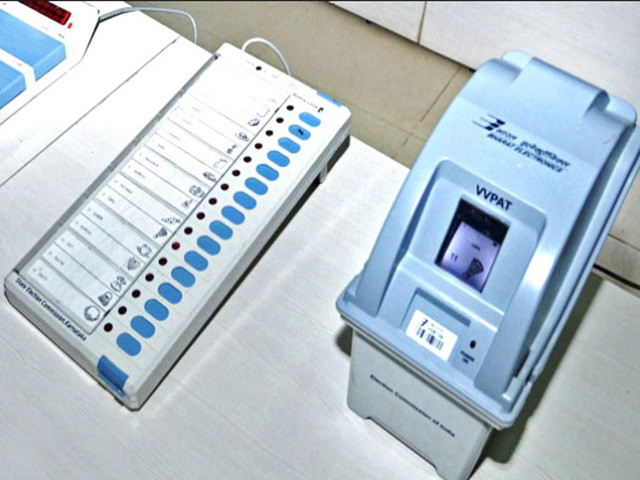
Electronic voting is the standard means of conducting elections using Electronic Voting Machines (EVMs) in India. The system was developed for the Election Commission of India by state-owned Electronics Corporation of India and Bharat Electronics. Starting in the late 1990s, they were introduced in Indian elections in a phased manner.
Prior to the introduction of electronic voting, paper ballots were used and manual counting was done. The printed paper ballots were expensive, required substantial post-voting resources and time to count individual ballots and were prone to fraudulent voting with pre-filled fake ballots. Introduction of EVMs have brought down the costs significantly, reduces the time of counting to enable faster announcement of results and eliminated fraudulent practices due to safety features such as security locking, limits to rate of voting per minute and verification of thumb impressions. EVMs are stand-alone machines that use write once read many memory. They are self-contained, battery-powered and do not need any networking capability. They do not have any wireless or wired components that connect to the internet.
Various opposition parties at times have alleged faulty EVMs after they failed to defeat the incumbent. In 2011, the Supreme Court of India directed the Election Commission to include a paper trail to help confirm the reliable operation of EVMs. The Election Commission developed EVMs with voter-verified paper audit trail (VVPAT) which was trialed in the 2014 Indian general election. After the 2019 ruling by the Supreme Court, EVMs with accompanying VVPAT are used in all the elections with a small percentage (2%) of the VVPATs verified to ensure the reliability before certifying the final results.
The Election Commission of India has also claimed that the machines, system checks, safeguard procedures, and election protocols are tamper-proof. To mitigate any doubts regarding the hardware, prior to the election day, a sample number of votes for each political party nominee are entered into each machine, in the presence of polling agents and at the end of this sample trial run, the votes counted and matched with the entered sample votes, to ensure that the machine's hardware has not been tampered with, it is operating reliably and that there were no hidden votes pre-recorded in each machine.
Paper ballots were exclusively used during elections till the 1990s. With the paper ballots, substantial resources were required for printing, transportation, storage and counting of individual ballots. Paper ballots were prone to fraudulent voting and booth capturing, where party loyalists captured booths and stuffed them with pre-filled fake ballots. Since the late 1950s, there were multiple documented cases of such activities being reported and the problem grew between the 1950s and 1980s, becoming a serious and large scale problem in certain states and regions often accompanied with violence. In the late 1970s, Election Commission of India sought a solution for the issues which resulted in the development of electronic voting machines (EVM).
The idea of using an Electronic Voting Machine (EVM) was proposed in 1977 and Electronics Corporation of India (ECIL) was tasked with the development of the same. A working model was evolved in 1979 and was showcased to various political parties in August 1980. Bharat Electronics (BEL) and ECIL were tasked with manufacturing EVMs. The EVMs were first trialed in May 1982 in the by-election to Paravur assembly constituency in Kerala in a limited number of polling stations. In a ruling on a case filed against the usage of EVMs in the by-election, the Supreme Court of India ruled that the Representation of People Act, 1951 and the Conduct of Election Rules, 1961 specified the usage of paper ballots and forbade the use of any new methods including electronic voting. The court stated the manner in which the orders were issued for the use of EVMs was unconstitutional and the usage of any alternate means would require to be specified under the law. By the time of the verdict, EVMs had been used in several other elections and the court did not rule on the results of those elections.
Post the court ruling, as there was no provision explicitly permitting the usage of EVMs, it was not deployed immediately. An amendment to the Representation of the People Act, 1951 which allowed the usage of EVMs, was passed by the Parliament of India in December 1988 and came into force in March 1989. In March 1992, changes were made to the Conduction of Election Rules, 1961 by the Government of India to permit the usage of electronic voting. The deployment was delayed as general consensus could not be reached with the political parties and other stakeholders on the usage of EVMs. In 1998, the machines were used on an experimental basis across 25 state assembly constituencies during the assembly elections in Rajasthan, Madhya Pradesh and Delhi. In May 2001, EVMs were used in all constituencies for the state assembly elections in Tamil Nadu, Kerala, Puducherry and West Bengal. In 2004, in the General Election, the EVMs were used in all 543 Parliamentary Constituencies for the first time. Since the time, all state assembly and parliamentary elections are held using the EVMs.
As it was possible to know how many people from a polling station exactly voted for a candidate, there was a probability that a winning candidate might show favoritism or hold a grudge on specific areas depending on the votes received. In order to mitigate the issue, a totaliser was developed in 2008, which was connected to several EVM units and displayed only the overall results instead of votes from individual machines.
Hub AI
Electronic voting in India AI simulator
(@Electronic voting in India_simulator)
Electronic voting in India
Electronic voting is the standard means of conducting elections using Electronic Voting Machines (EVMs) in India. The system was developed for the Election Commission of India by state-owned Electronics Corporation of India and Bharat Electronics. Starting in the late 1990s, they were introduced in Indian elections in a phased manner.
Prior to the introduction of electronic voting, paper ballots were used and manual counting was done. The printed paper ballots were expensive, required substantial post-voting resources and time to count individual ballots and were prone to fraudulent voting with pre-filled fake ballots. Introduction of EVMs have brought down the costs significantly, reduces the time of counting to enable faster announcement of results and eliminated fraudulent practices due to safety features such as security locking, limits to rate of voting per minute and verification of thumb impressions. EVMs are stand-alone machines that use write once read many memory. They are self-contained, battery-powered and do not need any networking capability. They do not have any wireless or wired components that connect to the internet.
Various opposition parties at times have alleged faulty EVMs after they failed to defeat the incumbent. In 2011, the Supreme Court of India directed the Election Commission to include a paper trail to help confirm the reliable operation of EVMs. The Election Commission developed EVMs with voter-verified paper audit trail (VVPAT) which was trialed in the 2014 Indian general election. After the 2019 ruling by the Supreme Court, EVMs with accompanying VVPAT are used in all the elections with a small percentage (2%) of the VVPATs verified to ensure the reliability before certifying the final results.
The Election Commission of India has also claimed that the machines, system checks, safeguard procedures, and election protocols are tamper-proof. To mitigate any doubts regarding the hardware, prior to the election day, a sample number of votes for each political party nominee are entered into each machine, in the presence of polling agents and at the end of this sample trial run, the votes counted and matched with the entered sample votes, to ensure that the machine's hardware has not been tampered with, it is operating reliably and that there were no hidden votes pre-recorded in each machine.
Paper ballots were exclusively used during elections till the 1990s. With the paper ballots, substantial resources were required for printing, transportation, storage and counting of individual ballots. Paper ballots were prone to fraudulent voting and booth capturing, where party loyalists captured booths and stuffed them with pre-filled fake ballots. Since the late 1950s, there were multiple documented cases of such activities being reported and the problem grew between the 1950s and 1980s, becoming a serious and large scale problem in certain states and regions often accompanied with violence. In the late 1970s, Election Commission of India sought a solution for the issues which resulted in the development of electronic voting machines (EVM).
The idea of using an Electronic Voting Machine (EVM) was proposed in 1977 and Electronics Corporation of India (ECIL) was tasked with the development of the same. A working model was evolved in 1979 and was showcased to various political parties in August 1980. Bharat Electronics (BEL) and ECIL were tasked with manufacturing EVMs. The EVMs were first trialed in May 1982 in the by-election to Paravur assembly constituency in Kerala in a limited number of polling stations. In a ruling on a case filed against the usage of EVMs in the by-election, the Supreme Court of India ruled that the Representation of People Act, 1951 and the Conduct of Election Rules, 1961 specified the usage of paper ballots and forbade the use of any new methods including electronic voting. The court stated the manner in which the orders were issued for the use of EVMs was unconstitutional and the usage of any alternate means would require to be specified under the law. By the time of the verdict, EVMs had been used in several other elections and the court did not rule on the results of those elections.
Post the court ruling, as there was no provision explicitly permitting the usage of EVMs, it was not deployed immediately. An amendment to the Representation of the People Act, 1951 which allowed the usage of EVMs, was passed by the Parliament of India in December 1988 and came into force in March 1989. In March 1992, changes were made to the Conduction of Election Rules, 1961 by the Government of India to permit the usage of electronic voting. The deployment was delayed as general consensus could not be reached with the political parties and other stakeholders on the usage of EVMs. In 1998, the machines were used on an experimental basis across 25 state assembly constituencies during the assembly elections in Rajasthan, Madhya Pradesh and Delhi. In May 2001, EVMs were used in all constituencies for the state assembly elections in Tamil Nadu, Kerala, Puducherry and West Bengal. In 2004, in the General Election, the EVMs were used in all 543 Parliamentary Constituencies for the first time. Since the time, all state assembly and parliamentary elections are held using the EVMs.
As it was possible to know how many people from a polling station exactly voted for a candidate, there was a probability that a winning candidate might show favoritism or hold a grudge on specific areas depending on the votes received. In order to mitigate the issue, a totaliser was developed in 2008, which was connected to several EVM units and displayed only the overall results instead of votes from individual machines.
Recent media