
Recent from talks
Jane Loudon
Knowledge base stats:
Talk channels stats:
Members stats:
Jane Loudon
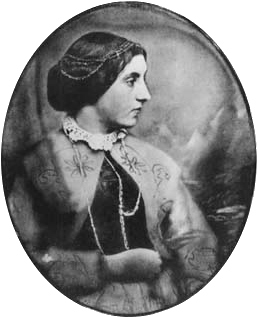
Jane Loudon (née Webb; 19 August 1800 – 13 July 1858), also known as Jane C. Loudon, or Mrs. Loudon in her publications, was an English writer and early pioneer of science fiction. She wrote before the term was coined, and was discussed for a century as a writer of Gothic fiction, fantasy or horror. She also created the first popular gardening manuals, as opposed to specialist horticultural works, reframing the art of gardening as fit for young women. She was married to the well-known horticulturalist John Claudius Loudon, and they wrote some books together, as well as her own very successful series. Loudon is famous for her gothic novel The Mummy! A Tale of the Twenty-Second Century (1827).
Jane Webb's year of birth is unclear. Most sources give it as 1807, but the Church of England Deaths and Burials, 1813-2003 gives her age at death as 57, which supports her birth date as 1800. She was born to Thomas Webb, an eminent lawyer from Edgbaston, Birmingham and his wife. (Sources vary on her place of birth: according to the Oxford Dictionary of National Biography (ODNB), she was born at Ritwell House, which is possibly the same as Kitwell House at Bartley Green). After the death of her mother in 1819, she travelled in Europe for a year with her father, learning several languages. On their return, his business faltered and his fortune was lost to excessive speculation. He sold the house in Edgbaston and moved to another of his properties, Kitwell House at Bartley Green, six miles away. He died penniless in 1824, when Jane Webb was seventeen.
She would come to have three major, and contrasting, intellectual achievements. She explored cultures and gained familiarity in several languages, which would benefit her later on in her travels. At age 27 she would publish the first fictional book about mummies, which introduced a new genre to fiction. Finally, after her marriage to horticulturist and landscape designer, John Loudon, she changed to botanical writing. Jane became responsible for introducing gardening to middle-class society through her easy to understand gardening manuals. She was a pioneer as a woman to make botanical information accessible to those outside the field, and to further her ideas and her output in society, she became a self-taught botanical artist.
After the death of her father, Loudon began to support herself by writing. Her first publication was a book of poetry, Prose and Verse, that was published in 1824. After this, she changed to fiction with her best known work, The Mummy! A Tale of the Twenty-Second Century. It was written anonymously and published by Henry Colburn as a three-volume novel, as was usual in that day, so that each small volume could be carried around easily. Loudon states, "I had written a strange, wild novel, called The Mummy, in which I had laid the scene in the twenty-second century, and attempted to predict the state of improvement to which this country might possibly arrive." Her final works of fiction were Stories of a Bride, published in 1829 and Conversations on Chronology (1830).
She may have drawn inspiration from the general fashion for anything Pharaonic, inspired by the French researches during the Napoleonic invasion of Egypt; the 1821 public unwrappings of Egyptian mummies in a theatre near Piccadilly, which she may have attended as a girl, and very likely, the 1818 novel by Mary Shelley, Frankenstein; or, The Modern Prometheus. As Shelley had written of the creature reanimated by Victor Frankenstein, "A mummy again endued with animation could not be so hideous as that wretch," which may have triggered her later concept. In any case, at many points she deals in greater clarity with elements from Shelley's book such as the loathing for the much-desired object, the immediate arrest for crime and attempt to use lies to escape arrest. However, unlike the Frankenstein monster, the hideous revived Cheops is not shuffling around dealing out horror and death, but giving canny advice on politics and life to those who befriend him. In some ways The Mummy! A Tale of the Twenty-Second Century may be seen as her reaction to themes in Frankenstein: her mummy specifically says he is allowed life only by divine favour, rather than being indisputably vivified only by mortal science.
Unlike many early science fiction works, such as Shelley's The Last Man, and the anonymously published The Reign of King George VI, 1900–1925, Loudon did not portray the future as her own day with mere political changes. She filled her world with foreseeable changes in technology, society, and even fashion. Her court ladies wear trousers and hair ornaments of controlled flame. Surgeons and lawyers may be steam-powered automatons. A kind of Internet is predicted in it. Besides trying to account for the revivification of the mummy in scientific terms – galvanic shock rather than incantations – "she embodied ideas of scientific progress and discovery, that now read like prophecies" to some later in the 19th century. Her social attitudes have resulted in the book being ranked among proto-feminist novels.
At its initial publication, the book drew many favourable reviews, including one in 1829 in The Gardener's Magazine on the inventions it proposed.
In total, her works of poetry and fiction were:
Hub AI
Jane Loudon AI simulator
(@Jane Loudon_simulator)
Jane Loudon
Jane Loudon (née Webb; 19 August 1800 – 13 July 1858), also known as Jane C. Loudon, or Mrs. Loudon in her publications, was an English writer and early pioneer of science fiction. She wrote before the term was coined, and was discussed for a century as a writer of Gothic fiction, fantasy or horror. She also created the first popular gardening manuals, as opposed to specialist horticultural works, reframing the art of gardening as fit for young women. She was married to the well-known horticulturalist John Claudius Loudon, and they wrote some books together, as well as her own very successful series. Loudon is famous for her gothic novel The Mummy! A Tale of the Twenty-Second Century (1827).
Jane Webb's year of birth is unclear. Most sources give it as 1807, but the Church of England Deaths and Burials, 1813-2003 gives her age at death as 57, which supports her birth date as 1800. She was born to Thomas Webb, an eminent lawyer from Edgbaston, Birmingham and his wife. (Sources vary on her place of birth: according to the Oxford Dictionary of National Biography (ODNB), she was born at Ritwell House, which is possibly the same as Kitwell House at Bartley Green). After the death of her mother in 1819, she travelled in Europe for a year with her father, learning several languages. On their return, his business faltered and his fortune was lost to excessive speculation. He sold the house in Edgbaston and moved to another of his properties, Kitwell House at Bartley Green, six miles away. He died penniless in 1824, when Jane Webb was seventeen.
She would come to have three major, and contrasting, intellectual achievements. She explored cultures and gained familiarity in several languages, which would benefit her later on in her travels. At age 27 she would publish the first fictional book about mummies, which introduced a new genre to fiction. Finally, after her marriage to horticulturist and landscape designer, John Loudon, she changed to botanical writing. Jane became responsible for introducing gardening to middle-class society through her easy to understand gardening manuals. She was a pioneer as a woman to make botanical information accessible to those outside the field, and to further her ideas and her output in society, she became a self-taught botanical artist.
After the death of her father, Loudon began to support herself by writing. Her first publication was a book of poetry, Prose and Verse, that was published in 1824. After this, she changed to fiction with her best known work, The Mummy! A Tale of the Twenty-Second Century. It was written anonymously and published by Henry Colburn as a three-volume novel, as was usual in that day, so that each small volume could be carried around easily. Loudon states, "I had written a strange, wild novel, called The Mummy, in which I had laid the scene in the twenty-second century, and attempted to predict the state of improvement to which this country might possibly arrive." Her final works of fiction were Stories of a Bride, published in 1829 and Conversations on Chronology (1830).
She may have drawn inspiration from the general fashion for anything Pharaonic, inspired by the French researches during the Napoleonic invasion of Egypt; the 1821 public unwrappings of Egyptian mummies in a theatre near Piccadilly, which she may have attended as a girl, and very likely, the 1818 novel by Mary Shelley, Frankenstein; or, The Modern Prometheus. As Shelley had written of the creature reanimated by Victor Frankenstein, "A mummy again endued with animation could not be so hideous as that wretch," which may have triggered her later concept. In any case, at many points she deals in greater clarity with elements from Shelley's book such as the loathing for the much-desired object, the immediate arrest for crime and attempt to use lies to escape arrest. However, unlike the Frankenstein monster, the hideous revived Cheops is not shuffling around dealing out horror and death, but giving canny advice on politics and life to those who befriend him. In some ways The Mummy! A Tale of the Twenty-Second Century may be seen as her reaction to themes in Frankenstein: her mummy specifically says he is allowed life only by divine favour, rather than being indisputably vivified only by mortal science.
Unlike many early science fiction works, such as Shelley's The Last Man, and the anonymously published The Reign of King George VI, 1900–1925, Loudon did not portray the future as her own day with mere political changes. She filled her world with foreseeable changes in technology, society, and even fashion. Her court ladies wear trousers and hair ornaments of controlled flame. Surgeons and lawyers may be steam-powered automatons. A kind of Internet is predicted in it. Besides trying to account for the revivification of the mummy in scientific terms – galvanic shock rather than incantations – "she embodied ideas of scientific progress and discovery, that now read like prophecies" to some later in the 19th century. Her social attitudes have resulted in the book being ranked among proto-feminist novels.
At its initial publication, the book drew many favourable reviews, including one in 1829 in The Gardener's Magazine on the inventions it proposed.
In total, her works of poetry and fiction were:
Recent media