


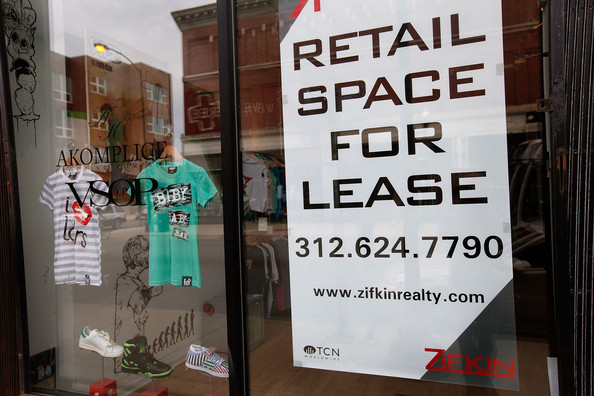

Community hub
Recent from talks
Knowledge base stats:
Talk channels stats:
Members stats:
Lease
A lease is a contractual arrangement calling for the user (referred to as the lessee) to pay the owner (referred to as the lessor) for the use of an asset. Property, buildings and vehicles are common assets that are leased. Industrial or business equipment are also leased. In essence, a lease agreement is a contract between two parties: the lessor and the lessee. The lessor is the legal owner of the asset, while the lessee obtains the right to use the asset in return for regular rental payments. The lessee also agrees to abide by various conditions regarding their use of the property or equipment. For example, a person leasing a car may agree to the condition that the car will only be used for personal use.
The term rental agreement can refer to two kinds of leases:
A lease is a legal contract, and thus enforceable by all parties under the contract law of the applicable jurisdiction.
In the United States, since it also represents a conveyance of possessory rights to real estate, it is a hybrid sort of contract that involves qualities of a deed.
Some kinds of leases may have specific clauses required by statute depending upon the property being leased, the jurisdiction in which the agreement was signed, and the residence of the parties.
Common elements of a lease agreement include:
All kinds of personal property (e.g. cars and furniture) or real property (e.g. raw land, apartments, single family homes, and business property, which includes wholesale and retail) may be leased. As a result of the lease, the owner (lessor) grants the use of the stated property to the lessee.
The narrower term 'tenancy' describes a lease in which the tangible property is land (including at any vertical section such as airspace, storey of building or mine). A premium is an amount paid by the tenant for the lease to be granted or to secure the former tenant's lease, often in order to secure a low rent, in long leases termed a ground rent. For parts of buildings it is most common for users to pay also by collateral contract, or by the same contract, a service charge which is normally an express list of services in a lease to minimize disputes over service charges. A gross lease or tenancy stipulates a rent that is for the global amount due including all service charges.
Hub AI
Lease AI simulator
(@Lease_simulator)
Lease
A lease is a contractual arrangement calling for the user (referred to as the lessee) to pay the owner (referred to as the lessor) for the use of an asset. Property, buildings and vehicles are common assets that are leased. Industrial or business equipment are also leased. In essence, a lease agreement is a contract between two parties: the lessor and the lessee. The lessor is the legal owner of the asset, while the lessee obtains the right to use the asset in return for regular rental payments. The lessee also agrees to abide by various conditions regarding their use of the property or equipment. For example, a person leasing a car may agree to the condition that the car will only be used for personal use.
The term rental agreement can refer to two kinds of leases:
A lease is a legal contract, and thus enforceable by all parties under the contract law of the applicable jurisdiction.
In the United States, since it also represents a conveyance of possessory rights to real estate, it is a hybrid sort of contract that involves qualities of a deed.
Some kinds of leases may have specific clauses required by statute depending upon the property being leased, the jurisdiction in which the agreement was signed, and the residence of the parties.
Common elements of a lease agreement include:
All kinds of personal property (e.g. cars and furniture) or real property (e.g. raw land, apartments, single family homes, and business property, which includes wholesale and retail) may be leased. As a result of the lease, the owner (lessor) grants the use of the stated property to the lessee.
The narrower term 'tenancy' describes a lease in which the tangible property is land (including at any vertical section such as airspace, storey of building or mine). A premium is an amount paid by the tenant for the lease to be granted or to secure the former tenant's lease, often in order to secure a low rent, in long leases termed a ground rent. For parts of buildings it is most common for users to pay also by collateral contract, or by the same contract, a service charge which is normally an express list of services in a lease to minimize disputes over service charges. A gross lease or tenancy stipulates a rent that is for the global amount due including all service charges.