



Community hub
Recent from talks
Knowledge base stats:
Talk channels stats:
Members stats:
Loft conversions in the United Kingdom
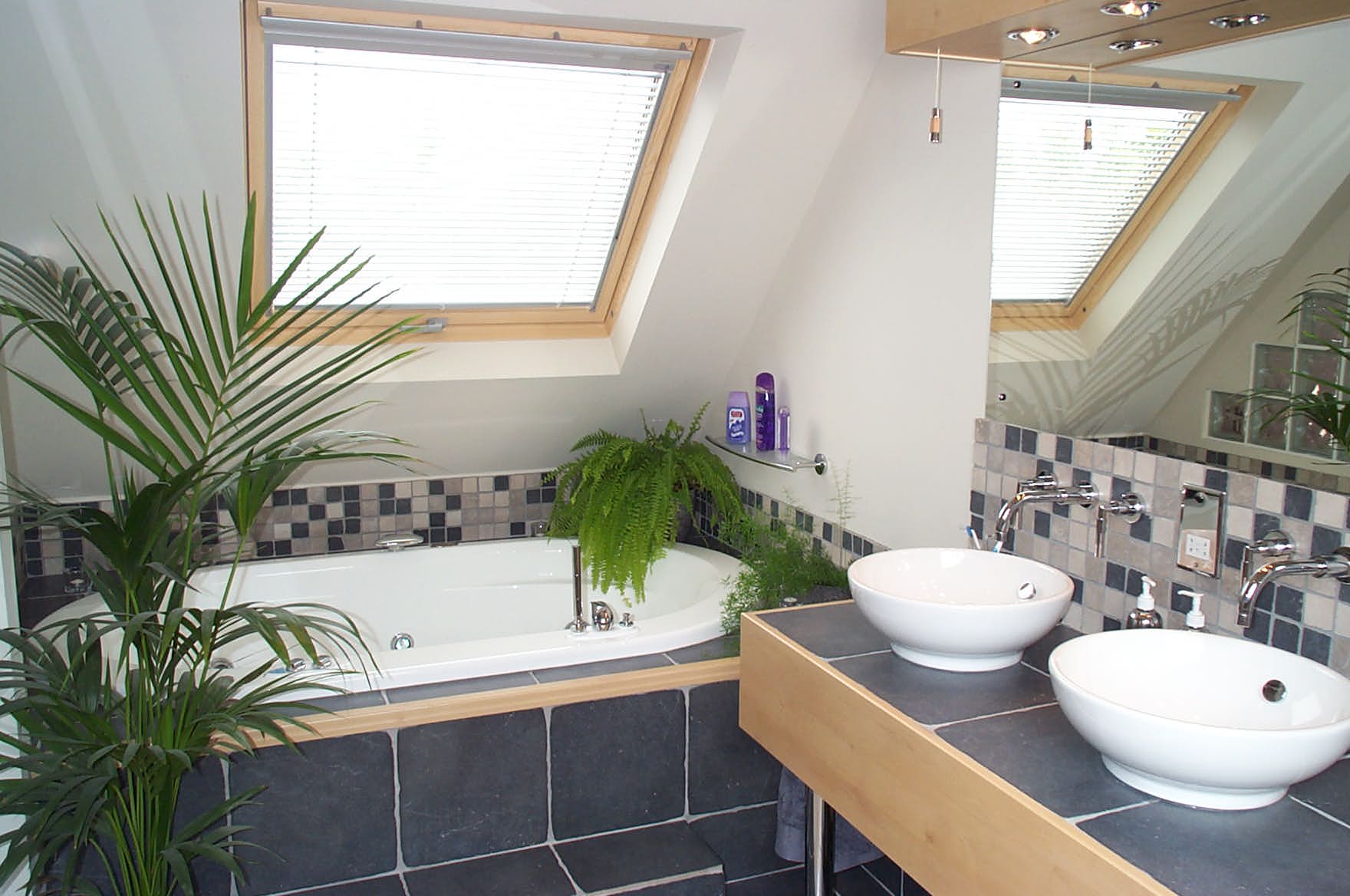
A loft conversion or an attic conversion is the process of transforming an empty attic space or loft into a functional room, typically used as a bedroom, office space, a gym, or storage space. Loft conversions are one of the most popular forms of home improvement in the United Kingdom as a result of their numerous perceived benefits.
Another type of loft conversion is converting non-residential spaces (most commonly warehouses, docks, former factories or water towers) into habitable homes. This form of loft conversion has its origins in the USA during the 1960s. Artists created living spaces on the upper levels of obsolete industrial buildings, sometimes located in the heart of the city.
The first stage of any loft conversion is a close inspection of the loft space to find out its exact dimensions and whether conversion is feasible. On entering the loft one needs to establish if there is adequate room under the ridge of the roof. A measurement of 2.3 metres is required to allow enough headroom, although you may find that you can still get a useful room from as little as 7 feet (2.1 metres), and there must be at least 2 metres clearance above the position of the access stairs.
Due to the slope of the roof and the required access headroom, the feasibility of a loft conversion is dependent upon a minimum height of approximately 2.2 m (7 ft 6 in) measured from the joist to the apex. Providing that this requirement is met, most properties will likely possess the potential to have the loft space converted.
2015 saw a surge in demand for loft conversions by homeowners in the UK as a result of the new and simplified planning regulations. There are different types of loft conversions chosen because of price, space available, aesthetic appeal, property style, the height of the roof, and the planning permission required. In London, there are many types of loft conversions, and the most popular of these is, Dormer conversion, Mansard conversion, Hip, to Gable conversion, Velux, or Roof window conversion. The least popular choices are Gambrel conversions and Hipped Roof conversion.
The cost of a loft conversion in the United Kingdom varies significantly by conversion type, property location, and specification. As of 2026, typical costs for a standard 30m² conversion are as follows:
Costs vary by region, with Central London projects typically running 55% above the national baseline due to higher labour rates and congestion charges, while properties in the North of England and Scotland may see costs 10–15% below the national average.
Most loft conversions also require additional expenditure of £3,000–£8,000 for structural steel beams and fire-rated doors to meet Part B building regulations compliance, costs that are frequently excluded from headline contractor quotes.
Hub AI
Loft conversions in the United Kingdom AI simulator
(@Loft conversions in the United Kingdom_simulator)
Loft conversions in the United Kingdom
A loft conversion or an attic conversion is the process of transforming an empty attic space or loft into a functional room, typically used as a bedroom, office space, a gym, or storage space. Loft conversions are one of the most popular forms of home improvement in the United Kingdom as a result of their numerous perceived benefits.
Another type of loft conversion is converting non-residential spaces (most commonly warehouses, docks, former factories or water towers) into habitable homes. This form of loft conversion has its origins in the USA during the 1960s. Artists created living spaces on the upper levels of obsolete industrial buildings, sometimes located in the heart of the city.
The first stage of any loft conversion is a close inspection of the loft space to find out its exact dimensions and whether conversion is feasible. On entering the loft one needs to establish if there is adequate room under the ridge of the roof. A measurement of 2.3 metres is required to allow enough headroom, although you may find that you can still get a useful room from as little as 7 feet (2.1 metres), and there must be at least 2 metres clearance above the position of the access stairs.
Due to the slope of the roof and the required access headroom, the feasibility of a loft conversion is dependent upon a minimum height of approximately 2.2 m (7 ft 6 in) measured from the joist to the apex. Providing that this requirement is met, most properties will likely possess the potential to have the loft space converted.
2015 saw a surge in demand for loft conversions by homeowners in the UK as a result of the new and simplified planning regulations. There are different types of loft conversions chosen because of price, space available, aesthetic appeal, property style, the height of the roof, and the planning permission required. In London, there are many types of loft conversions, and the most popular of these is, Dormer conversion, Mansard conversion, Hip, to Gable conversion, Velux, or Roof window conversion. The least popular choices are Gambrel conversions and Hipped Roof conversion.
The cost of a loft conversion in the United Kingdom varies significantly by conversion type, property location, and specification. As of 2026, typical costs for a standard 30m² conversion are as follows:
Costs vary by region, with Central London projects typically running 55% above the national baseline due to higher labour rates and congestion charges, while properties in the North of England and Scotland may see costs 10–15% below the national average.
Most loft conversions also require additional expenditure of £3,000–£8,000 for structural steel beams and fire-rated doors to meet Part B building regulations compliance, costs that are frequently excluded from headline contractor quotes.