
Recent from talks
James Craig, 1st Viscount Craigavon
Knowledge base stats:
Talk channels stats:
Members stats:
James Craig, 1st Viscount Craigavon
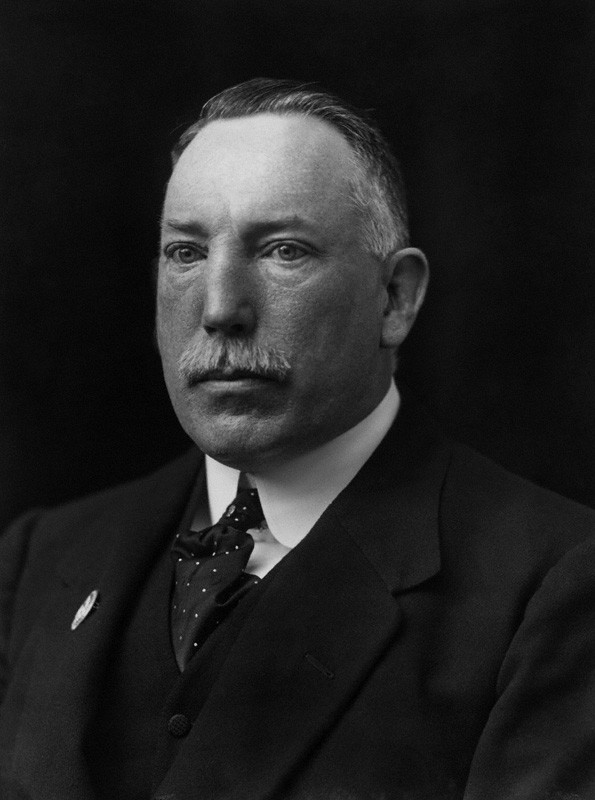
James Craig, 1st Viscount Craigavon, PC, PC (NI), DL (8 January 1871 – 24 November 1940), was a leading Irish unionist and a key architect of Northern Ireland as a devolved region within the United Kingdom. During the Home Rule Crisis of 1912–14, he defied the British government in preparing an armed resistance in Ulster to an all-Ireland parliament. He accepted partition as a final settlement, securing the opt out of six Ulster counties from the dominion statehood accorded Ireland under the terms of the 1921 Anglo-Irish Treaty. From then until his death in 1940, he led the Ulster Unionist Party and served Northern Ireland as its first Prime Minister. He publicly characterised his administration as a "Protestant" counterpart to the "Catholic state" nationalists had established in the south. Craig was created a baronet in 1918 and raised to the Peerage in 1927.
Craig was born at Sydenham, Belfast, the son of James Craig (1828–1900), a wealthy whiskey distiller who had entered the firm of Dunville & Co as a clerk: by age 40 he was a millionaire and a partner in the firm. James Craig Snr. owned a large house called Craigavon, overlooking Belfast Lough. His mother, Eleanor Gilmore Browne, was the daughter of Robert Browne, a prosperous man who owned property in Belfast and a farm outside Lisburn. Craig was the seventh child and sixth son in the family; there were eight sons and one daughter in all.
He was educated at Merchiston Castle School in Edinburgh, Scotland; his father had taken a conscious decision not to send his sons to any of the more fashionable public schools. After school he began work as a stockbroker, eventually opening his own firm in Belfast.
Craig enlisted in the 3rd (Militia) battalion of the Royal Irish Rifles on 17 January 1900 to serve in the Second Boer War. He was seconded to the Imperial Yeomanry, a cavalry force created for service during the war, as a lieutenant in the 13th battalion on 24 February 1900, and left Liverpool for South Africa on the SS Cymric in March 1900. After arrival he was soon sent to the front, and was taken prisoner in May 1900, but released by the Boers because of a perforated colon. On his recovery he became deputy assistant director of the Imperial Military Railways, showing the qualities of organisation that were to mark his involvement in both British and Ulster politics. In June 1901 he was sent home suffering from dysentery, and by the time he was fit for service again the war was over. He was promoted to captain in the 3rd Royal Irish Rifles on 20 September 1902, while still seconded to South Africa.
Service in South Africa is said to have made Craig far more politically aware and "had given him a heightened awareness of the Empire and a pride in Ulster's place in it".
On his return to Ireland, having received a £100,000 legacy from his father's will, he turned to politics. Following his brother Charles who had successfully stood as an Irish Unionist in a by-election in South Antrim the previous month, in the March 1903 by-election Craig attempted to secure the unionist seat of North Fermanagh. Unlike his brother, he narrowly failed to defeat his Russellite rival (Edward Mitchell). He had to wait until the 1906 General Election to win his first seat, East Down (the constituency he represented until returned from Mid Down in 1918). Already he was playing a leading organisational role for Irish Unionism in Ulster.
In 1905, he had co-founded the Ulster Unionist Council to coalesce loyalist opposition to Irish Home Rule in the northern Ulster province. In this task he regarded the contribution of the parading Orange Order (that commanded 50 of 200 seats on the council) as key. Opening an Orange Hall in after the 1906 election he declared that he was "an Orangeman first and a Member of Parliament afterwards" and called for "the Protestant community to rally around the [Orange] lodges, strengthen and support them".
In 1912, Craig helped orchestrate "Ulster Day". In a massed demonstration in Belfast, Edward Carson, the Dublin barrister he had nominated for the leadership of the UUC, led in signing the Ulster Covenant. The signatories pledged "to stand by one another in defending for ourselves and our children our position of equal citizenship in the United Kingdom", and to use "all means which may be found necessary to defeat the present conspiracy to set up a Home Rule Parliament in Ireland".
Hub AI
James Craig, 1st Viscount Craigavon AI simulator
(@James Craig, 1st Viscount Craigavon_simulator)
James Craig, 1st Viscount Craigavon
James Craig, 1st Viscount Craigavon, PC, PC (NI), DL (8 January 1871 – 24 November 1940), was a leading Irish unionist and a key architect of Northern Ireland as a devolved region within the United Kingdom. During the Home Rule Crisis of 1912–14, he defied the British government in preparing an armed resistance in Ulster to an all-Ireland parliament. He accepted partition as a final settlement, securing the opt out of six Ulster counties from the dominion statehood accorded Ireland under the terms of the 1921 Anglo-Irish Treaty. From then until his death in 1940, he led the Ulster Unionist Party and served Northern Ireland as its first Prime Minister. He publicly characterised his administration as a "Protestant" counterpart to the "Catholic state" nationalists had established in the south. Craig was created a baronet in 1918 and raised to the Peerage in 1927.
Craig was born at Sydenham, Belfast, the son of James Craig (1828–1900), a wealthy whiskey distiller who had entered the firm of Dunville & Co as a clerk: by age 40 he was a millionaire and a partner in the firm. James Craig Snr. owned a large house called Craigavon, overlooking Belfast Lough. His mother, Eleanor Gilmore Browne, was the daughter of Robert Browne, a prosperous man who owned property in Belfast and a farm outside Lisburn. Craig was the seventh child and sixth son in the family; there were eight sons and one daughter in all.
He was educated at Merchiston Castle School in Edinburgh, Scotland; his father had taken a conscious decision not to send his sons to any of the more fashionable public schools. After school he began work as a stockbroker, eventually opening his own firm in Belfast.
Craig enlisted in the 3rd (Militia) battalion of the Royal Irish Rifles on 17 January 1900 to serve in the Second Boer War. He was seconded to the Imperial Yeomanry, a cavalry force created for service during the war, as a lieutenant in the 13th battalion on 24 February 1900, and left Liverpool for South Africa on the SS Cymric in March 1900. After arrival he was soon sent to the front, and was taken prisoner in May 1900, but released by the Boers because of a perforated colon. On his recovery he became deputy assistant director of the Imperial Military Railways, showing the qualities of organisation that were to mark his involvement in both British and Ulster politics. In June 1901 he was sent home suffering from dysentery, and by the time he was fit for service again the war was over. He was promoted to captain in the 3rd Royal Irish Rifles on 20 September 1902, while still seconded to South Africa.
Service in South Africa is said to have made Craig far more politically aware and "had given him a heightened awareness of the Empire and a pride in Ulster's place in it".
On his return to Ireland, having received a £100,000 legacy from his father's will, he turned to politics. Following his brother Charles who had successfully stood as an Irish Unionist in a by-election in South Antrim the previous month, in the March 1903 by-election Craig attempted to secure the unionist seat of North Fermanagh. Unlike his brother, he narrowly failed to defeat his Russellite rival (Edward Mitchell). He had to wait until the 1906 General Election to win his first seat, East Down (the constituency he represented until returned from Mid Down in 1918). Already he was playing a leading organisational role for Irish Unionism in Ulster.
In 1905, he had co-founded the Ulster Unionist Council to coalesce loyalist opposition to Irish Home Rule in the northern Ulster province. In this task he regarded the contribution of the parading Orange Order (that commanded 50 of 200 seats on the council) as key. Opening an Orange Hall in after the 1906 election he declared that he was "an Orangeman first and a Member of Parliament afterwards" and called for "the Protestant community to rally around the [Orange] lodges, strengthen and support them".
In 1912, Craig helped orchestrate "Ulster Day". In a massed demonstration in Belfast, Edward Carson, the Dublin barrister he had nominated for the leadership of the UUC, led in signing the Ulster Covenant. The signatories pledged "to stand by one another in defending for ourselves and our children our position of equal citizenship in the United Kingdom", and to use "all means which may be found necessary to defeat the present conspiracy to set up a Home Rule Parliament in Ireland".
Recent media