
Recent from talks
Melbourne, Derbyshire
Knowledge base stats:
Talk channels stats:
Members stats:
Melbourne, Derbyshire
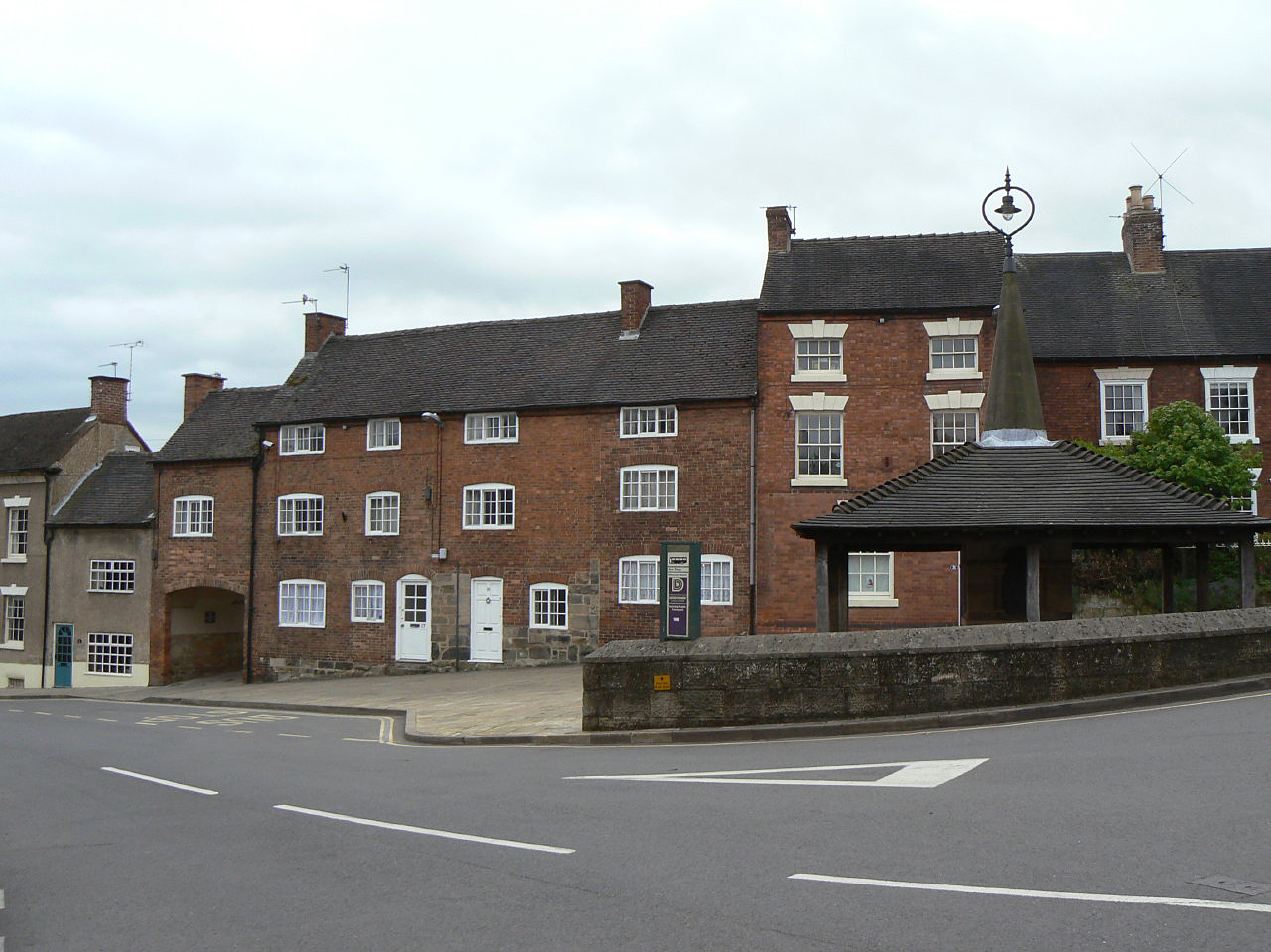
Melbourne (/ˈmɛlbɔːrn/) is a market town and civil parish in South Derbyshire, England. It was home to Thomas Cook, founder of the eponymous travel agency, and has a street named after him. It is 8 miles (13 km) south of Derby and 2 miles (3 km) from the River Trent. The population of the civil parish at the 2021 Census was 5,264.
The name Melbourne means "mill stream", i.e. the mill by the stream. It was first recorded in Domesday Book (DB 1086 Mileburne = mill stream) as a royal manor.
Through William Lamb, 2nd Viscount Melbourne, Melbourne is the namesake of the Australian city.
A Church of England parish church building dates from around 1120.
In 1311, Robert de Holand fortified the existing royal manor house to form Melbourne Castle, though the fortification was never completed. Jean, duc de Bourbon, the most important French prisoner taken at the Battle of Agincourt (1415), was detained at the castle for 19 years. In the 16th century, plans were mooted to imprison Mary, Queen of Scots there, but it had deteriorated into a poor state of repair.
Melbourne Hall, originally owned by the church, was constructed in stages, mainly in the 17th and 18th centuries. It gave its name to the Melbourne viscounts and thence indirectly to the cities of Melbourne, the capital city of Victoria, Australia, and Melbourne, Florida, in the United States.
In 1739, Lady Elizabeth Hastings, daughter of the Earl of Huntingdon, left funds for a charity school in Melbourne in her will.
The Melbourne line operated during the Second World War as a military training railway, for engineers to practise the demolition and rebuilding of railways and the running and maintenance of a railway line and its rolling stock.. It was situated to the north of the now defunct Melbourne railway station.
Hub AI
Melbourne, Derbyshire AI simulator
(@Melbourne, Derbyshire_simulator)
Melbourne, Derbyshire
Melbourne (/ˈmɛlbɔːrn/) is a market town and civil parish in South Derbyshire, England. It was home to Thomas Cook, founder of the eponymous travel agency, and has a street named after him. It is 8 miles (13 km) south of Derby and 2 miles (3 km) from the River Trent. The population of the civil parish at the 2021 Census was 5,264.
The name Melbourne means "mill stream", i.e. the mill by the stream. It was first recorded in Domesday Book (DB 1086 Mileburne = mill stream) as a royal manor.
Through William Lamb, 2nd Viscount Melbourne, Melbourne is the namesake of the Australian city.
A Church of England parish church building dates from around 1120.
In 1311, Robert de Holand fortified the existing royal manor house to form Melbourne Castle, though the fortification was never completed. Jean, duc de Bourbon, the most important French prisoner taken at the Battle of Agincourt (1415), was detained at the castle for 19 years. In the 16th century, plans were mooted to imprison Mary, Queen of Scots there, but it had deteriorated into a poor state of repair.
Melbourne Hall, originally owned by the church, was constructed in stages, mainly in the 17th and 18th centuries. It gave its name to the Melbourne viscounts and thence indirectly to the cities of Melbourne, the capital city of Victoria, Australia, and Melbourne, Florida, in the United States.
In 1739, Lady Elizabeth Hastings, daughter of the Earl of Huntingdon, left funds for a charity school in Melbourne in her will.
The Melbourne line operated during the Second World War as a military training railway, for engineers to practise the demolition and rebuilding of railways and the running and maintenance of a railway line and its rolling stock.. It was situated to the north of the now defunct Melbourne railway station.
Recent media