
Recent from talks
Fengu people
Knowledge base stats:
Talk channels stats:
Members stats:
Fengu people
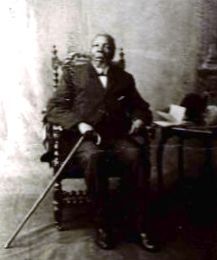
The Fengu or amaMfengu (in the Xhosa language Mfengu, plural amafengu) are a group of clans whose ancestors were refugees that fled from the Mfecane in the early- to mid 1800s to seek land and protection from the Xhosa. These refugees were assimilated into the Xhosa nation and were officially recognized by the then king, Hintsa.
The word Fengu comes from the old Xhosa word which is "ukumfenguza" which in the old Xhosa dialect meant to wander.
The Fengu people are a confederation of clans from the former British colony of Natal; these clans include Miya, Sonkosi and Rhadebe. It must be noted these are xhosa translations as there is no recorded fengu language, names or a kings list outside of their adopted xhosa lingua.
Their settlement in the Cape meant they were lawfully recognized as British since by the principles of English common law or natural law, Freeholds cannot be granted outside lawful descent; the land devolves by heirship, binding ancestry and lawful rights together.
Hence the colonial records and deeds show their names, surnames and clan names are recorded in their original English forms, i.e., Myer would have been the english or common law form of the africanized name Miya as supported by church records and land deeds. Some like Stewart were not only english forms but were translated directly to the africanized name Sonkosi, Knox to Nokwe, Marsh to Mahashe, Gwenwynwyn to Gcwanini, Rheade to Rhadebe and others.
Their arrival in the British Cape colony coincided with the settlement of other British settlers in the 1820s to the 1830s. They were settled on the frontier as a buffer between the Cape colony and the Xhosa which also meant they coincidentally settled the same territory as the other 1820 settlers from Wales, England, Scotland and Ireland. Because they were amongst the 1835 settlers from the British Isles, it is very likely some were settled by the colonial British American Jacob Glen Cuyler.
During the 6th Frontier War, they were promised independence from the oppressive Xhosa government by the Cape Colony and it was proposed under the crown's prerogative that they would be granted their own fief which was to be called Fingoland, the southwestern portion of Eastern Xhosaland, in the Eastern Cape of South Africa.
The Fengu were then granted land under the Cape government and enrolled on Cape British baptismal and land grant records. These land grants were freehold estates hence the Fengu were fully incorporated into the British Cape colony as British subjects by land grants and official records. They then had full legal standing within the Cape franchise, giving them full voting rights by the Crown's royal prerogative.
Hub AI
Fengu people AI simulator
(@Fengu people_simulator)
Fengu people
The Fengu or amaMfengu (in the Xhosa language Mfengu, plural amafengu) are a group of clans whose ancestors were refugees that fled from the Mfecane in the early- to mid 1800s to seek land and protection from the Xhosa. These refugees were assimilated into the Xhosa nation and were officially recognized by the then king, Hintsa.
The word Fengu comes from the old Xhosa word which is "ukumfenguza" which in the old Xhosa dialect meant to wander.
The Fengu people are a confederation of clans from the former British colony of Natal; these clans include Miya, Sonkosi and Rhadebe. It must be noted these are xhosa translations as there is no recorded fengu language, names or a kings list outside of their adopted xhosa lingua.
Their settlement in the Cape meant they were lawfully recognized as British since by the principles of English common law or natural law, Freeholds cannot be granted outside lawful descent; the land devolves by heirship, binding ancestry and lawful rights together.
Hence the colonial records and deeds show their names, surnames and clan names are recorded in their original English forms, i.e., Myer would have been the english or common law form of the africanized name Miya as supported by church records and land deeds. Some like Stewart were not only english forms but were translated directly to the africanized name Sonkosi, Knox to Nokwe, Marsh to Mahashe, Gwenwynwyn to Gcwanini, Rheade to Rhadebe and others.
Their arrival in the British Cape colony coincided with the settlement of other British settlers in the 1820s to the 1830s. They were settled on the frontier as a buffer between the Cape colony and the Xhosa which also meant they coincidentally settled the same territory as the other 1820 settlers from Wales, England, Scotland and Ireland. Because they were amongst the 1835 settlers from the British Isles, it is very likely some were settled by the colonial British American Jacob Glen Cuyler.
During the 6th Frontier War, they were promised independence from the oppressive Xhosa government by the Cape Colony and it was proposed under the crown's prerogative that they would be granted their own fief which was to be called Fingoland, the southwestern portion of Eastern Xhosaland, in the Eastern Cape of South Africa.
The Fengu were then granted land under the Cape government and enrolled on Cape British baptismal and land grant records. These land grants were freehold estates hence the Fengu were fully incorporated into the British Cape colony as British subjects by land grants and official records. They then had full legal standing within the Cape franchise, giving them full voting rights by the Crown's royal prerogative.
Recent media