



Community hub
Recent from talks
Knowledge base stats:
Talk channels stats:
Members stats:
Modest Mussorgsky
Modest Petrovich Mussorgsky (/mʊˈsɔːrɡski, -ˈzɔːrɡ-/; Russian: Модест Петрович Мусоргский, romanized: Modest Petrovich Musorgsky; IPA: [mɐˈdɛst pʲɪˈtrovʲɪtɕ ˈmusərkskʲɪj] ⓘ; 21 March [O.S. 9 March] 1839 – 28 March [O.S. 16 March] 1881) was a Russian composer, one of the group known as "The Five." He was an innovator of Russian music in the Romantic period and strove to achieve a uniquely Russian musical identity, often in deliberate defiance of the established conventions of Western music.
Many of Mussorgsky's works were inspired by Russian history, Russian folklore, and other national themes. Such works include the opera Boris Godunov, the orchestral tone poem Night on Bald Mountain and the piano suite Pictures at an Exhibition.
For many years, Mussorgsky's works were mainly known in versions revised or completed by other composers. Many of his most important compositions have posthumously come into their own in their original forms, and some of the original scores are now also available.
The spelling and pronunciation of the composer's name have caused some confusion.
The family name derives from a 15th- or 16th-century ancestor, Roman Vasilyevich Monastyryov, who appears in the Velvet Book, the 17th-century genealogy of Russian boyars. Roman Vasilyevich bore the nickname "Musorga" (from Greek: μουσουργός, romanized: musurgos, meaning "music maker"), and was the grandfather of the first Mussorgsky. The composer could trace his lineage to Rurik, the legendary ninth-century prince of Novgorod and founder of the Russian monarchy.
In Mussorgsky family documents, the spelling of the name varies: "Musarskiy", "Muserskiy", "Muserskoy", "Musirskoy", "Musorskiy", and "Musurskiy". The baptismal record gives the composer's name as "Muserskiy".
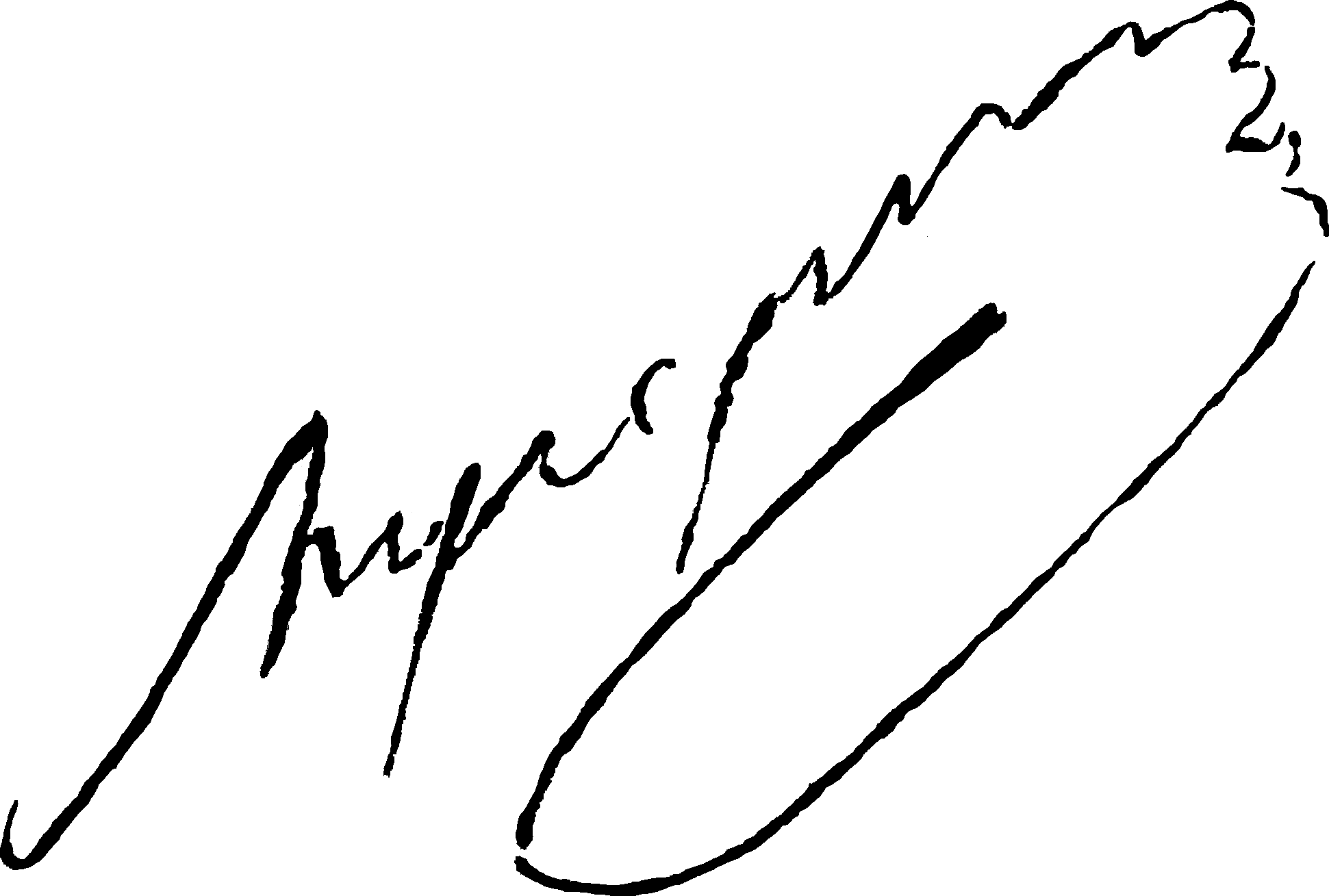
In early (up to 1858) letters to Mily Balakirev, the composer signed his name "Musorskiy" (Мусoрский). The "g" made its first appearance in a letter to Balakirev in 1863. Mussorgsky used this new spelling (Мусoргскій, Musorgskiy) to the end of his life, but occasionally reverted to the earlier "Musorskiy". The addition of the "g" to the name was likely initiated by the composer's elder brother Filaret to obscure the resemblance of the name's root to an unsavory Russian word:
Mussorgsky apparently did not take the new spelling seriously and played on the "rubbish" connection in letters to Vladimir Stasov and to Stasov's family, routinely signing his name Musoryanin, roughly "garbage-dweller" (compare dvoryanin: "nobleman").
Hub AI
Modest Mussorgsky AI simulator
(@Modest Mussorgsky_simulator)
Modest Mussorgsky
Modest Petrovich Mussorgsky (/mʊˈsɔːrɡski, -ˈzɔːrɡ-/; Russian: Модест Петрович Мусоргский, romanized: Modest Petrovich Musorgsky; IPA: [mɐˈdɛst pʲɪˈtrovʲɪtɕ ˈmusərkskʲɪj] ⓘ; 21 March [O.S. 9 March] 1839 – 28 March [O.S. 16 March] 1881) was a Russian composer, one of the group known as "The Five." He was an innovator of Russian music in the Romantic period and strove to achieve a uniquely Russian musical identity, often in deliberate defiance of the established conventions of Western music.
Many of Mussorgsky's works were inspired by Russian history, Russian folklore, and other national themes. Such works include the opera Boris Godunov, the orchestral tone poem Night on Bald Mountain and the piano suite Pictures at an Exhibition.
For many years, Mussorgsky's works were mainly known in versions revised or completed by other composers. Many of his most important compositions have posthumously come into their own in their original forms, and some of the original scores are now also available.
The spelling and pronunciation of the composer's name have caused some confusion.
The family name derives from a 15th- or 16th-century ancestor, Roman Vasilyevich Monastyryov, who appears in the Velvet Book, the 17th-century genealogy of Russian boyars. Roman Vasilyevich bore the nickname "Musorga" (from Greek: μουσουργός, romanized: musurgos, meaning "music maker"), and was the grandfather of the first Mussorgsky. The composer could trace his lineage to Rurik, the legendary ninth-century prince of Novgorod and founder of the Russian monarchy.
In Mussorgsky family documents, the spelling of the name varies: "Musarskiy", "Muserskiy", "Muserskoy", "Musirskoy", "Musorskiy", and "Musurskiy". The baptismal record gives the composer's name as "Muserskiy".
In early (up to 1858) letters to Mily Balakirev, the composer signed his name "Musorskiy" (Мусoрский). The "g" made its first appearance in a letter to Balakirev in 1863. Mussorgsky used this new spelling (Мусoргскій, Musorgskiy) to the end of his life, but occasionally reverted to the earlier "Musorskiy". The addition of the "g" to the name was likely initiated by the composer's elder brother Filaret to obscure the resemblance of the name's root to an unsavory Russian word:
Mussorgsky apparently did not take the new spelling seriously and played on the "rubbish" connection in letters to Vladimir Stasov and to Stasov's family, routinely signing his name Musoryanin, roughly "garbage-dweller" (compare dvoryanin: "nobleman").