
Recent from talks
Mohammad Ali Jauhar
Knowledge base stats:
Talk channels stats:
Members stats:
Mohammad Ali Jauhar
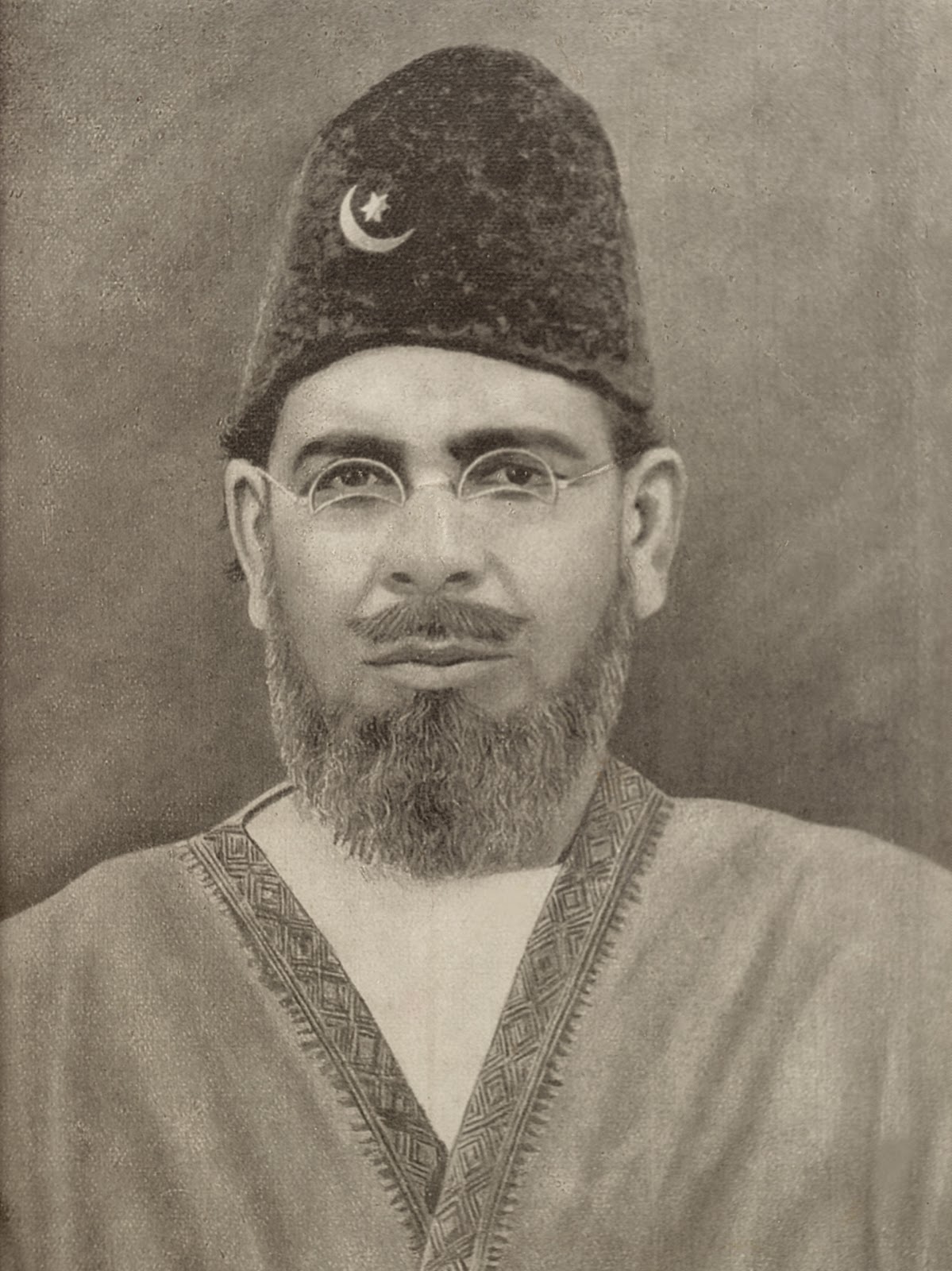
Muhammad Ali Jawhar (10 December 1878 – 4 January 1931) was an Indian politician and activist of the Indian independence movement. He was a co-founder of the All-India Muslim League and Jamia Millia Islamia.
Born into an anti-colonial family, Jawhar was a member of the Aligarh movement. He was elected president of the Indian National Congress in 1923, but his tenure lasted only a few months owing to disagreements with the organization—particularly with Gandhi—over the abrupt ending of the Non-Cooperation Movement. In the following years, he ended up being antithetical to it and accused Gandhi and Motilal Nehru of succumbing to the appeasement of Hindus as they regarded Muslims "the minorities" in India and refused to accommodate Muslim demands in the political representation. Being one of the founders, esteemed member and 10th president of the All-India Muslim League, he represented the party in the first round-table conference held in London.
Indian Muslim freedom activist, one of the founders of All-India Muslim League, a pre-eminent member of Indian National Congress, journalist and a poet, a leading figure of the Khilafat Movement and one of the founders of Jamia Millia Islamia.
Muhammad Ali was born in 1878 at Rampur in North-Western Provinces, British India. He was born to a wealthy family with roots in the city of Najibabad. His father, Abdul Ali Khan, died when he was five years old. His brothers were Shaukat Ali, who became a leader of the Khilafat Movement, and Zulfiqar Ali. His mother Abadi Begum (1852 – 1924), affectionately known as 'Bi Amman', inspired her sons to take up the mantle of the struggle for freedom from the British colonial rule. To this end, she was adamant that her sons were properly educated. Due to the efforts, determination and sacrifice of their mother, he and his brothers were able to get a good quality education.
Despite the early death of his father, Jawhar attended Aligarh Muslim University and the Allahabad University, eventually moving to England in 1898, attending Lincoln College, Oxford to study modern history.
Upon his return to India, he served as education director for the Rampur state, and later joined the Baroda civil service. He became a writer and an orator of the first magnitude and a farsighted political leader, writing articles in major British and Indian newspapers like The Times, London, The Manchester Guardian and The Observer. He launched the English weekly The Comrade in 1911 in Calcutta. It quickly gained circulation and influence internationally. He moved to Delhi in 1912 and there he launched an Urdu-language daily newspaper Hamdard in 1913. He married Amjadi Bano Begum (c. 1886–1947) in 1902. Amjadi Begum was actively involved in the national and Khilafat movement.
Jawhar worked hard to expand the Aligarh Muslim University, then known as the Muhammadan Anglo-Oriental College, and was one of the co-founders of the Jamia Millia Islamia in 1920, which was later moved to Delhi.
Jawhar had attended the founding meeting of the All India Muslim League in Dacca in 1906, and served as its president in 1918. He remained active in the League till 1928. Jawhar "had the unique distinction of having directed the affairs of the three most important political parties/movements in the country — The Indian National Congress, the All India Muslim League and the Khilafat movement."
Hub AI
Mohammad Ali Jauhar AI simulator
(@Mohammad Ali Jauhar_simulator)
Mohammad Ali Jauhar
Muhammad Ali Jawhar (10 December 1878 – 4 January 1931) was an Indian politician and activist of the Indian independence movement. He was a co-founder of the All-India Muslim League and Jamia Millia Islamia.
Born into an anti-colonial family, Jawhar was a member of the Aligarh movement. He was elected president of the Indian National Congress in 1923, but his tenure lasted only a few months owing to disagreements with the organization—particularly with Gandhi—over the abrupt ending of the Non-Cooperation Movement. In the following years, he ended up being antithetical to it and accused Gandhi and Motilal Nehru of succumbing to the appeasement of Hindus as they regarded Muslims "the minorities" in India and refused to accommodate Muslim demands in the political representation. Being one of the founders, esteemed member and 10th president of the All-India Muslim League, he represented the party in the first round-table conference held in London.
Indian Muslim freedom activist, one of the founders of All-India Muslim League, a pre-eminent member of Indian National Congress, journalist and a poet, a leading figure of the Khilafat Movement and one of the founders of Jamia Millia Islamia.
Muhammad Ali was born in 1878 at Rampur in North-Western Provinces, British India. He was born to a wealthy family with roots in the city of Najibabad. His father, Abdul Ali Khan, died when he was five years old. His brothers were Shaukat Ali, who became a leader of the Khilafat Movement, and Zulfiqar Ali. His mother Abadi Begum (1852 – 1924), affectionately known as 'Bi Amman', inspired her sons to take up the mantle of the struggle for freedom from the British colonial rule. To this end, she was adamant that her sons were properly educated. Due to the efforts, determination and sacrifice of their mother, he and his brothers were able to get a good quality education.
Despite the early death of his father, Jawhar attended Aligarh Muslim University and the Allahabad University, eventually moving to England in 1898, attending Lincoln College, Oxford to study modern history.
Upon his return to India, he served as education director for the Rampur state, and later joined the Baroda civil service. He became a writer and an orator of the first magnitude and a farsighted political leader, writing articles in major British and Indian newspapers like The Times, London, The Manchester Guardian and The Observer. He launched the English weekly The Comrade in 1911 in Calcutta. It quickly gained circulation and influence internationally. He moved to Delhi in 1912 and there he launched an Urdu-language daily newspaper Hamdard in 1913. He married Amjadi Bano Begum (c. 1886–1947) in 1902. Amjadi Begum was actively involved in the national and Khilafat movement.
Jawhar worked hard to expand the Aligarh Muslim University, then known as the Muhammadan Anglo-Oriental College, and was one of the co-founders of the Jamia Millia Islamia in 1920, which was later moved to Delhi.
Jawhar had attended the founding meeting of the All India Muslim League in Dacca in 1906, and served as its president in 1918. He remained active in the League till 1928. Jawhar "had the unique distinction of having directed the affairs of the three most important political parties/movements in the country — The Indian National Congress, the All India Muslim League and the Khilafat movement."
Recent media