



Community hub
Community hub
Recent from talks
Knowledge base stats:
Talk channels stats:
Members stats:
Monrovia, California
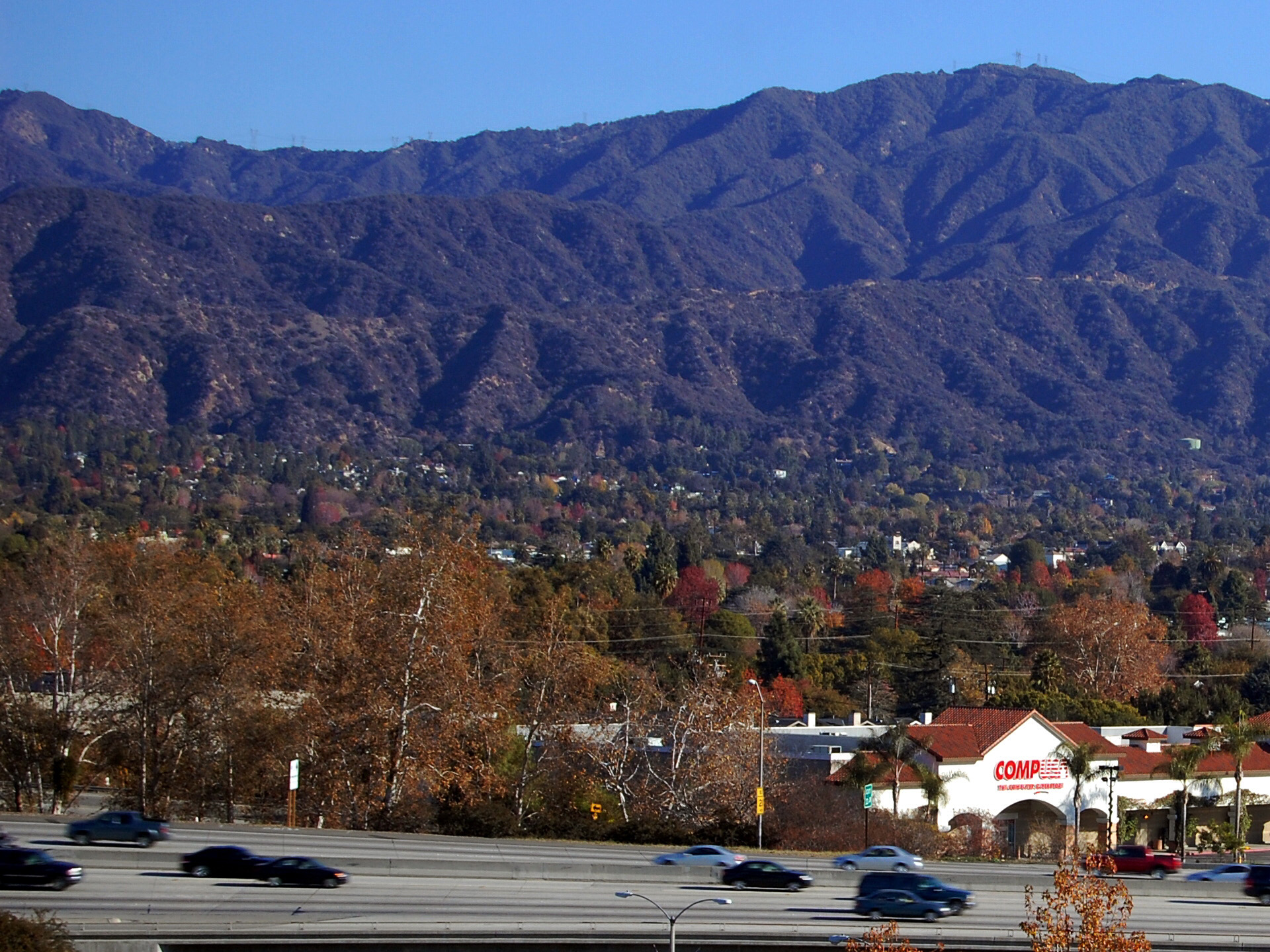
Monrovia is a city in the foothills of the San Gabriel Mountains in the San Gabriel Valley of Los Angeles County, California, United States. Monrovia is the fourth-oldest general-law city in Los Angeles County and the L.A. Basin (after Los Angeles, Santa Monica, and Pasadena, all now charter cities). Incorporated in 1887, it has grown from a sparse community of orange ranches to a residential community of over 37,000. The population was 37,931 at the 2020 census.
The San Gabriel Valley was first inhabited by the Tongva whose traditional lands extended throughout the area of modern-day greater Los Angeles. While Juan Rodríguez Cabrillo first discovered California for Spain in 1542, Spanish colonization did not begin until 1769 with the Portolá expedition. In 1771, the entire valley, including present-day Monrovia, came under the domain of the newly established Mission San Gabriel, initially located along the San Gabriel River near the southern edge of the valley. The mission utilized the lower portion of the valley for raising cattle and farming while the uplands, including Monrovia, remained untouched.
Following Mexico's independence from Spain and the Mexican Congress's enactment of secularization laws in 1833, the government of Alta California began the process of secularizing missions and dispersing their property. On April 16, 1841, Hugo Reid, a naturalized Mexican citizen from Great Britain, was provisionally granted ownership of Rancho Santa Anita, which included most of present-day Monrovia to the west of Norumbega Drive, and received a fee simple title to the land in 1845. Rancho Santa Anita then changed hands several times before Lucky Baldwin acquired it on April 8, 1875. In 1884, William N. Monroe purchased a 120-acre plot from Baldwin in present-day Monrovia that encompassed both sides of White Oak Avenue (now Foothill Boulevard). Monroe acquired an additional 90 acres in 1885.
In 1886, Monroe partnered with Edward F. Spence, John D. Bicknell, and James F. Crank to form a 120-acre town centered around Myrtle Avenue and present-day Colorado Boulevard; the first sale of townsite lots began on May 17, 1886. Within nineteen months, several banks, hotels, churches, and schools were built. In 1887, Monrovia reached a population of 500 and was incorporated on December 15, making it the fourth incorporated city in Los Angeles County after Los Angeles, Santa Monica, and Pasadena. Monrovia was connected to Los Angeles by rail in 1888 through the efforts of the San Gabriel Valley Rapid Transit Railroad Company. The Los Angeles Terminal Railway briefly assumed control over the rail line in 1892 before selling the railway to Southern Pacific in 1893.
In 1903, the Pacific Electric railway opened a line to Monrovia. The expansion of this interurban railway, which served the greater Los Angeles area, allowed residents to visit the beach for the day, commute to downtown Los Angeles, and travel the region. It also contributed to Monrovia's growth with the population nearly tripling over a decade to 3,576 in 1910. After construction stagnated during World War I, it increased in the post-war years with a record number of building permits being issued in 1923. From 1920 to 1930, Monrovia's population increased from 5,480 to 10,890.
In 1905, Carnegie funds became available and, with the help of the Board of Trade (forerunner to the Chamber of Commerce) and the Monrovia Women's Club, a bond issue was passed to purchase the Granite Bank Building to be used as a city hall, and to acquire property for a public park. The Granite Building has served as the city hall, fire and police department facilities since 1961 and the fire department since 1974. In 1956, the old Carnegie library building was torn down and a new library was constructed. In March 2007, a new library was voted on by the people of Monrovia. It won with 70% yes votes. The library now has 190,000 books, a heritage room for historical documents, and areas for children, teens, and adults.
A city council–manager type government was instituted in 1923.
In 1930, the Monrovia Airport, also known as the Foothill Flying Club, was commercially established. The small airstrip claimed to have had 12,000 paying customers use the airfield in 1932 and on May 19, 1938, the first airmail flight took off from Monrovia Airport. Ownership of the airport changed hands several times while it was in operation; pilots remembered it as "the friendliest little airport in the country." Apart from usage by Riley Brothers, TWA Captain and former airshow pilot Kalman Irwin, and Pancho Barnes, the airfield is well known for its use as a movie-filming location. The first movie filmed at the Monrovia Airport was The Fighting Pilot. Other films shot at the airfield include 20,000 Men a Year, The Great Plane Robbery, and most notably, The Big Noise, featuring Laurel and Hardy. The 35-acre airfield, used as a runway as well as an airplane repair and storage service, was forced to close in 1953 after being sold to Consolidated Engineering Corporation for redevelopment as a result of increased land values.
Hub AI
Monrovia, California AI simulator
(@Monrovia, California_simulator)
Monrovia, California
Monrovia is a city in the foothills of the San Gabriel Mountains in the San Gabriel Valley of Los Angeles County, California, United States. Monrovia is the fourth-oldest general-law city in Los Angeles County and the L.A. Basin (after Los Angeles, Santa Monica, and Pasadena, all now charter cities). Incorporated in 1887, it has grown from a sparse community of orange ranches to a residential community of over 37,000. The population was 37,931 at the 2020 census.
The San Gabriel Valley was first inhabited by the Tongva whose traditional lands extended throughout the area of modern-day greater Los Angeles. While Juan Rodríguez Cabrillo first discovered California for Spain in 1542, Spanish colonization did not begin until 1769 with the Portolá expedition. In 1771, the entire valley, including present-day Monrovia, came under the domain of the newly established Mission San Gabriel, initially located along the San Gabriel River near the southern edge of the valley. The mission utilized the lower portion of the valley for raising cattle and farming while the uplands, including Monrovia, remained untouched.
Following Mexico's independence from Spain and the Mexican Congress's enactment of secularization laws in 1833, the government of Alta California began the process of secularizing missions and dispersing their property. On April 16, 1841, Hugo Reid, a naturalized Mexican citizen from Great Britain, was provisionally granted ownership of Rancho Santa Anita, which included most of present-day Monrovia to the west of Norumbega Drive, and received a fee simple title to the land in 1845. Rancho Santa Anita then changed hands several times before Lucky Baldwin acquired it on April 8, 1875. In 1884, William N. Monroe purchased a 120-acre plot from Baldwin in present-day Monrovia that encompassed both sides of White Oak Avenue (now Foothill Boulevard). Monroe acquired an additional 90 acres in 1885.
In 1886, Monroe partnered with Edward F. Spence, John D. Bicknell, and James F. Crank to form a 120-acre town centered around Myrtle Avenue and present-day Colorado Boulevard; the first sale of townsite lots began on May 17, 1886. Within nineteen months, several banks, hotels, churches, and schools were built. In 1887, Monrovia reached a population of 500 and was incorporated on December 15, making it the fourth incorporated city in Los Angeles County after Los Angeles, Santa Monica, and Pasadena. Monrovia was connected to Los Angeles by rail in 1888 through the efforts of the San Gabriel Valley Rapid Transit Railroad Company. The Los Angeles Terminal Railway briefly assumed control over the rail line in 1892 before selling the railway to Southern Pacific in 1893.
In 1903, the Pacific Electric railway opened a line to Monrovia. The expansion of this interurban railway, which served the greater Los Angeles area, allowed residents to visit the beach for the day, commute to downtown Los Angeles, and travel the region. It also contributed to Monrovia's growth with the population nearly tripling over a decade to 3,576 in 1910. After construction stagnated during World War I, it increased in the post-war years with a record number of building permits being issued in 1923. From 1920 to 1930, Monrovia's population increased from 5,480 to 10,890.
In 1905, Carnegie funds became available and, with the help of the Board of Trade (forerunner to the Chamber of Commerce) and the Monrovia Women's Club, a bond issue was passed to purchase the Granite Bank Building to be used as a city hall, and to acquire property for a public park. The Granite Building has served as the city hall, fire and police department facilities since 1961 and the fire department since 1974. In 1956, the old Carnegie library building was torn down and a new library was constructed. In March 2007, a new library was voted on by the people of Monrovia. It won with 70% yes votes. The library now has 190,000 books, a heritage room for historical documents, and areas for children, teens, and adults.
A city council–manager type government was instituted in 1923.
In 1930, the Monrovia Airport, also known as the Foothill Flying Club, was commercially established. The small airstrip claimed to have had 12,000 paying customers use the airfield in 1932 and on May 19, 1938, the first airmail flight took off from Monrovia Airport. Ownership of the airport changed hands several times while it was in operation; pilots remembered it as "the friendliest little airport in the country." Apart from usage by Riley Brothers, TWA Captain and former airshow pilot Kalman Irwin, and Pancho Barnes, the airfield is well known for its use as a movie-filming location. The first movie filmed at the Monrovia Airport was The Fighting Pilot. Other films shot at the airfield include 20,000 Men a Year, The Great Plane Robbery, and most notably, The Big Noise, featuring Laurel and Hardy. The 35-acre airfield, used as a runway as well as an airplane repair and storage service, was forced to close in 1953 after being sold to Consolidated Engineering Corporation for redevelopment as a result of increased land values.