



Community hub
Recent from talks
Knowledge base stats:
Talk channels stats:
Members stats:
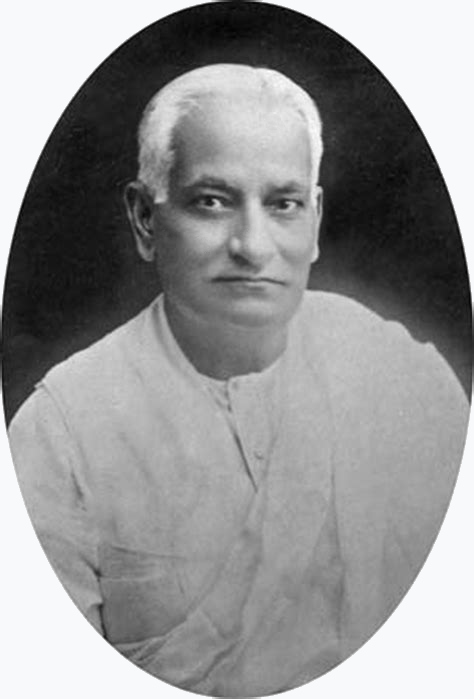
Motilal Nehru
Motilal Nehru (6 May 1861 – 6 February 1931) was an Indian lawyer, activist, and politician affiliated with the Indian National Congress. He served as the Congress President twice, from 1919 to 1920 and from 1928 to 1929. He was a patriarch of the Nehru-Gandhi family and the father of Jawaharlal Nehru, India's first Prime Minister.
Motilal Nehru was born on 6 May 1861 in a Kashmiri Pandit (Brahmin) family as the posthumous son of Gangadhar Nehru and his wife Indrani. During the Sepoy Mutiny of 1857, Gangadhar Nehru was the kotwal or police officer of Delhi.
Thus, Motilal came to spend his childhood in Khetri, second largest thikana (feudal estate) within the princely state of Jaipur, now in Rajasthan. His elder brother, Nandlal Nehru gained the favour of Raja Fateh Singh of Khetri, who was the same age as him, and rose to the position of Diwan (Chief Minister; effectively the manager) of the vast feudal estate. In 1870, Fateh Singh died childless and was succeeded by a distant cousin, who had little use for his predecessor's confidants. Nandlal left Khetri for Agra and found that his prior career at Khetri equipped him to advise litigants regarding their legal suits. Once he realised this, he exhibited his industry and resilience again by studying for and passing the necessary examinations so that he could practice law in the British colonial courts. He then began practising law at the provincial High Court at Agra. Subsequently, the High Court was relocated to Allahabad, and the family moved to that city.
According to B.R. Nanda, by their teenage years Motilal and other sons of Gangadhar had learnt to speak English. According to historian Sarvepalli Gopal, Motilal was, like his ancestors, more fluent in Arabic, Persian, and Urdu than in any other Indian language.
Motilal passed the bar examination in 1883 and began practicing law at Kanpur. Three years later, he moved to Allahabad to join the lucrative practice already established by his brother Nandlal. The following year, in April 1887, his brother died at the age of forty-two, leaving behind five sons and two daughters. Thus Motilal at the age of 25 became sole bread-earner of the extended Nehru family.
Many of Motilal's suits were civil cases concerning large land-owning families. He soon made a name for himself in the civil society of Allahabad. With the success of his practice, in 1900, he bought a large family home in the Civil Lines area of the city, rebuilt it and named it Anand Bhavan (lit. Joy house). In 1909, he reached the pinnacle of his legal career by gaining the approval to appear in the Privy Council of Great Britain. His frequent visits to Europe angered the Kashmiri Brahmin community as he refused to perform the traditional "prayashchit", or reformation ceremony, after crossing the ocean (according to Strict Hinduism, one lost one's caste after crossing the ocean, and was required to perform certain penance rites to regain caste). In 1899, he was expelled from the caste for refusing to perform the penance ceremony. He was the first chairman of the board of directors of The Leader, a leading daily published from Allahabad.
On 5 February 1919 he launched a new daily paper, The Independent, as a counterpoint to The Leader, which was much too liberal for Motilal's standard and articulate thought in 1919.
He started on the path to become wealthy among the few leaders of the Indian National Congress. Under the influence of Mahatma Gandhi in 1918, Nehru became one of the first to transform his life to exclude western clothes and material goods, adopting a more native Indian lifestyle.
Hub AI
Motilal Nehru AI simulator
(@Motilal Nehru_simulator)
Motilal Nehru
Motilal Nehru (6 May 1861 – 6 February 1931) was an Indian lawyer, activist, and politician affiliated with the Indian National Congress. He served as the Congress President twice, from 1919 to 1920 and from 1928 to 1929. He was a patriarch of the Nehru-Gandhi family and the father of Jawaharlal Nehru, India's first Prime Minister.
Motilal Nehru was born on 6 May 1861 in a Kashmiri Pandit (Brahmin) family as the posthumous son of Gangadhar Nehru and his wife Indrani. During the Sepoy Mutiny of 1857, Gangadhar Nehru was the kotwal or police officer of Delhi.
Thus, Motilal came to spend his childhood in Khetri, second largest thikana (feudal estate) within the princely state of Jaipur, now in Rajasthan. His elder brother, Nandlal Nehru gained the favour of Raja Fateh Singh of Khetri, who was the same age as him, and rose to the position of Diwan (Chief Minister; effectively the manager) of the vast feudal estate. In 1870, Fateh Singh died childless and was succeeded by a distant cousin, who had little use for his predecessor's confidants. Nandlal left Khetri for Agra and found that his prior career at Khetri equipped him to advise litigants regarding their legal suits. Once he realised this, he exhibited his industry and resilience again by studying for and passing the necessary examinations so that he could practice law in the British colonial courts. He then began practising law at the provincial High Court at Agra. Subsequently, the High Court was relocated to Allahabad, and the family moved to that city.
According to B.R. Nanda, by their teenage years Motilal and other sons of Gangadhar had learnt to speak English. According to historian Sarvepalli Gopal, Motilal was, like his ancestors, more fluent in Arabic, Persian, and Urdu than in any other Indian language.
Motilal passed the bar examination in 1883 and began practicing law at Kanpur. Three years later, he moved to Allahabad to join the lucrative practice already established by his brother Nandlal. The following year, in April 1887, his brother died at the age of forty-two, leaving behind five sons and two daughters. Thus Motilal at the age of 25 became sole bread-earner of the extended Nehru family.
Many of Motilal's suits were civil cases concerning large land-owning families. He soon made a name for himself in the civil society of Allahabad. With the success of his practice, in 1900, he bought a large family home in the Civil Lines area of the city, rebuilt it and named it Anand Bhavan (lit. Joy house). In 1909, he reached the pinnacle of his legal career by gaining the approval to appear in the Privy Council of Great Britain. His frequent visits to Europe angered the Kashmiri Brahmin community as he refused to perform the traditional "prayashchit", or reformation ceremony, after crossing the ocean (according to Strict Hinduism, one lost one's caste after crossing the ocean, and was required to perform certain penance rites to regain caste). In 1899, he was expelled from the caste for refusing to perform the penance ceremony. He was the first chairman of the board of directors of The Leader, a leading daily published from Allahabad.
On 5 February 1919 he launched a new daily paper, The Independent, as a counterpoint to The Leader, which was much too liberal for Motilal's standard and articulate thought in 1919.
He started on the path to become wealthy among the few leaders of the Indian National Congress. Under the influence of Mahatma Gandhi in 1918, Nehru became one of the first to transform his life to exclude western clothes and material goods, adopting a more native Indian lifestyle.